As an Amazon Associate, we earn from qualifying purchases. Some links on this site are affiliate links at no extra cost to you. Our recommendations are based on thorough research and editorial judgment.

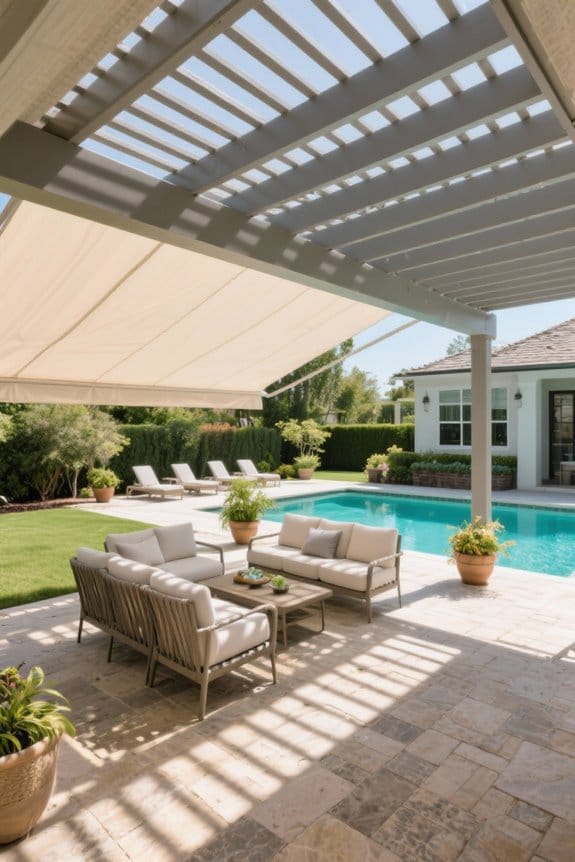
How Shaded Patios Benefit Home Value

Install shaded patios using UV-blocking fabrics or retractable awnings, ensuring dimensions match outdoor furniture and traffic flow. Position covers to maximize sun protection during peak hours, reducing heat absorption and lowering cooling costs. Choose durable materials like insulated roofing panels to boost energy efficiency and shield surfaces from fading. Integrate lighting and electrical outlets for nighttime usability and inspect installations biannually for wear. These enhancements elevate curb appeal, expand functional living space, and raise home resale value. Further insights explore design and climate considerations.
Key Takeaways
- Shaded patios enhance curb appeal by adding visually attractive, cohesive architectural elements that complement the home’s exterior and landscape.
- Durable shading structures protect outdoor furniture and surfaces from UV damage, maintaining a fresh, elegant appearance that appeals to buyers.
- Properly designed patios improve outdoor usability and comfort, creating inviting social spaces that increase overall homeowner satisfaction.
- Energy-efficient shading reduces indoor cooling costs, adding eco-friendly value and potential savings attractive to environmentally conscious buyers.
- High-quality, well-installed shading solutions ensure long-term durability, increasing property value and offering a swift return on investment.
Enhancing Outdoor Comfort and Usability
You may be interested

Maximize outdoor comfort by installing shading solutions such as retractable awnings, pergolas with adjustable louvers, or shade sails designed to cover 150 to 300 square feet efficiently. Choose durable patio covers that provide reliable sun protection while maintaining airflow for peak comfort. Position these structures strategically to enhance usability, turning outdoor living spaces into all-season areas suitable for outdoor dining and social gatherings. Utilize shaded patios to reduce heat absorption, improving energy efficiency indoors and contributing to lower energy bills. Between installation and maintenance, verify shading solutions are securely anchored and operate smoothly to prevent damage. Prioritize materials that withstand weather stress to extend lifespan and maintain aesthetic appeal. This approach not only increases home value by 8-10% but also encourages consistent use of outdoor areas, maximizing return on investment and lifestyle enhancement. Selecting fabrics made from high-density polyethylene (HDPE) enhances durability and UV protection, making shaded patios more effective and long-lasting.
Protecting Skin and Outdoor Furniture From UV Damage
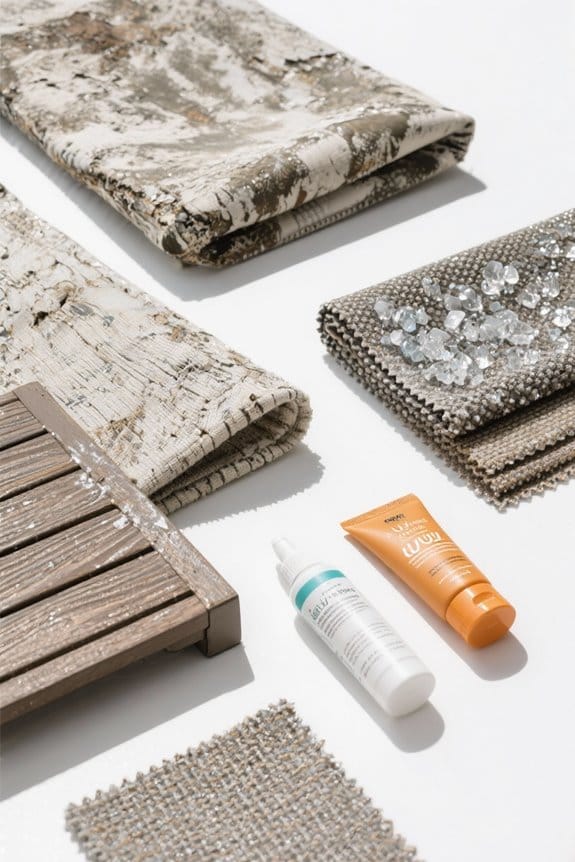
Install sun shading structures capable of blocking UVA and UVB rays to protect skin effectively during extended outdoor activities. Position adjustable awnings or retractable pergolas over the shaded patio, ensuring at least 80% UV blockage, verified by product specifications. Apply UV-resistant fabric covers on outdoor furniture to prevent sun exposure that accelerates fading and material breakdown. Inspect all materials biannually for signs of UV damage such as discoloration or brittleness, replacing components promptly to maintain longevity. Use tensioned mesh screens or shade sails angled to maximize afternoon protection, reducing skin cancer risks and premature aging. Recognize shaded patios as a cost-effective investment, lowering replacement costs for outdoor furniture while enhancing outdoor enjoyment. Prioritize health by minimizing direct sunlight contact, ensuring a safer environment that supports continued use of valuable outdoor spaces. Choosing awnings made with durable 280g/m² polyester fabric offers effective UV protection and longevity for outdoor shading solutions.
Improving Energy Efficiency and Reducing Utility Bills
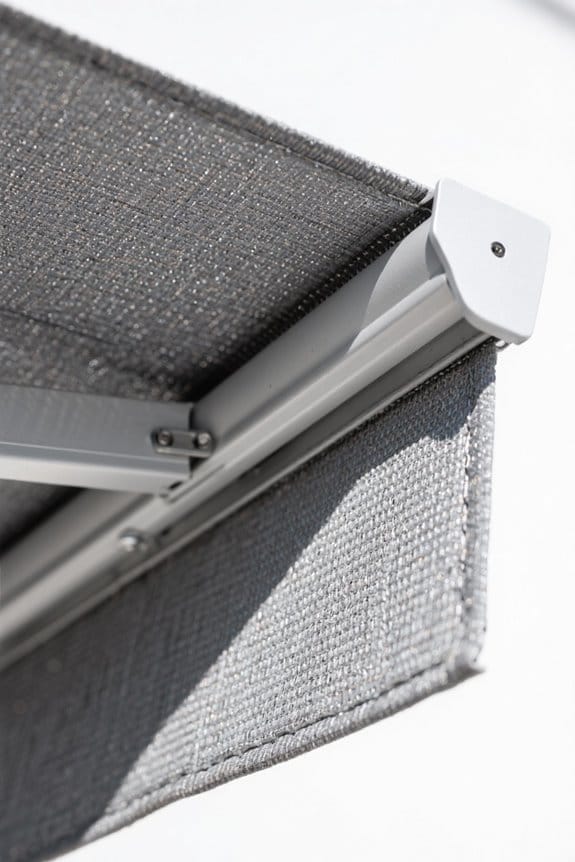
While designing outdoor spaces, focus on shading methods that effectively block direct sunlight from entering indoor areas, consequently lowering internal temperatures. Install a durable patio cover using insulated roofing panels or reflective materials to create a shaded area that reduces heat gain. Position the cover to optimize shade during peak sunlight hours, protecting your outdoor space and reducing strain on air conditioning systems. Measure window and wall surfaces adjacent to the patio, ensuring coverage minimizes solar heat absorption to improve energy efficiency by up to 30%. Monitor energy costs monthly to verify lower energy bills resulting from decreased air conditioning use. Incorporate energy-saving features, like thermal barriers, into the patio design to enhance property value, appealing to buyers prioritizing utility savings and sustainable living environments. Additionally, lightweight and portable solutions such as cordless rechargeable pool vacuums can complement outdoor maintenance, further supporting an energy-efficient and well-kept home environment.
Expanding Living Space With Functional Shade Solutions
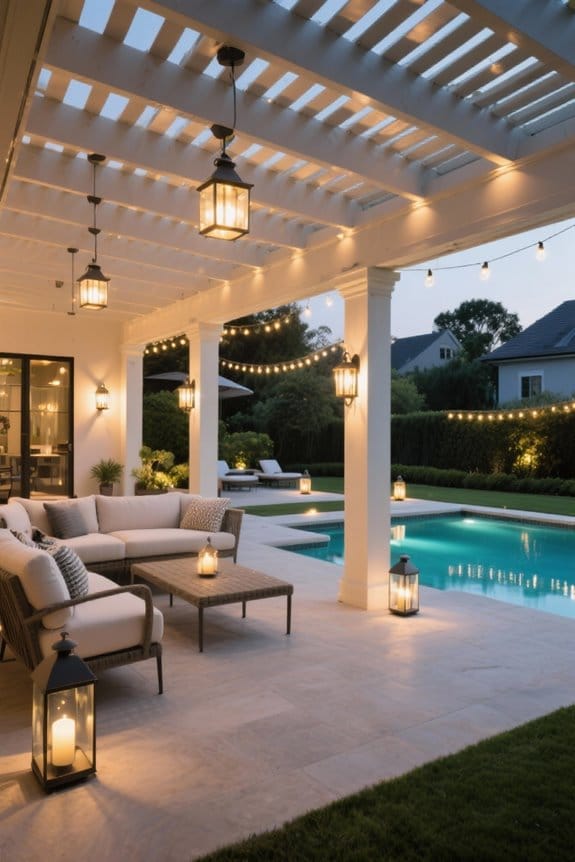
Extend the interior footprint by integrating shaded patios designed to serve as functional living areas. Select durable shading solutions, such as retractable awnings or solid pergolas, guaranteeing quality materials resist sun and weather damage. Measure the available outdoor living area precisely, allowing for furniture placement and traffic flow within the usable living space. Install shading structures securely, following manufacturer specifications to guarantee stability and longevity. Incorporate lighting and electrical outlets to enhance functionality, enabling evening use to extend enjoyment. Maintain clean lines and neutral colors that complement existing architecture to subtly increase property value without overshadowing curb appeal. Anticipate potential buyers by prioritizing versatile, multipurpose functional spaces, facilitating relaxation and entertainment outdoors. Regularly inspect and repair shading systems to preserve appearance and durability, maintaining the shaded patio as a valuable asset within the home. To maximize efficiency in outdoor living utilities, consider integrating energy-saving dual-speed pumps to support pool and water features commonly adjacent to patios.
Increasing Curb Appeal and Aesthetic Value
Significantly improve curb appeal by designing shaded patios with cohesive architectural elements, including matching rooflines and trim details. Install quality-built structures such as pergolas or awnings that blend seamlessly with the home’s exterior, enhancing visual appeal. Focus on creating attractive patios that extend outdoor living spaces, inviting potential buyers to envision comfortable, usable areas. Ascertain proportional dimensions—typically 12×14 feet minimum—for balanced scale relative to the home. Use durable materials that resist weathering, maintaining aesthetic value over time. Regularly clean and repair shading elements to prevent deterioration. Highlight these features in listings to emphasize increased home market value. In competitive real estate markets, shaded patios raise buyer interest and can elevate pricing by 8-10%, making them a strategic investment for sellers aiming to boost curb appeal and overall property attractiveness. Additionally, incorporating features that contribute to low maintenance enhances the long-term appeal and functionality of outdoor living spaces.
Popular Designs and Materials for Patio Shade
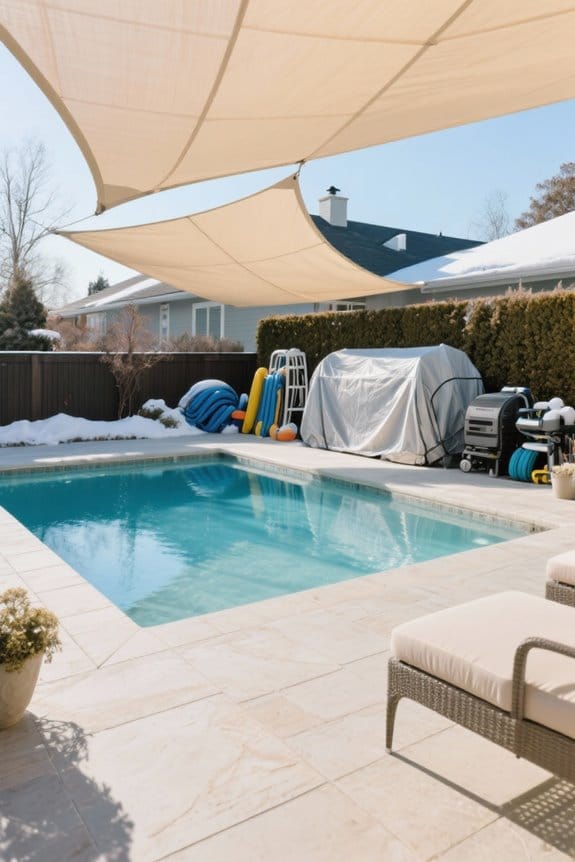
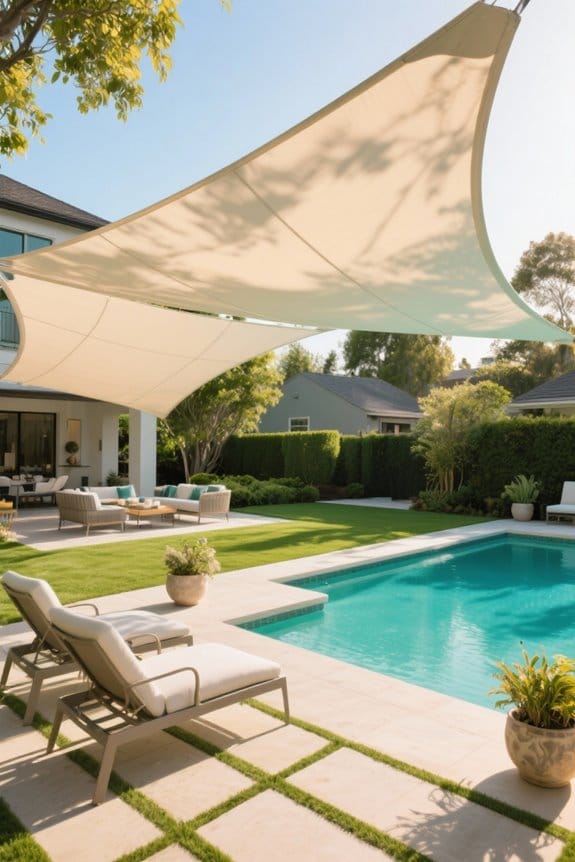
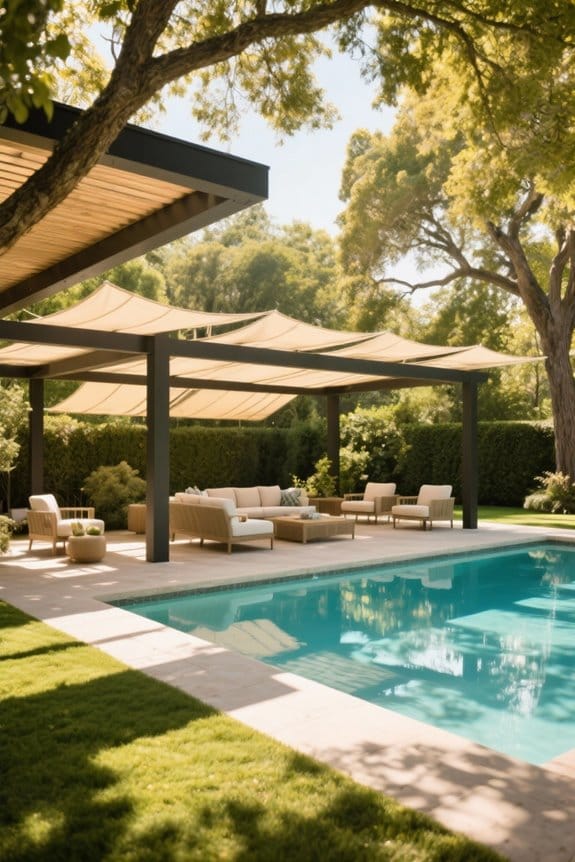
When selecting patio shade designs, evaluate options like retractable awnings, pergolas, shade sails, and full patio covers for their suitability to your outdoor space. Install retractable awnings for adaptable sun protection, ensuring proper mounting brackets and motorized controls if desired. Choose pergolas to add architectural interest, provide sturdy frameworks, and support vining plants, enhancing natural shade. Employ shade sails for cost-effective, modern angles, securing tensioned hardware at robust points to avoid sagging. Consider full patio covers for all-weather functionality, ensuring durable materials like aluminum that resist corrosion and reflect heat. Prioritize materials that promote energy efficiency through heat reduction, consequently lowering cooling costs. Verify structural supports meet local codes, measure dimensions accurately, and inspect installation sites for ideal shade coverage without obstructing ventilation or pathways. Additionally, selecting shade sails made from high-density polyethylene fabrics can enhance airflow and reduce heat buildup, improving outdoor comfort.
Selecting the Right Shade Solution for Your Climate
How does climate influence the selection of patio shade solutions? Begin by evaluating sun intensity in your area; for hot regions like Tulsa, prioritize shaded patios to sustain comfort in outdoor living spaces. Choose durable materials such as aluminum for covers, which enhance energy efficiency and reduce cooling costs by reflecting heat. Incorporate natural elements like trees and greenery strategically to increase shade coverage and enhance aesthetic appeal, thereby boosting home value. Select pergolas or retractable awnings that offer effective UV protection for furniture, extending its lifespan and adding functional elegance. Measure patio dimensions accurately, verify shade structures accommodate local weather challenges, and check installation angles to maximize shade throughout peak sun hours. Properly selecting shade options tailored to your climate will increase market value while creating appealing, usable outdoor spaces homeowners desire. Additionally, integrating shade solutions made from UV-resistant materials can significantly prolong outdoor furniture durability by minimizing sun damage.
Shaded Patios as a Valuable Investment for Homeowners
Although adding shading structures requires initial planning and investment, shaded patios reliably increase home market value by 8-10%. Evaluate available outdoor space, then install durable shading to increase usability during peak sunlight, reducing energy bills by lowering indoor cooling demand. Prioritize materials that protect furniture from UV damage, preserving outdoor investments. Enhance aesthetic appeal by selecting designs complementing existing architecture, attracting buyers and achieving a higher selling point. Consider shaded patios a cost-effective investment, recouping 50-80% of costs through extended outdoor enjoyment and market appeal. Focus on creating a comfortable environment that improves quality of life, inviting year-round usage. Factor in maintenance requirements and weather conditions for longevity. Follow building codes meticulously to avoid delays, ensuring a swift return on investment in resale scenarios. Incorporating energy-efficient solutions like solar-powered devices can further enhance the eco-friendliness and appeal of outdoor living spaces.
Frequently Asked Questions
How Much Does a Covered Patio Increase Home Value?
A covered patio typically increases home value by 8-10%, reflecting covered patio benefits in the real estate market. It enhances outdoor living, curb appeal, buyer preferences, climate considerations, landscaping enhancement, and aligns with renovation trends, making it a smart property investment.
What Adds the Most Value to a Backyard?
The icing on the cake for backyard value is a blend of backyard landscaping, outdoor kitchens, and well-crafted garden design. Additional features like fire pits, water features, seating areas, and privacy fencing create inviting recreational spaces enhanced by outdoor lighting and herb gardens.
Are Patio Shades Worth It?
Patio shades are worth it due to improved patio design, enhanced outdoor living, effective heat reduction, and UV protection. Their aesthetic appeal aligns with buyer preferences, outweighing installation costs and maintenance requirements, ultimately boosting home resale value.
What Adds More Value to a Home, a Deck or Patio?
A patio overwhelmingly outshines decks, transforming property landscape by enhancing outdoor functionality and home aesthetics. Superior deck materials often inflate maintenance costs and complicate installation, while patios elevate resale appeal, appealing strongly to buyer preferences and neighborhood trends.