As an Amazon Associate, we earn from qualifying purchases. Some links on this site are affiliate links at no extra cost to you. Our recommendations are based on thorough research and editorial judgment.

Combining Natural and Artificial Shade

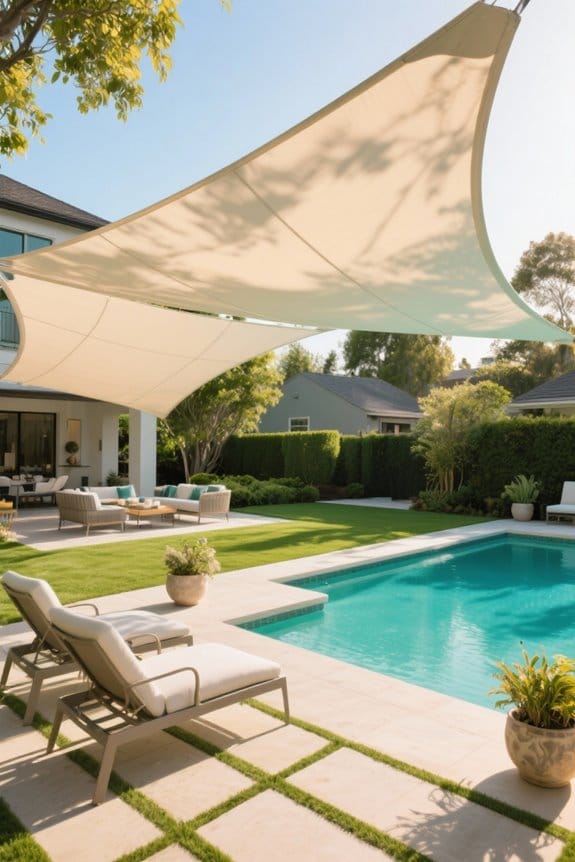
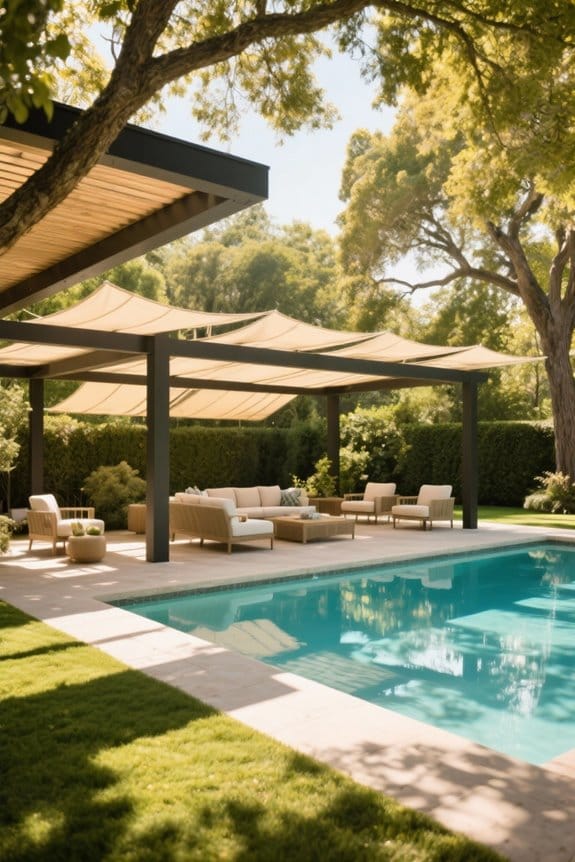
Combine natural and artificial shade by planting fast-growing deciduous trees like maples on southern exposures, then install HDPE shade sails tensioned across anchor points to cover key activity areas. Guarantee tree spacing allows full canopy development, assess canopy density regularly, and position sails to optimize airflow while blocking up to 95% of UV rays. Incorporate adjustable pergolas or cantilever structures for flexibility as sunlight angles change. For detailed layout and material tips, explore advanced shading strategies next.
Key Takeaways
- Combining mature trees with engineered shade structures effectively reduces heat islands by lowering surface and air temperatures significantly.
- Strategic placement of trees and adjustable artificial shades enhances airflow, air quality, and pollutant interception in outdoor spaces.
- Integrating natural canopies and artificial sails or pergolas optimizes UV protection and extends shaded usability throughout the day.
- Using climbing plants on pergolas blends aesthetics with increased shade coverage, providing both cooling and visual appeal.
- Regular assessment and adjustment of combined shade elements ensures peak performance and maximizes outdoor comfort and safety.
The Importance of Shade in Urban Environments
You may be interested

When planning urban spaces, prioritize installing effective shade to combat heat island effects, which can elevate surface temperatures by 20 to 30 degrees Fahrenheit. Integrate both natural and artificial shade sources; select mature trees strategically to maximize UV protection in high-traffic play areas and gathering spots. Supplement with engineered shade structures such as tensile fabric canopies or modular pergolas, ensuring proper orientation against solar angles. Use materials that reflect infrared radiation and resist weather degradation to maintain long-term performance. Position shade elements to optimize air quality benefits by encouraging airflow while intercepting pollutants. Regularly assess outdoor spaces for heat hotspots, adjusting shade coverage accordingly to extend comfort during peak midday hours. Combining natural and artificial shade enhances usability and safety in urban environments, fostering healthier, more inviting public spaces without compromising biodiversity or aesthetic appeal. Additionally, integrating solar pool heaters like the Intex Solar Mat Water Heater can improve outdoor comfort by raising water temperature in nearby recreational areas.
How Natural Shade Enhances Outdoor Comfort

Although natural shade requires strategic planning, leverage the cooling effects of mature trees to reduce air temperatures by up to 25°F. Plant deciduous trees on southern exposures to provide ample shade during summer while allowing sunlight in colder months. Position trees to blend natural shading with existing landscapes, reducing UV exposure effectively. Utilize natural shade from trees to enhance outdoor comfort by creating comfortable environments where air under the canopy feels up to 6°F cooler. These cooling effects not only improve outdoor thermal comfort but also improve air quality by filtering pollutants. Ascertain tree species choice supports urban biodiversity and ecosystem health. Regularly assess canopy density and growth to maintain ideal shading performance, preventing gaps that increase solar radiation penetration and reduce effectiveness in reducing heat. Complement natural shade with high-density polyethylene shade sails for durable and effective UV protection in your outdoor spaces.
Benefits of Artificial Shade Structures

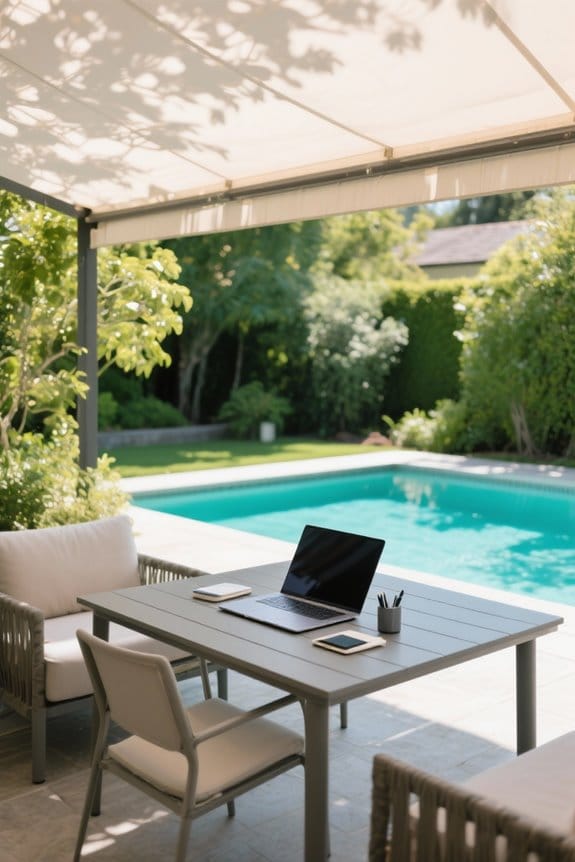
Expand outdoor comfort by integrating artificial shade structures, which offer immediate and controllable protection from ultraviolet (UV) radiation. Install shade sails or pergolas that block up to 95% of harmful UV rays, reducing sunburn risks effectively. Choose durable materials like powder-coated aluminum or weather-resistant fabrics to withstand harsh weather conditions and minimize maintenance. Customize artificial shading to fit specific play areas, ensuring coverage where children spend most time, lowering surface temperatures by 20-30 degrees. Adjust cantilever umbrellas or retractable shades as sunlight angles shift throughout the day, enhancing usability. Incorporate climbing plants on pergolas to increase visual appeal while complementing functional needs. Plan shade solutions precisely to balance coverage, durability, and aesthetics for a safer, more enjoyable outdoor environment that adapts efficiently to changing conditions. Additionally, integrating energy-efficient technology can further optimize outdoor comfort by reducing power consumption in automated shade mechanisms.
Recommended Products

High-Quality Protection: Crafted from 185 gsm high-density polyethylene (HDPE) shade fabric; blocks up to 95% of harmful UV rays and direct sunlight exposure; strong stitched seams and durable stainless steel D-rings in each corner for added longevity.

WIND-POWERED, WON'T BLOW AWAY — Unlike beach umbrellas and pop-up beach tents that flip or collapse, the Shibumi Shade floats on the ocean breeze and sails with as little as 3 mph of wind. The breeze that topples a beach umbrella is exactly what keeps this wind-powered beach canopy standing tall.

【About Installation】Please refer to the diagrams before purchasing. To ensure you buy the correct shade sail, you need to leave 0.5-1 ft of space for accessories to avoid buying an oversized shade
Selecting Trees for Effective Natural Shade
To select trees for effective natural shade, prioritize fast-growing deciduous species such as maples and oaks that provide dense summer canopy and allow sunlight penetration during winter dormancy. Choose shade trees like American sycamore and red maple, known to cool surrounding air by up to 6°F through shade and evapotranspiration. Plan strategic planting on the southern side of properties to maximize summer shade while permitting winter sunlight, enhancing energy efficiency. Arrange mature trees to guarantee low sky view factor, which increases canopy density and thermal relief. Incorporate diverse deciduous trees to improve ecological benefits, support urban forestry goals, and enhance biodiversity. Maintain proper spacing to avoid overcrowding and enable full canopy development. Regularly assess tree health with tools such as a clinometer, and adjust planting layouts as needed for peak natural shade performance. Additionally, like maintaining pool cleaner parts, regular maintenance frequency and assessment can prolong the life and effectiveness of your natural shade resources.
Recommended Products

🍁 Brilliant Red Fall Color: Famous for their stunning red foliage—adds bold seasonal color and curb appeal to any landscape. Plants ship dormant, no leaves

Full Spectrum White Light Refraction: Our shade cover for garden can not only effectively block strong direct sunlight, prevent extreme high temperature and sun damage to plants, but also meet the sunlight needed by plants, refraction full spectrum white light, so that your plants get balanced daylight.

Common Types of Artificial Shade Solutions
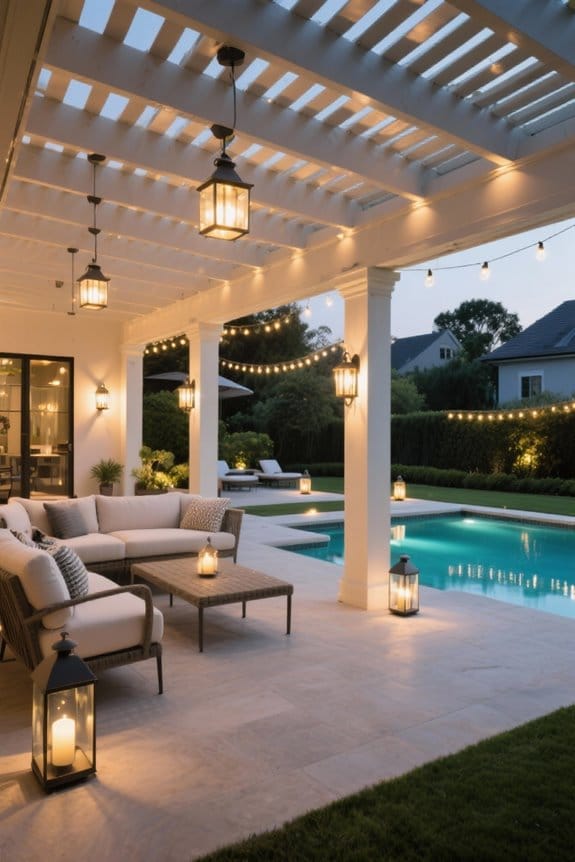
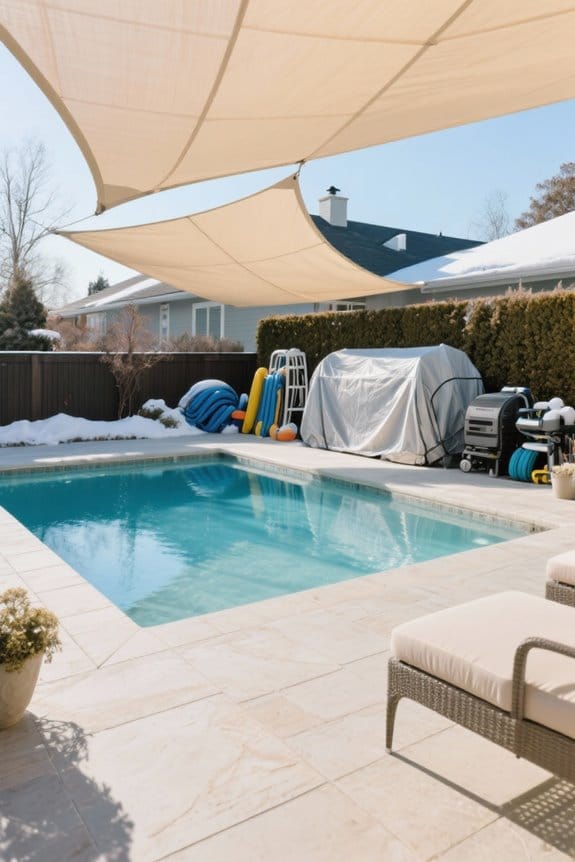
When integrating shade solutions, evaluate artificial options that suit spatial constraints and aesthetic goals alongside natural elements. Install shade sails by tensioning fabric across anchor points, selecting shapes and colors that complement landscape design. Construct pergolas to support natural climbing plants, providing partial shade while enhancing outdoor living areas near picnic tables. Use cantilever shade structures to maximize coverage with minimal obstruction, securing one-sided supports to preserve sightlines. Position umbrella shades strategically over dining or play zones, ensuring poles do not impede movement. For durable protection, build permanent shade structures such as gazebos or pavilions in high-traffic spots, verifying compliance with local codes. Combine these shade options thoughtfully, balancing function and form, to improve usability and comfort in varied landscapes while accommodating evolving outdoor living needs. Choosing shade sails made from high-density polyethylene ensures durability and breathability for effective shade and airflow.
Recommended Products

【UV Protection & Cooling】Made of 100% brand new High Density Polyethylene material and eliminate the use of splicing fabrics.Blocks up to 95% of harmful UV rays and direct sunlight exposure."Breathable" fabric allows air to pass freely and achieve a certain degree of cooling.

【ADVANCED HEAT REDUCTION】 Crafted from premium 200 GSM High-Density Polyethylene (HDPE), this shade sail lowers ambient temperatures by up to 15°F. The permeable fabric allows refreshing breezes and rainwater to flow through freely, effectively preventing heavy water pooling and keeping your patio cool.

High-Quality Construction: Made with 185 gsm high-density polyethylene (HDPE) shade fabric; features well-stitched seams and sturdy stainless steel D-rings in each corner for lasting durability
Integrating Natural and Artificial Shade in Urban Design
How can natural and artificial shade be combined effectively in urban design? Begin by selecting trees that offer substantial coverage, such as mature deciduous varieties for summer shade and evergreens for winter sun exposure. Position shade structures like pergolas or shade sails adjacent to tree canopies to create layered shading, which enhances usability and aesthetic appeal in urban spaces. Incorporate both elements strategically to maximize coverage during peak sun exposure hours. Monitor shade overlap to guarantee a consistent comfortable outdoor experience without excessive shadowing. Use environmental sustainability principles by promoting biodiversity and improving air quality through natural landscaping. Regularly assess temperature reductions provided by trees—up to 6°F cooling—and optimize artificial shade placement accordingly. Integrating natural and artificial shade boosts design efficiency, making outdoor environments more inviting and functional. Additionally, selecting shade sails made from high-density polyethylene (HDPE) fabric ensures effective UV protection and durability in outdoor settings.
Recommended Products

【UV Protection & Cooling】Made of 100% brand new High Density Polyethylene material and eliminate the use of splicing fabrics.Blocks up to 95% of harmful UV rays and direct sunlight exposure."Breathable" fabric allows air to pass freely and achieve a certain degree of cooling.
【𝗘𝗡𝗛𝗔𝗡𝗖𝗘𝗗 𝟵𝟱% 𝗦𝗨𝗡 𝗣𝗥𝗢𝗧𝗘𝗖𝗧𝗜𝗢𝗡】: Crafted from durable 200 GSM HDPE material, our shade sail provides reliable protection against harmful UV rays, blocking up to 95% of them for a safer outdoor experience.

【BLOCK UV RAYS】The high quality HDPE sun shade sail contains additional anti-UV additives, blocking harmful UV rays 95% and thus protecting your skin from harmful rays. The high-quality, breathable fabric prevents annoying heat build-up under the sun cover.
Considerations for Shade Placement and Orientation
Consider the sun’s path over a full annual cycle before positioning shade structures. Analyze peak sun hours between 10 am and 4 pm to maximize shade placement effectiveness. Use strategic orientation to guarantee summer protection while permitting winter sunlight, leveraging deciduous trees’ seasonal leaf loss. Focus shade placement on playground design elements used by younger children, addressing their higher sensitivity to UV exposure. Incorporate both fixed and movable shade options to adapt coverage to seasonal changes and different activities. Select durable materials such as UV-resistant fabrics or sturdy metals to withstand prolonged sun exposure and harsh weather. Regularly reassess shade structures for potential repositioning or repairs, guaranteeing consistent protection and longevity. Prioritize precise measurements during installation, adjusting angles based on sun’s path to optimize shading benefits throughout the year. It is also important to consider material durability to ensure long-lasting shade structures under constant sun exposure and varying weather conditions.
Recommended Products

【WATER RESISTANT MATERIAL】KALINCO sun shade sail is made of 420D high density polyester, and 185gsm HDPE material with unique woven structure, durability, water-resistant and breathable. NOTE: shade sail is hard to prevent heavy rain

Premium Material - Shade sail is made from 185GSM new high-density polyethylene material, the shade fabric is recycling which could protect our environment. UV treated to block 95% harmful rays to protect our family. Effectively decrease the temperature in covering area.

Premium Material - Shade sail is made from 185GSM new high-density polyethylene material, the shade fabric is recycling which could protect our environment. UV treated to block 95% harmful rays to protect our family. Effectively decrease the temperature in covering area.
Environmental and Health Impacts of Combined Shade
Implement combined natural and artificial shade to maximize protection against ultraviolet radiation, reducing the risk of sunburn and cumulative skin damage, particularly for sensitive populations like children. Position natural shade, such as trees, to lower surrounding air temperatures by up to 6°F, decreasing UV exposure during peak outdoor activity. Supplement with artificial shade structures, optimizing placement to reduce heat stress and improve thermal comfort. Monitor these installations to support biodiversity, maintaining healthy ecosystems around shaded zones. Integrate varied shading to mitigate urban heat islands, directly influencing community health by improving air quality. Regularly assess shade coverage and adjust to guarantee continuous protection and comfort. Prioritize sites with high foot traffic to expand safe outdoor time, promoting active lifestyles while minimizing environmental risks related to excessive sun exposure and heat. Using high-density polyethylene (HDPE) fabrics in artificial shade structures enhances durability and airflow, effectively reducing heat buildup beneath shade sails.
Case Studies Demonstrating Shade Synergy in Cities
Several urban projects demonstrate the effective synergy between natural and artificial shade in mitigating heat and enhancing comfort. Study Melbourne’s parks combining tree canopies with shade sails, which reduce ground-level temperatures by up to 5°C; replicate this by integrating natural and artificial shade elements. In Phoenix, introduce ramadas alongside trees to improve thermal comfort by 15% in play areas. Toronto parks using deciduous trees plus permanent shade structures show increased outdoor activity during peak sun hours. Los Angeles integrates green roofs and shade canopies to cut heat island effects by 30%, creating appealing community spaces. In New York City, combine large trees with movable umbrellas to raise visitor satisfaction by 20%. Choose diverse shade types, arrange elements strategically, and consistently measure thermal comfort for ideal results. Incorporating high UV-blocking HDPE sails can further enhance sun safety and comfort in these urban shading solutions.
Frequently Asked Questions
What Is the Disadvantage of a Shade Sail?
Shade sail durability concerns include wind resistance challenges and UV protection limitations. Installation complexity issues require proper mounting and tensioning. Maintenance requirements analysis highlights cleaning needs, while aesthetic design factors and seasonal effectiveness variations impact overall performance and cost comparison evaluations. Material choice implications remain significant.
Can You Still Tan Through Tree Shade?
Yes, tanning can occur through tree shade, as light penetration varies by tree canopy density, allowing UV exposure sufficient for the tanning process. Sun protection and shade effectiveness are vital for skin health and outdoor safety despite perceived shade.
How to Create Partial Shade for Plants?
Partial shade for plants is achieved through strategic plant placement, utilizing light filtering via taller companions, optimizing garden design to enhance shade benefits, improve temperature control, increase moisture retention, support companion planting, enable growth optimization, and accommodate seasonal adjustments.
What Can Be Used Instead of Shade Cloth?
Shade alternatives include pergola designs, retractable shade systems, and temporary shade structures. DIY shade solutions utilize natural canopy ideas or garden privacy screens, offering varied outdoor shading options that enhance plant protection techniques while blending functionality with aesthetics.