As an Amazon Associate, we earn from qualifying purchases. Some links on this site are affiliate links at no extra cost to you. Our recommendations are based on thorough research and editorial judgment.

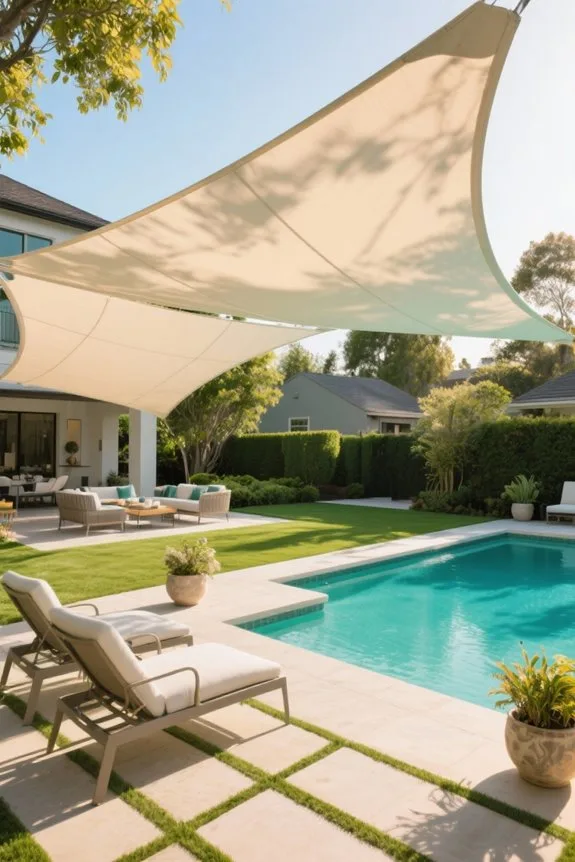
How Shade Sails Expand Outdoor Living Seasons

Extend outdoor living seasons by installing UV-resistant shade sails using robust mounting points rated for 150 kg minimum, stainless steel hardware, and tensioning devices like turnbuckles. Measure areas precisely, select durable fabrics such as PVC or SMonotec, and angle sails to optimize sun protection during fluctuating spring and autumn temperatures. Maintain tension regularly to prevent sagging, clean biannually with mild soap, and inspect seams to ascertain longevity. Properly executed, shade sails enhance comfort and usability beyond summer, offering year-round benefits worth exploring further.
Key Takeaways
- Shade sails provide high UV protection, making outdoor spaces safer and more comfortable during intense sun exposure in warmer months.
- Their water-resistant coatings allow outdoor use during light rain, extending usability beyond dry seasons.
- Adjustable angles help optimize shade and comfort during varying sun positions throughout spring and autumn.
- Durable materials withstand fluctuating temperatures, enabling effective outdoor coverage in transitional seasons.
- Shade sails reduce heat absorption by up to 15°C, creating cooler outdoor environments and encouraging longer stays outside.
Understanding Shade Sails and Their Purpose
You may be interested


Although shade sails appear simple, understanding their construction and function is essential before installation. Begin by selecting shade sails made from durable materials with high UV protection to block up to 98% of harmful rays, ensuring effective outdoor living enhancement. Measure the intended area precisely, considering various sizes and shapes available for ideal coverage. Prepare mounting points such as sturdy posts or existing structures rated to bear tension loads of at least 150 kg. Use stainless steel hardware like turnbuckles, pad eyes, and snap hooks to allow tension adjustments. Install shade sails by pulling fabric taut to prevent sagging and water pooling, which can damage the structure. Follow manufacturer guidelines closely for proper angle placement to shed rain and enhance airflow. Proper preparation and easy installation steps guarantee long-lasting performance and comfortable outdoor shade. Regular inspections and maintenance of hardware and fabric integrity are advised to ensure shade sail durability over time.
Key Benefits of Installing Shade Sails
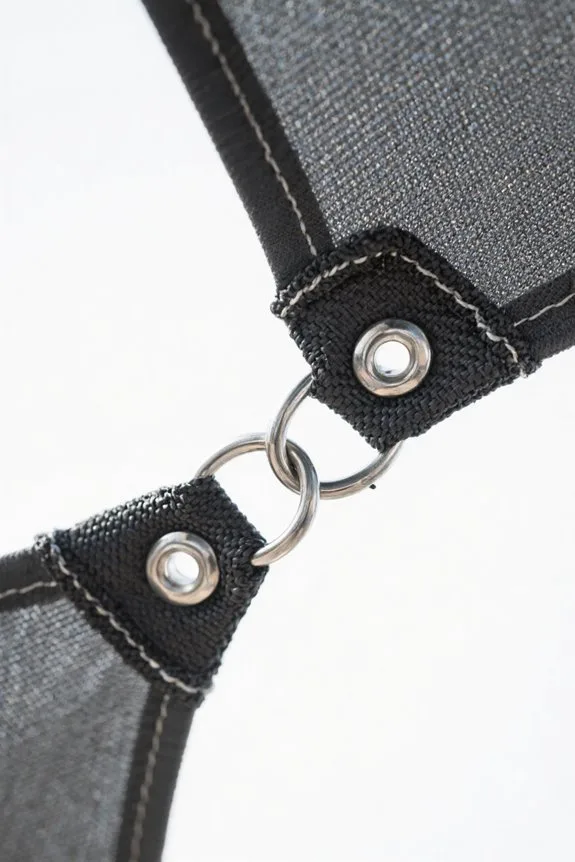
When planning outdoor enhancements, consider shade sails for their effective UV protection, blocking up to 98% of harmful rays to safeguard skin and furniture. Install shade sails to create versatile outdoor shade, maximizing space usability during peak sunlight hours. Choose designs that fit the area’s dimensions and anchor points; measure carefully to verify proper tension and avoid sagging. Expect an easy to install process using stainless steel hardware like turnbuckles, pad eyes, and snap hooks for a secure fit. Select shade sails crafted from durable materials, assuring longevity with low maintenance demands. Utilize water-resistant coatings for added usability in light rain. Follow manufacturer guidelines precisely, use a ladder safely, and check tension periodically to maintain peak performance and expand your outdoor living seasons efficiently. Opt for shade sails made from high-density polyethylene fabric for enhanced durability and superior UV protection.
Materials and Durability of Shade Sails
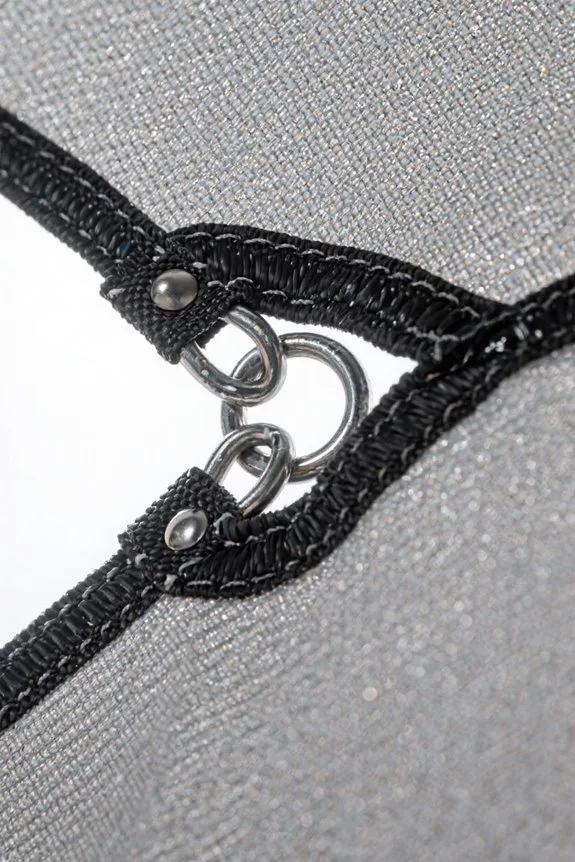
Focus on selecting shade sail fabrics that offer high UV resistance, blocking up to 98% of harmful solar radiation to protect skin and material integrity. Choose high-quality materials like PVC or woven fabrics such as SMonotec, engineered for durability against wind, rain, and sun exposure. Utilize corrosion-resistant metal fittings and frames to reinforce structural stability. Inspect the fabric for tears or fading regularly, clean it with mild detergent when dirt accumulates, and adjust tension to prevent sagging that compromises performance. Confirm warranty terms, typically spanning 10 to 15 years, to assess material longevity. Monitor weather conditions closely; remove fabric during extreme storms if necessary. Following these steps guarantees your shade sail remains robust and efficient, extending the outdoor living season with reliable, long-lasting UV protection. For optimal durability and UV protection, selecting shade sails made from high-density polyethylene materials above 200 GSM is highly recommended.
Recommended Products

𝗖𝗢𝗟𝗢𝗥 & 𝗦𝗜𝗭𝗘: Classic Series Features a Gray Frame, Fabric Color: Canvas Umber (solid), Size: 13' Wide x 10' Projection Full Extension. Advaning Awnings are 100% Fully Pre-Assembled and Ready for Installation.

【𝗦𝗨𝗣𝗘𝗥 𝗛𝗘𝗔𝗩𝗬 𝗗𝗨𝗧𝗬 𝗡𝗘𝗪 𝗣𝗔𝗧𝗘𝗡𝗧 𝗗𝗘𝗦𝗜𝗚𝗡】: Made of 260 GSM permeable extra heavy duty fabric, heavy duty stainless mounting rings, cable wires built-in edges, integrate into the mounting rings, all pulling strength goes to the cable wires, not only making the edges more durable, it also enhence the appearance of shade sail.

【𝗦𝗨𝗣𝗘𝗥 𝗛𝗘𝗔𝗩𝗬 𝗗𝗨𝗧𝗬 𝗡𝗘𝗪 𝗣𝗔𝗧𝗘𝗡𝗧 𝗗𝗘𝗦𝗜𝗚𝗡】: Made of 260 GSM permeable extra heavy duty fabric, heavy duty stainless mounting rings, cable wires built-in edges, integrate into the mounting rings, all pulling strength goes to the cable wires, not only making the edges more durable, it also enhence the appearance of shade sail.
Enhancing Summer Comfort With Shade Sails
To enhance summer comfort with shade sails, begin by selecting a UV-resistant fabric capable of blocking up to 95% of harmful rays, reducing sun exposure effectively. Install shade sails in areas with the highest sun exposure, ensuring coverage over patios or seating spaces to transform your space. Adjust sail angles throughout the day to address shifting sunlight, maximizing UV protection and maintaining cooler temperatures beneath, often 10–15°C lower. Use heavy-duty mounting hardware, such as stainless steel turnbuckles and anchor points, to tension the fabric properly, preventing sagging and pooling of rainwater. Regularly inspect for wear or stretching, and re-tension as needed to sustain ideal shade. By following these guidelines, shade sails enhance outdoor summer comfort, offering a durable, low-maintenance solution that extends use of outdoor living areas during peak heat. Selecting a fabric made of high-density polyethylene (HDPE) ensures durability and effective UV blocking for prolonged use.
Recommended Products

【𝗦𝗨𝗣𝗘𝗥 𝗛𝗘𝗔𝗩𝗬 𝗗𝗨𝗧𝗬 𝗡𝗘𝗪 𝗣𝗔𝗧𝗘𝗡𝗧 𝗗𝗘𝗦𝗜𝗚𝗡】: Made of 260 GSM permeable extra heavy duty fabric, heavy duty stainless mounting rings, cable wires built-in edges, integrate into the mounting rings, all pulling strength goes to the cable wires, not only making the edges more durable, it also enhence the appearance of shade sail.

【𝗦𝗨𝗣𝗘𝗥 𝗛𝗘𝗔𝗩𝗬 𝗗𝗨𝗧𝗬 𝗡𝗘𝗪 𝗣𝗥𝗢 𝗥𝗜𝗡𝗚】: Crafted from 260 GSM permeable heavy-duty fabric, featuring upgraded 2025 stainless steel mounting rings and integrated heavy-duty steel cables along the edges. This design channels all pulling forces through the steel cables, enhancing edge durability and improving the overall aesthetics of the shade sail

Wind-Resistant Protection: Pro-Tect tested and proven to withstand up to 100 mph winds*
Protecting Outdoor Spaces From UV Rays
Although outdoor enjoyment is desirable, take immediate steps to protect your space from harmful UV rays by installing high-quality shade sails made from UV-resistant fabric. Choose shade sails that block up to 98% of harmful UV rays to guarantee effective UV protection. Measure your outdoor spaces precisely, then position the sails based on the sun’s trajectory to maximize coverage throughout the day. Use stainless steel fixings and tensioning tools to secure the fabric firmly, avoiding sagging that reduces protection. Inspect and clean the fabric regularly to maintain UV-resistant properties and extend durability. Expect the shaded areas to remain about 10-15 degrees Celsius cooler, creating a comfortable outdoor environment. Follow these protocols carefully to shield your outdoor spaces reliably from harmful UV rays and enhance year-round usability. For the best results, opt for shade sails constructed from high-GSM HDPE fabrics, which provide durability, breathability, and excellent UV protection.
Using Shade Sails for Light Rain and Wind Shelter
Extend outdoor comfort by installing shade sails designed with water-resistant coatings for light rain protection. Measure your outdoor area accurately, then select durable shade sails constructed from high-density polyethylene with a waterproof membrane. Position shade sails at adjustable angles, ensuring water runoff directs away, preventing pooling on fabric surfaces. Use stainless steel tensioners and mounting hardware rated for wind loads to secure the sail firmly, creating an effective wind barrier. Consult a weather-resistant anchor point checklist for proper installation on posts or building walls, maintaining at least 2-3% slope for drainage. Inspect fabric tension regularly and adjust as needed, especially after storms. Follow these steps closely to expand shelter capability against light rain and wind, allowing year-round outdoor use without compromising durability or comfort. Additionally, regular hardware maintenance is essential to prevent rust and ensure long-term stability.
Recommended Products

【𝗛𝗘𝗔𝗩𝗬 𝗗𝗨𝗧𝗬】: our super ring shade sail exact 260 GSM permeable extra fabric, stainless mounting super rings, edges with cable wires built-in, integrate into the mounting rings, all pulling strength goes to the cable wires, making the edges more durable

【𝗦𝗨𝗣𝗘𝗥 𝗛𝗘𝗔𝗩𝗬 𝗗𝗨𝗧𝗬 𝗡𝗘𝗪 𝗣𝗔𝗧𝗘𝗡𝗧 𝗗𝗘𝗦𝗜𝗚𝗡】: Made of 260 GSM permeable extra heavy duty fabric, heavy duty stainless mounting rings, cable wires built-in edges, integrate into the mounting rings, all pulling strength goes to the cable wires, not only making the edges more durable, it also enhence the appearance of shade sail.

【𝗦𝗨𝗣𝗘𝗥 𝗛𝗘𝗔𝗩𝗬 𝗗𝗨𝗧𝗬 𝗡𝗘𝗪 𝗣𝗔𝗧𝗘𝗡𝗧 𝗗𝗘𝗦𝗜𝗚𝗡】: Made of 260 GSM permeable extra heavy duty fabric, heavy duty stainless mounting rings, cable wires built-in edges, integrate into the mounting rings, all pulling strength goes to the cable wires, not only making the edges more durable, it also enhence the appearance of shade sail.
Seasonal Versatility: Autumn and Spring Applications
When preparing outdoor areas for autumn and spring, install shade sails to manage fluctuating temperatures and unpredictable weather patterns. Secure the shade sails with stainless steel tensioners and sturdy posts spaced 3 to 5 meters apart, guaranteeing adequate clearance for airflow. Choose fabric rated for UV protection to block harmful rays while allowing sufficient natural light. Position the sails with a slope of at least 10 degrees for effective water runoff, handling light to moderate rain without pooling. Check tension regularly and tighten as needed to prevent sagging during windy conditions. By installing properly sized and angled shade sails, you enhance your outdoor lifestyle, maintaining comfort and usability. These measures guarantee seasonal versatility, extending use of patios and decks throughout autumn and spring, regardless of weather shifts. Additionally, incorporating durable materials ensures your shade sails withstand varying seasonal conditions effectively.
Customizing Shade Sails for Different Outdoor Areas
Begin customization by selecting the most suitable shade sail shape—triangle or rectangle—as this determines fitting options for patios, pools, or commercial spaces. Measure the area meticulously and specify custom dimensions to guarantee a precise fit with existing structures. Choose fabric types offering ideal UV protection and consider aesthetic appeal through color selection aligned with outdoor themes. Order shade solutions that balance durability, waterproof capabilities, and sunblock performance. Engage professional installation services to achieve correct tensioning and secure anchoring, which prevents sagging and maximizes coverage. Account for environmental factors such as wind load and seasonal sun angles during design. Confirm that mounting hardware and fabric specifications adhere to safety standards to extend outdoor living periods efficiently and comfortably. Additionally, maintain the shade sail by periodically inspecting the stainless steel D-rings and retensioning to ensure long-lasting durability.
Recommended Products

Premium Material: Our sun shade sail is made of 260 GSM high density polyethylene fabric. The fabric design effectively blocks direct sunlight and UV rays, while its breathable properties promote air circulation, enhancing comfort in outdoor environments.

Super Heavy-Duty Commercial Grade Design: Crafted from 280GSM extra-heavy-duty permeable fabric and reinforced with stainless steel mounting rings. The patented Artpuch design integrates steel cables into the edges, directing all pulling tension to the cables—enhancing both durability and appearance for commercial and residential use.

Commercial Grade Quality: Uv-protected high-density polyethylene, 100% virgin material. Shade fabric with strong stitched seam and durable stainless steel A-rings in each corner and cable wires built-in edges. Integrate into the mounting rings, all pulling strength goes to the cable wires, making the edges more durable.
Tips for Easy Installation and Setup
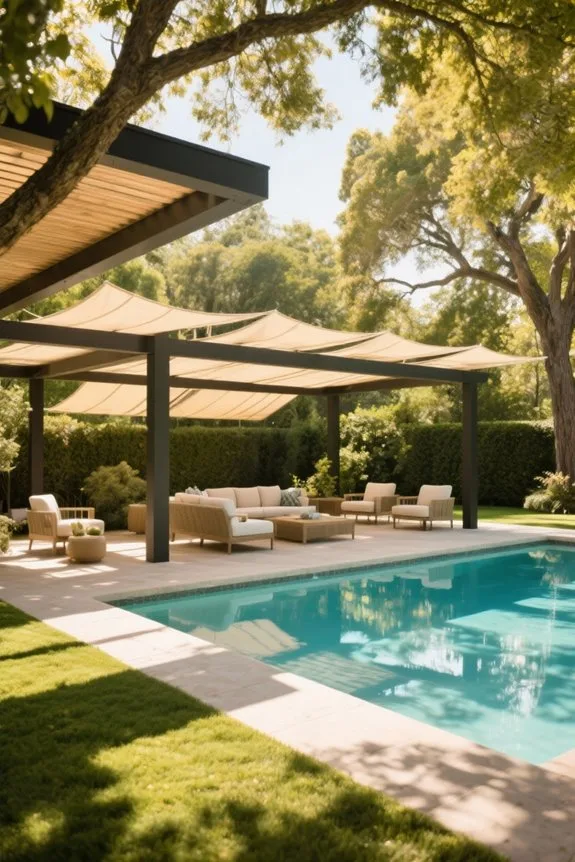
Although shade sail installation can seem complex, approaching it with organized steps guarantees a secure and durable setup. Begin by measuring the outdoor area accurately to determine sail dimensions and positioning. Choose sturdy anchor points such as posts, walls, or trees, and install compatible mounting hardware like turnbuckles, pad eyes, or eye bolts. Attach shade sails by fastening corners using tensioning devices to guarantee a taut surface; avoid sagging or water pooling by maintaining even tension across multiple points. Angle sails strategically to block afternoon sun and, when needed, overlap multiple sails to cover larger spaces and provide continuous shade. This easy install process requires basic tools such as drills, wrenches, and tape measures. Follow these steps carefully to achieve a functional and visually appealing outdoor coverage solution. For enhanced durability, consider shade cloths featuring reinforced edges and stainless-steel grommets to resist wear and facilitate maintenance.
Recommended Products

Super Heavy Duty Commercial Grade Design: Crafted from 280 GSM permeable extra heavy-duty fabric and reinforced with stainless steel mounting rings, KANAGAWA patented design integrates cable wires into the edges. This ensures all pulling strength is directed to the cable wires, enhancing both durability and appearance, making it ideal for commercial and residential use

Sunshades Depot Inc all new design "A" design corner head design for maximum pulling strength, with 7 x 19 Galvanized steel wire cable. Customize Sun Sail Made in USA With 8 inch Sun Sail Hardware Kit.
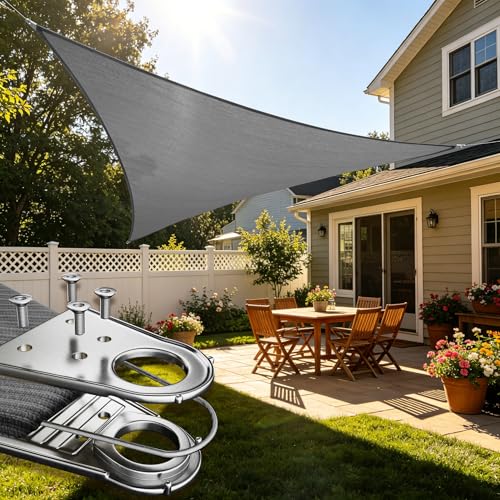
【𝗛𝗘𝗔𝗩𝗬 𝗗𝗨𝗧𝗬】: our super ring shade sail exact 260 GSM permeable extra fabric, stainless mounting super rings, edges with cable wires built-in, integrate into the mounting rings, all pulling strength goes to the cable wires, making the edges more durable
Maintaining Shade Sails for Longevity
Perform biannual cleanings of shade sails using a mild soap solution and a soft brush, scrubbing gently to avoid fabric damage. Inspect all seams and attachment points carefully during maintenance, addressing any frayed stitching or loose hardware immediately. Adjust tension in the mounting hardware routinely to prevent sagging and water accumulation, which can compromise durability. Remove debris and dirt thoroughly to maintain protective qualities and maximum appearance. Check for mildew or discoloration; apply specialized fabric cleaner if necessary. Replace worn or damaged fittings promptly to sustain structural integrity. Use a ladder rated for at least 250 pounds and appropriate gloves to guarantee safety during inspections. Follow these exact procedures to extend the lifespan of shade sails, maintaining their ability to provide effective protection and preserving outdoor comfort year-round. Regular maintenance guarantees prolonged functionality and aesthetic appeal. It is also important to inspect sail tension regularly and tighten it if necessary to avoid wear and ensure optimal performance.
Eco-Friendly Advantages of Shade Sails
Shift focus from upkeep to environmental impact, highlighting how shade sails contribute to sustainable outdoor living. Recognize that shade sails are designed using UV-resistant fabrics, which reduce heat absorption and lower surrounding temperatures by 10-15 degrees Celsius. Utilize their ability to decrease dependency on energy-intensive cooling devices, achieving measurable energy savings. Select sails made from recycled or recyclable materials to promote sustainability and reduce landfill waste. Install shade sails strategically to encourage outdoor activities, diminishing indoor energy usage. Embrace an eco-conscious lifestyle by integrating these sails into your property, minimizing solar heat gain and operational energy costs. Monitor material condition regularly to maintain UV protection efficiency, preventing premature degradation. Overall, leverage the eco-friendly advantages of shade sails by prioritizing environmental considerations alongside functional benefits in outdoor living spaces.
Planning Shade Sails With Sun Shadow and Solar Studies
When planning shade sails, begin by conducting a detailed solar study to map the sun’s trajectory throughout the day and year, using tools like a solar pathfinder or digital shadow analysis software to obtain precise data. Analyze sunlight direction, focusing on eastern and northeastern exposures during summer, to maximize sun protection. Use this data to design outdoor canopies that align with daily and seasonal sun patterns, ensuring your shade solution effectively blocks harmful UV rays. Calculate accurate measurements for sail tension and height, considering fluctuations in sun angles to maintain consistent coverage year-round. Select high-quality materials suited to these specifications, then install your shade sails to transform your outdoor space. Following these steps results in the ideal shade design, providing reliable sun protection while enhancing usability across all seasons.
Frequently Asked Questions
What Is the Disadvantage of a Shade Sail?
The disadvantage of a shade sail lies in material durability and limited shelter from rain. Proper installation tips and regular shade sail maintenance are essential to prevent sagging, mildew, and damage, despite offering excellent UV protection and varied design options.
How Much Do Shade Sails Stretch?
Shade sails typically stretch up to 10% during installation due to tensioning techniques. Stretching varies with shade sail materials and environmental exposure. Proper maintenance tips, design options, and UV protection help preserve shape and prevent sagging.
Should Shade Sails Be Taken Down in Winter?
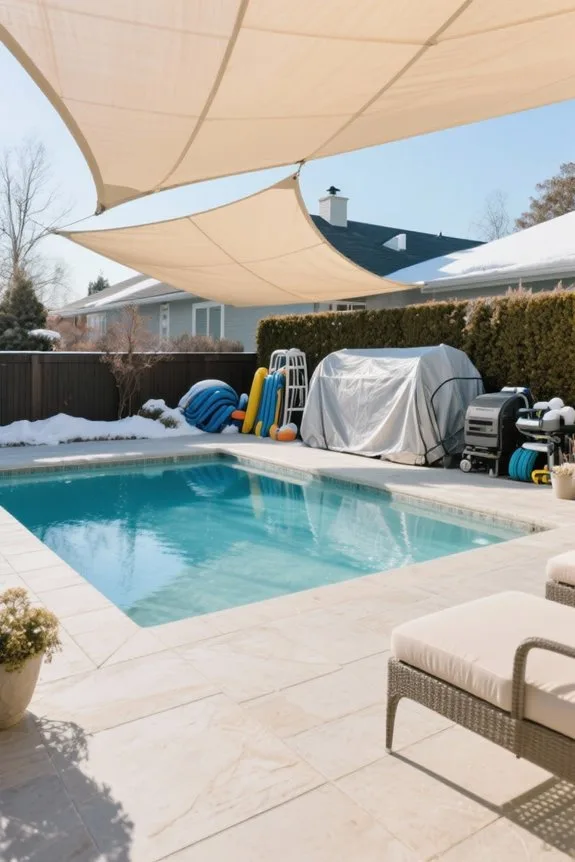
In anticipation of winter’s embrace, shade sail maintenance becomes essential. While fabric durability concerns exist, seasonal use recommendations advise removal during severe winter weather impact, ensuring safe storage practices to prolong their lifespan and prevent potential damage.
Can You Leave Shade Sails up All Year?
Shade sails can remain installed year round with proper weather resistance and secure installation. Seasonal maintenance and tension adjustments are essential for fabric longevity, preventing damage from sagging or harsh conditions while optimizing year round durability and performance.