As an Amazon Associate, we earn from qualifying purchases. Some links on this site are affiliate links at no extra cost to you. Our recommendations are based on thorough research and editorial judgment.

Heat-Related Illness Prevention With Sails

Maintain hydration by consuming at least two liters of water daily, increasing intake during heat or exertion, and monitoring urine color for dehydration signs. Apply reef-safe, SPF 30+ broad-spectrum sunscreen every two hours and wear lightweight, light-colored, breathable clothing with UV protection. Schedule sails for early morning or after 5 PM, ensuring cross-ventilation via open hatches and solar-powered fans. Monitor for heat stroke symptoms and cool affected individuals promptly. Follow these guidelines to optimize heat safety onboard, with more strategies outlined ahead.
Key Takeaways
- Schedule sails during early morning or evening to avoid peak heat between 12 PM and 5 PM.
- Wear lightweight, breathable clothing with UPF ratings and apply broad-spectrum, reef-safe sunscreen every two hours.
- Stay hydrated by drinking at least two liters of water daily and monitor for dehydration signs like dark urine.
- Maximize onboard ventilation by opening hatches, windows, and ports for cross-flow and using fans or solar ventilators.
- Recognize heat stroke symptoms promptly and move affected individuals to shade, cool them, and offer small sips of water.
Importance of Hydration on Board
You may be interested

Consistently consume at least two liters of water daily while sailing, adjusting intake upward during intense heat or physical exertion. Monitor your water intake carefully and implement hydration strategies that include both liquids and hydrating foods like watermelon or oranges to maintain electrolyte balance. Regularly inspect onboard water supplies, ensuring access to at least three days’ worth for emergencies. Track physical signs such as thirst, fatigue, and urine color—dark urine signals dehydration, requiring immediate increased fluid intake. Use insulated bottles to keep water cool and accessible. Avoid relying solely on thirst cues, as they lag behind actual hydration needs. Account for increased sweat loss during high temperatures or heavy exertion, increasing intake accordingly. Prioritize hydration strategies as a core part of sailing safety protocols to prevent heat-related illness effectively. Additionally, understanding the importance of temperature resistance in your equipment can contribute to overall safety and comfort during extreme conditions.
Choosing the Right Sun Protection
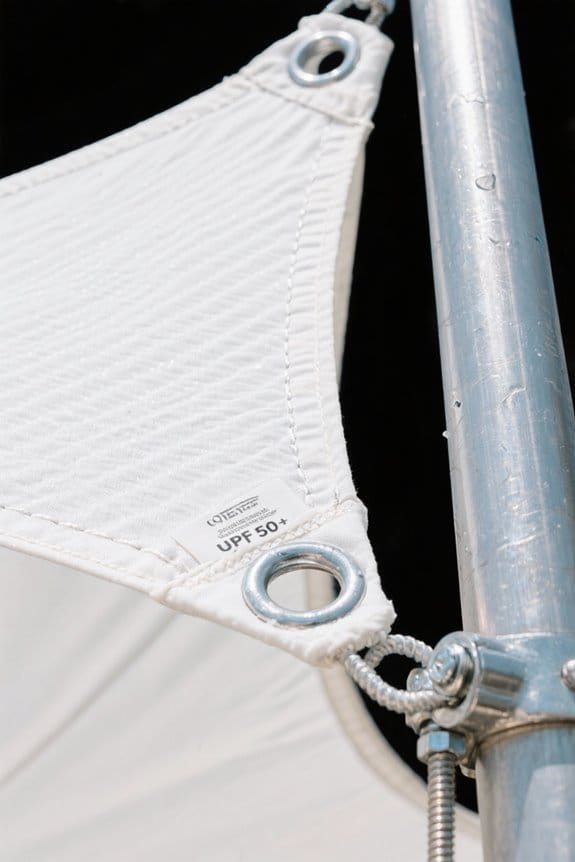
How should one approach sun protection effectively while sailing? Apply reef-safe, broad-spectrum sunscreen with an SPF of at least 30 every two hours, especially after swimming or sweating, to maintain adequate UV defense. Choose sunscreen types formulated for water resistance to prevent frequent reapplication. Wear protective gear including lightweight, light-colored clothing made from breathable fabrics like linen or moisture-wicking materials, reducing heat absorption and increasing comfort. Add a wide-brimmed hat and UV-blocking sunglasses to shield the face and eyes from harmful rays. Use sunscreen even on cloudy days since up to 80% of UV rays penetrate clouds. Seek shade during peak sun hours to minimize direct exposure. Consistently combining these measures guarantees thorough sun protection, reducing risks of burns and heat-related illnesses while sailing. Incorporating shade sails made from high-density polyethylene fabric can further enhance sun protection by blocking up to 95% of harmful UV rays during outdoor activities.
Recommended Products

Material: breathable and quick-drying,moisture wicking and cool, making you more comfortable when you are outdoors.

KEEPS YOU COMFORTABLE AND DRY: Silky and breathable fabric wicks moisture away from your skin, to be lightweight and quick drying

PREMIUM FABRIC: Ultra-soft, quick-drying fabric provides ultimate comfort and ultra-light breathability that actively wicks moisture away from your skin, keeping you dry, cool and comfortable during your workout
Optimal Sailing Times to Avoid Heat
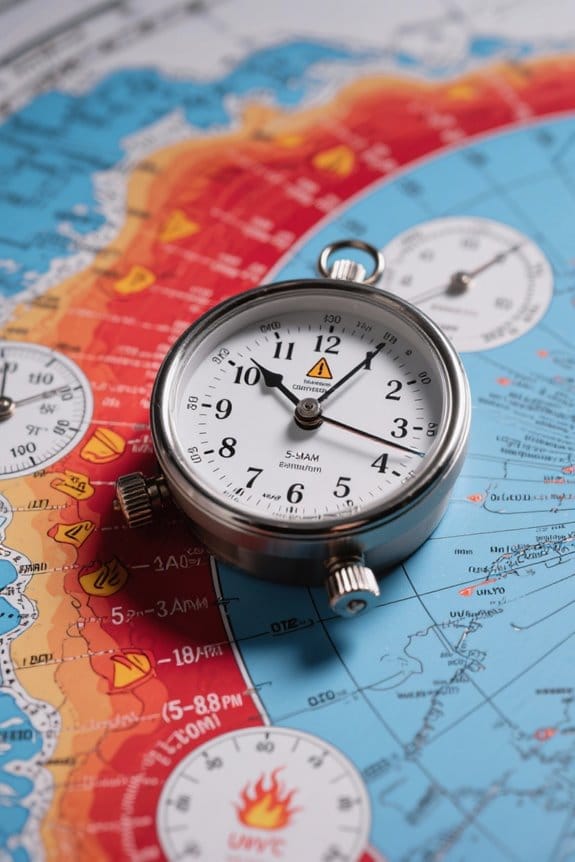
When should sailing activities be planned to minimize heat exposure? Schedule early morning sails before 12 PM when temperatures are cooler, reducing heat stress risk. Reserve peak heat hours from 12 PM to 5 PM for low-effort activities such as resting or swimming, avoiding intense sun and heat. Plan evening excursions after 5 PM to benefit from cooler air and diminished solar radiation. Check weather forecasts for wind speed and direction, aiming to sail under cooler, breezier conditions that enhance onboard ventilation. Use wind scoops or portable fans within the cabin during peak heat if activity is necessary. Integrate regular breaks in shaded areas, allowing the body to cool down. Follow this timing strategy consistently to manage heat exposure effectively and maintain safer, more comfortable sailing experiences. For added sun safety, consider installing reinforced shade sails to provide high UV protection during breaks or stationary periods.
Clothing Tips for Hot Weather Sailing
Although protecting the skin from intense solar radiation is critical, prioritize selecting lightweight, breathable fabrics such as cotton or synthetic moisture-wicking materials to enhance airflow and evaporative cooling. Choose light-colored, long-sleeved shirts and full-length pants to reflect sunlight while shielding skin from ultraviolet rays. Layer with specialized sailing jackets featuring UPF ratings for added protection, ensuring all layers remain lightweight to prevent heat retention. Equip yourself with a wide-brimmed hat and UV-protection sunglasses to safeguard the face and eyes from sun damage. Inspect clothing seams and fabric integrity before sailing; replace any damaged items to maintain effective sun defense. Adjust layering as temperatures fluctuate, removing or adding breathable layers to regulate core temperature effectively during extended periods on the water. To stay comfortable and safe, consider the durability and quality of your clothing materials as they play a key role in heat management and long-term wear.
Recommended Products

Polyester Material, Lightweight, Quick Dry, Moisture Wickingand Comfortable
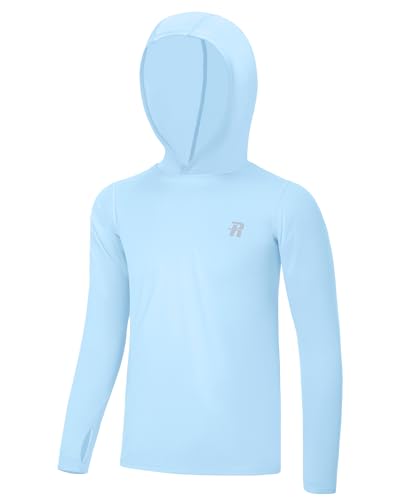
UPF 50+ Sun Protection:This sun-protective hoodie is made with advanced UPF 50+ polyester fabric that covers and protects your neck and upper body.It blocks harmful UVA and UVB rays to help protect your skin from UV damage,providing reliable protection during any outdoor activity
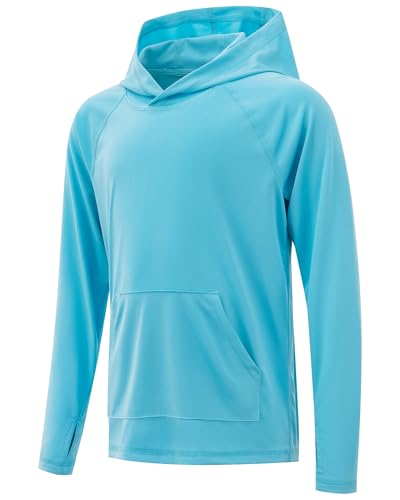
Hooded Design: The stylish hooded design of the boys rash guard provides greater protection for the head, neck and hands, can effectively block the sun, and fully protect the child's head and neck from UV damage
Incorporating Hydrating Foods in Your Diet
Expand your hydration strategy by incorporating water-rich foods into your diet, complementing fluid intake during hot weather sailing. Select hydrating snacks such as cucumbers, watermelon, and oranges, which contain over 90% water, aiding fluid retention. Include electrolyte-rich options like bananas and leafy greens to maintain electrolyte balance, critical for muscle function and preventing cramping. Prepare portioned servings in airtight containers to guarantee freshness on board. Alternate snacks throughout the day to sustain energy and hydration. Monitor for signs of dehydration despite eating hydrating foods; increase fluid consumption if necessary. Carry a small cooler or insulated bag to keep perishables safe in direct sunlight. Regularly replace supplies on multi-day trips to avoid spoilage, maintaining peak hydration status and supporting endurance during strenuous sailing conditions. Additionally, maintaining balanced water chemistry in your environment helps prevent heat stress and supports overall health.
Maintaining Proper Ventilation on the Boat
A variety of ventilation methods must be used to maintain ideal airflow on the boat, starting with opening multiple hatches, windows, and ports to establish effective cross-ventilation, especially during peak heat hours around midday to mid-afternoon. Employ fans and wind scoops strategically to boost air circulation within confined cabin spaces, preventing heat buildup. Inspect ventilation systems regularly, checking seals, ducts, and fans for obstructions or malfunctions. Integrate solar-powered ventilators to guarantee continuous airflow without draining battery power during extended trips. Designate shaded deck areas to reduce ambient temperature and improve overall comfort. Consistent airflow management reduces heat stress risks, lowers humidity, and maintains a breathable environment. Follow a maintenance schedule, addressing any airflow restrictions immediately, making sure ventilation systems operate at peak efficiency to safeguard health and comfort onboard efficiently. Utilizing solar functions in ventilators can automate airflow management and enhance user convenience during long journeys.
Recommended Products

[ SPECIFICATIONS ]: Model: SFSPV-04 | 900 cubic ft/h ventilation capacity | 1.2W solar panel | Cutout Diameter: 4-3/4" (120 mm) | Housing Material: ABS Plastic | Overall Dimensions: 8.53" x 8.53" x 3.92" | Waterproof Design | Low Noise Operation | Warranty: 4-Year Limited Warranty

there is no battery, no any on/off switch, only powered by solar panel.

[ SPECIFICATIONS ]: Model: SFSPV-01 | 900 cubic ft/h ventilation capacity | 1.2W solar panel | Cutout Diameter: 4-3/4" (120 mm) | Housing Material: ABS Plastic | Overall Dimensions: 8.53" x 8.53" x 3.24" | Waterproof Design | Low Noise Operation | Warranty: 4-Year Limited Warranty
Safeguarding Electronic Equipment From Overheating
Effective heat management is essential to safeguarding electronic equipment from overheating on board. Regularly perform electronic monitoring by checking temperature readings at least every two hours during peak heat conditions. Turn off non-essential devices promptly when not in use to reduce internal heat buildup. Guarantee proper ventilation by maintaining air gaps of 2–3 inches around electronics, and install solar-powered ventilators or fans to enhance airflow. Check cooling system functionality daily, inspecting hoses and coolant levels for engines and electronics alike, replacing worn parts as necessary. If temperatures exceed manufacturer-recommended thresholds, initiate immediate cooling measures, such as increasing ventilation or powering down vulnerable systems. Adhering to these steps prevents performance degradation and extends equipment lifespan, ensuring reliable operation amid challenging heat exposure. Additionally, just as cyanuric acid stabilizers protect pools from heat-related chlorine loss, managing temperature stability is key to prolonging the efficiency of electronic components in high-heat environments.
Signs and Symptoms of Heat Stroke
When individuals exhibit dizziness, nausea, flushed skin, rapid heartbeat, confusion, or fainting, immediately suspect heat stroke, a vital rise in core body temperature. Prioritize symptom recognition to differentiate heat stroke from heat exhaustion, which presents milder signs. Observe for altered mental status and inability to sweat despite heat exposure, both key indicators of advancing heat stroke. Avoid delay; inspect skin temperature thoroughly, checking for dryness or excessive warmth. Monitor pulse rate closely, as tachycardia signals cardiovascular strain. Instruct those around to report any worsening signs promptly, ensuring continuous evaluation. Do not underestimate subtle changes; early identification is essential for preventing severe complications. Maintain vigilance during high-heat conditions, especially following prolonged exertion or poor hydration, as these raise the risk for heat-related illnesses including heat stroke. Installing shade solutions such as retractable patio awnings can significantly reduce heat exposure and help prevent heat-related illnesses.
Immediate Actions to Take During Heat Stroke
Though heat stroke requires urgent attention, proceed methodically by moving the affected individual to a shaded or indoor location, avoiding direct sunlight to halt further temperature rise. Assess heat stroke symptoms such as confusion or rapid heartbeat, and immediately begin cooling efforts without delay. Offer small sips of cool water if the person is fully conscious, but do not force fluids if semi-conscious or unconscious. Apply cool, wet cloths to critical areas like the neck, armpits, and groin to enhance immediate cooling. Avoid cold water immersion to prevent shock; instead, use fans or evaporation techniques for gentle temperature reduction. Continuously monitor the person and call emergency medical services promptly if symptoms persist or worsen to guarantee appropriate heat-related illness treatment. Additionally, ensuring stability and safety features in your environment can help prevent accidents during heat-related emergencies.
Protecting Your Boat During High Temperatures
Since excessive heat can quickly compromise boat performance, consistently monitor the engine temperature gauge and electronic system readouts, noting any signs of overheating or warning alerts. Regularly inspect cooling system components, including raw water intakes, impellers, and thermostats, ensuring unobstructed flow and proper function. Employ boat shading techniques, such as deploying UV-protective canvas covers or portable bimini tops, to reduce direct solar radiation on exposed surfaces. Turn off non-essential electronic devices to minimize heat accumulation, and maintain strict ventilation for onboard electronics with fans or vents, preventing thermal stress. Routinely examine insulating materials around heat-sensitive equipment, replacing worn sections promptly. If engine temperature rises beyond safe limits, cease operation immediately, allowing the system to cool before troubleshooting. Diligent cooling system maintenance and strategic shading effectively protect boats during high-temperature conditions. Using UV protection shade sails can further enhance the reduction of heat exposure on your vessel.
Recommended Products

【UV Protection & Cooling】Made of 100% brand new High Density Polyethylene material and eliminate the use of splicing fabrics.Blocks up to 95% of harmful UV rays and direct sunlight exposure."Breathable" fabric allows air to pass freely and achieve a certain degree of cooling.

【UV Protection & Cooling】Made of 100% brand new High Density Polyethylene material and eliminate the use of splicing fabrics.Blocks up to 95% of harmful UV rays and direct sunlight exposure."Breathable" fabric allows air to pass freely and achieve a certain degree of cooling.

【About Installation】Please refer to the diagrams before purchasing. To ensure you buy the correct shade sail, you need to leave 0.5-1 ft of space for accessories to avoid buying an oversized shade
Managing Heat Exposure for Pets on Board
Extend heat management protocols to onboard pets by maintaining constant access to fresh water, refilling bowls promptly to prevent dehydration. Position portable pet-friendly sun shelters in shaded deck areas to implement onboard cooling strategies effectively. Limit pet activity during peak temperature hours, scheduling exercise early morning or late afternoon when heat is lower. Monitor pets closely for signs of heat stress, including excessive panting, drooling, or lethargy, and act immediately to cool them using damp cloths or shaded rest spots. Never leave pets unattended below deck or in confined spaces, as temperatures can rise rapidly, increasing risks. Apply pet sunbathing tips by allowing short, controlled exposure to sunlight while ensuring immediate access to shade and hydration, balancing warmth enjoyment with safety.
Staying Updated on Weather and Heat Alerts
When preparing for any voyage, continuously monitor weather forecasts and heat advisories issued by trusted sources such as NOAA or regional meteorological services. Regularly use weather resources like sailing apps and NOAA weather radios to receive real-time updates on temperature, UV index, and heat alerts. Track localized weather patterns carefully, particularly in areas prone to sudden heat waves or temperature spikes. Note that heat advisories vary by region, so familiarize yourself with local guidelines and safety recommendations before departure. Monitor the duration of sun and heat exposure closely, adjusting your sailing schedule accordingly. Take mandatory breaks when the heat index reaches high levels, and always have contingency plans ready to minimize prolonged exposure, ensuring safer voyages in challenging thermal conditions.
Recommended Products

NOAA Weather Scan & Alert - This emergency weather alert radio features S.A.M.E localized programming and alert you to over 60 kinds of weather hazards and emergencies. NOAA Weather Scan will automatically alert you of events.

High Visibility Floating Core - The perfect compact VHF radio for marine use on any size vessel, designed with a high-visibility orange floating core for buoyancy and easy retrieval if dropped overboard

PRETTY PORTABLE - The noaa radio is as portable as an iPhone, its compact size makes it easy to store in your emergency kit and backpack without taking up much space, and you can easily hold it with just one hand. Comes with a handy lanyard, it's convenient for you to listen.Dimensions: 4.7 x 2.8 x 1.2in, Weight: 0.24lb (exclude battery).
Frequently Asked Questions
What Is the Best Way to Prevent Heat-Related Illnesses?
The best way to prevent heat-related illnesses involves effective hydration strategies and acclimatization methods. Gradual exposure to heat combined with regular fluid intake helps maintain body temperature, reducing the risk of heat exhaustion and related complications.
What Is the New OSHA Rule for Heat Illness?
Like a conductor ensuring harmony, OSHA’s new rule orchestrates workplace safety by mandating heat stress prevention programs with water, shade, training, acclimatization, emergency plans, and incident tracking, ensuring employees remain protected and risks minimized.
What Is a Jha for Heat Illness Prevention?
A Job Hazard Analysis (JHA) for heat illness prevention is a systematic risk assessment identifying potential hazards related to heat exposure. It outlines strategies to mitigate risks, ensuring worker safety through preventative measures and awareness training.
What Are the Three Best Measures That Protect Workers Exposed to Heat and Sun?
“An ounce of prevention is worth a pound of cure.” The three best measures against heat stress are implementing hydration strategies, scheduling work during cooler hours, and enforcing protective clothing use to shield workers effectively under intense sun exposure.