As an Amazon Associate, we earn from qualifying purchases. Some links on this site are affiliate links at no extra cost to you. Our recommendations are based on thorough research and editorial judgment.


The 5 Best Pressure Pool Cleaners of 2026 – Keep Your Pool Sparkling Clean

To keep your pool sparkling clean in 2026, consider these top pressure pool cleaners: the INTEX ZX100, Upgraded Pool Pressure Side Sweeper, MAKHOON Upgrade, Pentair Kreepy Krauly Platinum, and Polaris Vac-Sweep 380. Each requires a specific booster pump and flow rate, usually between 2,100 and 4 Bar. Guarantee correct hose lengths reach all areas. Regularly check debris capacity, and maintain jets for peak performance. For further insights on setup and features, continue exploring the details.
Key Takeaways
- The INTEX ZX100 is ideal for above-ground pools, featuring a tangle-free hose and an easy-to-empty debris collection tray.
- For enhanced stability, the Upgraded Pool Pressure Side Sweeper utilizes a 4-wheel system and requires a booster pump for optimal performance.
- MAKHOON Upgrade Pool Pressure Side Sweeper showcases adjustable jet power and durable construction, designed for effective cleaning in various pool shapes.
- Pentair Kreepy Krauly Platinum employs dual thrust jets for heavy debris, with adjustable cleaning times to suit pool conditions.
- Polaris Vac-Sweep 380 effectively captures debris through a large inlet in under three hours, making it great for in-ground pools.
INTEX ZX100 Pressure-Side Automatic Pool Cleaner
Sale


INTEX 28006E ZX100 Pressure-Side Above Ground Automatic Pool Cleaner: for Bigger Pools – Cleans...
- ✔ CONVENIENCE OF AUTOMATIC CLEANING – Simply connect the pressure side cleaner to the pool inlet fitting with the 21ft non-tangle hose, turn on the filter pump and...
- ✔ POOL AND PUMP COMPATIBILITY – Designed for INTEX and other above ground pools up to 26ft diameter x 52in round pools or for 36ft x 12ft rectangular shape pools...
- ✔ NO DEBRIS IS LEFT BEHIND – Engineered with oversized wheels that rotate in one direction to maintain an efficient cleaning path all while it it easily picks up...

You may be interested
If you’re managing an above-ground pool up to 26 feet in diameter or 36 feet by 12 feet rectangular, consider the INTEX ZX100 Pressure-Side Automatic Pool Cleaner. Start by connecting the cleaner to your pump, ensuring it’s rated between 2,100 and 3,500 gallons per minute. Next, attach the 21-foot tangle-free hose and secure the swivel joint. Place the oversized wheels on your pool floor; they’ll navigate effectively. Periodically check the large-capacity collection tray for debris like leaves and dirt. When it’s full, simply remove and empty it. Regular use keeps your pool sparkling, ensuring a clean and enjoyable swimming experience.
Best For: Pool owners with above-ground pools up to 26 feet in diameter or 36 feet by 12 feet rectangular shape looking for an efficient cleaning solution.
Pros:
- Efficiently removes debris such as leaves, dirt, and bugs from pool floors.
- Equipped with oversized wheels for effective navigation.
- Large-capacity collection tray allows for easy debris removal.
Cons:
- Requires a pump rated between 2,100 to 3,500 gallons per minute, which may limit compatibility with some systems.
- May not be suitable for in-ground pools or smaller above-ground pools.
- Regular monitoring of the collection tray is necessary to maintain optimal performance.
Recommended Products

CLEANS IN 3 HOURS: Powered by a separate Polaris booster pump, dual venturi jets create strong vacuum power to reliably clean any in ground pool in 3 hours or less.

Upgrade & Improvement: The hose and machine components are crafted from high-quality plastics, rigorously refined and upgraded for long-lasting durability and reliable performance. (Please Note: The booster pump and pool water inlet MUST be equipped with a 1.5-inch female thread for connection and must provide 4 Bar water pressure. If you receive a product with quality issues or any missing parts, please contact us via Amazon for a replacement.)

NO BOOTSER PUMP NEEDED: This advanced pressure-side cleaner is powered by the water pressure coming from the pool's return line, propelling the 360 to eliminate pool debris. Retrofit Eyeball Kit (part number 9-100-8001) available to transition a standard return line into a dedicated return line for proper 360 propulsion.
Upgraded Pool Pressure Side Sweeper – 4-Wheel Professional Pool Cleaner

Upgraded Pool Pressure Side Sweeper – 4-Wheel Professional Pool Cleaner for Efficient Swimming...
- Efficient cleaning: The Amptyhub pool pressure side sweeper is designed to work longer and cover more ground, providing thorough and efficient cleaning of your pool.If...
- Easy maintenance: The Amptyhub pool pressure side sweeper is easy to maintain and keep in good working condition, ensuring it continues to perform at its best for years...
- 4-Wheel design: 4 wheel more stable than 3-wheel models, our improved the wheel problem, Stronger connections between components to ensure long-lasting performance and...
The Upgraded Pool Pressure Side Sweeper‘s 4-wheel design makes it an ideal choice for pool owners seeking enhanced stability and efficiency. First, install the cleaner in a threaded 1-1/2 inch female pipe fitting. Make certain you have a second booster pump and appropriate piping for peak operation, as this cleaner isn’t compatible with non-booster setups. Adjust the feed hose according to your pool’s size and shape for effective cleaning. Replace the debris bag using compatible 380 model parts as needed. Regular maintenance guarantees sustained performance, so keep a record of cleaning cycles, and don’t hesitate to reach out via Amazon for assistance.
Best For: Pool owners with booster pump setups seeking efficient and stable cleaning solutions for various pool sizes and shapes.
Pros:
- Enhanced 4-wheel design provides improved stability compared to 3-wheel models.
- Easy maintenance and compatibility with 380 model debris bag replacement parts.
- Allows for adjustable jet power direction for optimized cleaning efficiency.
Cons:
- Requires a second booster pump and specific piping for operation, making it unsuitable for pools without this setup.
- Installation may be complex for those unfamiliar with plumbing.
- Initial investment may be higher than non-pressure side cleaners.
MAKHOON Upgrade Pool Pressure Side Sweeper
Sale

MAKHOON Upgrade Pool Pressure Side Sweeper: Professional Solution for Cleaning Your Swimming Pool...
- Upgrade & Improvement: The hose and machine components are crafted from high-quality plastics, rigorously refined and upgraded for long-lasting durability and reliable...
- Efficient cleaning: The MAKHOON pool pressure side sweeper is designed to work longer and cover more ground, providing thorough and efficient cleaning of your pool.If the...
- Solving Hose Tangling: 1) For new arrivals, if the hose is coiled from shipping, simply straighten it and leave it on a sunny patio for 1-2 days. This allows the hose to...
For pool owners who prioritize efficiency and thorough cleaning, the MAKHOON Upgrade Pool Pressure Side Sweeper offers a robust solution designed specifically for professional-grade performance. To start, verify you have a dedicated 1.5″ female thread inlet for installation. Attach the sweeper to a pool booster pump with at least 4 Bar pressure. Straighten coiled hoses in the sun for 1-2 days to prevent tangling. Adjust the jet power direction to maximize cleaning coverage, allowing the unit to reach all corners of your pool. If you encounter issues, check for compatibility, and consult Amazon for replacement parts as needed.
Best For: Those who own older swimming pools with a dedicated 1.5″ female thread inlet and seek a powerful cleaning solution.
Pros:
- Efficient and thorough cleaning performance that covers more ground.
- Durable construction from high-quality plastics ensures long-lasting use.
- Adjustable jet power direction enhances cleaning capability for hard-to-reach areas.
Cons:
- Requires a specific 1.5-inch female thread inlet for proper installation.
- May not be suitable for pools lacking a dedicated water inlet, complicating installation.
- Potentially higher costs involved for setup in pools with incompatible configurations.
Pentair Kreepy Krauly Platinum Pressure-Side Automatic Pool Cleaner
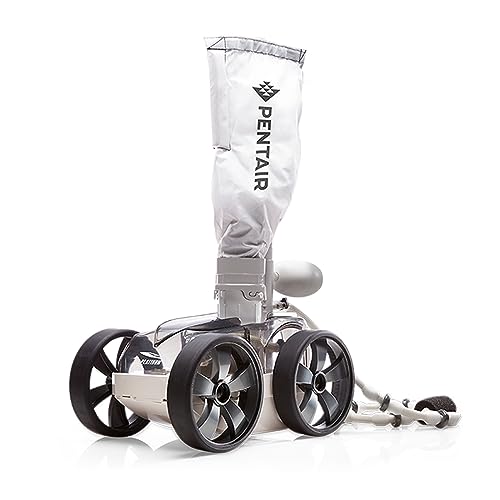
Pentair LL505PM Kreepy Krauly Platinum Pressure-Side Inground Automatic Pool Cleaner, White/Gray
- Pressure side cleaner for in-ground pools
- Cleans floors and walls
- Works with concrete/gunite, vinyl-lined, and fiberglass surfaces
Choose the Pentair Kreepy Krauly Platinum Pressure-Side Automatic Pool Cleaner for a robust solution tailored for pools with high debris levels. This cleaner effectively handles heavy debris like leaves with its powerful dual thrust jets. Attach it to your independent booster pump for peak performance. Measure your pool to confirm compatibility; it works well on concrete, vinyl-lining, and fiberglass surfaces. Adjust cleaning time between 1-3 hours based on debris load. Monitor the large-capacity debris channel for clogs during operation. If it tips, evaluate the four-wheel design, adjusting its position. Secure your warranty by contacting Pentair customer service upon purchase.
Best For: Those looking for an effective automatic pool cleaner designed for in-ground pools with high debris levels, such as leaves and landscaping challenges.
Pros:
- Powerful dual thrust jets enhance speed and suction for efficient cleaning.
- Large-capacity debris channel captures larger debris, reducing maintenance needs.
- Four-wheel design prevents tipping and ensures thorough floor and wall coverage.
Cons:
- Requires an independent booster pump for optimal performance, which may add to costs.
- Cleaning time can vary between 1-3 hours depending on debris load, potentially impacting convenience.
- May require monitoring for clogs in the debris channel during operation.
Recommended Products

SMALL AND MIGHTY SUCTION-SIDE CLEANER: The Zodiac MX6 connects to a dedicated suction line or through the pool's skimmer and delivers debris to the pool filtration system.
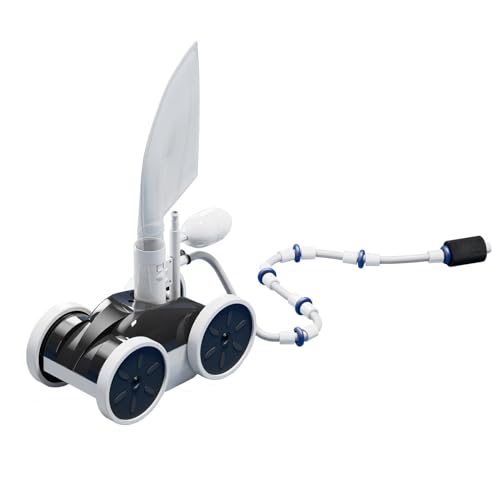
Efficient cleaning: The Makhoon pool pressure side sweeper is designed to work longer and cover more ground, providing thorough and efficient cleaning of your pool.If the machine cannot clean the entire pool, please adjust the jet power direction to suit your pool.

DIRT AND DEBRIS CANNOT HIDE: This Hayward pool vacuum cleaner has patented turbine vanes to prevent clogs and ensure maximum power at virtually any flow. Patented adjustable roller skirts maintain optimal suction on uneven surfaces
Polaris Vac-Sweep 380 Pressure Inground Pool Cleaner
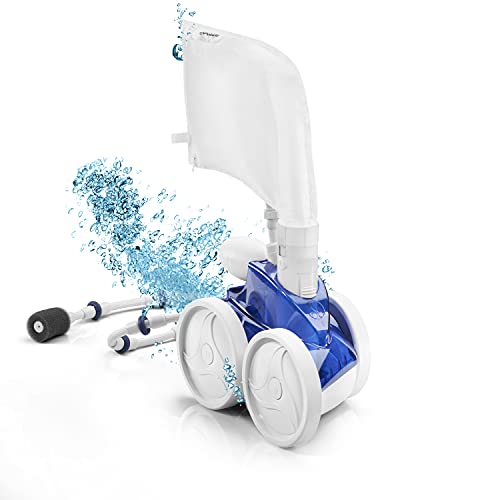
Polaris Vac-Sweep 380 Pressure Inground Pool Cleaner, Triple Jet Powered, 31ft of Hose with a Single...
- CLEANS IN 3 HOURS: Powered by a separate Polaris booster pump, 3 venturi jets create exceptional vacuum power to quickly clean any in ground pool in 3 hours or less.
- FOR IN-GROUND POOLS: Safe for all pool shapes and surfaces including vinyl, fiberglass, gunite, pebble, & tile.
- Complete Coverage: The Vac Sweep 380 moves fluidly as it sweeps & scrubs the floor and walls of your pool- while its large 2.25" inlet picks up large debris other cleaner...
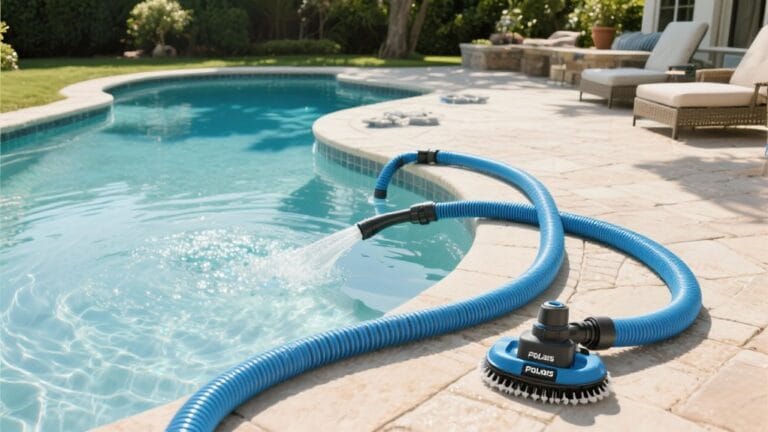
Experience unparalleled cleaning efficiency with the Polaris Vac-Sweep 380 Pressure Inground Pool Cleaner, perfect for pool owners seeking quick and thorough maintenance. To get started, connect your 31-feet feed hose to the cleaner. Make sure the booster pump operates to maximize the triple venturi jets‘ vacuum power. Watch as it efficiently cleans your in-ground pool in three hours or less. Observe how the large 2.25” inlet captures leaves, acorns, and pebbles that other cleaners often miss. Empty the single chamber filter bag regularly to maintain peak performance. Use it on various surfaces like vinyl and gunite without worry. Enjoy sparkling clean results!
Best For: Pool owners looking for a fast and efficient cleaning solution for in-ground pools of various shapes and surfaces.
Pros:
- Cleans any in-ground pool in 3 hours or less, ensuring quick maintenance.
- Compatible with multiple pool surfaces including vinyl, fiberglass, gunite, pebble, and tile.
- Features a large 2.25” inlet that effectively captures various debris types like leaves and pebbles.
Cons:
- Requires a booster pump for optimal operation, which may involve additional costs.
- The single chamber filter bag needs frequent emptying for peak performance.
- Not suitable for above-ground pools, limiting its use to in-ground installations only.
Recommended Products

This professional leaf terminator vacuum works excellent for removing leaves and debris from all pool types. The vacuum has a large 15" diameter durable ABS plastic body, and it comes with two reusable large all-purpose leaf bags. Helps keep your pool clean and ready for use.
Efficient cleaning: The Makhoon pool pressure side sweeper is designed to work longer and cover more ground, providing thorough and efficient cleaning of your pool.If the machine cannot clean the entire pool, please adjust the jet power direction to suit your pool.
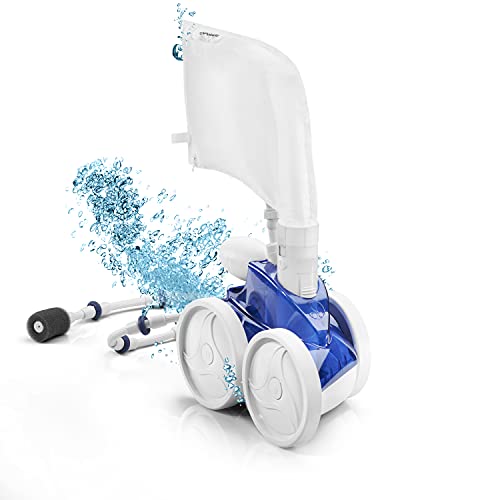
CLEANS IN 3 HOURS: Powered by a separate Polaris booster pump, 3 venturi jets create exceptional vacuum power to quickly clean any in ground pool in 3 hours or less.
Factors to Consider When Choosing a Pressure Pool Cleaner
When choosing a pressure pool cleaner, assess your pool size and surface type first, guaranteeing compatibility. Check the debris handling capacity to match your pool’s needs, and consider if a booster pump is necessary for maximum performance. Finally, evaluate the installation complexity to confirm you can set it up without hassle.
Pool Size Compatibility
Before you plunge into selecting a pressure pool cleaner, determine the size and shape of your pool. Measure the dimensions accurately. Some models clean pools up to 26ft in diameter, while others tackle larger areas. Check the compatibility with your pool’s depth and shape—circular pools often need different cleaners than rectangular ones. Consider if a dedicated booster pump is required, as this affects your plumbing setup. Verify the gallons per minute flow rate; confirm your pump meets the cleaner’s needs. Finally, check the length and design of the cleaner’s hose to ensure it reaches all areas, especially steps or varying depths. This guarantees efficient and thorough cleaning, saving you time and effort.
Cleaning Surface Types
Selecting the right pressure pool cleaner can considerably impact your cleaning efficiency, especially considering the surface type of your pool. First, identify your pool surface: concrete, vinyl, fiberglass, pebble, or tile. Check the cleaner’s specifications for compatibility with your chosen surface. For textured surfaces, opt for models with advanced wheel configurations and jet positioning to guarantee thorough cleaning. If your pool has high debris levels, select a cleaner with a larger capacity debris bag and powerful suction. This will help maintain consistent performance across all surface types. Finally, invest time in troubleshooting any navigational issues, adjusting settings, and regularly inspecting parts to keep your pressure pool cleaner functioning at its best.
Debris Handling Capacity
Understanding debris handling capacity is essential when you’re choosing a pressure pool cleaner. Look for models with larger capacity debris bags or collection trays—aim for at least 5-10 liters. This minimizes the need for frequent emptying, making your cleaning sessions more efficient. Choose cleaners with specialized inlets or larger hoses to enhance debris capture and prevent clogs. Test different models for their ability to handle both small debris, like dirt, and larger items, such as leaves or twigs; versatility is key. Inspect suction mechanisms and consider options with dual jets, which can tackle stubborn debris effectively. This way, you guarantee complete coverage while maintaining peak performance in various pool conditions.
Booster Pump Requirement
When choosing a pressure pool cleaner, factor in the necessity of a dedicated booster pump if your model requires one. Many pressure-side cleaners depend on this pump for ideal performance, which considerably enhances vacuuming capability. Check your cleaner’s specifications; most need a flow rate between 1.5 to 4 Bar. Operating without one can cause incomplete coverage and weak suction. If your pool doesn’t have a booster pump already, be prepared for increased installation costs. Look for models that allow hose length adjustment to improve compatibility, but always confirm they match your booster pump’s requirements. Finally, ascertain regular maintenance of the booster pump, as failure can lead to poor cleaning results.
Installation Complexity
Pressure pool cleaners come with varying levels of installation complexity, which can influence your choice considerably. Check the specific plumbing configurations needed. Some models require a dedicated booster pump for peak function, while others use standard 1-1/2 inch female pipe fittings. Assess your pool’s layout and existing plumbing for potential issues. For older pools, verify there’s a dedicated water inlet to avoid costly installation complications. Manage hoses carefully to prevent entanglement; adjustments may be necessary based on the pool’s design. Always review the manufacturer’s installation guidelines, as improper setup can affect the cleaner’s efficiency and lifespan. Follow these steps diligently to guarantee hassle-free operation and maintain a sparkling clean pool.
Cleaning Efficiency Features
Before you finalize your choice in a pressure pool cleaner, consider its cleaning efficiency features carefully. Look for models with specialized wheels or treads that can navigate different pool surfaces and obstacles effectively. Check for adjustable jet power direction, as this enhances cleaning based on the debris type. Confirm the cleaner can handle both floors and walls, utilizing dual thrust jets for maximum suction and sweeping. Opt for a large-capacity debris collection system; this allows longer operation before needing to empty it. Remember, some models can clean an entire in-ground pool in just 1-3 hours. Evaluating these features will improve your overall maintenance efficiency, making pool care straightforward and less time-consuming.
Maintenance and Parts Availability
Choosing the right pressure pool cleaner goes beyond efficiency features. First, confirm replacement parts like debris bags and hoses are readily available to minimize downtime. Check for models designed for easy maintenance; you want quick access to filters and fittings without complex disassembly. Next, opt for cleaners with a compatible parts ecosystem; this simplifies integration with replacement components. Additionally, verify customer support options—having assistance for maintenance issues is essential. Finally, evaluate the durability of materials; high-quality plastics contribute to a longer lifespan and reduce part replacements. Always keep spare parts on hand, and regularly check hoses and filters for wear. Taking these steps guarantees your pressure pool cleaner remains efficient and functional.
Frequently Asked Questions
How Long Do Pressure Pool Cleaners Typically Last?
Pressure pool cleaners typically last about 3 to 5 years. To maximize their lifespan, regularly check for clogs, clean the filter, and inspect hoses. Replace worn parts every year, focusing on wheels and brushes. Store the cleaner in a shaded area when not in use, avoiding harsh sun exposure. If you notice reduced suction or erratic movement, troubleshoot immediately. Timely maintenance not only extends life but also enhances performance effectively.
Can Pressure Pool Cleaners Handle All Pool Surfaces?
Yes, pressure pool cleaners can handle various pool surfaces, including vinyl, tile, and fiberglass. When using a cleaner, check the manufacturer’s specifications for compatible surfaces. For vinyl pools, use models designed specifically for gentle cleaning. If you encounter stubborn debris, increase the pressure setting, but be cautious not to damage delicate surfaces. Regularly inspect the unit’s wheels and brushes for wear; replace them if needed to maintain peak performance.
Are Pressure Pool Cleaners Energy Efficient?
Yes, pressure pool cleaners can be energy efficient. Look for models with variable speed settings, optimizing power usage based on cleaning needs. Check the energy rating; aim for ENERGY STAR certified devices. Consider using a solar pool cover to warm the water, reducing heating costs. Regularly inspect and clean the filter and jets; clogged components increase power consumption. Finally, maintain the cleaner’s wheels and tracks for efficient movement across all surfaces, minimizing energy waste.
Do Pressure Pool Cleaners Require Professional Installation?
No, pressure pool cleaners don’t require professional installation. First, unpack your cleaner and check for missing parts. Read the manufacturer’s instructions carefully. Connect the cleaner to your pool’s return jet or skimmer, depending on the model. Verify all hoses are securely attached, with no leaks. After setup, test the system for any operational issues. If the cleaner struggles to move, check for clogs or obstruction in the hose. Adjust as necessary.
What Maintenance Do Pressure Pool Cleaners Need?
To maintain your pressure pool cleaner, start by checking the filter regularly, ideally every two weeks. Clean or replace it if it’s clogged. Inspect the hoses for cracks or leaks, and replace them if necessary. Monthly, you should also clean the drive wheels and tracks with a soft brush. Finally, run a test cycle to guarantee everything’s functioning. If there are issues, consult the manual for troubleshooting and specific parts.