As an Amazon Associate, we earn from qualifying purchases. Some links on this site are affiliate links at no extra cost to you. Our recommendations are based on thorough research and editorial judgment.
Best Shade Sail Placement For Play Areas

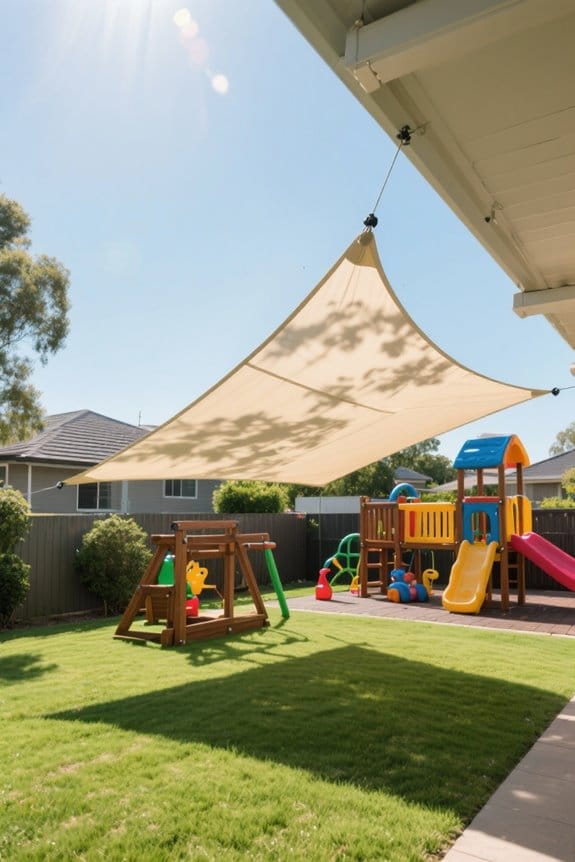
Map the play area’s dimensions, including equipment height and entry points, to determine shade sail placement. Assess sun exposure pathways seasonally and position sails to cover high-traffic zones, using durable 100% virgin HDPE fabric with reinforced seams for long-term UV protection and weather resistance. Anchor sails securely with stainless steel fittings, ensuring proper tension to prevent sagging under wind loads. Account for local wind patterns and safety compliance to maximize comfort and durability. Explore detailed installation tips to optimize performance further.
Key Takeaways
- Map the play area’s topography and sun path to identify optimal shade zones and anchor points for consistent seasonal sun coverage.
- Focus shade sail placement on high-traffic and entry areas to maximize shaded, comfortable play spaces without obstructing equipment use.
- Use commercial-grade, waterproof, and UV-blocking fabrics like 100% virgin HDPE for durable and effective sun protection.
- Position shade sails considering local wind patterns, using sturdy anchor points and maintaining fabric tension to prevent sagging and damage.
- Ensure shade installations comply with safety regulations, avoiding interference with fall zones and play equipment for a safe user experience.
Consider Your Landscape Layout
You may be interested
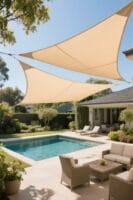
Begin by thoroughly mapping the landscape, noting topography and existing structures that influence sunlight exposure. Assess the sun’s path from morning to late afternoon to identify critical zones requiring playground shade. Focus on entry points and other high-traffic areas to maximize shaded spaces where outdoor activities occur frequently. Measure distances between equipment and potential mounting posts, accounting for local codes on shade sail placement, including height and setback requirements. Choose shade sails designed to minimize sun exposure while enhancing playground design aesthetics. Confirm coverage protects equipment from overheating and UV damage, maintaining safety and durability. Record all data meticulously to inform precise installation, using tools like a solar pathfinder and tape measures. Anticipate seasonal sun variations and adjust placement plans accordingly to sustain ideal shade throughout the year. Additionally, selecting shade sails made from high-density polyethylene ensures durable UV protection and improved outdoor comfort.
Selecting the Right Material
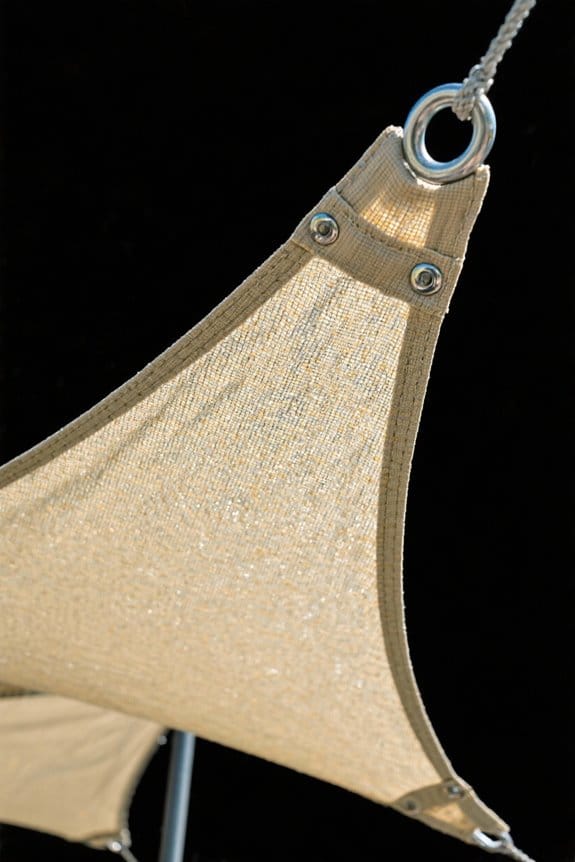
Material selection critically influences shade sail performance and safety in play areas. Choose waterproof fabrics like PTFE for durability in harsh weather, ensuring longevity for shade structures. Opt for high-density polyethylene to block up to 97% of harmful UV rays, providing effective UV protection under the playground canopy. Verify fire retardancy compliance to meet safety regulations and protect children from potential hazards. Select fabrics with varying translucence to balance light transmission, maintaining comfortable play conditions without sacrificing sun defense. Consider designs that reduce heat buildup, improving energy efficiency around play zones. Focus on materials suitable for commercial shade applications, guaranteeing robustness and extended use. Test samples under sunlight to check colorfastness and texture. Properly matched fabrics minimize maintenance and enhance safety, so prioritize these properties for peak playground canopy performance. Additionally, look for fabrics with reinforced seams and stainless steel D-rings to ensure long-term durability and corrosion resistance.
Recommended Products
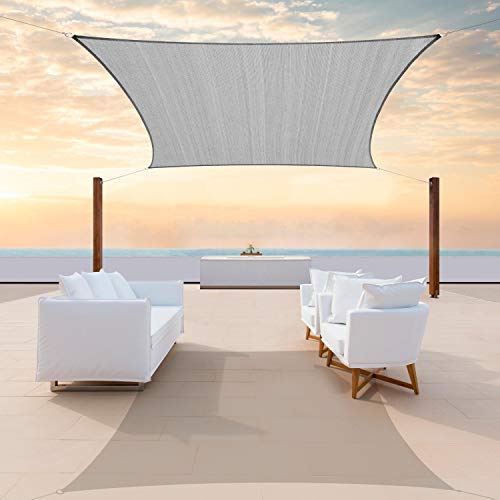
[Virgin, UV Stabilized Compound & Thick Material] The only sun shade sail on the market that are made of 190 GSM 100% virgin (Non-recycled) HDPE material. Our virgin HDPE fabric went through 20000 hours of laboratory UV testing and it is proved to be 70% more durable compared to recycled HDPE under sun exposure, fabric has been treated with UV stabilized compound, preventing shade sails from dried out, tearing and fading, significantly extend the lifespan.

✔ IPX 6 Waterproof - With 2 layers of PU coating, this 185GSM polyester shade cloth is anti light rain (not against heavy rain, winds or sonws, storms to avoid water-collection or rip), a great shade solution for your patio, deck, carport, yard, even for camping or beachside.
Commercial Grade Sun Sail Advantages
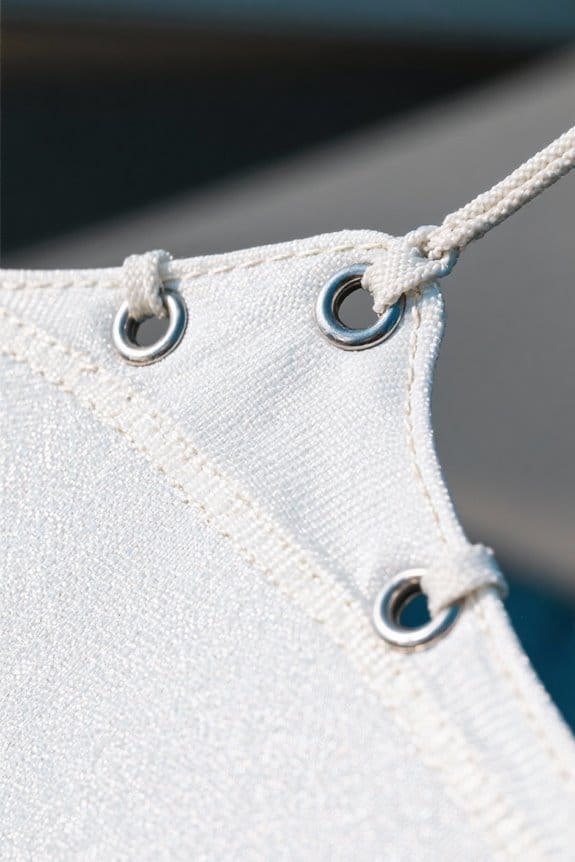
Though selecting an appropriate shade sail is essential, prioritizing commercial grade sun sails guarantees superior UV protection and durability for play areas. Choose commercial sails that block up to 97% of harmful sun rays, ensuring children stay safe from UV exposure. Opt for designs like triangles, squares, or cantilevers to fit the outdoor play area layout. Install sails that reduce temperatures underneath by 10-20°F, improving comfort and minimizing heat-related illnesses. Use heavy-duty materials resistant to tears and punctures, with reinforced edges and stainless steel hardware to withstand wind and rain. Arrange the commercial shade with proper tension to prevent sagging or flapping under wind loads. Maintain clear drainage paths to avoid water pooling, extending the sun sail’s functional lifespan in various weather conditions. For best performance, selecting High-Density Polyethylene (HDPE) fabric ensures breathability while providing excellent UV protection and durability.
Recommended Products

Custom-made & Durable: We offer custom sizing to fit any outdoor space. Crafted from 185GSM HDPE material with tight stitches and stainless-steel D-rings at each corner, it's built tough to resist wind and sun.

Durable & UV-Resistant: Crafted from HDPE fabric enhanced with UV-resistant particles to block 95% of UV rays. Equipped with stainless steel D-rings for secure and durable performance.

【UV Protection & Cooling】Made of 100% brand new High Density Polyethylene material and eliminate the use of splicing fabrics.Blocks up to 95% of harmful UV rays and direct sunlight exposure."Breathable" fabric allows air to pass freely and achieve a certain degree of cooling.
Measure for Optimal Coverage
Accurate measurement forms the foundation for peak shade sail coverage over play areas. Begin by measuring the entire play area’s length, width, and height, including all play equipment dimensions. Account for existing shade from nearby structures or trees to avoid redundant coverage. Mark critical points where the shade sail anchors will attach, ensuring distance and height allow for proper tension and clearance. Consider wind resistance; select shelter locations that reduce exposure to strong gusts, and plan anchor placements accordingly. Measure surface types, such as concrete or wood, as different bases require specific anchoring hardware to support the shade structure effectively. Verify your measurements twice, and use detailed sketches to visualize coverage zones. Properly executed measurements guarantee peak coverage, improving safety and durability by reducing sail movement and wear under environmental stress. Additionally, maintaining correct chemical balance around the area is crucial when any pool or water feature is present nearby to ensure overall safety and material longevity.
Recommended Products
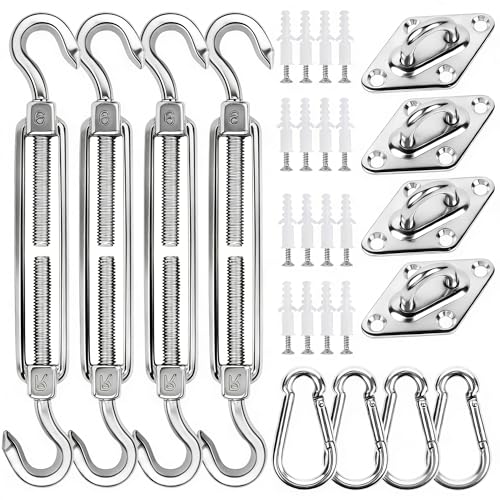
All-in-One Sun Shade Sail Hardware Kit: Our complete shade sail hardware kit includes everything you need for easy installation: 4 turnbuckles, 4 snap hooks, 4 pad eyes, 16 screws, and 16 expansion anchors. Ideal for sun shades outdoor patio, pergolas, awnings for patio, and outdoor sails for shade waterproof.

Premium Craftsmanship Durable: BUDONI shade sail hardware kit is crafted from premium 304 stainless steel with an anti-rust black oxide finish, providing excellent corrosion resistance and long-lasting durability for extended outdoor use. This sun shade hardware kit withstands rain, UV solar exposure, and strong wind, making it an ideal choice for securing shade sail. This shade sail hardware delivers reliable performance while adding a modern, high-end look to sun shades outdoor patio setups.

All-in-One Sun Shade Sail Hardware Kit: Our complete sunshade hanging kit includes everything you need for easy installation: 4 turnbuckles, 4 snap hooks, 4 pad eyes, 16 screws, and 16 expansion anchors. Ideal for sun shades outdoor patio, pergolas, awnings for patio, and outdoor sails for shade waterproof.
Assess Wind and Weather Conditions
Since wind and weather importantly impact shade sail performance, begin by analyzing local wind patterns using regional wind maps and meteorological data. Assess wind and weather conditions carefully to identify the right spot offering natural shelter and minimal wind exposure. Prioritize durable options, such as heavy-duty fabrics and reinforced seams, especially in areas prone to strong gusts. Consider retractable sails for flexibility during severe weather. Confirm sail orientation and elevation improve wind resistance without compromising coverage. Regularly inspect fabric tension and attachment points for wear, preventing failures that risk safety for playground users. Document expected wind speeds and gust frequency to guide material selection. Avoid lightweight structures in exposed zones, as these can quickly degrade. This detailed approach guarantees the shade sail withstands the elements, maximizing protection and durability throughout all seasons. Using fabrics with reinforced seams and stainless steel D-rings enhances the shade sail’s ability to resist wear under strong weather conditions.
Think About Anchoring and Installation
When planning shade sail installation, begin by evaluating the ground type and surrounding structures to determine suitable anchor points that can withstand sustained wind pressure. Select anchors compatible with the surface—use expansion bolts for concrete, lag screws for wood, and specialized fittings for masonry. Measure installation height carefully to maintain adequate clearance above play equipment, preventing interference with activities. Apply proper tensioning techniques during installation, tightening the fabric evenly to resist wind forces and minimize flapping. Confirm the posts or structures are spaced correctly to support the shade structure without sagging or excessive strain. Double-check all hardware and connections for stability, addressing any movement or looseness promptly. Proper anchoring and methodical installation will greatly enhance the durability and safety of the shade sail, even under challenging weather conditions. It is also essential to use high-quality stainless steel components to ensure long-lasting corrosion resistance and strength.
Recommended Products

Ultimate All-Weather Durability: Experience unmatched reliability with BUDONI's Shade Sail Hardware Kit, designed exclusively for outdoor use in every season. Crafted from premium 304 stainless steel, resistant to rust and corrosion. It's engineered to endure high winds and harsh conditions, making it a steadfast companion for your patio deck shade sail. Enjoy the safety and durability of BUDONI's Shade Sail Hardware Kit, ideal for any outdoor area and a top choice for reliable shade solutions.

Sun Shade Hardware Kit Heavy Duty- This 6" rectangle outdoor shade sail installation kit is made of high quality 304 grade stainless steel. with maximum corrosion resistance and durability, The sun shade hardware kit triangle is extremely strong and resistant to the elements, High load-carrying capacity to keep your sails stable in wind, suitable for windy areas or large fixtures such as sun shade sail, canopy.

Heavy Duty & Premium 304 Stainless Steel: Our shade sail hardware kit is crafted from high-quality 304 marine-grade stainless steel, delivering exceptional strength, durability, and corrosion resistance. Every component—from turnbuckles to wire ropes—is built to withstand harsh outdoor conditions, ensuring long-lasting, rustproof performance. The sleek silver finish is neutral and versatile, blending seamlessly with any patio, garden, or outdoor decor.
Design Ideas for Play Area Shade
Begin by mapping the sun’s trajectory across the playground throughout the day to determine where shade is most necessary during peak UV hours. Prioritize placing triangle shade sails for flexible coverage, especially where complex angles require dynamic sun shade solutions. Incorporate natural elements, such as trees, to augment shade structure effectiveness without increasing surface heat. Consider hip-end canopies for large areas to provide continuous ideal shade, ensuring the entire play zone remains protected. When designing your shade, customize sail dimensions to avoid interference with play equipment and fall zones, maintaining safety compliance. Anchor points must be strategically positioned to support tension without encroaching play space. Evaluating these factors systematically results in efficient, safe, and comfortable play areas, maximizing usability and sun protection simultaneously. Choose fabrics made from 100% virgin HDPE material to ensure durability and effective UV blockage for long-lasting shade solutions.
Recommended Products

【About Installation】Please refer to the diagrams before purchasing. To ensure you buy the correct shade sail, you need to leave 0.5-1 ft of space for accessories to avoid buying an oversized shade

High-Quality Construction: Made with 185 gsm high-density polyethylene (HDPE) shade fabric; features well-stitched seams and sturdy stainless steel D-rings in each corner for lasting durability

【ADVANCED HEAT REDUCTION】 Crafted from premium 200 GSM High-Density Polyethylene (HDPE), this shade sail lowers ambient temperatures by up to 15°F. The permeable fabric allows refreshing breezes and rainwater to flow through freely, effectively preventing heavy water pooling and keeping your patio cool.
Frequently Asked Questions
How to Position a Shade Sail?
How can one optimize comfort and safety when positioning a shade sail? Position it considering shade sail materials, colors, and designs. Secure with proper shade sail anchors, follow shade sail installation guidelines, and guarantee ongoing shade sail maintenance for durability.
What Is the Best Angle for a Shade Sail?
The best angle for a shade sail is 30 to 40 degrees, balancing ideal light and sun exposure. This angle maximizes user comfort, minimizes wind effects, and guarantees durability. Installation tips include anchoring higher on the sun-facing side.
What Is the Disadvantage of a Shade Sail?
“Every cloud has a silver lining,” yet shade sails face durability issues from UV exposure and weather resistance challenges. Installation challenges, maintenance requirements, cost considerations, and aesthetic impact also present disadvantages that users must carefully weigh before committing.
What Is the Best Height for a Shade Sail?
The best height for a shade sail typically ranges from 10 to 12 feet, balancing ideal installation with height measurements that guarantee sun coverage, wind resistance, safety standards compliance, and material considerations for durability and functionality.