As an Amazon Associate, we earn from qualifying purchases. Some links on this site are affiliate links at no extra cost to you. Our recommendations are based on thorough research and editorial judgment.

Weatherproofing Outdoor Décor Under Shade Sails

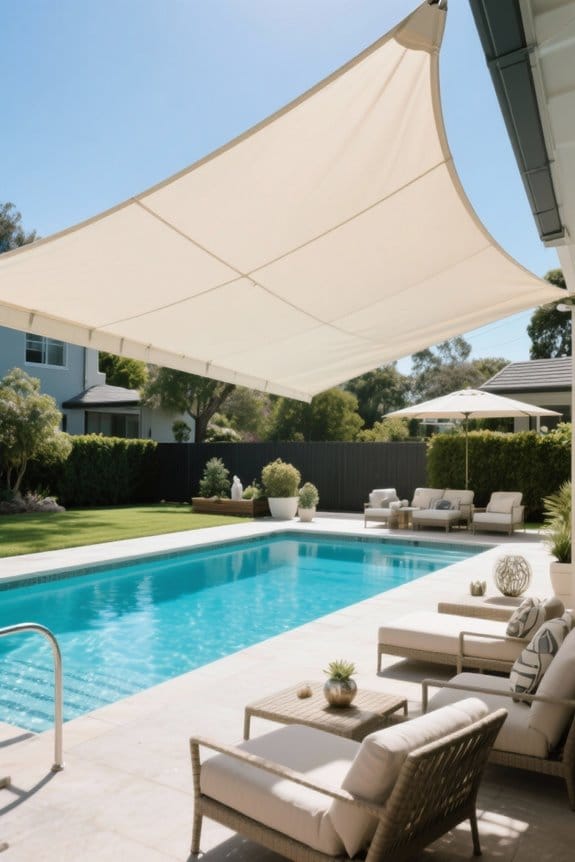
Select weather-resistant furniture made from teak, powder-coated aluminum, or HDPE for outdoor use. Choose cushions with moisture- and UV-resistant solution-dyed fabrics to prevent mold and fading. Anchor shade sails using stainless steel hardware, positioning them at least 8 feet high with a 15-degree pitch to guarantee proper water runoff. Inspect and tighten all fittings monthly, clean sails with mild soap, and store them during storms to extend lifespan. Following these guidelines will help maintain durable, vibrant outdoor décor under shade sails.
Key Takeaways
- Use weather-resistant materials like HDPE, teak, and powder-coated aluminum for outdoor furniture to avoid damage from moisture and UV exposure.
- Choose cushions with solution-dyed, moisture-resistant fabrics to prevent mold and mildew under shade sails.
- Install shade sails with a minimum 15-degree pitch and robust rust-proof hardware to ensure water runoff and long-term stability.
- Regularly clean and inspect shade sails and décor for wear, UV damage, mold, and rust to maintain appearance and durability.
- Store cushions and smaller items in ventilated containers during heavy rain or storms to prolong their lifespan.
Selecting Weather-Resistant Materials for Outdoor Furniture
You may be interested
When selecting outdoor furniture, prioritize materials specifically engineered to withstand environmental stressors like moisture, UV exposure, and structural deformation. Opt for teak or eucalyptus to resist warping and fading, or powder-coated aluminum for rust-free durability in your outdoor living area. Incorporate high-density polyethylene (HDPE) furniture to endure extreme weather without cracking or color loss. Verify cushions use solution-dyed acrylic or polyester fabrics to maintain color and resist mold in humid conditions. Select furniture with protective coatings to enhance waterproofing, essential when adding shade sails that trap moisture underneath. Utilize stainless steel or galvanized hardware to prevent corrosion, maintaining structural integrity over years. Confirm all components meet the necessary weatherproof standards, and inspect regularly for early signs of damage to extend furniture lifespan effectively in your shaded outdoor space. For optimal longevity, prioritize materials with corrosion resistance to withstand exposure to the elements.
Recommended Products

【DURABLE MATERIAL】This side tables are made of recycled plastic HDPE material that is more weather resistant than other poly lumber table.HDPE is an eco-friendly solution to wood.Weatherproof, heavy-duty construction withstands a range of environmental stressors,Weatherproof, heavy-duty construction withstands a range of environmental stressors

Simple & Practical: Closed armrest and leg design makes the chair simple but modern and no need to worry about the rattan falling off when they are used after a long time.

【Generous Seating Dimensions】 Built for ultimate comfort, our patio sofa features a 30.8-inch backrest. The 31.5-inch seat width and 27.5-inch seat depth offer more space than typical patio furniture, ensuring ample room for users of all sizes to stretch out fully. Compared to the industry average of 24–26 inches for seat depth, our design provides significantly more space, making your relaxation experience truly luxurious.
Benefits of Moisture-Resistant Fabrics for Cushions
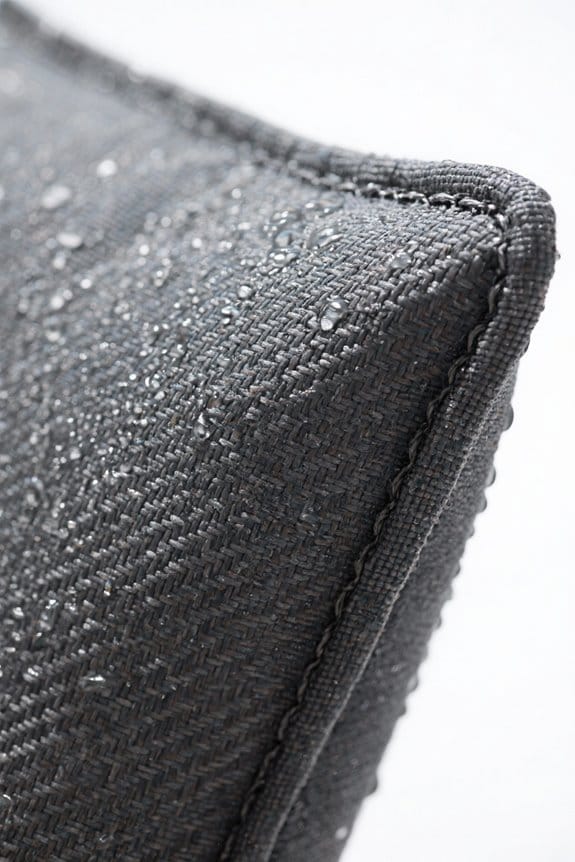
Choose cushions with moisture-resistant fabrics such as solution-dyed acrylic or polyester to enhance outdoor furniture performance. Select these materials because they repel water, dry rapidly, and resist mold and mildew, essential for outdoor longevity. Clean cushions routinely using mild soap and water to maintain freshness and prevent dirt accumulation. Position cushions to minimize prolonged exposure to direct sunlight, which can still degrade fabric integrity despite moisture resistance. Inspect cushions monthly; if dampness persists after rain, remove covers and air-dry thoroughly to avoid mildew. Store cushions in ventilated containers during heavy rain spells. Utilize moisture-resistant fabrics to retain color vibrancy and structural soundness, ensuring practical, long-term usage. Prioritize these cushions under shade sails to maximize comfort and durability, allowing outdoor spaces to remain inviting regardless of weather conditions. Additionally, pairing moisture-resistant cushions with breathable shade sails enhances airflow, keeping outdoor seating areas cooler and more comfortable.
Recommended Products

Made with bamboo viscose, these ankle socks offer excellent moisture-wicking and odor-resistant properties. The mesh design on the top enhances breathability, keeping your feet cool and dry even during intense workouts or hot summer days.

A long-lasting, easy-on-the-knees foam cushion great for gardening, cleaning, and construction project

Size Selection - Designed to fit most standard patio dining and accent chairs, this cushion measures 18.5" x 16" x 3"(Always measure your chair seat width and depth before ordering. Cushions should match or slightly underfill the seat for the best fit).
Importance of UV Protection in Outdoor Décor
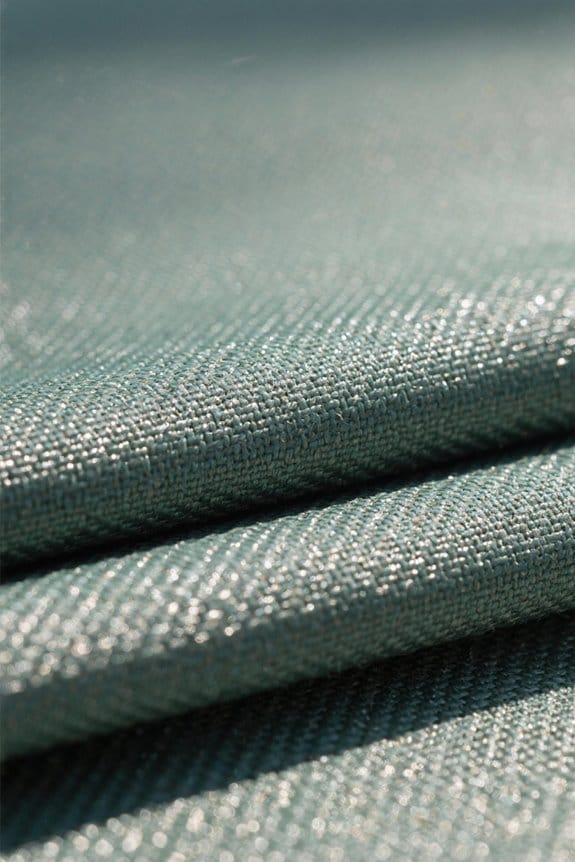
Although outdoor décor can enhance any exterior space, implement robust UV protection to prevent material degradation and color fading over time. Select materials engineered with high UV protection ratings to block up to 98% of harmful UVA and UVB rays. Inspect cushions, fabrics, and furniture periodically for early signs of discoloration or brittleness, replacing or treating items lacking sufficient UV resistance. Install shade sails at one end to maximize coverage and reduce direct sunlight exposure, maintaining the integrity of décor underneath. Remember, even premium UV-protected items degrade gradually; schedule routine maintenance and apply UV-protective sprays where applicable. Prioritize products labeled UV-resistant to avoid costly replacements, safeguarding both outdoor aesthetics and occupant health efficiently. Proper UV protection requires consistent evaluation and proactive care to maintain outdoor décor durability under constant solar exposure. Using shade sails constructed from high-density polyethylene (HDPE) fabric can provide effective sun protection by blocking at least 95% of UV rays.
Recommended Products

WATER REPELLENT SPRAY: One Scotchgard Outdoor Sun & Water Shield Fabric Spray, 10.5 oz can, that repels water and protects against the sun's UVA/UVB rays

12WT Bonded Polyester Outdoor Thread. Improved resistance to strength loss from UV exposure over standard polyester filament thread. No lint. No joint. Outdoor Living Thread

【No Tears】MR.COVER lawn chair cover adopt heavy duty Oxford fabric, which is featured with high material density and wear resistant, No Fade No Cracks, super durable and long lasting for years. It’s even tough enough to resist cat scratches
Techniques for Proper Shade Sail Anchorage
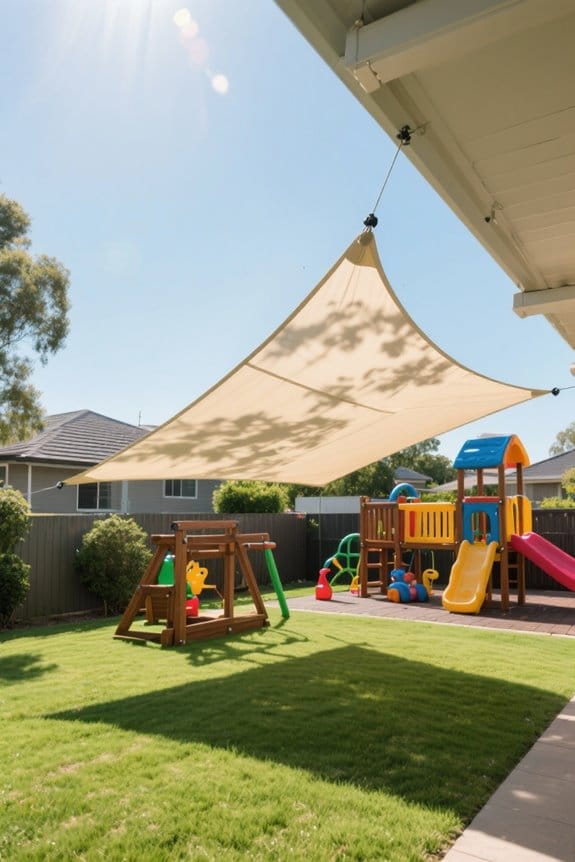
Guaranteeing proper shade sail anchorage begins with selecting robust, rust-resistant hardware such as stainless steel pad eyes or turnbuckles designed to handle dynamic loads. Identify strong anchorage points on walls or sturdy wood posts, avoiding weak materials prone to bending. Install the shade sail at a minimum height of 8 feet, maintaining a 15-degree pitch to guarantee efficient water runoff, preventing pooling. Attach tension cables or heavy-duty straps, tighten the sail gradually, and avoid over-stressing the fabric. Space anchorage points evenly, ideally 10 to 15 feet apart, adjusting based on sail size. Periodically inspect all hardware and anchorage points for corrosion or wear, replacing components promptly to sustain stability. Follow these steps carefully to secure your shade sail safely and extend its functional lifespan. Additionally, ensuring proper tension during installation is crucial to prevent sagging and maintain effectiveness.
Recommended Products
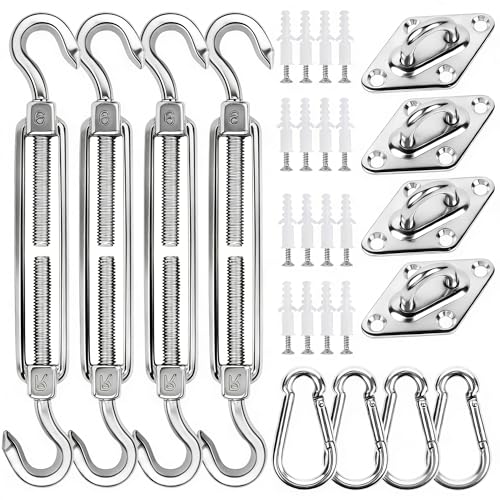
All-in-One Sun Shade Sail Hardware Kit: Our complete shade sail hardware kit includes everything you need for easy installation: 4 turnbuckles, 4 snap hooks, 4 pad eyes, 16 screws, and 16 expansion anchors. Ideal for sun shades outdoor patio, pergolas, awnings for patio, and outdoor sails for shade waterproof.

Ultimate All-Weather Durability: Experience unmatched reliability with BUDONI's Shade Sail Hardware Kit, designed exclusively for outdoor use in every season. Crafted from premium 304 stainless steel, resistant to rust and corrosion. It's engineered to endure high winds and harsh conditions, making it a steadfast companion for your patio deck shade sail. Enjoy the safety and durability of BUDONI's Shade Sail Hardware Kit, ideal for any outdoor area and a top choice for reliable shade solutions.

Sun Shade Hardware Kit Heavy Duty- This 6" rectangle outdoor shade sail installation kit is made of high quality 304 grade stainless steel. with maximum corrosion resistance and durability, The sun shade hardware kit triangle is extremely strong and resistant to the elements, High load-carrying capacity to keep your sails stable in wind, suitable for windy areas or large fixtures such as sun shade sail, canopy.
Maintaining Shade Sails to Enhance Durability
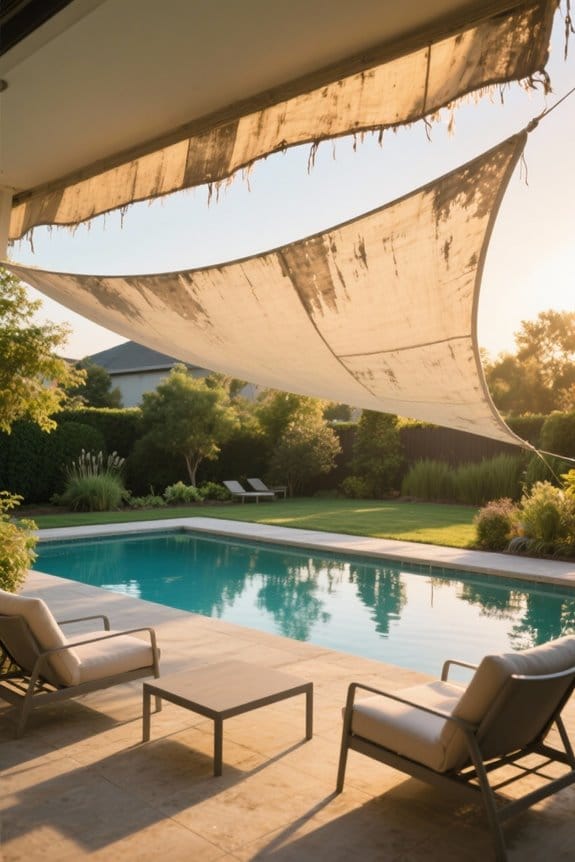
Maintain shade sails by cleaning them regularly with mild soap and water, removing dirt, mold, and mildew that degrade the fabric integrity. Inspect anchors monthly, tightening bolts and replacing rusted hardware to secure tension and prevent structural failure. Verify installation features a minimum 15-degree pitch for ideal water runoff, avoiding pooling that causes sagging or tears. Examine seams and edges for frays; use UV-resistant thread for timely repairs, halting damage progression. Remove the sails during storms or winter months, storing them in a dry, ventilated space to mitigate material fatigue. These routine steps are essential in maintaining shade sails, supporting longevity while complementing various shade ideas. Consistent upkeep maximizes weather resistance, keeps outdoor décor intact, and protects the investment in your outdoor living space. Additionally, choosing products constructed from high-density polyethylene can enhance durability and UV protection over time.
Tips for Preventing Mold and Mildew in Outdoor Spaces
How can outdoor spaces be optimized to minimize mold and mildew growth effectively? Confirm adequate airflow beneath shade sails by spacing furniture at least 2 feet apart, allowing humidity to dissipate. Select weather-resistant fabrics for cushions and decor to reduce moisture absorption. Clean shaded areas weekly, removing leaves, dirt, and spills that trap moisture. Inspect shade sails monthly for leaks or pooling water; repair promptly to prevent damp conditions. In enclosed patios, use dehumidifiers set between 45-55% relative humidity, or deploy oscillating fans to enhance air circulation. Position furniture off the ground on slatted surfaces to facilitate drying. Avoid overcrowding, which restricts airflow and promotes mildew. These combined steps, carried out diligently, create a protective environment against mold, preserving outdoor décor longevity under shade sails. Additionally, regular maintenance like cleaning debris from skimmer baskets can help improve water circulation and reduce moisture accumulation in nearby outdoor areas.
Recommended Products

Set of 2 cushions - Dimensions: 17 in W x 16 in L x 1.5 in T

🎁 Packing: Comes with 2 stylish square seat cushions 18.5"x16"x2", vacuum-packaged. Please give it 24-48 hours to expand to its proper size.
Coordinating Color Schemes for Sunlight Exposure
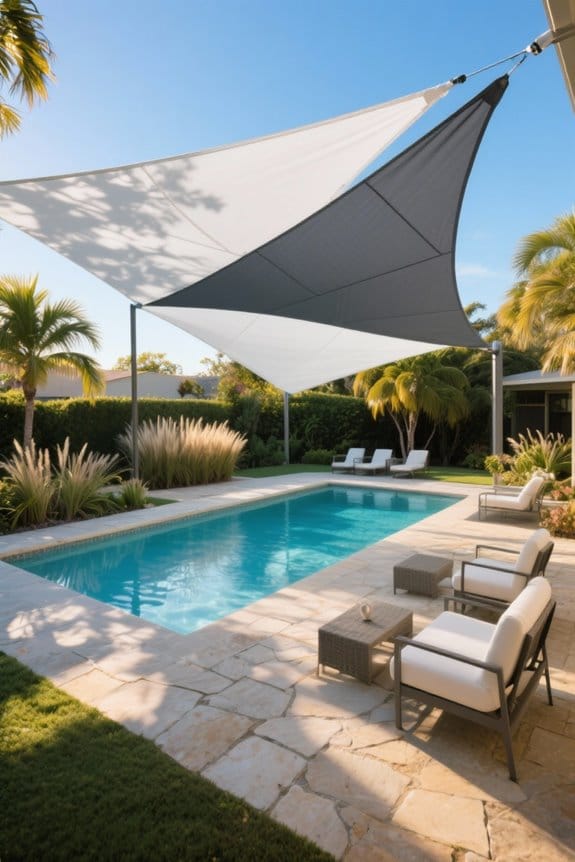
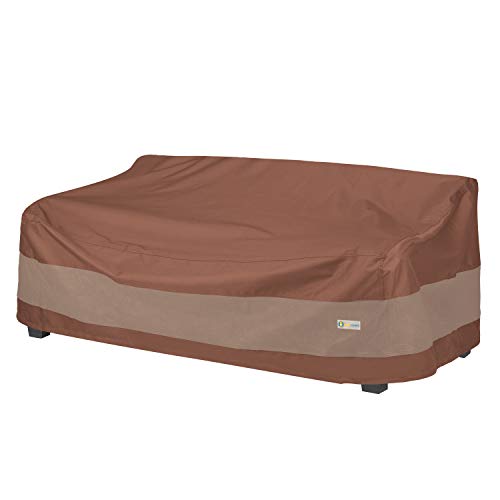
When coordinating color schemes for outdoor décor under shade sails, start by evaluating the existing architectural style and nearby landscape, selecting hues that harmonize with both elements to create visual cohesion. Match your sail color thoughtfully, considering how it influences light diffusion and heat retention. Choose fade-resistant fabrics with UV protection to maintain color integrity despite prolonged sun exposure. Opt for light, neutral tones where reflected sunlight keeps the space cooler; select darker shades only in well-shaded areas to create warmth without overheating. Test color swatches under actual sun exposure at different times of day, tracking changes in vibrancy and heat absorption. Regularly inspect colors seasonally, adjusting selections as sun angles shift. This systematic approach guarantees long-lasting, aesthetically consistent outdoor décor that responds effectively to local sunlight conditions and sail color effects. Additionally, using shade sails made from high-density polyethylene fabric ensures up to 95% UV blockage, enhancing the longevity of your outdoor color schemes.
Integrating Decorative Elements With Weatherproof Features
Select outdoor décor components engineered to endure exposure under shade sails, prioritizing materials with proven weather resistance. Use weather-resistant fabrics for cushions and pillows, choosing moisture-resistant types to prevent mold and mildew in humid conditions. Incorporate rust-proof metals and ceramics or tempered glass for tables and decorative objects, ensuring durability against moisture and temperature fluctuations. Install LED fixtures rated for outdoor use to maintain energy efficiency and resist water intrusion. Integrate weatherproof plants like succulents or hardy perennials, placing them in durable pots with drainage to avoid root rot. Arrange seating and décor to allow proper air circulation, reducing dampness buildup. Always verify product specifications for UV resistance and waterproof ratings, and replace damaged elements promptly to maintain aesthetic and functional integrity under shade sail coverage. Additionally, regular maintenance checks, similar to those recommended for durable components, help preserve the longevity and appearance of outdoor décor.
Seasonal Care for Outdoor Décor Under Shade Sails
Although shade sails provide significant protection, regularly clean and inspect all outdoor décor components for signs of mold, mildew, rust, or fabric degradation. Use a soft brush or mild detergent to remove surface dirt, paying close attention to seams and metal joints. Employ weather-resistant materials like UV-treated fabrics and rust-resistant metals to enhance durability. Adjust the shade sail’s pitch to facilitate water runoff, reducing snow or rain accumulation that stresses décor. Inspect alignment seasonally, since solar angles shift and affect coverage. During harsh weather, remove smaller items prone to wind damage or store them in secure, ventilated containers to prevent loss. These steps will maintain your outdoor décor’s condition, extend lifespan, and guarantee functional shelter beneath your shade sail throughout the year. Additionally, consider using rust-resistant steel components to enhance longevity and withstand outdoor elements effectively.
Frequently Asked Questions
How to Waterproof a Shade Sail?
To waterproof a shade sail, select durable shade sail materials with water-resistant properties and reinforced seams. Employ proper installation techniques, ensuring secure anchorage and adequate pitch for water runoff to prevent sagging and enhance durability.
Can Shade Cloth Be Waterproof?
Shade cloth materials are primarily designed for UV protection and ventilation, hence not inherently waterproof. However, some specialized shade cloth applications use treated or coated fabrics to provide waterproofing, enabling both sun and rain protection.
How Long Do Waterproof Shade Sails Last?
Waterproof shade sails endure like steadfast guardians, with a shade sail lifespan ranging from 5 to 15 years. Their material durability hinges on fabric quality, installation precision, and exposure to harsh environmental forces shaping their resilience.
How to Waterproof Shade Net?
To waterproof a shade net, one must select a net with water-resistant coating and UV protection. Proper shade net installation with an angled pitch facilitates drainage, enhancing shade net benefits by preventing water pooling and ensuring durability in varied weather conditions.