As an Amazon Associate, we earn from qualifying purchases. Some links on this site are affiliate links at no extra cost to you. Our recommendations are based on thorough research and editorial judgment.

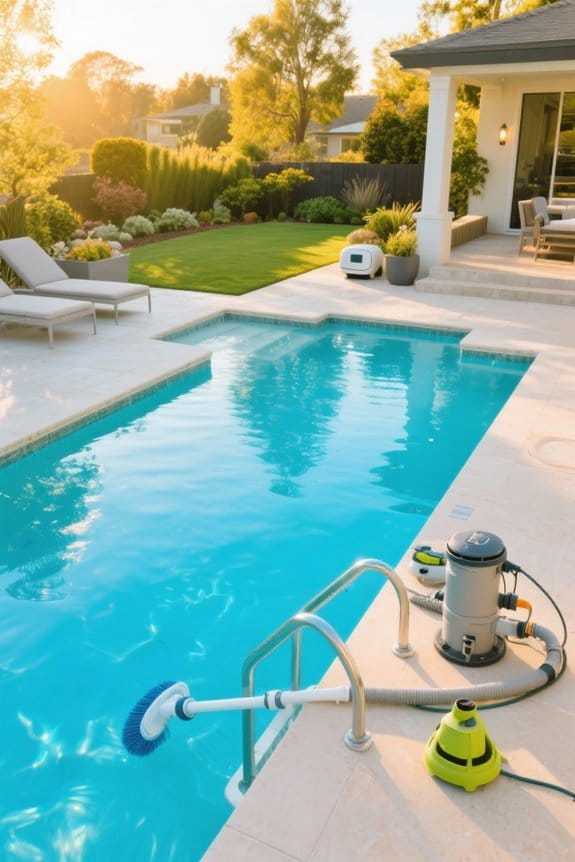
Energy-Efficient Ways to Clean Your Pool

Choose robotic pool cleaners under 100 watts for efficient debris removal without increasing energy bills. Immediately cover pools post-use to reduce evaporation by up to 70%, retain heat, and protect chemicals from UV damage. Install salt water chlorinators sized to pool volume, maintaining 2500-3500 ppm salt for effective sanitation. Use baking soda and Borax to balance pH and scrub surfaces naturally, and upgrade pumps to variable-speed models, scheduling operation during off-peak hours. Explore additional strategies to maximize pool cleaning efficiency and sustainability.
Key Takeaways
- Use robotic pool cleaners consuming under 100 watts for efficient cleaning and lower electricity bills.
- Cover the pool immediately after swimming to reduce water evaporation and maintain temperature, saving energy.
- Install salt water chlorination systems for energy-saving, automatic sanitization with reduced chemical use.
- Select appropriately sized, variable-speed pool pumps and schedule operation during off-peak hours.
- Utilize natural cleaning products like baking soda and Borax to decrease reliance on energy-intensive chemicals.
Robotic Pool Cleaners for Energy Savings
You may be interested

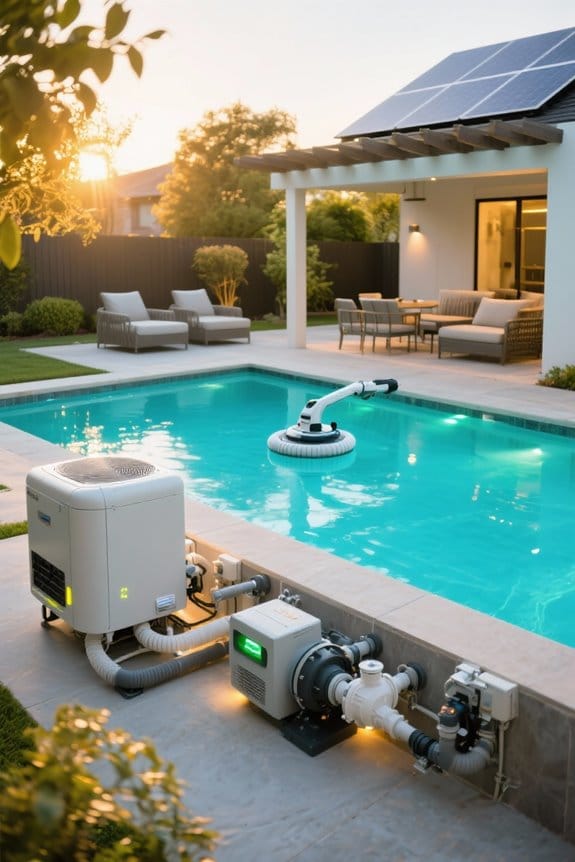
When selecting a robotic pool cleaner for energy savings, start by evaluating the model’s energy consumption specifications, targeting units that use less than 100 watts during operation. Choose energy-efficient equipment designed to greatly lessen impact on electricity bills. Use robotic pool cleaners that scrub floors, walls, and waterlines thoroughly, reducing manual labor and optimizing pool maintenance. Schedule cleaning cycles during off-peak hours to minimize energy use further. Confirm your cleaner operates independently, avoiding strain on pool filtration systems, which helps reduce chemical treatments. This minimizes chemical expenses and conserves water quality, supporting overall energy savings. Consistently clean your pool with robotic technology to maintain your pool efficiently while lowering operational costs. Adopt energy-efficient practices to maintain your pool’s cleanliness and reduce the energy footprint associated with traditional pool maintenance methods. Additionally, prioritizing a model with advanced navigation technologies can improve cleaning efficiency and reduce run time, further saving energy.
Recommended Products

Automatic Filter Cleaning — Industry-first cleaning station automatically rinses the filter and empties the debris bin by itself in just 3 minutes — for hands-free maintenance.Note: The cleaning station and robot are shipped separately.
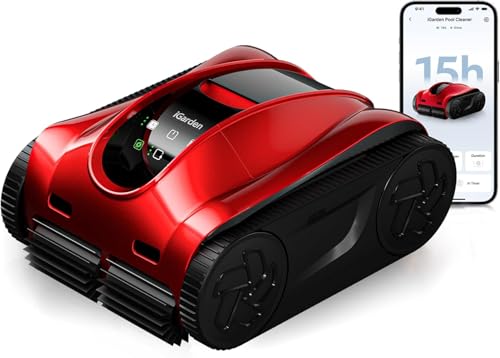
Unrivaled 15H Battery & 21-Day Cycle: Powered by industry-leading battery tech, enjoy up to 15 hours of continuous floor cleaning or 8.5 hours of full-pool deep cleaning. Maintain a spotless pool for up to 21 days on a single charge, perfect for busy homeowners.

Ideal for condo, apartment, and hotel pools up to 68 ft in length, the Dolphin Wave 80 robotic commercial pool cleaner comes with a storage caddy and a remote control for manual operation.
Benefits of Using a Pool Cover
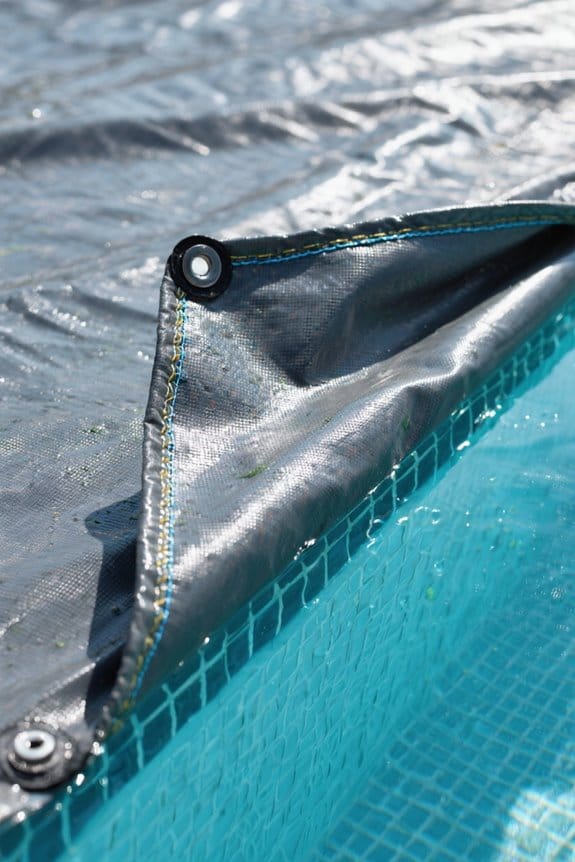
Extend energy-saving efforts beyond robotic cleaners by incorporating a pool cover. Deploy pool covers immediately after swimming to reduce evaporation, preventing up to 70% of energy loss related to water evaporation. This action directly reduces heating costs by maintaining ideal water temperature and lowering energy consumption. Use covers designed to prevent debris, which minimizes cleaning time and reduces chemical usage, enhancing pool maintenance. Select covers that shield pool chemicals from UV degradation to prolong their lifespan, ensuring consistent water quality. For safety, engage automatic pool covers when the pool is not in use, which improve safety by restricting access and preventing accidents. Regularly inspect pool covers for tears or damage to maintain effectiveness. Proper use of pool covers greatly contributes to energy efficiency, cost savings, and safer pool environments. Choosing the right cover size and material with cold and UV resistance ensures maximum efficiency and durability throughout the offseason.
Salt Water Chlorination Systems
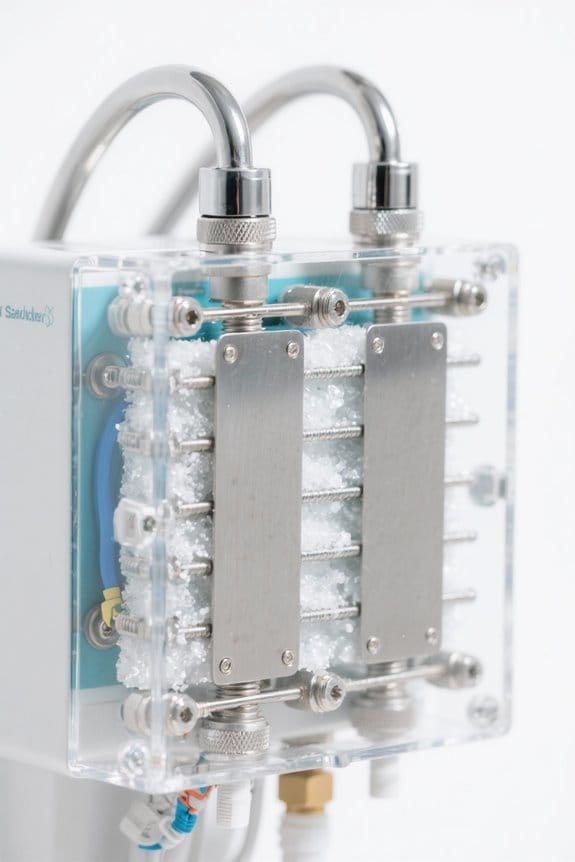
Adopt a salt water chlorination system by installing an electrolytic cell in the pool’s circulation line, ensuring proper sizing based on pool volume and typical swimmer load. Utilize saltwater chlorination to convert sodium chloride into chlorine, providing an energy-efficient sanitization method that reduces chemical costs by minimizing harsh chemical use. Monitor salt concentration carefully, maintaining levels between 2500-3500 ppm for ideal chlorine generation. Use the automated process to maintain water quality, adjusting flow rates and cell cleaning schedules to keep the pool clean and balanced. Account for the initial investment by comparing it with expected long-term savings, factoring in lower chemical purchases and reduced manual maintenance. Evaluate cell performance regularly, replacing units every 3-5 years to sustain efficiency and consistent sanitization. Integrating a variable-speed pool pump with your salt water chlorination system can further enhance energy efficiency and operational cost savings.
Recommended Products
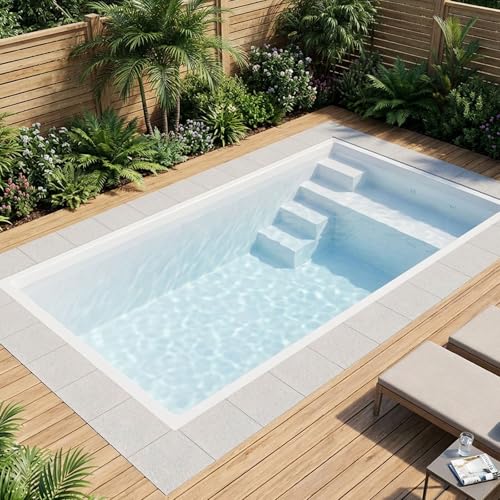
【Fast Installation & Weather Resistance】Fibreglass pools are not affected by the weather and are quick to install. They are perfect for areas with cold seasons because the flexural strength of fibreglass prevents breakage during freeze-thaw cycles. Vinyl lined pools, on the other hand, require a certain ambient temperature to ensure the liner doesn't wrinkle during installation. Concrete is also quite variable as rain and extreme temperatures can cause complications.


For pools up to 40,000 gallons
Natural Cleaning Products for Pools
Although synthetic chemicals dominate pool maintenance, consider using natural cleaning products like baking soda and Borax to reduce chemical dependency and enhance sustainability. Apply 1–1.5 pounds of baking soda per 10,000 gallons weekly to raise pH gradually, improving water quality and alkalinity. Use Borax powdered cleanser to scrub pool walls and surfaces, effectively removing sticky residues and stains without upsetting chemical balance. Focus on cleaning pool areas prone to buildup, rinsing thoroughly afterward. Combining these eco-friendly agents cuts chemical load, minimizes skin irritation, and fosters a sustainable pool environment. Opt for these cost-effective alternatives over commercial products to maintain hygiene efficiently. Monitor water pH and alkalinity regularly with a test kit, adjusting natural product doses as needed. Consistent application guarantees clean, balanced water while supporting green pool maintenance practices. Additionally, using compatible pool materials ensures that natural cleaners do not damage pool surfaces over time.
Recommended Products

Made in U.S.A with high quality material


Optimizing Pool Pump Efficiency
When optimizing pool pump efficiency, begin by evaluating your current pump’s specifications and matching them to your pool’s volume and daily usage patterns. Replace oversized pumps, which waste energy, with properly sized units to reduce energy consumption. Upgrade to variable-speed pumps that adjust flow rates, yielding energy savings often exceeding $300 annually. Select ENERGY STAR certified models to minimize environmental impact. Implement ideal scheduling via automation, running the pump during off-peak hours while maintaining filtration system effectiveness. Conduct routine check-ups, inspecting for blockages and cleaning filters regularly to prevent performance loss and energy waste. Maintain pump seals and lubricate moving parts as part of pool maintenance. These precise steps enable an energy-efficient pool pump system that balances cost savings with effective filtration and reduced environmental footprint. Operating the pump at low speeds during regular circulation significantly reduces energy costs compared to traditional single-speed pumps.
Recommended Products
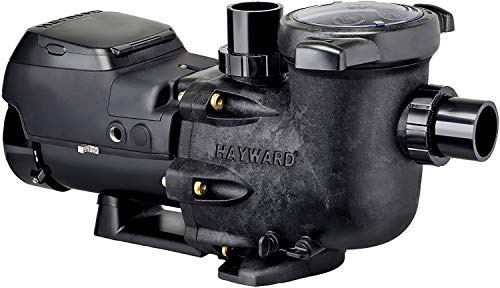
The Hayward TriStar VS Variable-Speed 2.7 HP is a variable speed pool pump that delivers the ultimate in energy efficiency, saving up to 90%, or $1,500 per year, on energy costs and may be eligible for local utility rebates

TRISTAR XE PUMP 2.25THP W3SP3215X20XE
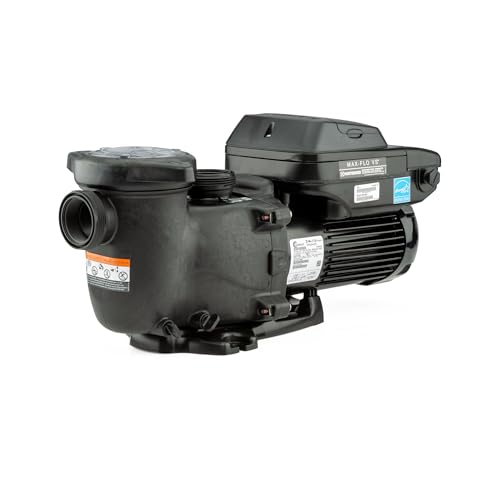
The Hayward MaxFlo VS Variable-Speed 1.65 HP, 230V Pool Pump is the most efficient pump of its kind, according to EPA ENERGY STAR third-party testing, and maybe eligible for local utility rebates
Frequently Asked Questions
What Are the 3 C’s of Pool Cleaning?
The 3 C’s of pool cleaning are Chemical Balance, Circulation, and Cleaning, essential for impeccable Pool Hygiene. Mastery of Surface Skimming, Vacuum Techniques, and Filtration System circulation alongside a strict Maintenance Schedule guarantees relentless Algae Prevention and ideal Equipment Efficiency.
Why Is My Electric Bill so High With a Pool?
High electric bills often result from poor pool pump efficiency, excessive heating costs, and inadequate filter maintenance. Adjusting operational hours, using variable speed pumps, solar pool covers, and following energy saving tips can reduce electricity rates and chemical usage.
How to Clean a Pool Without Electricity?
A family reduced costs by adopting manual skimming techniques and brush cleaning techniques, combined with vacuuming alternatives. Utilizing eco friendly chemicals and solar pool cleaners, alongside pool cover benefits, guaranteed effective, electricity-free maintenance with natural filtration systems and water conservation methods.
Is There a Way to Make the Pool More Energy Efficient?
The pool becomes more energy efficient through automated cleaning and efficient pumps, combined with solar pool heating and pool covers for heat retention. Energy conservation improves further with eco friendly chemicals, optimized water circulation, landscaping techniques, and scheduling maintenance.