As an Amazon Associate, we earn from qualifying purchases. Some links on this site are affiliate links at no extra cost to you. Our recommendations are based on thorough research and editorial judgment.

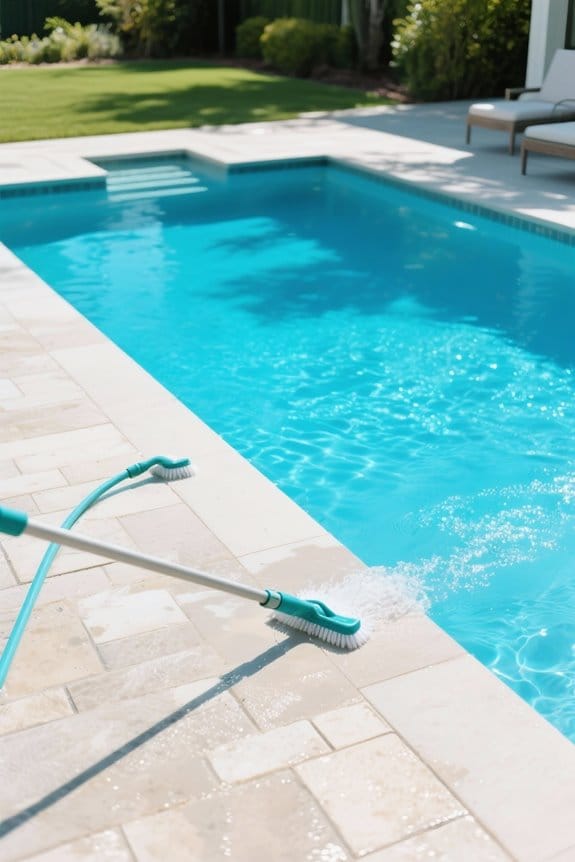
Reducing Water Waste During Cleaning

Reduce water waste during cleaning by measuring chemical dilutions precisely, maintaining flow rates between 1:10 and 1:50, and using calibrated spray nozzles or adjustable pressure washers to save up to 88,000 gallons annually. Employ microfiber cloths or spray mops for efficient water application, reuse rinse water for lightly soiled areas, and monitor consumption with simple flow meters. Regularly maintain equipment to prevent leaks and mineral buildup. Implementing these steps enhances efficiency and supports sustainability—explore additional advanced techniques to optimize water use further.
Key Takeaways
- Use buckets instead of hoses to cut water consumption by up to 80% during cleaning.
- Employ microfiber cloths and spray mops that apply minimal water while capturing dirt efficiently.
- Measure and monitor water flow rates to adjust pressure and prevent excessive usage.
- Opt for concentrated cleaners with correct dilution to minimize water waste and residue buildup.
- Reuse lightly soiled cleaning water for multiple tasks to maximize water efficiency.
The Global Water Scarcity Challenge
You may be interested

Understanding the severity of global water scarcity is essential before implementing effective conservation measures. Address water scarcity impacting over 40% of the global population by adopting water conservation methods in daily activities. Reduce water use by analyzing household consumption, which averages 88,000 gallons annually, and focus on high-use areas like cleaning. Implement efficiency improvements such as low-flow faucets and water recycling systems to lower demand. Emphasize sustainability efforts by supporting innovations targeting water reduction in cleaning processes. Recognize that by 2030, freshwater availability may face a 56% deficit, exacerbated by climate change, reinforcing urgency. Prioritize precise measurements and routine maintenance of water-using equipment to prevent leaks and overuse. Actively engage with local initiatives promoting sustainable water management, embedding conservation into everyday routines to protect essential natural resources effectively. Utilizing energy-efficient technologies such as solar-powered water pumps can further reduce water and energy consumption during cleaning operations.
The Role of Water in Cleaning
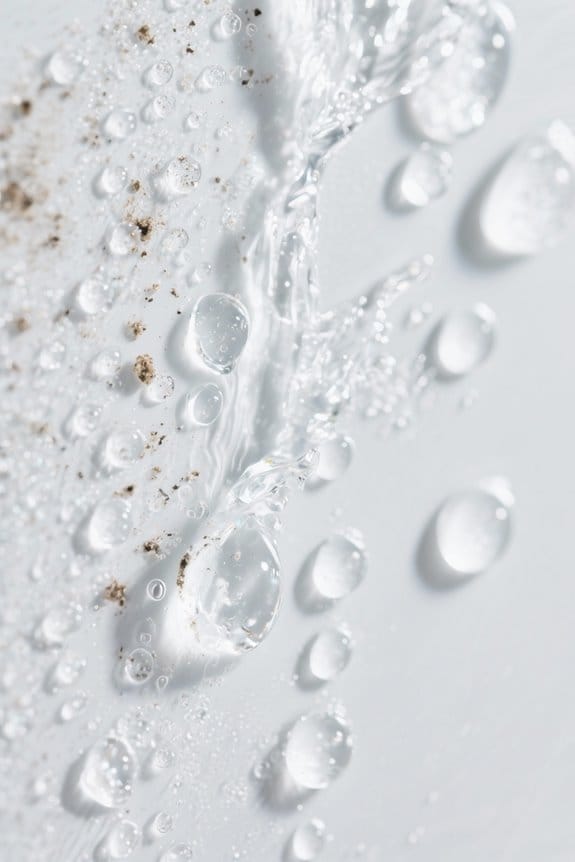
Although water consumption in cleaning sometimes appears excessive, optimize its use by selecting appropriate dilution ratios for chemical concentrates, typically between 1:10 and 1:50, depending on surface type and soil level. Utilize concentrated cleaners to conserve water while cleaning, as they reduce overall water usage and transportation impact. Apply high-pressure water systems to efficiently remove ingrained dirt but monitor flow rates to avoid unnecessary waste. Choose deionised water for delicate surfaces like windows to prevent mineral residue buildup, ensuring effectiveness without excess rinsing. Recognize that ready-to-use cleaners often contain over 90% water, which affects water usage and carbon emissions. Prioritize proper mixing protocols, avoid excessive rinsing, and maintain equipment to help reduce water loss and optimize every drop during cleaning operations. Additionally, maintaining equipment in good condition, such as ensuring the functionality of heavy-duty rubber tracks, can improve cleaning efficiency and reduce overall water waste.
Strategies to Minimize Water Usage in Cleaning

Employ water-saving techniques such as using a bucket instead of a hose to reduce consumption by up to 80%, select microfiber cloths or spray mops that efficiently apply minimal water, and adopt concentrated or eco-friendly cleaning agents that require lower dilution ratios. Reuse cleaning water for lightly soiled areas to further save water and reduce waste. Schedule regular light cleaning sessions rather than infrequent deep cleanings to maintain cleanliness with less water. Focus on targeting spots that need attention instead of rinsing entire surfaces excessively. Monitor water flow rates closely, adjusting pressure settings where possible to improve water efficiency. Incorporating effective circulation management can also help minimize water loss during cleaning tasks. By combining these strategies, users can remarkably reduce water use while maintaining effective cleaning, contributing to sustainable water management practices.
Recommended Products

The Pro-Clean Basics Premium Smooth Jersey Die Cut White T-Shirt Rags are the superior option to all cleaning and wiping needs; featuring a soft and lint free cotton material that efficiently retains dirt and liquids without the risk of surface scratches
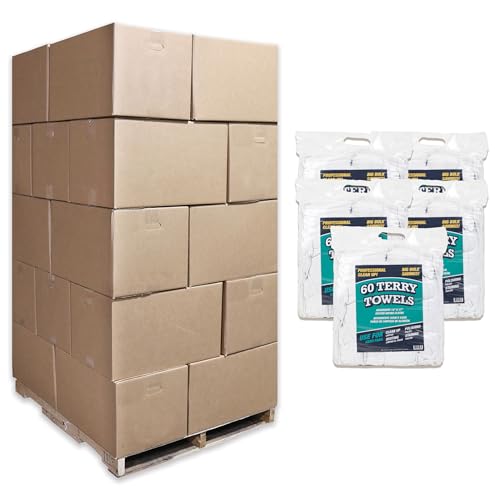
PREMIUM QUALITY TERRY TOWEL CLEAN UP CLOTHS: Our terry cleaning cloth towels are made of 100% cotton and are very absorbent. 60 utility towel measuring 14" x 17" in a poly bag with carrying handle for convenience

Highly Absorbent & Versatile: These terry cloth kitchen towels are perfect for wiping spills, drying dishes, and general cleaning, making them ideal rags for cleaning house or commercial space.
Water-Efficient Cleaning Tools and Equipment
Many water-efficient cleaning tools incorporate advanced materials and design features to enhance water usage while maintaining thorough cleaning performance. Select microfiber cloths and spray mops that require less water yet capture dirt effectively. Upgrade to high-efficiency dishwashers that reduce water used from 10 gallons to about 6.1 gallons per load to maximize sustainability. Use automated cleaners with solution saver functions to control water flow precisely, cutting water waste during cleaning. Install durable stainless steel nozzles to improve efficiency, prevent leaks, and maintain consistent water pressure. Regularly inspect equipment for clogs or damage to guarantee peak operation. These water-efficient cleaning tools focus on reducing water use without compromising cleanliness, enabling significant conservation over time with proper equipment choice and maintenance. Additionally, integrating advanced navigation technologies in automated equipment can further optimize cleaning efficiency and reduce unnecessary water consumption.
Recommended Products
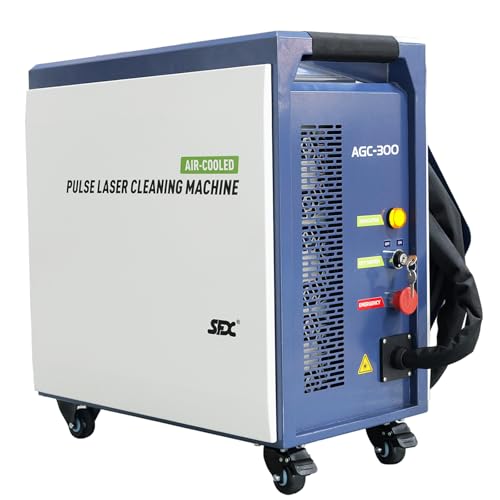
High-Efficiency Rust and Paint Removal: The AGC-300 handheld cleaner removes rust, paint, coatings, and oil stains quickly and effectively. With a pulse power of up to 300W and double-wobble cleaning head, it offers a wide 190mm cleaning width for fast, precision cleaning on various surfaces.

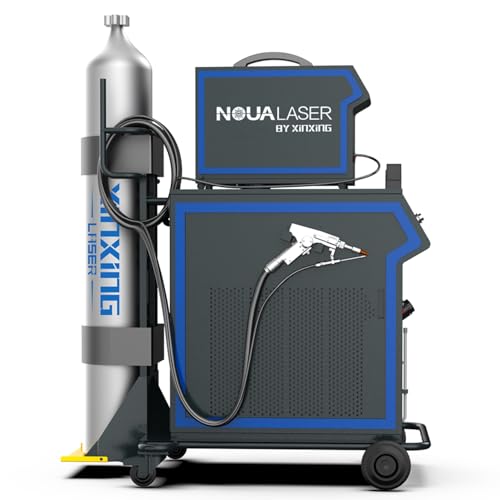
INCLUDING CUSTOMS DUTIES [ 3000W DOUBLE WOBBLE LASER WELDER MACHINE ] Equipped with dedicated welding / cutting / cleaning / weld seam cleaning nozzles. 7 Welding modes with welding width up to 8 mm; 10 Cleaning modes with cleaning width up to 100 mm; Laser cutting thickness up to 6 mm; Laser weld seam cleaning width up to 12mm
Benefits of Using Concentrated and Eco-Friendly Cleaners
Shift attention from maximizing water-efficient tools to selecting cleaning agents that further minimize water consumption and environmental harm. Choose concentrated cleaners to reduce water waste since they require considerably less dilution than ready-to-use products that contain over 90% water. Select eco-friendly formulations with biodegradable ingredients to protect aquatic ecosystems while maintaining efficacy. Measure concentrated cleaners precisely using graduated cylinders or dosing pumps to avoid overdilution, conserve resources, and prevent residue buildup. Store them properly for extended shelf life, reducing frequent repurchases and packaging waste. Note that concentrated cleaners also lower transportation emissions by eliminating excess water weight, directly cutting carbon footprints. Prioritize these products to align with sustainability goals, improve operational efficiency, and meet consumer demand for ethical practices. Follow manufacturer guidelines strictly for dilution ratios and application methods to guarantee peak performance and water conservation. Additionally, using fast-curing solutions can enhance operational efficiency by reducing downtime during maintenance.
Recommended Products

CONCENTRATED FORMULA: With a 10% acetic acid concentration, our vinegar is more potent than regular culinary vinegar, offering robust flavor and efficient cleaning.
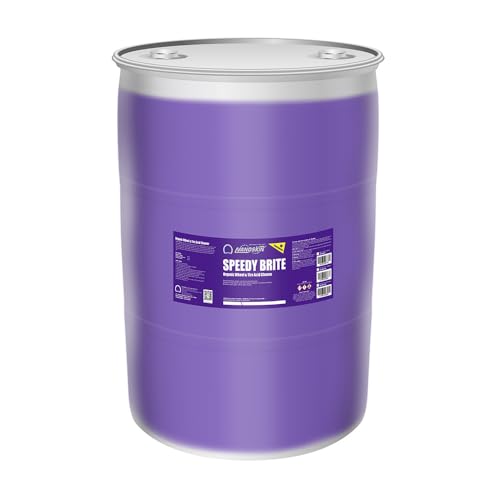
✅ CONCENTRATED WHEEL & TIRE CLEANER: Dilutable up to 4:1. Add 6 oz. of SPEEDY BRITE to a 32 oz. spray bottle or 1 gallon to a 5-gallon dispensing tank. Functions as a wheel cleaner and rim cleaner for car cleaning kits.

Steam Gun - The 5100CD dental steam cleaner comes with a 3000DA steam gun with a 6’ steam hose and quick-connect fittings. The small diameter opening gives a very concentrated amount of steam
Implementing Smart Water Management Practices
When managing water use during cleaning, install flow control systems calibrated to maintain consistent pressure between 30 and 50 psi, reducing unnecessary excess. Use efficient water flow nozzles and lances designed to optimize rinsing while limiting consumption. Regularly inspect cleaning equipment for leaks or damage to prevent water loss and guarantee peak operation. Replace worn or faulty hoses with durable, low-leak models to maintain system integrity. Adjust equipment settings precisely to balance employee safety with minimal water use, avoiding over-saturation or runoff. These smart water management practices help save resources and reduce utility costs without compromising cleaning quality. Continually monitor system performance and address inefficiencies promptly to sustain savings and environmental benefits throughout cleaning processes. Additionally, implementing technology that allows for enhanced flow control can significantly improve resource efficiency during cleaning operations.
Innovations in Water-Saving Cleaning Technologies
Explore automated cleaning systems equipped with solution saver functions to tailor water volume precisely to cleaning requirements. Use high-efficiency steam cleaners and microfiber tools, which greatly reduce water use while maintaining cleaning quality. Employ deionised water systems in window and façade cleaning to minimize rinse cycles; monitor purity levels to guarantee effectiveness. Integrate flow control devices in commercial settings to cut water waste by up to 30%, adjusting pressure and flow rates as needed. Switch to concentrated cleaning products, reducing water content in transport and packaging. Regularly calibrate equipment to avoid excessive water discharge and identify leaks promptly. Track water consumption consistently to optimize usage and reduce environmental impact. Applying these innovations helps use less water effectively, promoting sustainable cleaning practices without compromising hygiene standards. Additionally, selecting cleaning tools made from durable and corrosion-resistant materials ensures longevity and reduces the need for frequent replacements, indirectly conserving water by limiting manufacturing resource use.
Recommended Products

Large-Capacity Ride-On Floor Scrubber: Built for large commercial and industrial hard-floor cleaning, the SM860 uses dual 17" brushes to deliver a 34" scrubbing width and up to 80,000 sq ft/h productivity for warehouses, factories, schools, retail facilities, airports, and parking areas
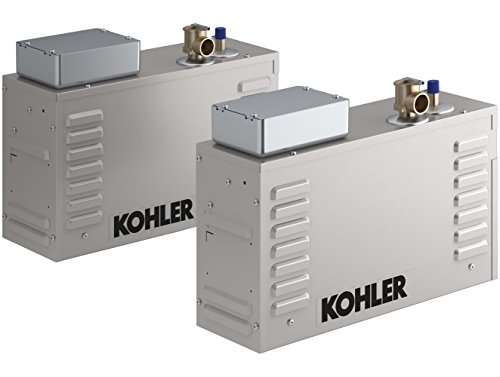
Fast-response technology produces a luxurious steam shower in 60 seconds
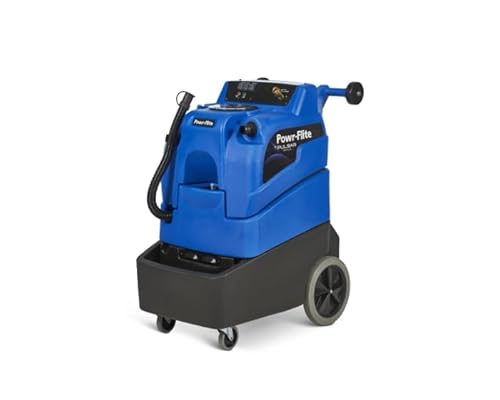
Powerful Deep Cleaning Performance: The Powr-Flite Pulsar Gamma 10-Gallon Carpet Extractor delivers 133 CFM airflow and 125" water lift, ensuring superior dirt and moisture extraction for faster drying times
The Economic and Environmental Impact of Reducing Water Waste
Why measure water consumption meticulously during cleaning routines? Doing so helps identify excessive use water points, enabling targeted reductions that save significant costs and resources. Track water flow rates with flow meters, log usage per task, and analyze patterns to optimize efficiency. Save up to 88,000 gallons annually per household by adopting calibrated spray nozzles or pressure washers with adjustable settings. Businesses must use water-conscious methods to cut utility expenses, boost sustainability profiles, and attract eco-conscious clients. Additionally, conserved water mitigates the projected global freshwater deficit of 56% by 2030, easing pressure on local ecosystems. Use concentrated cleaning formulations to reduce water transport weight, lowering CO2 emissions. Help maintain company reputation and environmental resilience by implementing systematic monitoring and precise water management during cleaning operations. Employing breathable fabrics in outdoor coverings can also enhance environmental control by reducing heat buildup efficiently.
Building a Sustainable Cleaning Routine
Establish a cleaning routine incorporating concentrated or eco-friendly products to reduce water volume needed for effective dilution. Use tools like microfiber cloths and spray mops to cut down flow rates and control the amount of water used. Always opt for full loads when laundering cleaning textiles to maximize efficiency and conserve water. Replace hoses with buckets when rinsing surfaces; this method saves up to 80% of water typically lost through continuous flow. Schedule regular light cleanings to prevent buildup, avoiding high water consumption during infrequent deep cleans. Continuously monitor water use with simple flow meters or visual checks, adjusting steps as needed to minimize waste. Incorporating durable and efficient cleaning tools such as pool brushes and nets further supports minimizing water waste through effective maintenance practices. Through these systematic changes, users will build a sustainable cleaning routine that balances effective sanitation with prudent water management practices.
Recommended Products

Top-Grade Penetrants - Promotes rapid emulsification of dirt, oil, grease, and road grime.

Orally nontoxic and readily biodegradable formula.
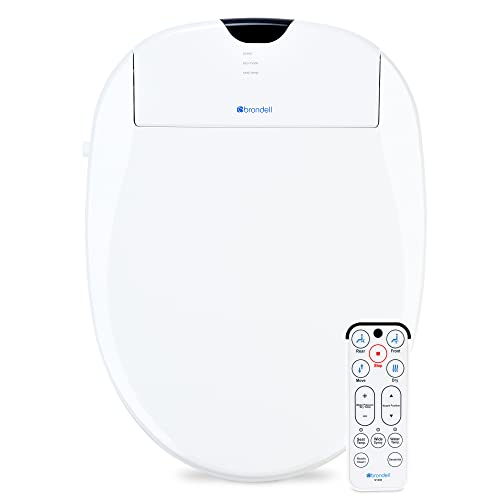
Posterior and feminine warm-water washes
Frequently Asked Questions
How to Save Water During Cleaning?
Like a modern-day Benjamin Franklin, one saves water during cleaning by embracing eco-friendly products, applying efficient techniques such as using buckets over hoses, and adopting mindful practices like reusing water, ensuring sustainability with every scrub and sweep.
What Are Some Ways to Reduce Water Waste?
To reduce water waste, rainwater harvesting systems can supply non-potable water. Utilizing eco-friendly products and adopting efficient cleaning techniques substantially lowers water consumption while maintaining cleanliness and promoting sustainable household practices.
What Is One Way You Can Reduce Water Wastage When You Are Shampooing Clients?
Like a gardener tending delicate blooms, one reduces water wastage by mastering shampoo application techniques, employing water-efficient products, and adopting precise rinsing methods, ensuring each drop cleanses without waste, nurturing both hair and the planet.
How to Save Water While Cleaning a Floor?
Floor cleaning techniques that save water include using eco friendly mops, such as microfiber variants, coupled with water efficient tools like buckets instead of hoses. These methods reduce water consumption while maintaining cleaning effectiveness.