As an Amazon Associate, we earn from qualifying purchases. Some links on this site are affiliate links at no extra cost to you. Our recommendations are based on thorough research and editorial judgment.

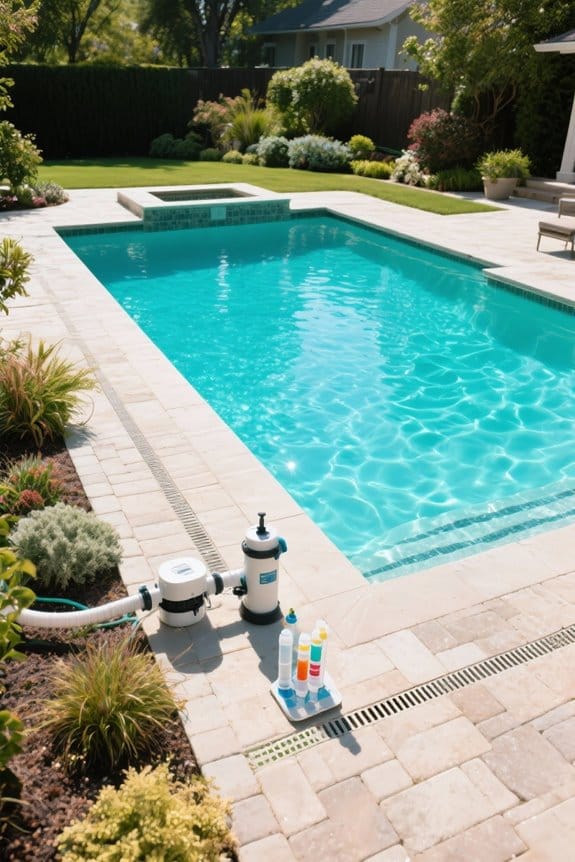
How to Limit Pool Chemical Runoff

Maintain pool water pH between 6.5 and 7.5, keep free chlorine under 1 ppm, and run filtration systems 8–12 hours daily for effective circulation. Use mineral-based sanitizers or saltwater chlorine generators to reduce chemical use. Clean filters weekly and install ozone or UV systems to oxidize contaminants. Obtain local approval before draining, guarantee chlorine is below 1 ppm, and route discharge to sewer or grassy areas. Follow these steps carefully to minimize chemical runoff and protect waterways; further measures enhance environmental safety.
Key Takeaways
- Maintain chlorine levels below 1 ppm before draining pool water to minimize chemical runoff impact.
- Direct chemical-containing water to municipal sanitary sewers where possible, avoiding stormwater drains.
- Obtain local water pollution control approval and follow their guidelines for pool water drainage.
- Drain pool water slowly onto grassy areas to allow natural soil filtration and absorption.
- Use mineral-based sanitizers and alternative systems like ozone or UV to reduce chemical usage.
Maintain Balanced Water Chemistry
You may be interested
Although maintaining balanced water chemistry may seem challenging, regularly test pool water at least once a week, ensuring total and free chlorine levels remain below 1 ppm and pH stays between 6.5 and 7.5. Adjust alkalinity and calcium hardness to recommended levels to reduce the need for frequent chemical adjustments. Run an efficient filtration system 8-12 hours daily to improve water circulation, which lessens the reliance on chemical usage. Skim debris and brush pool walls often to remove organic matter that promotes algae growth, minimizing chemical treatment demand. Monitor total suspended solids, keeping them under 60 mg/L, to maintain clear water and reduce excess chemical application. Following these procedures supports stable water treatment, limiting chemical runoff while ensuring a safe, well-maintained pool environment. Using non-chlorine shock products can also help control algae without increasing chlorine levels or causing harsh chemical runoff.
Recommended Products
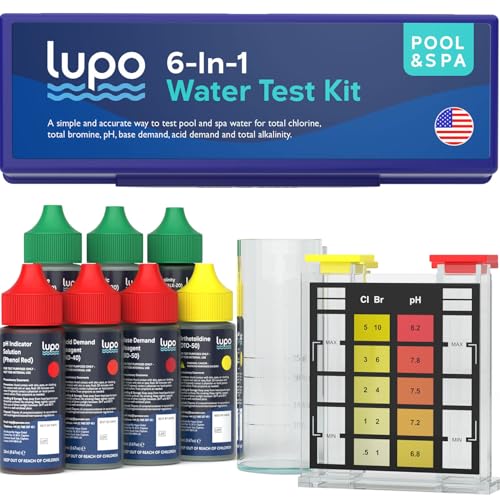
6-IN-1 POOL TESTING KIT: An easy-to-use, accurate pool test kit for testing six essential water quality parameters in residential pools and spas: Total Chlorine, Total Bromine, pH, Base Demand, Acid Demand and Total Alkalinity. Includes reagents for 100 tests, helping keep your water safe and balanced.

AFFORDABLE 7-IN-1 POOL TESTING KIT: Our 150 pool test strips provides an affordable, all in one pool water testing kit for various chemicals including Free Chlorine, Alkalinity, pH levels and more!

7 Way: These test strips for pools and spas read 7 different chemicals in the water. The pool strips test 7 way offer clear readings in daylight and come with detailed instructions
Utilize Environmentally-Friendly Pool Products
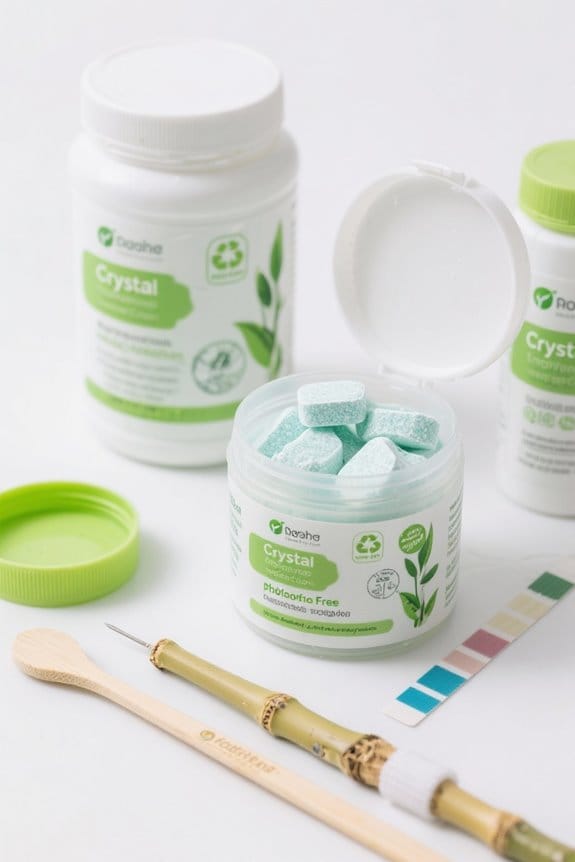
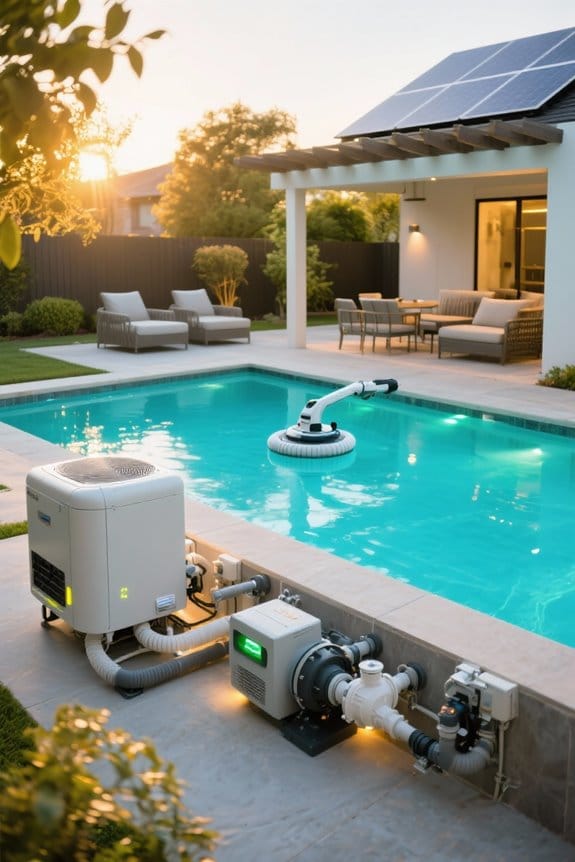
When reducing chemical runoff is a priority, select mineral-based sanitizers containing silver and copper ions to minimize chlorine use and environmental impact. Install ozone generators to oxidize organic contaminants effectively, reducing reliance on harsh chemicals and preventing chemical residues from entering waterways. Opt for saltwater chlorine generators to maintain lower chlorine levels, balancing sanitization with reduced discharge risks. Incorporate UV pool systems to neutralize pathogens, allowing decreased chlorine dosing and further limiting runoff. Use organic pH control systems employing recycled CO2 to stabilize water chemistry safely, protecting aquatic life. Monitor sanitizer levels daily, adjust ozone generator output carefully, and calibrate saltwater systems biweekly to guarantee consistent performance. When equipment malfunctions, consult manufacturer guidelines promptly to maintain environmentally-friendly pool operations without compromising swimmer safety. In addition, regular monitoring of free chlorine levels is essential to ensure effective sanitizing while avoiding overchlorination and excess chemical discharge.
Recommended Products

Gentle Sanitation – automatically converts salt into chlorine for softer pool water that won’t irritate eyes, skin, hair or fabrics like traditional chlorine pools

✔ UPGRADE TO A SALTWATER POOL – Enjoy the same process used for in-ground swimming pools to keep your above ground pool sparkling clear with the ease of less maintenance.Voltage: 110-120V (W/ GFCI)

AN UNMATCHED HOT TUB SPA EXPERIENCE: Tired of red eyes, itchy skin, and the overpowering smell of chlorine after a soak? With the Briidea salt chlorine generator, your hot tub becomes a soothing retreat. Enjoy silky, fresh-feeling water, gentle on the skin and safe for the whole family. Perfect for unwinding after work or hosting a relaxing weekend gathering
Optimize Filtration and Circulation Systems
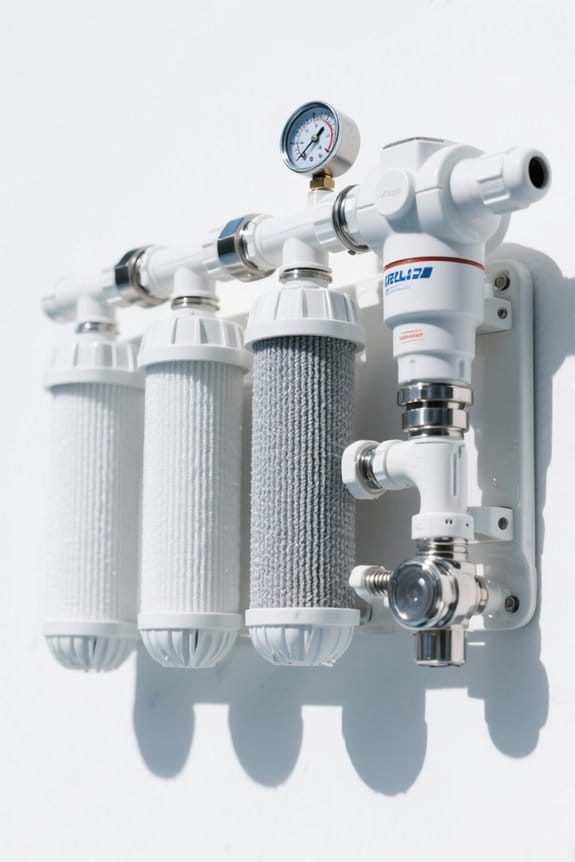
Enhance pool water quality by increasing filtration speed and operating the filtration system continuously for 24 hours daily, guaranteeing complete water turnover at least three times. Clean pool filters weekly to prevent debris buildup, which reduces filtration efficiency and escalates chemical usage. Install a high-efficiency filtration system to improve contaminant removal, thereby lowering the need for chemical shock treatments. Monitor water quality regularly using test kits or automated sensors to maintain balanced chemical levels, optimizing chemical usage. Adjust filtration rates based on data from water quality monitoring tools, and inspect circulation pumps monthly to assure consistent flow. Consider integrating automated chemical controllers that adjust dosing in real time, minimizing overuse of chemicals. Regular testing with chlorine test strips at least twice a week is essential to ensure accurate chemical balance and prevent runoff. Follow these steps systematically to achieve efficient pool water management and greatly limit chemical runoff.
Recommended Products
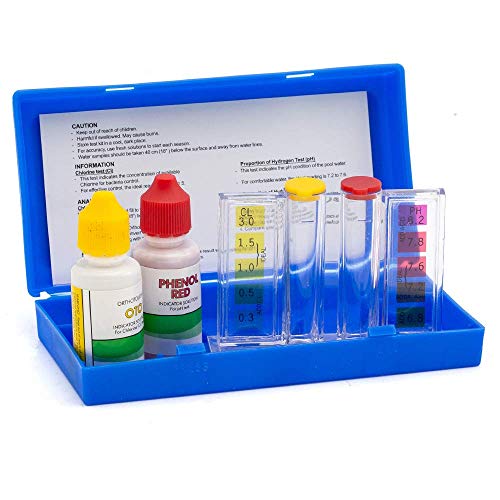
2 Way Pool Water Test Kit For Test For OTO, CL, and PH Level
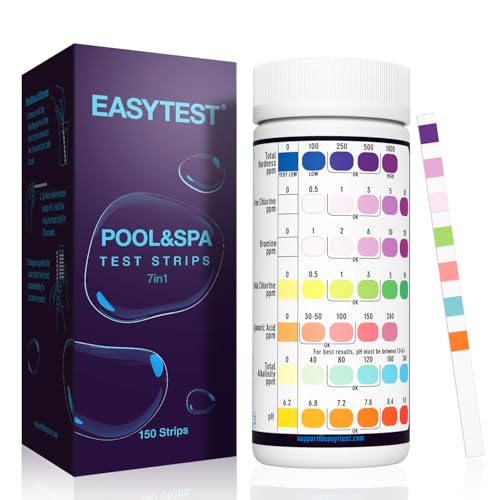
AFFORDABLE 150 STRIPS: This water chemical testing kit contains 150 test strips. Enough balanced for your swimming pool, hot tub, spa and other water testing. At least testing twice a week is recommended to keep your pool sparkling clean and safe.
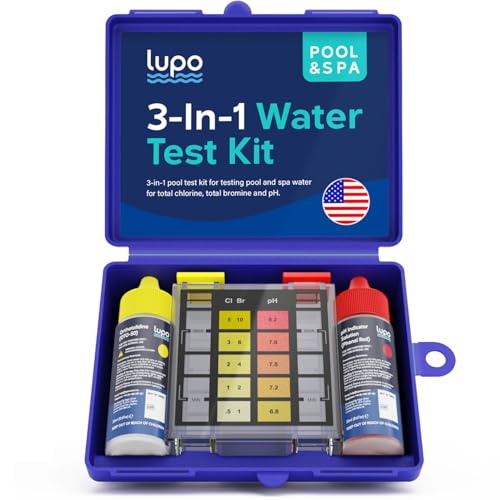
3-IN-1 POOL TESTING KIT: An easy-to-use, accurate pool test kit for testing three essential water quality parameters in residential pools and spas: Total Chlorine, Total Bromine, and pH. Includes enough reagents for 100 tests, helping keep your water safe, clean, balanced, and ready to use anytime.
Implement Proper Pool Drainage Practices
Before draining the pool, obtain approval from local water pollution control authorities to guarantee compliance with environmental regulations. Measure chlorine levels carefully, ensuring total and free chlorine are below 1 ppm, and adjust pH between 6.5 and 7.5 before releasing water. Use proper drainage practices by directing pool chemical-laden water to the municipal sanitary sewer system, designed to treat chlorinated water safely. If sewer discharge is unavailable, contact public works for stormwater system guidelines, preventing contamination of local waterways. Alternatively, drain slowly onto grassy areas, allowing soil absorption and filtration to reduce chemical runoff risks. Monitor flow rates to avoid erosion, and avoid direct discharge into aquatic habitats. Follow these steps strictly to control environmental impact and maintain water quality during pool maintenance. Regular monitoring of water chemistry is essential to prevent harmful effects from chemical runoff.
Recommended Products

【Universal Standard Size】The length of pool backwash hose is 30FT (9.2 Meters), and the inner diameter is 2IN. The pool drain hose is universally suitable for PVC pipe 2 inch or smaller. Please store in a dry place out of direct sunlight.

【Universal Standard Size】The length of pool backwash hose is 60FT (18.3 Meters), and the inner diameter is 2IN. The pool drain hose is universally suitable for PVC pipe 2 inch or smaller. Please store in a dry place out of direct sunlight.

【Universal Standard Size】The length of pool backwash hose is 110FT (33.6 Meters), and the inner diameter is 2IN. The pool drain hose is universally suitable for PVC pipe 2 inch or smaller. Please store in a dry place out of direct sunlight.
Reduce Chemical Dependency With Alternative Sanitizers
Frequently, reducing chemical dependency in pool maintenance begins by integrating alternative sanitizers such as saltwater chlorine generators, ozone systems, mineral-based treatments, and UV pool units. Install a saltwater chlorine generator to convert salt into chlorine via electrolysis, stabilizing sanitizer levels and reducing chlorine usage. Utilize ozone systems to oxidize contaminants quickly, cutting chemical reliance without residues. Apply mineral-based treatments containing silver and copper to control algae and bacteria, lowering harsh chemical demands. Employ UV pool units to neutralize microorganisms, enhancing safety while reducing chlorine. Maintain proper water chemistry, test pH and alkalinity weekly, and ascertain efficient filtration to maximize alternative sanitizers’ effectiveness. Adjust sanitizer output accordingly and troubleshoot common issues like cloudy water or algae growth promptly, using documented manufacturer guidelines to ascertain consistent, clean, and environmentally responsible pool water. Additionally, selecting the right pump with suitable flow rate and head performance can improve circulation efficiency, reducing chemical stagnation and overall sanitizer demand.
Recommended Products

UPGRADE TO A SALTWATER POOL – Enjoy the same process used for in-ground swimming pools to keep your above ground pool sparkling clear with the ease of less maintenance

Quick & Easy Installation – This pool saltwater chlorinator is designed for effortless setup. Simply input your pool size, and it can be installed within minutes.

Control Your Pool from Anywhere: Manage your saltwater pool system with ease using the WiFi app. Check salt levels, monitor titanium cell life, and adjust chlorine output anytime without stepping outside.
Frequently Asked Questions
Why Do People Put Baking Soda in Their Swimming Pools?
Baking soda in pools acts like a guardian shield, providing baking soda benefits by promoting pH adjustment and an alkalinity boost. This stabilizes water chemistry, preventing corrosive effects and scaling, ensuring a safer, balanced swimming environment.
Is It Normal to Losing 1/2 Inch of Water a Day in a Pool?
Losing 1/2 inch of water a day in a pool is normal due to evaporation causes. Daily maintenance, including monitoring water levels and using covers, helps manage water loss and guarantees proper pool conditions during warmer months.
Can I Add Stabilizer and Shock at the Same Time?
Simultaneous stabilizer and shock should seldom be synchronized. Chemical interactions can compromise chlorine’s clarity. Maintaining meticulous pH levels and monitoring pool maintenance guarantees effective sanitation without surplus chemicals, preserving purity and preventing problematic pool performance.
How to Balance Out Pool Chemicals?
Balancing pool chemicals requires regular chemical testing to monitor pH levels and chlorine content accurately. Adjustments in alkalinity stabilize pH fluctuations, ensuring effective sanitizer performance and maintaining safe, balanced water chemistry for ideal pool conditions.