As an Amazon Associate, we earn from qualifying purchases. Some links on this site are affiliate links at no extra cost to you. Our recommendations are based on thorough research and editorial judgment.

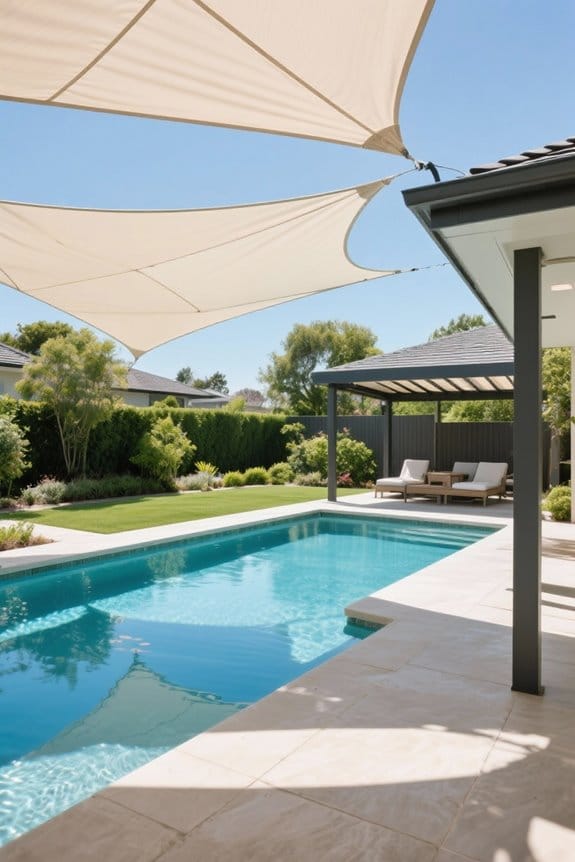
Shade Sails vs. Solid Covers for Energy Savings

Choose shade sails with high-density polyethylene (HDPE) fabrics rated at 200+ GSM to block up to 98% UV rays and promote airflow, reducing cooling loads by 20-30%. Install sails at a 15-20 degree pitch to guarantee water runoff and structural integrity, avoid taut tension to maintain ventilation, and reposition seasonally for the best solar control. Avoid solid covers that trap heat and increase HVAC demand. Maintain sails regularly and prefer lighter colors for energy efficiency. Explore further to enhance climate control with shade systems.
Key Takeaways
- Shade sails reduce cooling energy use by up to 30% due to optimal sunlight blocking and improved natural ventilation.
- Solid covers trap heat and restrict ventilation, increasing indoor temperatures and cooling demands.
- Breathable HDPE fabric in shade sails blocks up to 98% UV rays while promoting airflow and reducing HVAC workload.
- Shade sails’ adjustable angles allow seasonal solar control, enhancing passive cooling and heating benefits.
- Shade sails cost less to install and maintain compared to solid covers, offering better long-term energy savings and environmental benefits.
How Shade Sails Improve Energy Efficiency
You may be interested
Although shade sails often appear simple, their installation and use demand specific attention to maximize energy efficiency. Position shade sails to block direct sunlight effectively, reducing cooling energy use by up to 30%. Select high-quality fabrics that provide UV protection, blocking up to 98% of harmful rays while allowing natural light penetration to reduce artificial lighting needs. Confirm the sail’s pitch is set between 15-20 degrees to promote proper water runoff and prevent structural damage. Maintain the breathable design by avoiding overly tight tension, which encourages airflow, decreases outdoor temperatures, and supports HVAC efficiency. Regularly inspect attachment points for wear to sustain structural integrity and peak shading performance. Such methodical installation and maintenance practices guarantee shade sails greatly enhance energy efficiency in buildings and outdoor areas. Additionally, using high-density polyethylene (HDPE) fabric is crucial as it blocks up to 95% of UV rays while allowing air circulation to keep shaded areas cool.
Limitations of Solid Covers in Temperature Control
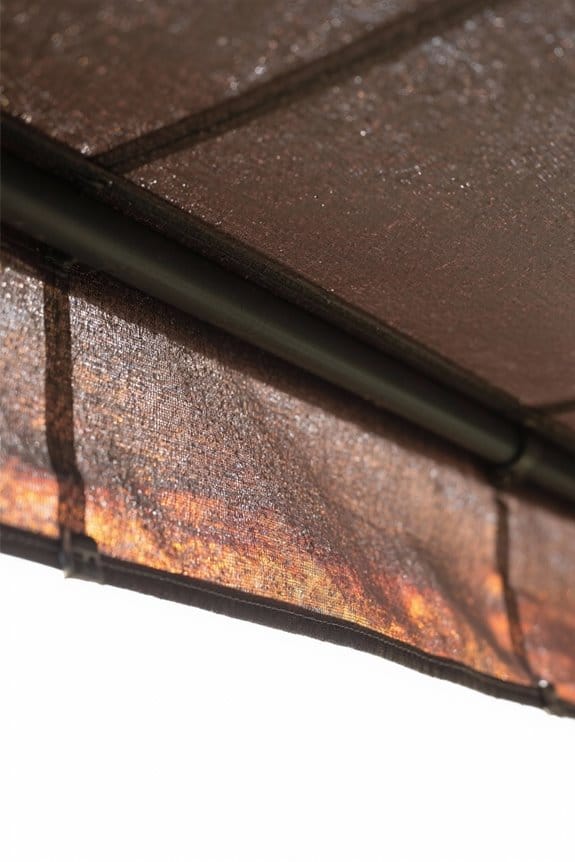
Examine the thermal behavior of solid covers meticulously, noting their tendency to trap heat beneath the surface, which elevates temperatures in shaded areas. Recognize that this heat buildup undermines effective temperature control, causing discomfort and increased cooling needs. Avoid relying solely on solid covers, as they absorb solar radiation and radiate heat back, intensifying indoor temperatures. Contrast this with shade sails, which promote natural cooling and contribute to energy savings by reducing air conditioning load. Account for the lack of adjustability in solid covers, which prevents seasonal adaptation to sun angles and temperature fluctuations. Prioritize solutions that minimize heat retention and maximize ventilation, reinforcing the superiority of shade sails in managing thermal conditions efficiently while optimizing energy consumption. Selecting shade sails made from 190 GSM virgin HDPE material ensures breathability and water permeability, enhancing airflow and reducing heat buildup.
Airflow Benefits of Shade Sails Compared to Solid Covers

When selecting shade solutions, prioritize materials like high-density polyethylene (HDPE) used in shade sails, which facilitate airflow and heat dissipation. Install shade sails with proper tension and secure anchors to maintain their open, breathable structure. This setup promotes continuous natural ventilation, preventing heat buildup beneath by 10-15°F (5-8°C) compared to solid covers. Confirm installations allow warm air to escape effectively, minimizing stagnant, hot microclimates. Recognize that shade sails filter sunlight while maintaining brightness, unlike solid covers that trap heat. Leverage the airflow benefits of shade sails to reduce dependence on cooling equipment, achieving up to 30% energy savings. Regularly inspect fabric tension and supports to sustain ideal airflow and performance. Avoid solid covers if heat retention and poor ventilation pose issues for outdoor comfort and energy efficiency. Additionally, selecting shade sails made with reinforced D-rings ensures durable installation and sustained airflow efficiency.
Recommended Products

【About Installation】Please refer to the diagrams before purchasing. To ensure you buy the correct shade sail, you need to leave 0.5-1 ft of space for accessories to avoid buying an oversized shade. In addition, due to the characteristics of this fabric, there may be a tolerance of ±4 inch from the outer edge of one D-ring to the outer edge of the other D-ring

50% Filtered Sunlight for Gentle Spring Protection: This shade cloth offers a 50% shade rate, which is ideal for the spring season. It filters direct sun while allowing 50% of vital light to reach your plants, helping them thrive as they establish growth without the stress of intense midday sun. A great choice as a garden shade cloth for new seedlings and cool-season crops.

Material: Crafted from 185 GSM HDPE, blocking up to 95% of harmful UV rays while allowing airflow. Durable stitched edges and 304 stainless steel D-rings ensure strength and longevity
Impact of Shade Sails on Cooling System Workloads
Evaluate the positioning of shade sails to maximize sunlight blockage, reducing the cooling load on HVAC systems by up to 30%. Install shade sails in areas facing direct sunlight during peak hours, ensuring an angle that blocks solar radiation while allowing airflow. Monitor indoor temperature changes with thermometers post-installation to verify reductions in heat gain. Maintain shade sails periodically to prevent sagging, which can reduce their effectiveness and increase cooling costs. Utilize breathable fabrics that facilitate air circulation, avoiding heat buildup near walls and windows. This practice lowers HVAC workload, extending equipment lifespan and cutting maintenance expenses. Incorporate shade sails into broader energy efficiency strategies, particularly during peak cooling demand periods. Adjust installations as needed for seasonal sun angles to sustain ideal shading, preventing unnecessary energy consumption and ensuring consistent cooling system relief. Additionally, regular inspection and maintenance, similar to recommended practices for durable pool vacuum hoses, can help extend the lifespan and effectiveness of shade sails.
Energy Savings From Natural Light Optimization With Shade Sails
Shade sails’ role in enhancing natural light requires precise selection and placement to balance illumination and shading. Install shade sails to filter sunlight, reducing glare without blocking it entirely, therefore improving indoor brightness. Choose lighter-colored, high-quality fabrics to reflect sunlight and improve natural light enhancement. Position sails to cover peak sun angles, maximizing filtered daylight while minimizing heat gain. Monitor indoor light levels, adjust tension or angle if shadows become too dense or sparse. Use light meters during different times to guarantee ideal illumination. This approach decreases reliance on artificial lighting, yielding energy savings up to 30% in commercial settings. Maintain airflow through breathable sails to aid passive cooling, further supporting energy efficiency. Follow these steps diligently to integrate shade sails effectively into energy management strategies. Additionally, understanding the crucial role of UV protection in fabric selection can significantly prolong the lifespan and functionality of shade sails.
The Role of Material and Design in Shade Effectiveness
Focus on selecting materials and designs that enhance both shading effectiveness and airflow. Choose shade sails made from high-density polyethylene (HDPE) fabric, which blocks up to 98% of harmful UV rays while allowing critical air circulation, reducing heat buildup beneath. Opt for lighter-colored sails to reflect sunlight and improve energy efficiency by maintaining cooler shaded areas, unlike dark solid covers that absorb heat. Design shade sails with adjustable angles and multiple configurations to maximize coverage, adapting to the sun’s changing position throughout the day. Avoid solid covers that trap stagnant air, increasing temperatures and energy consumption for cooling. Install shade sails properly by measuring space dimensions accurately, attaching secure fittings such as stainless steel turnbuckles, and tensioning fabric to prevent sagging, ensuring consistent shade and peak energy savings. Using shade sails made from materials above 200 GSM is crucial for durability and optimal performance in residential settings.
Recommended Products

【UV Protection & Cooling】Made of 100% brand new High Density Polyethylene material and eliminate the use of splicing fabrics.Blocks up to 95% of harmful UV rays and direct sunlight exposure."Breathable" fabric allows air to pass freely and achieve a certain degree of cooling.

【About Installation】If you want a proper sun shade sail, you need to leave 0.5-1 feet of space for accessories. Please understand that due to the elasticity of the HDPE fabric material, our shade sail for outdoor has a tolerance of ±4 inch.

【About Installation】Please refer to the diagrams before purchasing. To ensure you buy the correct shade sail, you need to leave 0.5-1 ft of space for accessories to avoid buying an oversized shade
Longevity and Maintenance Differences Between Shade Sails and Solid Covers
Although both shade sails and solid covers provide protection, understanding their longevity and maintenance requirements is essential for informed decisions. Inspect shade sails annually for wear, focusing on UV degradation, especially if made from UV-stabilized HDPE, which resists damage for up to three years. Clean sails regularly using a soft brush and mild detergent, ensuring debris is removed to prevent mold buildup. Monitor tension; retighten as necessary to maintain pitch for effective water runoff. For solid covers, schedule quarterly inspections to detect weather-related damage and check for water pooling, which can cause structural failure. Clean surfaces with a pressure washer cautiously, avoiding damage to coatings. Hire professionals for repairs if roofing panels loosen or cracks appear. Prioritize routine maintenance to extend the longevity of both options and reduce risks associated with neglect. Additionally, selecting products with durable materials can significantly improve the lifespan and performance of outdoor coverings.
Recommended Products

【Precision-Curved Measurement】This shade sail features edges with precisely calculated radians to ensure a tight, neat fit after installation. The intentional curve maximizes tension and prevents sagging in the center, delivering a professional and streamlined appearance.

90% Breathable UV Protected HDPE Shade Fabric
70% Shade for Summer Heat: Battling summer heat? Our 70% shade cloth significantly reduces temperatures to protect vegetables and flowers from heat stress. It filters intense sun while allowing ample light for growth, making it a summer essential for your garden.
Cost Implications of Installing Shade Sails Versus Solid Covers
Begin by evaluating the initial costs of installation, considering that shade sails typically require less structural reinforcement and specialized labor. Measure the area accurately, select stainless steel fixings like turnbuckles and pad eyes, and install tensioning systems on pre-existing strong supports to minimize costs. Compare these installation costs with solid covers, which demand substantial framing, roofing materials such as polycarbonate panels or metal sheets, and skilled contractors to guarantee waterproof sealing and durability. Account for the additional time and equipment, like power drills and scaffolding, required for solid covers. Factor in that shade sails offer notable energy savings by reducing cooling demands up to 30%, which can offset lower installation costs over time. Prioritize shade sails for cost efficiency, reduced maintenance, and flexible configurations in energy-conscious projects. Additionally, selecting products with tool-free assembly ensures a faster and more cost-effective installation process.
Recommended Products
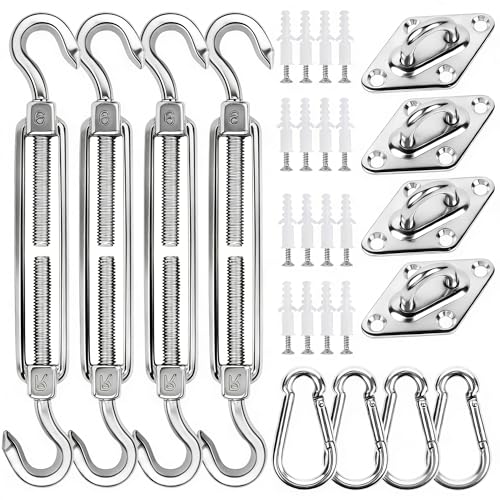
All-in-One Sun Shade Sail Hardware Kit: Our complete shade sail hardware kit includes everything you need for easy installation: 4 turnbuckles, 4 snap hooks, 4 pad eyes, 16 screws, and 16 expansion anchors. Ideal for sun shades outdoor patio, pergolas, awnings for patio, and outdoor sails for shade waterproof.

All-in-One Sun Shade Sail Hardware Kit: Our complete sunshade hanging kit includes everything you need for easy installation: 4 turnbuckles, 4 snap hooks, 4 pad eyes, 16 screws, and 16 expansion anchors. Ideal for sun shades outdoor patio, pergolas, awnings for patio, and outdoor sails for shade waterproof.

🛠️【60 Pcs Sun Shade Hardware Kit】Including 2 x Wall Mount, 2 x Ratchet Winches, 6 x Snap Hook, 2 x Pad Eyes, 4 x Double Rope Clamps, 20 x Screw, 20 x Plastic Expansion Bolts, and 4 x 6.6ft Wire Ropes.
Environmental Advantages of Using Shade Sails
When evaluating environmental benefits, prioritize shade sails for their ability to reduce indoor cooling energy consumption by up to 30% through effective sunlight blockage and temperature regulation. Implement shade solutions using UV-stabilized HDPE or PVC-coated polyester fabrics to maximize UV protection while allowing airflow, preventing heat buildup. Focus on reducing heat accumulation by installing breathable shade sails instead of solid covers, which trap heat and moisture, causing increased cooling loads. Enhance energy efficiency by positioning sails to block direct sunlight during peak hours, lowering HVAC system strain, and extending equipment lifespan. Regularly inspect tension and fabric integrity to maintain peak shading performance. By adopting shade sails, reduce reliance on artificial cooling and advance sustainability goals while creating cooler microclimates and manageable outdoor environments. Selecting sails with high UV protection between 85%-98% ensures optimal shading and durability for long-term energy savings.
Adapting Shade Solutions to Climate and Seasonal Changes
Adjust shade sails seasonally by altering their angle and position to optimize solar control based on climate conditions. During hot months, angle sails to maximize shade, reducing indoor temperatures by 10-15°F, thereby enhancing energy efficiency and lowering cooling loads. Loosen tension and open sides slightly to allow airflow, preventing heat buildup common with solid covers. For cooler seasons, reposition shade sails to admit sunlight, supporting passive heating and reducing heating demands. Remove or retract sails if possible to accommodate seasonal requirements, ensuring flexibility. Inspect mounting points quarterly for wear and adjust attachment height to maintain proper coverage. Use a protractor or angle finder to set sail angles between 20° and 45° depending on sun trajectory. This dynamic approach balances thermal comfort and energy savings year-round effectively. Incorporating canopies made from high-density polyethylene with reinforced stitching can improve durability and UV protection throughout seasonal changes.
Recommended Products
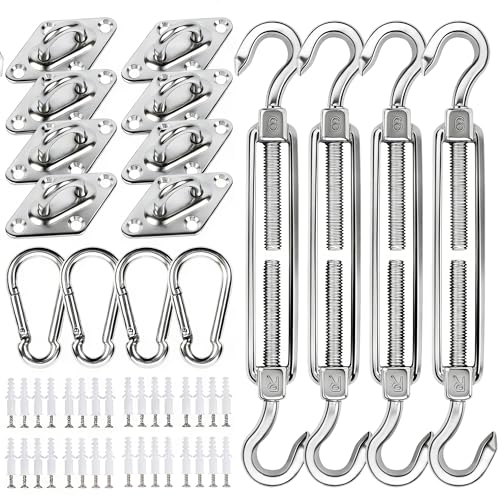
[One Kit for Any Design]: Conquer any shade sail project—rectangle, triangle, hexagon, or custom shapes—with one comprehensive 80-piece kit. Ditch the confusion of piecing together multiple sets. Plus, when installing common square or triangle sails, the extra hardware acts as your instant backup plan, saving you time and hassle if a replacement is ever needed.

Sun Shade Hardware Kit Heavy Duty- This 6" rectangle outdoor shade sail installation kit is made of high quality 304 grade stainless steel. with maximum corrosion resistance and durability, The sun shade hardware kit triangle is extremely strong and resistant to the elements, High load-carrying capacity to keep your sails stable in wind, suitable for windy areas or large fixtures such as sun shade sail, canopy.
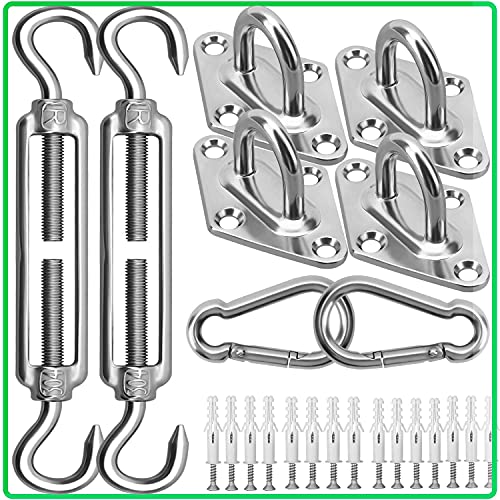
High Quality Shade Hardware Kit - This 6" rectangle outdoor shade sail installation kit is made of high quality 304 grade stainless steel. The hardware kit is extremely strong and resistant to the elements, This is can to support 141s of pounds. High load-carrying capacity to keep your sails stable in wind, suitable for windy areas or large fixtures such as sun shade sail, canopy
Case Studies Demonstrating Energy Savings With Shade Sails
Numerous case studies quantify the energy savings shade sails provide, allowing facility managers and homeowners to plan effective solar control. Evaluate commercial results showing up to a 30% reduction in cooling energy use when shade sails replace solid covers that trap heat. Note a 20% decrease in energy bills in warmer climates, emphasizing operational savings. Measure indoor temperatures regularly; buildings with shade sails remain 10-15°F cooler than those with solid covers, markedly enhancing comfort and efficiency. In residential settings, expect around 15% lower annual energy costs by blocking solar heat while maintaining natural light. Integrate shade sails with other energy-saving strategies to maximize savings between 10-30%. Use these findings to select and position shade sails precisely, ensuring ideal energy performance through evidence-based decisions.
Frequently Asked Questions
What Is the Disadvantage of a Shade Sail?
The disadvantage of a shade sail lies in installation challenges, increased maintenance costs, and limited weather durability. They require precise pitching to avoid water pooling and generally withstand harsh weather conditions less effectively than more robust alternatives.
Do Shade Sails Reduce Heat?
Yes, shade sails greatly reduce heat by minimizing heat absorption through their breathable HDPE fabric. They enhance outdoor comfort while providing essential UV protection, creating cooler, safer spaces even under intense sunlight.
What Can I Use Instead of Shade Sails?
Alternative shading options include pergolas, retractable awnings, and solid covers, offering temporary shade solutions. Natural shade providers like shade trees and green roofs also contribute effectively by reducing heat and enhancing energy savings outdoors and indoors.
Can You Leave Shade Sails up All Year?
Like a trusted guardian shielding from the sun, shade sails can remain year-round with proper seasonal maintenance. Adhering to installation guidelines and choosing materials renowned for durability guarantees lasting protection against weather’s changing moods.