As an Amazon Associate, we earn from qualifying purchases. Some links on this site are affiliate links at no extra cost to you. Our recommendations are based on thorough research and editorial judgment.

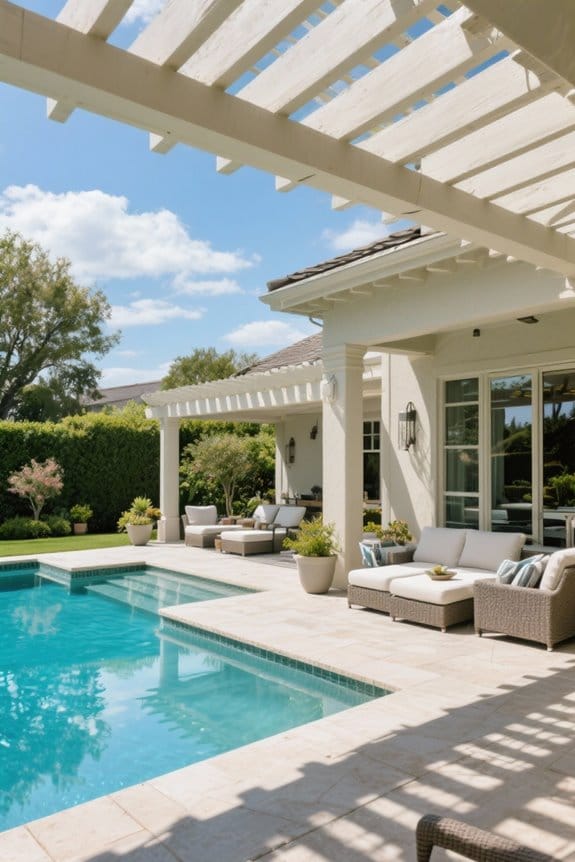
Using Shaded Zones to Maximize Patio Use

Create shaded zones by first measuring patio dimensions, then analyze sunlight exposure throughout the day. Install appropriate shade structures like pergolas with adjustable louvers or retractable awnings, positioning them to optimize airflow and cooling. Add natural elements such as fast-growing trees or vertical gardens with climbing plants for added comfort and UV protection. Maintain structures by cleaning fabric regularly and lubricating moving parts. Arrange movable furniture for flexibility under shade. Further guidance will provide detailed strategies for maximizing outdoor comfort and usability.
Key Takeaways
- Create shaded zones to reduce heat exposure and increase comfort for longer patio use during sunny, hot weather.
- Choose flexible shade structures like retractable awnings or umbrellas to adapt to changing sun angles throughout the day.
- Incorporate natural shade elements such as fast-growing trees or climbing plants to enhance cooling and aesthetic appeal.
- Use strategically placed shade devices to optimize airflow and create cooler microclimates for comfortable outdoor gatherings.
- Maintain and adjust shade structures regularly to ensure consistent protection and extend the usability of patio areas.
Benefits of Creating Shaded Zones
You may be interested

Why prioritize shaded zones on patios? Establish outdoor shade to reduce heat exposure, enhancing comfort during hot weather, and encourage sustained use of the backyard lounge area. Install a covered area, such as a pergola or umbrella, to provide protection from the sun and safeguard furniture from UV damage. Incorporate temporary shade solutions like retractable awnings for flexibility. Position shade devices to optimize airflow, creating cooler microclimates that lower indoor energy costs by reducing air conditioning demands. Plant shade trees strategically, ensuring they do not obstruct pathways or seating. This setup improves air quality and fosters biodiversity. Maximize outdoor living by combining fixed and temporary shade options, facilitating relaxation and entertainment. Monitor shade effectiveness throughout the day, adjusting structures or temporary covers to maintain consistent protection, ensuring the patio remains usable and inviting. Choosing shade solutions made from high-density polyethylene ensures both effective UV protection and long-lasting durability.
Choosing the Right Shade Structures
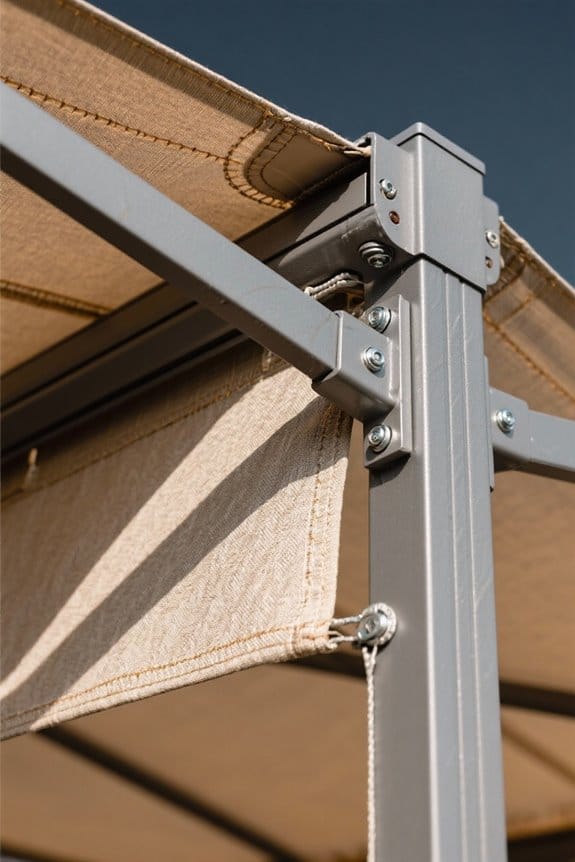
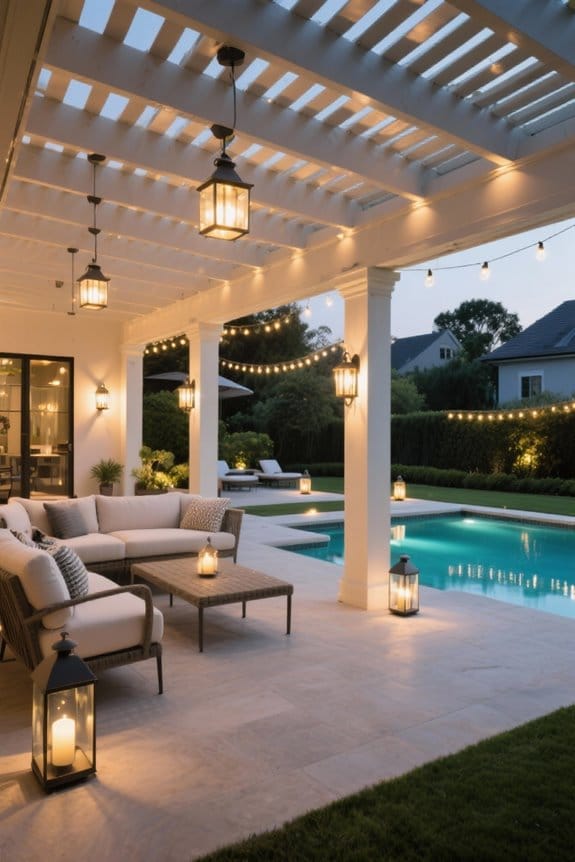
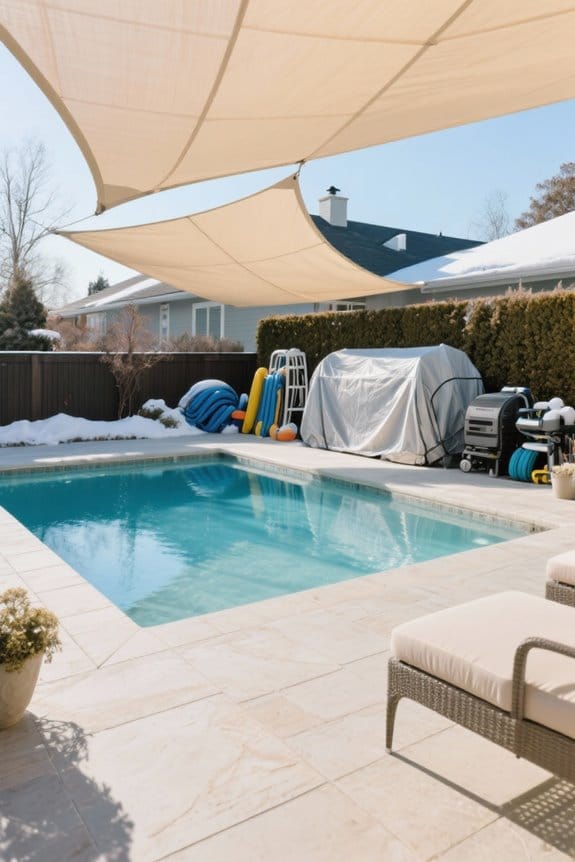
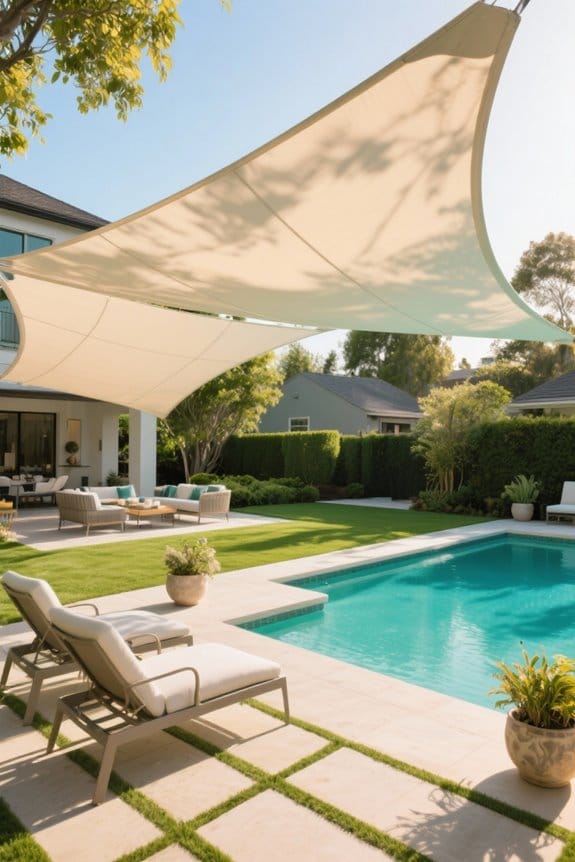
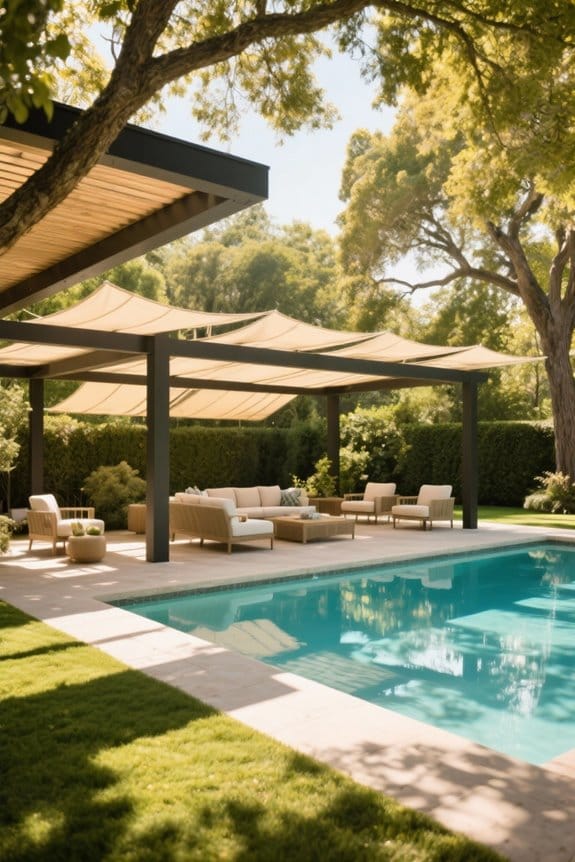
Although selecting the right shade structures requires careful consideration, start by evaluating your patio’s dimensions, sunlight exposure, and typical weather conditions. Choose pergolas for partial outdoor shade, combining them with climbing plants to enhance cooling while complementing outdoor furniture and dining areas. Install shade sails for flexible, modern shade solutions; customize their sizes and colors for ideal UV protection. Position patio umbrellas strategically for targeted shade over seating spots, ensuring portability without permanent installation. Consider covered patio options like retractable awnings for adjustable coverage and year-round protection. For full sun defense, opt for permanent structures such as gazebos or pavilions, designed to withstand weather extremes and accommodate larger gatherings. Assess each choice against your functional needs and aesthetics to maximize patio usability efficiently. Regular maintenance frequency is essential to preserve the durability and effectiveness of shade structures over time.
Recommended Products

【UV Protection & Cooling】Made of 100% brand new High Density Polyethylene material and eliminate the use of splicing fabrics.Blocks up to 95% of harmful UV rays and direct sunlight exposure."Breathable" fabric allows air to pass freely and achieve a certain degree of cooling.
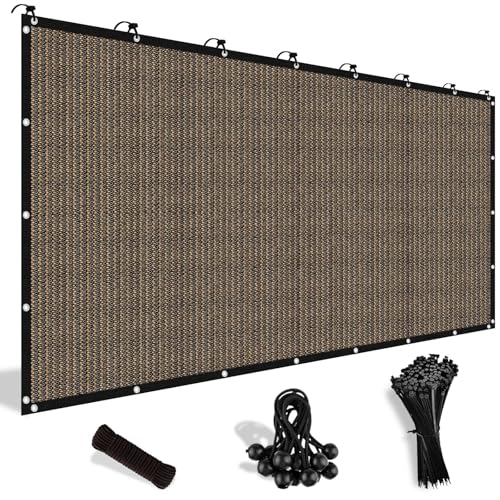
90% Sun Block: Shade&Beyond shade cloth with grommets provides 90% UV protection and resists UV fading. With excellent shading and heat insulation, you can get a shady retreat and keep your belongings away from the sun's harsh effects. By lowering the temperature under its shelter, these sunshades for patio always allow you to enjoy a cool and refreshing outdoor experience, making them ideal for patios, gardens, and more

50% Filtered Sunlight for Gentle Spring Protection: This shade cloth offers a 50% shade rate, which is ideal for the spring season. It filters direct sun while allowing 50% of vital light to reach your plants, helping them thrive as they establish growth without the stress of intense midday sun. A great choice as a garden shade cloth for new seedlings and cool-season crops.
Incorporating Natural Shade Elements
When enhancing patio comfort, incorporate natural shade elements by strategically planting trees such as red maples or oaks, which grow rapidly and provide effective coverage within 5 to 10 years. Select planting locations that optimize shade for key outdoor spaces, focusing on seating areas and outdoor rooms. Use tall shrubs or hedges along patio edges to increase natural shade, improve privacy, and add greenery. Implement vertical gardens with climbing plants to create cooler microclimates while enhancing visual appeal. Arrange seating or dining areas directly under these natural shade zones to maximize comfort and minimize sun exposure. Regularly monitor tree growth and prune branches to maintain shade coverage without overcrowding. These patio ideas balance functionality and aesthetics, ensuring shaded areas remain usable throughout hot seasons without relying on artificial structures. Additionally, incorporating energy-efficient solutions such as cleaning devices using less energy can help maintain outdoor spaces sustainably.
Recommended Products

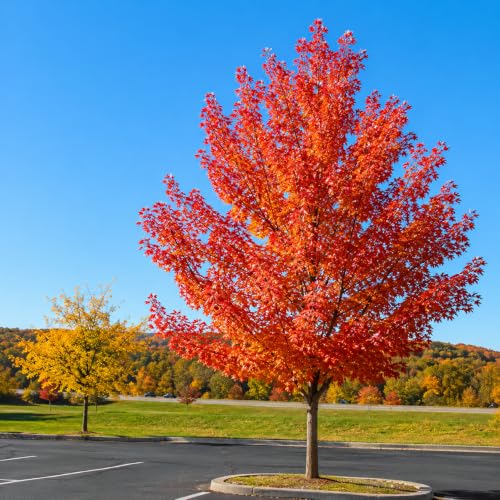
For sale is one Autumn Blaze Maple Tree (also called Freeman Maple) that is approximately 10-16" tall and shipped in a quart pot

🍁 Brilliant Red Fall Color: Famous for their stunning red foliage—adds bold seasonal color and curb appeal to any landscape. Plants ship dormant, no leaves
Designing Flexible and Adjustable Shade Areas
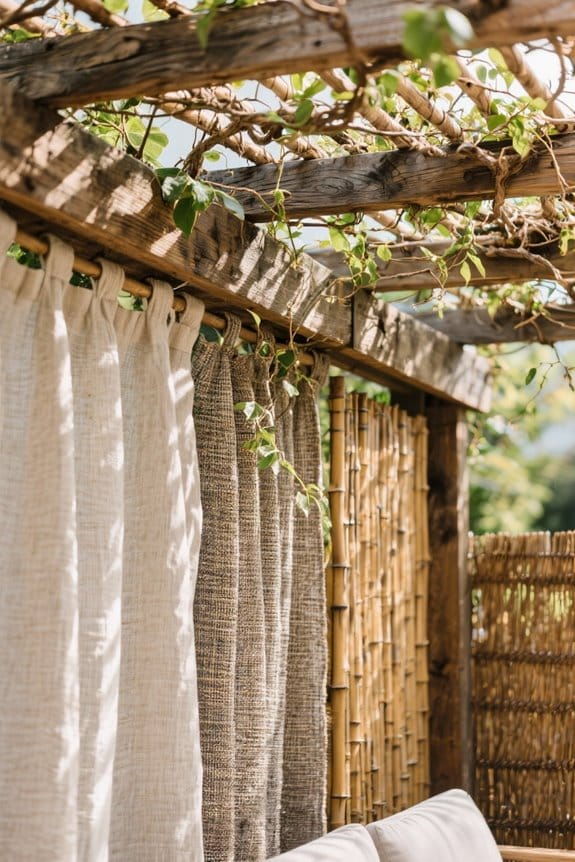
Extend patio shade options by integrating flexible and adjustable solutions that accommodate changing sun angles and user needs throughout the day. Start by choosing adjustable shade solutions like retractable awnings or shade sails, enabling coverage adjustments as sunlight shifts. Add umbrellas strategically to shaded zones, ensuring they optimize airflow and light management. Install motorized shade systems for convenient, precise sunlight control over large areas. Incorporate outdoor curtains on pergolas or covered patios to add shade while enhancing privacy, easily retracting when full sunlight is desired. Arrange movable furniture within flexible layouts beneath these shaded zones to cater to different activities, from dining to relaxation. Regularly inspect mechanical components for wear and recalibrate motorized systems seasonally, ensuring smooth operation and maximum protection in all weather conditions. For optimal performance, selecting shade sails made from high-density polyethylene fabric can effectively block up to 95% of UV rays, enhancing comfort and protection.
Recommended Products

Sunshade & Rain Protection: Beat the heat and stay dry! This 12x10 ft retractable awning is made of durable 280g polyester fabric with a water-resistant PU coating and UV80+ protection, helping to block harmful sun rays while keeping you shaded and comfortable. With fade-resistant color and a sturdy design, it’s built for long-lasting use in your patio, garden, or balcony!

【High Quality】The patio retractable awning is crafted from powder-coated aluminum alloy and rust-resistant steel supporting tubes, ensuring wind resistance up to 28MPH. The 280g/m² Polyester with PU coating fabric is water-resistant, ultraviolet and resistant to sun fading, offering 80UV+ solar protection, and tested for wind resistance on the Beauport scale 4.

Larger shading area: Compared to the traditional 47in side rails in the market, our side rails are extended to 59in, so you can get more shade. Our retractable patio awnings can easily reduce the room temperature by 2°C, which is not only energy efficient, but also won't block your view.
Using Furniture and Plants to Enhance Shade
To enhance patio shade effectively, first position large potted plants or tall shrubs near seating areas, creating natural barriers that block direct sunlight and cool the immediate environment. Select outdoor furniture with built-in shade features such as canopied daybeds or adjustable umbrellas to maintain consistent protection from the sun. Arrange covered seating zones combining plants and umbrellas, ensuring at least 30-inch spacing for air circulation and ease of movement. Use furniture in light colors to reflect sun rays and reduce heat buildup on surfaces. Incorporate durable outdoor rugs within shaded areas to define comfort zones and prevent heat absorption from the patio floor. For excellent shade coverage, adjust umbrella heights to 7-8 feet and angle fabric toward the sun’s trajectory, enhancing protection throughout peak daylight hours.
Recommended Products

Fits 9 FT 8 ribs umbrella frame. Each rib must measure 52" to 54", please measure your umbrella rib length before purchase.

Fits 9 FT 8 ribs umbrella frame. Each rib must measure 52" to 54", please measure your umbrella rib length before purchase.

UV-Resistant and Long-Lasting Protection:Crafted from high-density 500 Denier/180g Polyester fabric,this material is engineered with UV-resistant to block 95% of harmful UVA/UVB rays,this ensures long-lasting sun safety,keeping the fabric vibrant even under daily sun exposure.
Maintenance Tips for Long-Lasting Shade Solutions
Although maintenance may seem tedious, routinely inspect shade structures for wear or damage, checking fabric for frays and metal components for rust. Clean fabric awnings and outdoor umbrellas regularly with mild soap and water to prevent mold and mildew buildup. Apply a UV-protective spray to all fabric shades exposed to direct sunlight to enhance sun protection and prolong longevity. Lubricate moving parts on retractable shade canopies to guarantee smooth operation, avoiding mechanical failure. Store or cover portable solutions, including outdoor umbrellas and shade canopies, during severe weather or offseason to protect them from wind damage. Follow these maintenance tips consistently to maximize your outdoor area’s shaded comfort and guarantee reliable use of your sun protection throughout the year. Additionally, using fabrics with a high-density polyethylene composition can significantly improve durability and weather resistance.
Recommended Products

UNIVERSAL FIT: Replacement umbrella canopy fits 9 FT 6ribs umbrella frame. Each rib must measure 52" to 53", please measure your umbrella rib length before purchase. The diameter of the hole at the very top is about 1 inch.

90% UV Blockage: The pergola shade cloth is made of 200 GSM UV protected high density polyethylene (100%HDPE) shade fabric with strong stitched seam that resists tearing and fraying, up to 90% UV Blockage.

UNIVERSAL FIT: Replacement umbrella canopy fits 9 FT 6ribs umbrella frame. Each rib must measure 52" to 53", please measure your umbrella rib length before purchase. The diameter of the hole at the very top is about 1 inch.
Frequently Asked Questions
What Is the Disadvantage of a Shade Sail?
A shade sail’s disadvantage lies in durability concerns due to fabric degradation, installation costs, wind resistance issues causing sagging, high upkeep requirements, variable UV protection levels, aesthetic considerations, space limitations, and reduced seasonal effectiveness depending on sun angles.
How to Maximize a Small Patio?
Maximizing a small patio involves using compact patio furniture, folding chairs, vertical gardens, and potted plants. Incorporating privacy screens, outdoor lighting, heat lamps, thoughtful color schemes, and efficient space organization enhances comfort and visual appeal.
What Color Sun Shade Is Best for a Patio?
With UV protection levels reducing harmful rays by up to 98%, the best sunshade colors balance patio color impact and heat reduction factors. Light colors offer superior light diffusion qualities, glare reduction effects, and seasonal color variations, enhancing aesthetics and functionality.
What Can I Use Instead of Shade Sails?
Umbrellas alternatives include patio pergolas, retractable awnings, outdoor canopies, and shade structures. Bamboo fencing, vertical gardens, greenery screens, and patio curtains also provide natural or flexible shade solutions, enhancing both privacy and aesthetic appeal.