As an Amazon Associate, we earn from qualifying purchases. Some links on this site are affiliate links at no extra cost to you. Our recommendations are based on thorough research and editorial judgment.

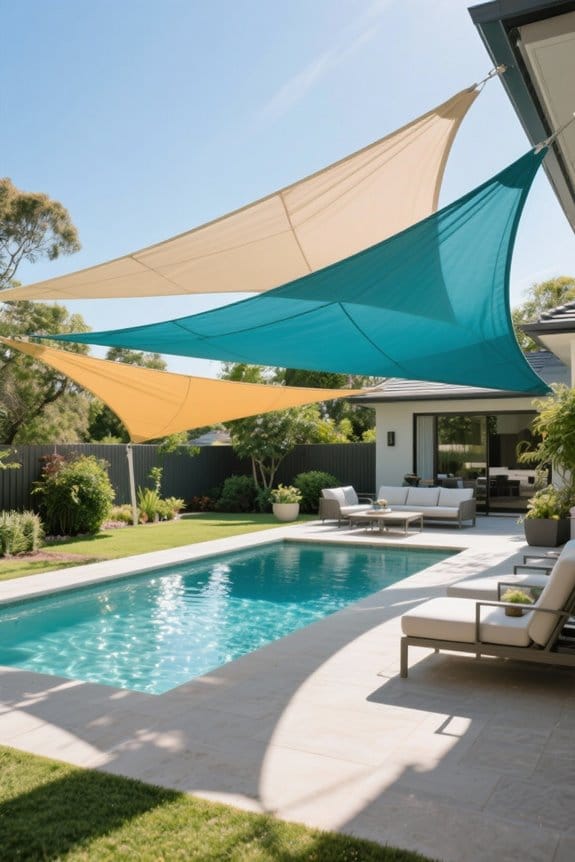
Shade Sail Care and Cleaning Guide

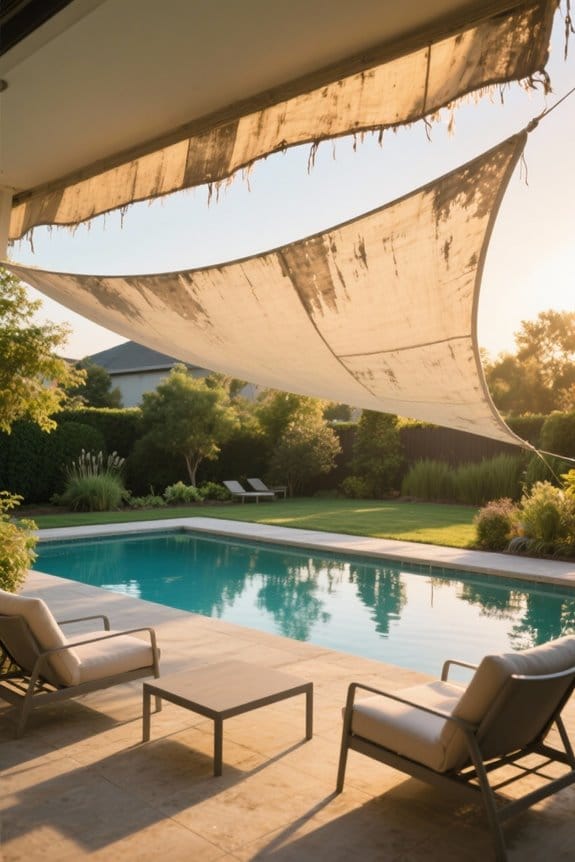
Inspect shade sails every 2-3 months, checking fabric tension to prevent sagging and water pooling. Clean with a soft brush and mild detergent, rinsing thoroughly with fresh water, avoiding high-pressure washers. After strong winds, retighten and inspect fittings for corrosion or fraying. Trim branches within 2 feet to reduce debris accumulation. Dry sails completely before storage in ventilated, dry conditions. Regularly monitor for UV damage and mold to maintain durability. Continued maintenance details enhance longevity and performance.
Key Takeaways
- Inspect fabric tension and fittings every 2-3 months to prevent sagging and damage.
- Clean shade sails quarterly with mild detergent and a soft brush, avoiding high-pressure water.
- Rinse thoroughly after cleaning and dry completely before storage to prevent mold and mildew.
- Check for corrosion and wear on hardware annually and replace damaged parts promptly.
- Retension sails after storms and trim nearby branches to reduce debris accumulation and stress.
Importance of Shade Sail Maintenance
You may be interested
Routine maintenance is essential for extending shade sail lifespan and ensuring effective shading. Prioritize shade sail maintenance by inspecting fabric tension and adjusting it to avoid sagging, which causes water pooling and fabric stress. Clean and maintain the sail at least annually; use a soft brush and mild detergent to remove dirt and prevent mold buildup. Check fittings and lines for corrosion or fraying, replacing hardware where necessary. After storms or high winds, confirm secure attachment and retension as needed. Proper maintenance includes scheduling inspections every 12 months, focusing on fabric integrity, tension, and cleaning effectiveness. Conduct these steps diligently to prevent degradation, extend usability, and maintain protective performance. Adhering to these measures guarantees sustained shade sail function and avoids premature material failure. Additionally, selecting shade sails with UV protection levels of at least 95% will enhance their longevity and effectiveness.
Inspecting Shade Sail Structures Regularly

Move beyond fabric care to assess the entire shade sail structure, ensuring stability and safety. Inspect all stainless steel fittings and tensioning devices for corrosion and looseness, tightening bolts with a torque wrench to manufacturer specifications. Examine the fabric for sagging or pooling water, common signs of lost tension that increase wear and tear. Post heavy use or weather events, closely check attachment points, looking for frayed edges or torn seams. Document findings with photographs, noting date and specific issues to track structural changes over time. Regular inspections support timely maintenance, preventing failures and extending the sail’s lifespan. Establish a biannual inspection routine, adjusting frequency based on environmental exposure. Using a level or straightedge may aid in detecting misalignment or dips that compromise sail performance and safety. Additionally, ensure that the hardware’s load capacity matches environmental stresses to maintain optimal structural integrity.
Effects of Weather on Shade Sails
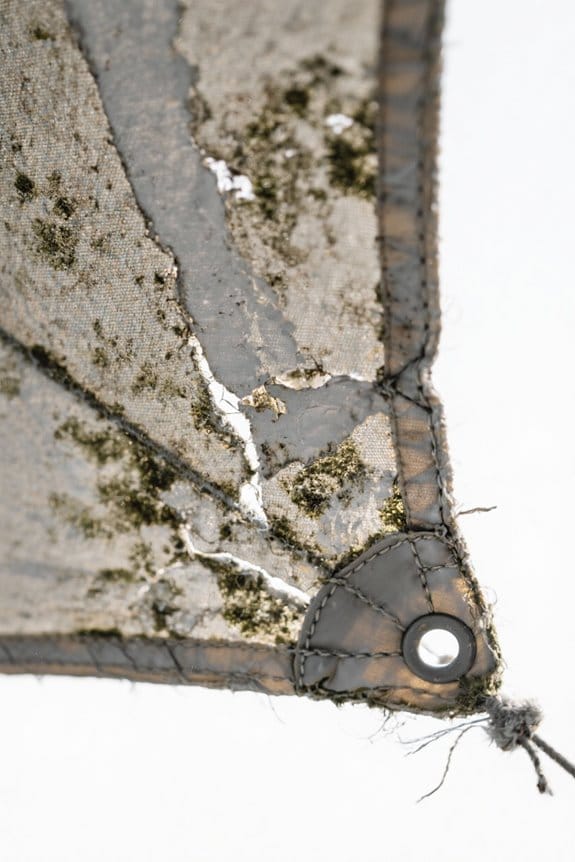
Although shade sails are engineered to endure various weather conditions, it is essential to regularly assess their response to environmental factors to maintain ideal performance. Inspect the shade fabric after wind events, as strong gusts can loosen tension, causing tears or damage. Check for pooling water following heavy rain, as accumulated water stresses the fabric and anchor points, risking deformation. Monitor shade fabric for signs of mold and mildew, especially in humid climates, by examining seams and shaded areas. Protect against UV degradation by observing fading or brittleness, which compromises fabric strength. Remove wind-driven debris promptly to prevent abrasions. Conduct routine inspections during temperature swings, noting any loss in tensile strength that affects safety. Maintain proper tension, employ a tension gauge if available, and replace worn parts before failures occur. Regular maintenance such as rinsing and wear inspections can help extend the life of shade sails and maintain their effectiveness.
Cleaning Shade Sails the Right Way
Maintain shade sail integrity by cleaning every two to three months with a mild detergent solution, mixing approximately one ounce of gentle soap per gallon of warm water. To clean your shade sail, begin by spraying it gently with a garden hose, avoiding high-pressure washers that can damage the fabric. Apply the detergent mix using a soft cloth or sponge, scrubbing stubborn stains carefully to preserve the material’s resistance against UV light. Rinse thoroughly with fresh water to remove all soap residue and prevent buildup. Allow the shade sail to dry completely before folding or storing, preventing mold and fabric deterioration. Regular cleaning helps maintain your shade sail’s appearance and functionality, prolonging its lifespan and optimizing UV protection. Always inspect for wear or tension loss after strong winds to guarantee safety and durability. Additionally, checking for fraying edges and discoloration regularly ensures timely maintenance and repair.
Recommended Products

High-Quality Material: Made of 100% Pure High Density Polyethylene Fabric which has a good durability and ductility. Permeable fabric blocks harmful UV rays effectively and allows air & water to flow to adust tempareture, creating a cooling and comforatble relaxing space for you and your family.

MATERIAL- Our waterproof sunshade sail is made with a 100% polyester fabric with unique woven structure. Blocks up to 95% of the sun's sunshine rays and repels up to 99% of rainwater, keeping cool for you.

❤Resistant Sun Sail - The shade sail protects your children, flowers, plants and cars safe from exposuring under the sun by blocking up to 95% UV rays. Our Square sun shade sails are made from 100% high density polyethylene UV protected fabric.
Recommended Cleaning Frequency
Establish a cleaning schedule based on environmental conditions, aiming to clean shade sails every two to three months to prevent dirt accumulation and mildew growth. Increase the recommended cleaning frequency in dusty regions to maintain fabric integrity and guarantee UV protection remains effective. Inspect monthly for mildew, especially in moist climates, and clean affected areas promptly. Remove debris weekly using a soft-bristle broom to avoid fabric abrasion. Consistent cleaning and maintenance help sustain sail tension and prolong lifespan. Use a mild detergent and soft sponge during cleaning sessions to preserve UV coatings. Always rinse thoroughly with water to eliminate soap residues. Follow this disciplined approach to maintain shade sails in prime condition, guaranteeing continued shade performance and structural durability against weather-related wear. Additionally, consider fabrics with UV-resistant, water-repellent properties to enhance durability and protection.
Removing Mold and Mildew From Shade Sails
Several effective methods exist for removing mold and mildew from shade sails; start by mixing a solution with one gallon of warm water, one tablespoon of mild detergent, and two tablespoons of white vinegar. Wear protective gloves to avoid allergic reactions, then apply the solution using a soft brush or sponge, scrubbing gently to break down mold or mildew without damaging fabric. Rinse thoroughly with low water pressure to eliminate all detergent residue, which can attract dirt if left behind. Inspect your shade sail monthly in humid conditions to catch mildew early. Avoid harsh chemicals that degrade material. Remember to wash your shade regularly to maintain its condition. This routine helps guarantee fungal growth is removed efficiently, preserving both appearance and durability. For the best results, always use mild detergent cleaning as recommended for maintaining shade sail fabric.
Recommended Products

Recycled Material: Made of high quality material, with 50% of its composition being recycled materail. All parts of blinds can be recycled. Environmentally friendly, Waterproof, UV and fade resistant. Protecting your furniture from being exposed to the sunlight and rain. Perfect for indoor windows, french door, patio, porch, gazebo, pergola, garden, cabana, pool area, pavilions, balconies.

PACKAGE INCLUDES: 1 triangle sun shade ( The edge is curved, not straight), measuring 20 x 20 x 20 feet long. (Measured from one D-ring to another) with 3 sturdy nylon ropes measuring 1.5 meters on each. These shades offer a comfortable, attractive and stylish solution to beat the heat in your outdoor living area.

EASY APPLICATION - Our Premium RV awning cleaner simplifies the cleaning process, effortlessly tackling dirt, grime, tree sap, bird droppings, and stains to restore your awning's pristine look.
Proper Drying and Storage Practices
Before folding the shade sail, verify it is completely dry by spreading it flat on a clean, absorbent surface in a well-ventilated area, ideally under indirect sunlight to avoid UV degradation. Confirm proper drying to prevent mold and mildew, common culprits that shorten the lifespan of your shade. Once fully dry, fold the sail neatly, avoiding creases that may weaken the fabric. Implement effective storage practices by placing the folded sail in a protective bag designed for outdoor fabrics. Store it in a cool, dry location, free from chemicals, sharp objects, and excessive humidity. Regularly inspect stored sails for any mold signs, especially after long storage. Adhering to these steps preserves fabric integrity, confirming the shade sail remains durable and functional season after season. Additionally, choosing sails made from high-density polyethylene can further enhance durability and UV protection over time.
Handling Shade Sails After Wind Events
Once the shade sail is properly dried and stored, attention must shift to actions after strong wind events. Inspect shade sails immediately for loss of tension and fabric movement, which can loosen fasteners. Check for pooling water, tears, or fabric wear caused by wind stress. Use a tension meter or gauge to measure tension; re-tension sail hardware as needed to restore ideal tension between 15 and 30 kg/cm². Document conditions with clear photos before and after winds for maintenance records. Clean affected areas with mild detergent and water to prevent dirt build-up and fabric degradation. Address small tears with UV-resistant repair tape promptly. Regular inspections after wind events prevent structural failure, extend sail lifespan, and guarantee user safety by maintaining consistent tension and structural integrity. Additionally, proper maintenance inspections are crucial to identify and address wear early, similar to how pool ladders benefit from routine checks for corrosion and stability.
Recommended Products

TIGHT WOVEN FABRIC: Our canvas pergola cover is made from loomstate heavy duty 18 oz/ 37 Mil/ 610 gsm numbered duck fabric which is Grade "A" Premium Double Filled or "Plied Yarn" of industrial-grade which creates a tighter weave construction and smoother texture than single fill cotton ducks. The tight dense weave makes the tarp stiffer and more durable for outdoor applications. The waxed-treated tarp makes them Water Repellent.
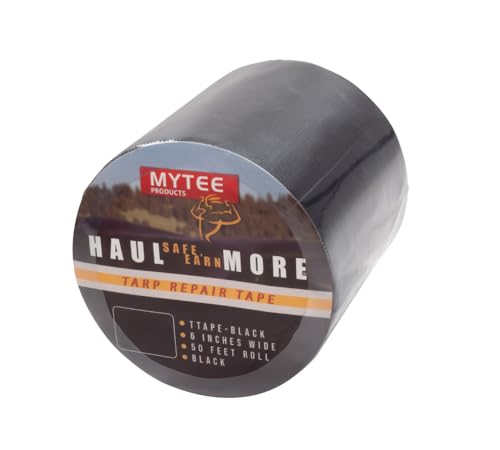
Size: 6" x 50' | Color: Black | Material: 8.8 OZ PVC Fabric

Heavy Duty Sail Repair Tape
Trimming Overhanging Trees and Branches
While maintaining shade sails, regularly trim overhanging tree branches using pruning shears or a pole saw, focusing on limbs within 2 feet of the fabric. Remove these overhanging branches to prevent debris accumulation, which reduces necessary cleaning. Ascertain cuts are clean and angled to promote healthy regrowth and avoid damaging the tree. Trimming limits wear and tear on the shade sail fabric, preventing early deterioration and compromising its structure. Clear space around sails also minimizes storm or wind damage risks by reducing possible dislodgment. Additionally, pruning enhances airflow, helping the fabric dry quickly and inhibiting mold growth. Keep branches trimmed to allow controlled sunlight, enhancing shade sail effectiveness when desired. Regular maintenance through trimming overhanging branches is essential, requiring proper tools and consistent inspection to maintain peak shade sail performance and longevity. It is also important to consider the wind resistance of your shade sail during maintenance to ensure it remains securely installed under seasonal conditions.
Recommended Products

Cuts hard-to-reach branches from aerial basket or from the ground
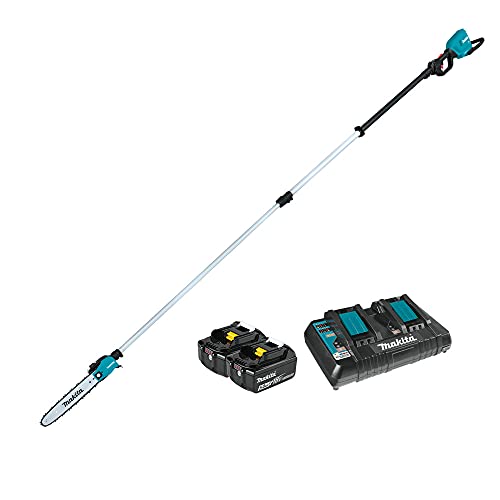
Telescoping shaft easily adjusts length from 9 ft. to 13 ft. allowing access to hard-to-reach branches
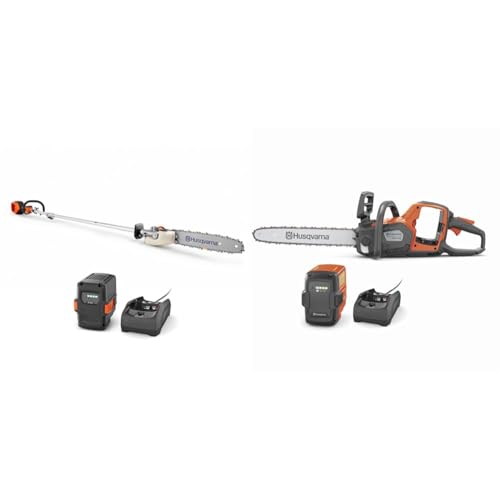
UP TO 12-FOOT REACH pole saw easily trims high branches for a 6-foot tall user
Safeguarding Shade Sails From Damage
Continue managing the environment around the shade sails by conducting thorough inspections to detect wear, tension loss, or water pooling early. Check for fabric abrasions, seam stress, and guarantee the shade maintains proper tension to prevent sagging. After strong winds, examine attachment points and re-tighten if needed. Trim any overhanging branches to avoid shade surface damage and dirt accumulation. Avoid applying harsh chemicals when cleaning; use mild soap solutions to clean gently, preserving fabric integrity. Maintain a photographic log documenting sail condition, facilitating identification of subtle wear patterns. In commercial settings, consider surveillance cameras to deter vandalism, securing the shade structure effectively. Promptly address any identified damage to extend service life and preserve safety. Follow these steps systematically for best shade sail protection without lengthy downtime. Additionally, use high-quality hardware to ensure long-lasting and secure connections during maintenance.
Recommended Products

Super Heavy-Duty Commercial Grade Design: Crafted from 280GSM extra-heavy-duty permeable fabric and reinforced with stainless steel mounting rings. The patented Artpuch design integrates steel cables into the edges, directing all pulling tension to the cables—enhancing both durability and appearance for commercial and residential use.

𝗖𝗢𝗟𝗢𝗥 & 𝗦𝗜𝗭𝗘: Classic Series Features a Gray Frame, Fabric Color: Canvas Umber (solid), Size: 13' Wide x 10' Projection Full Extension. Advaning Awnings are 100% Fully Pre-Assembled and Ready for Installation.

Premium Material: Our sun shade sail is made of 260 GSM high density polyethylene fabric. The fabric design effectively blocks direct sunlight and UV rays, while its breathable properties promote air circulation, enhancing comfort in outdoor environments.
Enhancing Longevity Through Routine Care
Perform routine maintenance on shade sails by inspecting tension, checking for fabric wear, and cleaning every 2-3 months to prevent mildew buildup. Apply low pressure water rinses to avoid fabric damage, and use a mild detergent that must not contain bleach or strong chemicals to protect material fibers. Make sure your shade remains taut by re-tensioning annually, especially following storms, to prevent pooling and structural strain. Clean sails preferably on sunny days, as sunlight aids rapid drying, reducing mold risks. Store shade sails only when completely dry, folded loosely, and placed in a cool, dry environment to preserve fabric integrity. Regular maintenance eliminates dirt and mildew, maintaining ideal shade coverage and extending sail life expectancy. Consistent care mitigates weather wear, making certain the shade performs reliably season after season.
Frequently Asked Questions
What Is the Best Way to Clean a Shade Sail?
The best cleaning methods for a shade sail involve eco-friendly solutions like mild detergent with warm water and vinegar for stain removal tips. Gentle scrubbing and low-pressure rinsing maintain fabric integrity while preventing damage from harsh chemicals.
How Often Should Sails Be Cleaned?
Cleaning frequency recommendations suggest every 2-3 months, increasing to monthly in dusty areas. Seasonal maintenance tips include debris removal and mildew treatment. Environmental impact considerations favor gentle methods to preserve materials and reduce chemical use.
Can You Leave Shade Sails up All Year?
Shade sails can remain year-round, but shade sail durability faces testing. Sudden storms and heavy snow threaten fabric integrity. Seasonal considerations demand vigilance, as weather impact may slowly undermine their strength, urging removal during harsh conditions to prolong lifespan.
Can You Pressure Wash Sails?
Pressure washing techniques are generally discouraged due to potential damage to sail fabric. Sail material considerations prioritize gentle cleaning methods. Cleaning frequency tips suggest regular low-pressure rinsing to preserve integrity, avoiding harsh treatments that accelerate wear and compromise durability.