As an Amazon Associate, we earn from qualifying purchases. Some links on this site are affiliate links at no extra cost to you. Our recommendations are based on thorough research and editorial judgment.

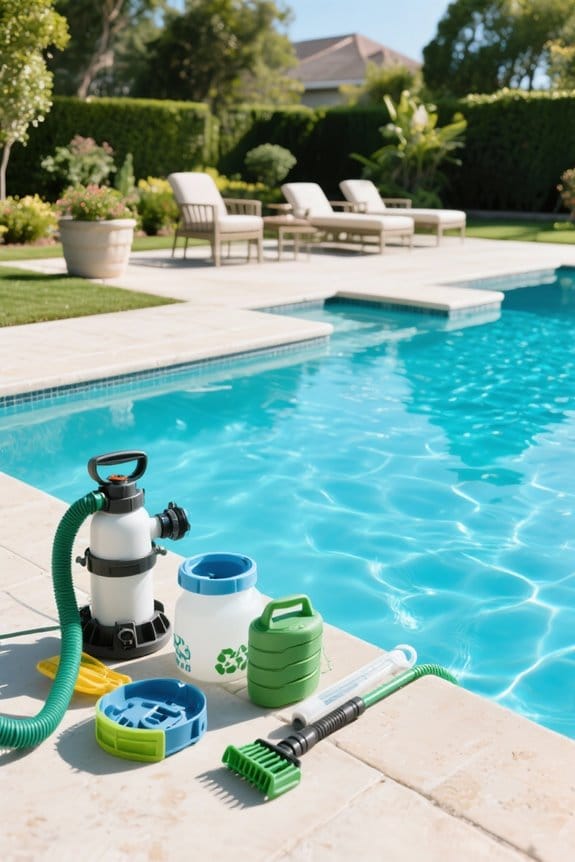
Assessing Pool Equipment Recycling Options

Assess pool equipment by categorizing vinyl, metals, polyethylene, PVC, and ABS components, cleaning thoroughly to remove dirt and residues. Separate reusable vinyl sections and cut scraps into 12-inch squares for sorting. Extract metals like copper plumbing using pipe cutters and verify purity visually or magnetically. Cut polyethylene covers under 3-foot squares, confirm local acceptance, and explore donations. Identify and separate PVC and ABS parts, cleaning all plastics before transport. Evaluate mechanical wear to choose refurbishing or recycling options. Detailed guidance follows to optimize recycling outcomes.
Key Takeaways
- Verify local acceptance policies for ABS pipes, PVC, vinyl, metals, and polyethylene before recycling pool equipment materials.
- Clean and sort pool equipment thoroughly by material type to optimize recycling processes and reduce contamination risks.
- Separate valuable metals like copper, stainless steel, and bronze from pool components to maximize scrap value.
- Assess pool equipment condition to decide between refurbishing or recycling, prioritizing safety and cost-effectiveness.
- Collaborate with certified recyclers and maintain documentation to ensure compliance and track recycling efficiency.
Vinyl Pool Equipment Recycling Opportunities
You may be interested


When preparing vinyl pool liners or automatic covers for recycling, begin by thoroughly cleaning the materials to remove dirt, debris, and chemical residues, ensuring recyclers receive uncontaminated inputs. Inspect vinyl pool equipment for tears or excessive wear; separate reusable sections for donation or reuse programs. Cut scraps into manageable sizes, ideally 12-inch squares, to facilitate sorting at local recycling facilities. Use blue recycling bins designated for vinyl materials, verify acceptance policies at your local recycling center beforehand, and avoid mixing with incompatible waste streams. Handle reinforced vinyl carefully, as embedded fibers require specialized processing equipment at recycling plants. Document batch weights and sources to assist local recycling coordinators with inventory tracking. This systematic approach maximizes the recovery potential of vinyl pool equipment, supports sustainability efforts, and reduces environmental impact within the pool maintenance industry. Additionally, consider using weather-resistant materials to extend the lifespan of recycled or reused pool components and optimize their performance.
Recommended Products

THE FIX-IT-ALL TAPE: Most versatile tape for quick repairs; clear color for discreet repairs; add to repair kit for home, marine, sporting and pool patching applications; repair recreational equipment such as pools, pool covers, boat covers, inflatables, tents, canopies and more

COMPLETE VINYL POOL PATCH REPAIR KIT Everything you need for fast repairs: clear 10” x 10” 20 Gauge vinyl patch, 1 oz. tube of professional grade vinyl cement, applicator brush, and prep wipes. This all in one vinyl pool patch repair kit makes fixing tears simple and reliable.

country of origin : United States
Salvaging and Recycling Metals From Pools
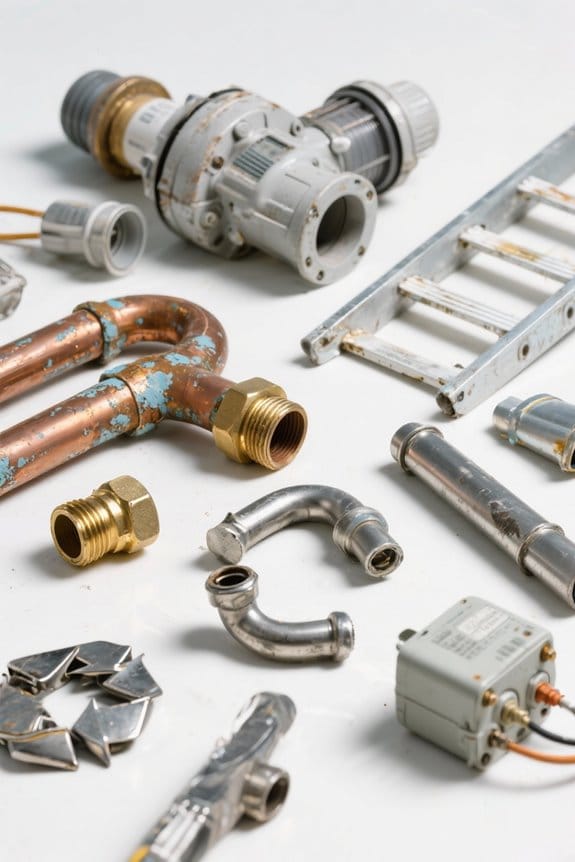
Expand recycling efforts by extracting metal components from pool equipment, which often include motors, filter tanks, heaters, copper plumbing, and ladders. Begin by carefully detaching copper pipes with a pipe cutter, ensuring minimal damage to maximize scrap value. Remove stainless steel and bronze heater parts, such as headers, using a wrench set tailored for tight fittings. Extract dead motors intact to evaluate possibilities for refurbishment or direct metal recycling. Separate mixed metals by type before transport to county landfill recycling centers, facilitating efficient processing. Salvaging these materials requires gloves, safety goggles, and proper tools like metal snips and pliers. Confirm metal purity visually or with a magnet test for ferrous versus non-ferrous metals. Prioritize thorough cleaning to avoid contamination. Recycle promptly to benefit from fluctuating metal market prices and reduce environmental impact through effective metal recycling. Additionally, incorporating durable materials from pool steps and ladders in the recycling process can help further reduce waste and support sustainability initiatives.
Recommended Products

4-IN-1 PROFESSIONAL POOL CLEANING KIT: Complete your pool maintenance kits with this versatile 4-piece set! Includes a widened inclined pool net, a half-depth pool skimmer net, a heavy-duty 16.5" pool brush, and a 90° rotatable scrub brush. This kit provides all the essential cleaning tools you need (Note: pole is not included).
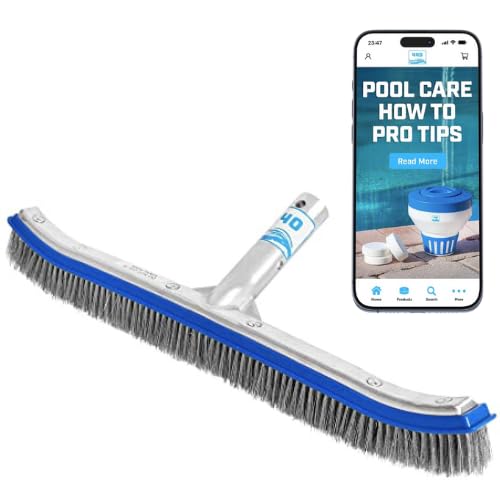
Pool Cleaning Made More Efficient - This 18" wide pool cleaning brush allows you to cover more floor or wall areas with every stroke. The curved edges make it more effective in cleaning corners.

1 quart per 10,000 gallons of water
Options for Repurposing Fiberglass Pool Components
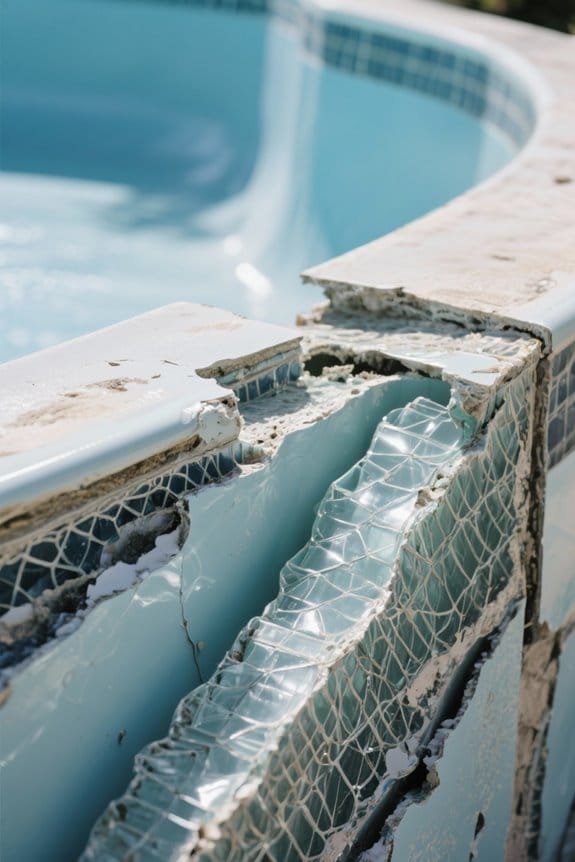
How can fiberglass pool components be effectively repurposed to extend their usefulness? Begin by evaluating the condition: uncracked fiberglass slides can be listed on platforms like Craigslist, promoting recycling through resale. For cracked components such as sand filter tanks, cut and reshape them into large bins or planters using saws suitable for composite materials, securing edges with resin sealant. Reach out to local community groups, offering fiberglass materials for restoration or creative projects to support sustainable reuse and reduce landfill contributions. Consider relocating repurposed slides to lakes or rivers, providing additional recreational value while minimizing new water usage from pool maintenance. These steps address fiberglass recycling challenges pragmatically, prolonging service life and conserving resources in pool equipment management without relying on limited traditional recycling pathways. Additionally, integrating durable components with scuff-resistant hoses can enhance the longevity of repurposed pool equipment used in outdoor settings.
Recommended Products

For repairing, resurfacing and rebuilding a range of materials

J-B Weld Fiberglass Putty is a fiberglass-reinforced, two-component putty system that provides waterproof, durable repairs to cracks up to ½ inch on fiberglass, composites, metal, and concrete.

Instantly Restore Glossy White Tubs Like New: Flawlessly cover ugly chips, cracks, holes, scratches, dents, peel and rust with a smooth glossy white finish that blends into tubs, sinks, showers and tile surfaces for seamless-looking repairs
Polyethylene Materials in Pool Equipment Recycling
Shift focus from solid fiberglass parts to flexible polyethylene materials, commonly found in pool covers and solar blankets. Inspect pool covers for damage, remove debris, and wash thoroughly using mild detergent to prevent recycling contamination. Cut larger polyethylene sheets into manageable pieces under 3 feet square for easier transport. Consult local recycling facilities to confirm acceptance of PE or LDPE materials, as regulations vary. If accepted, deliver cleaned polyethylene components separately to designated collection points. Alternatively, consider donating reusable pool covers to community projects like scout troops or construction programs, extending material life. Explore repurposing options—transform polyethylene into waterproof tarps or bags supporting water recycling systems and outdoor utility. Always prioritize proper sorting, cleaning, and separating polyethylene items to maximize recycling success and reduce rejects. Address any material wear or contamination promptly to maintain processing efficiency. Additionally, incorporating durable materials in pool equipment can enhance the lifespan and recyclability of polyethylene components.
Recommended Products

6 PAIRS, UP TO 300 USES: Includes 6 pairs of reusable nipple covers for women, with each pair designed for up to 50 wears when properly cleaned and stored; enjoy up to 300 total uses, delivering year-round value for everyday outfits, travel, special occasions, and use as bridal accessories.
WATERPROOF ARM SLEEVE FOR CASTS, BANDAGES, AND WOUND DRESSINGS: Bloccs waterproof cover keeps casts, bandages, and wounds dry during swimming, showering, and other water activities

WATERPROOF ARM SLEEVE FOR CASTS, BANDAGES, AND WOUND DRESSING: Bloccs waterproof cover keeps casts, bandages, and wounds dry during swimming, showering, and other water activities
Managing PVC and ABS Plastics Responsibly
When handling PVC and ABS plastics from pool equipment, first identify each material carefully, using labels or product documentation, since proper sorting is essential. Separate PVC components such as pipes and filter tanks from ABS parts like pump housings, as many recycling centers accept PVC but not ABS. Consult local government websites to locate drop-off points for environmentally friendly disposal. Avoid landfill disposal by following these guidelines precisely, preventing environmental pollution. For PVC parts, consider innovative upcycling options—cut pipes into gardening tool handles or create custom household items, reducing plastic waste. Clean all plastics thoroughly, removing residues, before transport. Track facility acceptance criteria and confirm schedules. Prioritize sorting accuracy to enhance recycling efficiency, minimizing contamination risks. Maintain documentation for each batch processed to comply with local recycling protocols. Regularly inspect and maintain any pool equipment components to prevent damaging materials before recycling, which aligns with effective pool maintenance practices.
Recommended Products

【Heavy Duty & Premium Quality】The Libraton PVC pipe cutter body is made of durable hardness aluminum alloy steel. The thick 3mm blade used is SK5 material with precision sharped and Teflon coated. Sturdy construction and big size suitable for heavy-duty use.

PREMIUM QUALITY - Constructed with rust-free, heat-treated alloy steel, this Ultimate Tube Cutter Set ensures long-lasting durability and top-notch performance.

Ratchet Drive Technology: This PVC cutter tool, specifically designed as a Pex/Pvc cutter, adopts an advanced ratchet drive system that's easy to rotate, enabling fast, efficient, and labor-saving cutting
Handling and Recycling Pool Chemicals Safely
Extend responsible practices from managing plastics to handling pool chemicals by adhering to specialized disposal methods. Never dispose of pool chemicals in regular trash or pour them down drains; instead, transport them in original, clearly labeled containers to designated hazardous waste facilities. Consult each product’s Material Safety Data Sheet (MSDS) before disposal to follow precise chemical disposal protocols. Utilize local municipality drop-off days or approved hazardous waste sites for unused or expired chemicals. Avoid mixing chemicals to prevent dangerous reactions, and secure containers tightly during transport. When available, participate in pool chemical recycling programs that repurpose or neutralize substances, enhancing environmental safety. Follow these steps meticulously to minimize risk and guarantee compliance with environmental regulations, maintaining safety for personnel and communities involved in chemical disposal. It is essential to adhere to local regulations regarding hazardous waste disposal to ensure safe handling and environmental protection.
Collaborating With Local Recycling Facilities
How can local recycling facilities support responsible disposal of pool equipment? Contact centers to confirm accepted materials, such as metals, vinyl, PVC pipes, and plastics. Pre-sort and clean items before delivery, removing debris and residues to meet facility standards. Verify if ABS pipes are recyclable locally, as acceptance varies. Collaborate with organizations like Habitat for Humanity to donate reusable vinyl pool covers or parts. Promote community efforts focusing on recycling water and pool maintenance by encouraging residents to responsibly handle pool equipment disposal. Document procedures and checklist requirements for each facility to streamline the process. Regularly update contacts to address changes in recycling guidelines, ensuring compliance. Prioritize proper preparation and communication, minimizing contamination risks and enhancing recycling efficiency at local centers. Additionally, considering the use of pool maintenance tools like cordless vacuums with efficient battery life can reduce waste by extending equipment usability.
Refurbishing vs. Recycling: When to Choose Each
Evaluate each piece of pool equipment by carefully inspecting for mechanical wear, corrosion, cracks, or deformation, noting pump seals, motor bearings, and filter cartridges specifically. If components like motors or stainless steel parts function safely with minimal issues, prioritize refurbishing to extend service life and save costs. Repair worn seals, replace damaged bearings, and clean or swap filter cartridges as needed to restore equipment performance. Conversely, when extensive damage or safety risks arise, cease refurbishing attempts and opt for recycling instead. Separate recyclable metals and plastics and consult local facilities for guidelines, ensuring materials are properly processed. Balancing refurbishing versus recycling decisions depends on equipment condition, potential longevity, and cost-effectiveness. Follow these systematic steps to maximize resource use while maintaining pool system reliability. Additionally, consider how maintenance choices affect equipment warranties and long-term pool operation costs to make informed decisions.
Environmental Benefits of Pool Equipment Recycling
Recognize that recycling pool equipment greatly reduces landfill waste by diverting metals, plastics, and vinyl for repurposing. Prioritize separating copper and stainless steel components; recycling metals saves up to 75% energy versus new production, markedly lowering environmental impact. Extract pool liners and covers made of reinforced vinyl carefully to avoid damage; these materials support a circular economy by being reprocessed into new products. Inspect filters and heaters for residual chemicals; proper disposal prevents contamination of soil and groundwater, protecting ecosystems. Implement systematic collection and sorting protocols to maximize recycling efficiency, reducing greenhouse gas emissions linked to manufacturing. Verify equipment cleanliness before recycling to meet facility requirements. Follow local regulations and use certified recyclers to guarantee compliance, reducing environmental impact more effectively. Regular monitoring and adjustment of pool water chemistry, including pH levels, ensure the contents of equipment do not pose risks during recycling processes.
Community Engagement in Sustainable Pool Maintenance
Frequently involve community members in sustainable pool maintenance programs to amplify recycling efforts and reduce waste. Organize community workshops that demonstrate repurposing fiberglass slides, cleaning equipment, and other pool components, reducing landfill contributions. Partner with local recycling facilities to establish accessible drop-off points for scrap metals, vinyl, and plastics used in pool construction. Implement educational sessions targeting residents and youth groups to explain proper disposal methods, contamination avoidance, and recycling system operations. Schedule local collection events for obsolete pool equipment, reinforcing responsibility and sustainability within neighborhoods. Track participation rates to identify gaps, provide troubleshooting for common recycling issues, and adjust protocols accordingly. Emphasize consistent communication through newsletters or social media, ensuring community engagement remains high and recycling system performance optimizes over time. Additionally, highlighting the benefits of automatic on/off switches in submersible pool cover pumps can encourage recycling of advanced pool equipment technology.
Frequently Asked Questions
What to Do With Old Pool Equipment?
Old pool equipment from a pool renovation can be repurposed or recycled through eco friendly alternatives. Metals are scrapped, vinyl liners reused or recycled, fiberglass components creatively repurposed, and PVC/ABS materials processed locally or donated.
What Are Three Examples of Items That Can Not Be Recycled?
Three examples of non-recyclable items include plastic bags, which are non recyclable plastics; styrofoam coffee cups, due to composite materials; and cracked fiberglass tanks, often considered hazardous materials requiring proper disposal or repurposing.
How to Identify Recyclable Items?
Recyclable items reveal themselves like whispers in the wind, guided by material types and recycling processes. Metals, vinyl, polyethylene, PVC pipes—they each signal suitability through labels, texture, and composition, enabling precise separation for sustainable reuse.
How to Dispose of Pool Inflatables?
Pool inflatable disposal involves checking local recycling centers or donation programs. Eco-friendly alternatives include repurposing damaged inflatables for crafts or cushions, ensuring cleanliness to prevent contamination, thereby supporting sustainable and responsible waste management practices.