As an Amazon Associate, we earn from qualifying purchases. Some links on this site are affiliate links at no extra cost to you. Our recommendations are based on thorough research and editorial judgment.

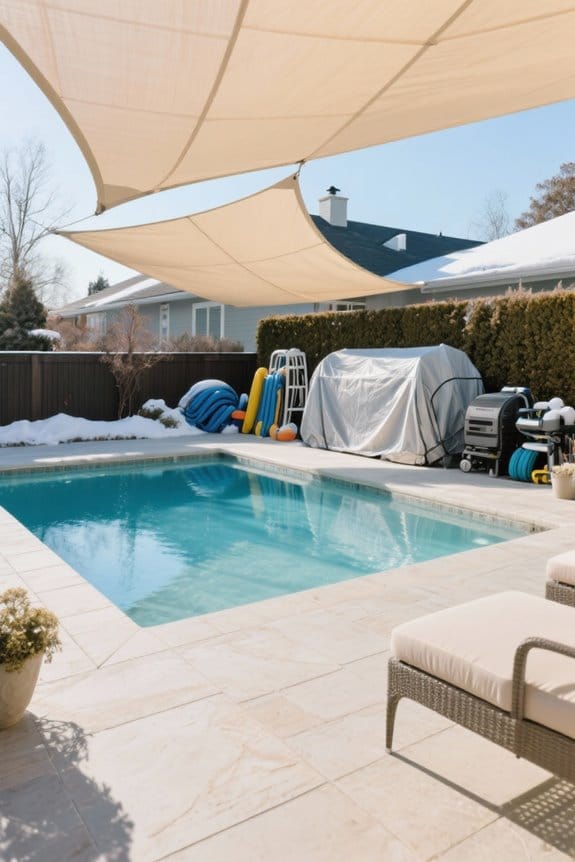
Winter Storage Tips for Pool Equipment and Shade Sails

Disassemble pool pumps and filters, drain all water, clean with mild detergent, then dry thoroughly to prevent corrosion. Remove and wash shade sails using soft brushes and mild soap, rinse, and dry completely in sunlight to avoid mildew. Store shade sails flat or loosely rolled in breathable bags to maintain fabric integrity. Organize pool toys deflated, cleaned, and dried, while securing chemicals in labeled, lockable, ventilated cabinets. Follow these steps precisely to guarantee durability; additional guidance on seasonal safety and reopening awaits.
Key Takeaways
- Thoroughly clean and dry pool equipment and shade sails before storage to prevent mildew, rust, and fabric damage.
- Disassemble shade sails and store them in breathable bags to allow air circulation and avoid sharp folds.
- Drain water completely from pool pumps and filters, then store them indoors on raised platforms away from moisture.
- Store pool toys deflated and in sealed, labeled containers to protect from pests and maintain shape.
- Keep pool chemicals in original, tightly sealed containers stored in a cool, ventilated, and lockable cabinet above ground level.
Importance of Proper Cleaning Before Storage
You may be interested


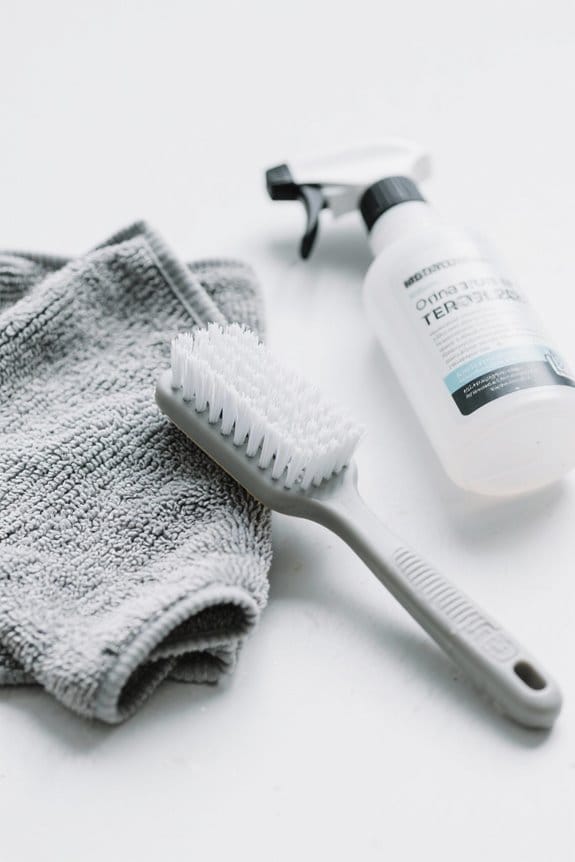
Begin by disassembling larger equipment like shade sails to access all components thoroughly. Use appropriate cleaning tools such as soft brushes, sponges, and garden hoses to wash surfaces. Apply a mild soap and water solution to clean thoroughly to remove dirt, chemicals, mold and mildew, preventing material degradation. Pay close attention to detail, cleaning seams and hardware meticulously to avoid hidden moisture traps. Rinse all components completely to eliminate soap residue that could cause corrosion during storage. Allow every item to dry fully before storing, as moisture promotes rust and mildew growth. Implement routine cleaning as part of proper care to identify early signs of wear or damage, enabling timely repair. Neglecting these steps compromises longevity and performance, making proper cleaning essential for effective winter storage preparation. Additionally, consider the importance of UV protection features when selecting materials to ensure durability and long-term resistance to environmental damage.
Best Practices for Storing Pool Pumps and Filters
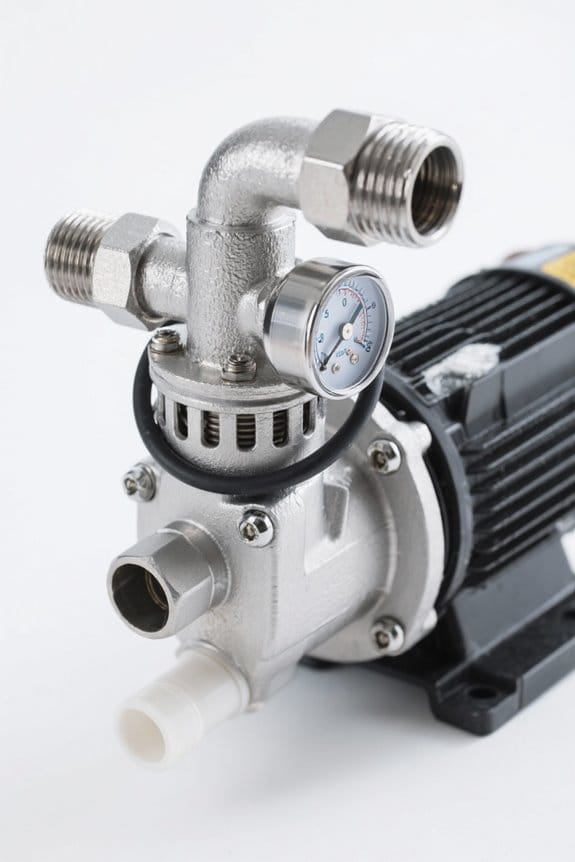
Although winter storage may seem straightforward, improper handling of pool pumps and filters often leads to costly freeze damage. To protect your pool, completely drain water from the pool pump and filters, eliminating all moisture before storage. Clean the equipment with an appropriate solution, then allow it to dry thoroughly to prevent mold and rust. Store the equipment indoors, ideally on a raised platform in a shed or garage, to avoid ground moisture exposure. For non-removable filters, remove drain plugs and follow the manufacturer’s cleaning instructions before storage. Inspect all components carefully, replacing any worn or damaged parts to avoid problems next season. These maintenance steps guarantee proper storage during winter storage and promote equipment longevity and peak performance when reinstalled. Additionally, regular inspection and cleaning of the detachable baskets before storage helps maintain optimal pump efficiency and prevents clogging.
Recommended Products

【Sand Filter Pump Winter Cover】:Based on large amount of market investigation,Our pool sand filter cover is suitable for 14-16in sand filter pump, Please measure carefully before placing your order.

600D Heavy-Duty Oxford Fabric, Waterproof & UV-Resistant — Built with reinforced 600D Oxford cloth and a silver-coated inner lining, this pool filter cover delivers all-weather protection against rain, snow, frost, dust, bird droppings, and harmful UV rays. Designed to extend the life of your sand filter pump season after season

【Universal Style】:Size is 25.9"L x 24.4"W x 28.3"H.Suitable for 17-20 Inch sand filter pump on market.Please measure your machine carefully before placing your order.
How to Prepare and Store Pool Covers and Shade Sails
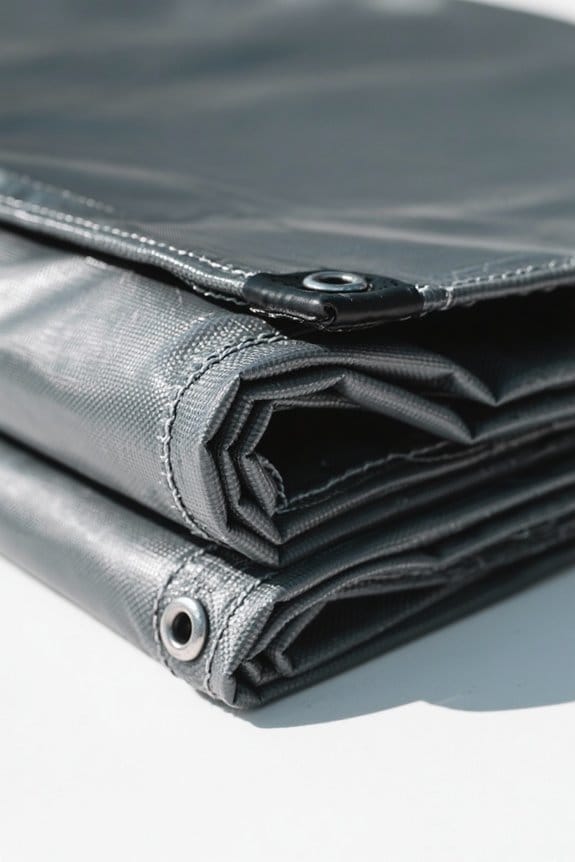
When preparing pool covers and shade sails for winter storage, thoroughly clean each item using a soft brush and mild detergent to remove dirt, algae, and debris that promote mold growth. After cleaning, rinse and dry completely in sunlight to prevent significant problems like mildew and material degradation. Avoid sharp folds when folding pool covers, as creases weaken fabric fibers over time, leading to tears. Use breathable bags or containers to properly store covers and sails, ensuring air circulation while protecting from pests and moisture. Place these items in a cool, dry environment to extend durability. Regularly inspect stored items during the off-season to detect damage or dampness early. Additionally, maintaining balanced water chemistry with proper calcium hardness levels can help prevent damage to pool surfaces and extend the life of your pool equipment. Follow these best practices to store your pool covers and shade sails safely, maintaining their performance for the next swimming season.
Recommended Products

Practical Design:Our large size pool safety cover stowaway bag with 4 strong handles,zipper closure and 1 drawstring bag,providing you with excellent functionality and convenience.

4 Sturdy Handles and Smooth Zipper: Our pool cover storage bag features four robust handles and a smooth zipper closure that ensures excellent sealing. This design effectively prevents dust, dirt, and moisture from damaging your pool cover, keeping it clean and intact for longer periods.

EXTRA-LARGE STORAGE CAPACITY: Designed to store folded inflatable and soft-sided above-ground pools, pool covers, floaties, and patio cushions. Perfect for seasonal organization and keeping outdoor spaces neat and clutter-free.
Effective Methods for Organizing Pool Toys and Floats
Before storing pool toys and floats, wash each item thoroughly with mild soap and water, rinse well, and allow complete air drying to avoid mildew formation. Deflate inflatables fully to save space and prevent shape distortion. Store pool equipment in dry, sealed containers to shield pool toys from moisture, dirt, and pests. Position smaller toys inside airtight bins, and place larger floats in a garage or shed for protection against outdoor elements. Label containers clearly for easy identification during the next season. Stack bins carefully to avoid crushing delicate items. Regularly inspect stored toys throughout the winter to address any damage promptly. Follow these practices when storing pool items to keep your pool accessories in optimal condition, facilitating a smooth setup once warmer weather returns. Implementing these methods enhances longevity during storing pool gear over winter. Additionally, maintaining proper organization and storage techniques supports durability and warranties by preserving the condition of your pool equipment and accessories.
Recommended Products

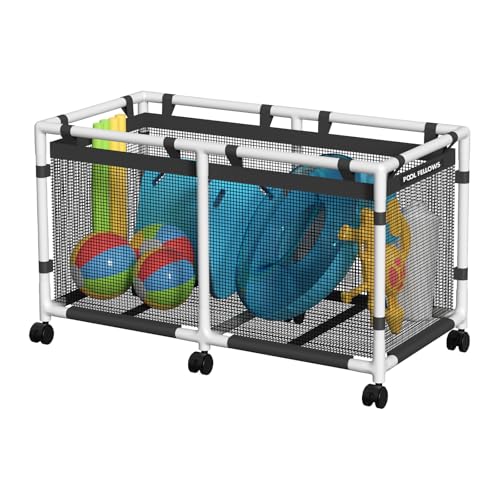
Mesh Pool Storage: Mesh storage frame allows pool toys to air-dry quickly, prevent items from getting moldy and avoid odors. This large storage basket is made of lightweight and strong corrosion-resistant mental tube. Suitable for wet and high temperature areas

DIMENSIONS – Compact Yet Spacious for Small Spaces: Exterior: 45.9" W x 17.4" D x 22.2" H / Interior: 44.6" W x 15.6" D x 20" H — a perfect fit for balconies, patios, porches, and small outdoor areas.

【Easy to Assemble】Easy and quick to assemble. Just follow the instructions step by step. No special tools are required. Comes with protective gloves for assembly.
Safe Storage Tips for Pool Chemicals
Five key safety measures guarantee proper storage of pool chemicals to maintain their potency and prevent accidents. First, always store pool chemicals in their original containers and verify they remain tightly sealed to avoid spills and contamination. Place containers in a lockable, well-ventilated cabinet elevated at least 12 inches above ground level, minimizing moisture absorption. Clearly label every chemical container and segregate incompatible substances to prevent hazardous reactions. Shield chemicals from sunlight and extreme temperatures by choosing a cool, shaded storage spot, which helps protect stored chemicals from degradation. Regularly inspect containers for damage or leaks, and promptly replace compromised packaging to maintain safety and efficacy. Adhering to these steps preserves chemical strength, prevents dangerous situations, and facilitates safe winter storage of pool chemicals. Additionally, maintaining proper storage conditions can also help prolong the lifespan of pool equipment and accessories stored alongside chemicals.
Maintaining Pool Cleaning Equipment During Winter
Guarantee all skimmers, brushes, hoses, and vacuum components are thoroughly rinsed, removing chemical residues to prevent corrosion during storage. Drain water from vacuum hoses completely to avoid freeze damage. Inspect every piece of cleaning equipment for cracks or wear; replace damaged items to maintain pool cleanliness next season. Hang hoses and brushes in a dry, ventilated area like a garage or shed, preventing kinks and extending their lifespan. Organize small tools and accessories in labeled bins to streamline future use and reduce loss. Practice meticulous equipment storage when winterizing your pool, shielding items from the harsh winter. Proper winter maintenance preserves cleaning equipment integrity, ensuring a hassle-free reopening of your pool when warmer weather returns. Additionally, routinely check and clean the filter every two weeks during the off-season to avoid debris buildup and maintain optimal vacuum performance.
Recommended Products

Come with separate hooks and R rings and screws and expansion plugs. No pool tool accessory- No hose , no skimmer , no leaf rakes , no vacuum head ,etc.

All-in-One Pool Equipment Storage Rack: Keep your pool area neat with this pool equipment storage rack. As a complete pool tool organizer, it holds skimmer nets, pool brushes, vacuum heads, telescopic poles, and vacuum hoses in one convenient place.
【Easy to Assemble】Easy and quick to assemble. Just follow the instructions step by step. No special tools are required. Comes with protective gloves for assembly.
Protecting Pool Furniture Through the Off-Season
Properly clean all pool furniture using a mild soap and water solution to eliminate dirt, grime, and oils that can cause staining or damage. Rinse thoroughly, then dry completely to prevent mold and mildew during storage. Store furniture indoors in a garage or shed if possible; this offers superior protection from winter elements. When indoor storage is unavailable, cover thoroughly with weather-resistant tarps, securing edges to avoid wind exposure. Confirm covers allow ventilation to prevent moisture buildup. Position furniture away from direct sunlight during storage to reduce UV damage and material degradation. Inspect furniture monthly throughout the off-season, checking for tears, moisture, or pest intrusion. Preparing this way facilitates smooth pool opening next season, preserving furniture functionality and appearance. These steps are essential for effective protecting pool furniture and maintaining long-term durability through winter storage. Additionally, consider using UV-resistant materials for coverings and storage solutions to enhance weather resistance and prolong furniture life.
Recommended Products
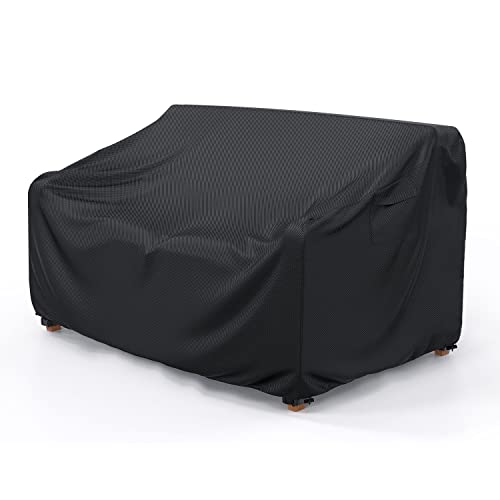
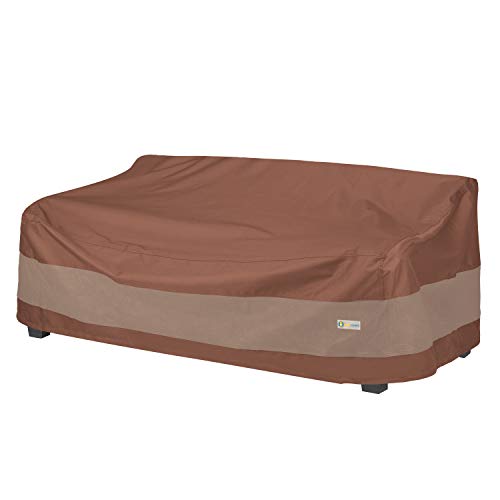
Proper Size: We have multiple sizes for you to choose. This outdoor sofa cover fits up to 60" L×34" D×30" H. Please kindly measure your patio sofa before purchasing and it’s better to choose the cover 1-2 inch larger than your sofa.

【Applicable Size】This waterproof patio sofa cover fits standard 3-seater 75-80 inches outdoor wicker, teak, and metal sofas (up to 80"W x 38"D x 35"H). For the best fit, measure your sofa and choose a cover 1-3 inches larger
Tips for Using Storage Spaces and Climate Control
After securing pool furniture for winter, shift attention to enhancing storage spaces for pool equipment and shade sails. Use enclosed structures like sheds or garages to meet winter storage needs, shielding items from cold and moisture. Install climate control measures such as insulation and dehumidifiers to maintain stable temperature and humidity, avoiding mold and freezing damage. Store pool equipment on raised pallets or shelving to prevent contact with cold concrete floors, reducing rust risk. Keep storage organized and accessible by labeling bins and racks, simplifying retrieval and cutting down handling time. Regularly inspect stored items for temperature or moisture-related damage, adjusting climate controls as necessary to preserve ideal condition throughout winter. Follow these steps carefully to extend equipment lifespan and guarantee a smooth change into the next swimming season. Additionally, remember that replacing deteriorating hardware is crucial to ensure long-term safety and reliability.
Seasonal Safety Checks for Fences, Nets, and Alarms
Several key areas require attention when conducting seasonal safety checks for fences, nets, and alarms around pool areas. Inspect mesh fencing carefully for tears or fraying, particularly where children and pets could gain entry. Check gate hardware alignment, ensuring latches and self-closing mechanisms work smoothly to keep barriers secure during pool closing. Test all pool alarms to confirm they trigger properly upon unexpected access. Retension fence panels and verify pole stability, replacing worn parts before winter sets in. Examine backup nets for cleanliness, storing them in breathable bins to prevent moisture damage as the pool season ends. Following these steps diligently will keep safety measures effective throughout the off-season, reducing risks as the season comes and goes and maintaining protection year-round. Additionally, having a properly maintained pool safety hook pole readily accessible enhances emergency preparedness during unexpected incidents.
Planning and Preparing for a Smooth Pool Reopening
When preparing for pool reopening, start by thoroughly organizing all stored equipment, sorting items like pool pumps, filters, and vacuum heads in a clean, dry workspace. Inspect internal components for damage caused by winter weather, replace worn parts, and clean chemical dispensers to avoid contamination. Rinse and dry the pool cover thoroughly to prevent mold growth before carefully refolding and storing it to maintain its integrity. Check chemical containers for leaks or degradation, dispose of expired products safely, and restock essential chemicals like chlorine and pH balancers. Use airtight containers for smaller accessories to keep them dry and pest-free. Finally, verify that all safety devices, including fences and alarms, are fully operational, ensuring a smooth reopening without unexpected repairs or safety concerns. Additionally, consider placing waterproof outdoor rugs in the pool area to enhance comfort and reduce slipping hazards during the swimming season.
Frequently Asked Questions
How to Protect Pool Equipment From Freezing Temperatures?
To prevent freeze damage, one must perform pool pump maintenance, apply heater protection methods, follow skimmer precautions, implement plumbing insulation tips, and utilize equipment storage solutions—all essential steps ensuring the longevity and functionality of pool components during cold weather.
Do I Need to Cover Pool Equipment in Winter?
Covering pool equipment in winter is essential. Pool cover benefits include freezing prevention methods and insulation techniques. Effective equipment maintenance tips and storage solutions, combined with consistent maintenance schedules, guarantee longevity and protect against damage during colder months.
How Cold Is Too Cold for Pool Equipment?
When winter’s icy breath dips below 32°F, pool equipment durability faces a shattering test. Understanding freezing point explanations, applying thermal insulation methods, and following equipment maintenance tips within a seasonal readiness checklist safeguard against harsh winter weather effects.
How to Winterize Pool Equipment?
To winterize pool equipment, one should perform pool pump maintenance, use winter chemical storage, apply heater protection tips, implement skimmer care techniques, conduct thorough filter cleaning methods, and follow safety cover recommendations to guarantee maximum protection and longevity.