As an Amazon Associate, we earn from qualifying purchases. Some links on this site are affiliate links at no extra cost to you. Our recommendations are based on thorough research and editorial judgment.

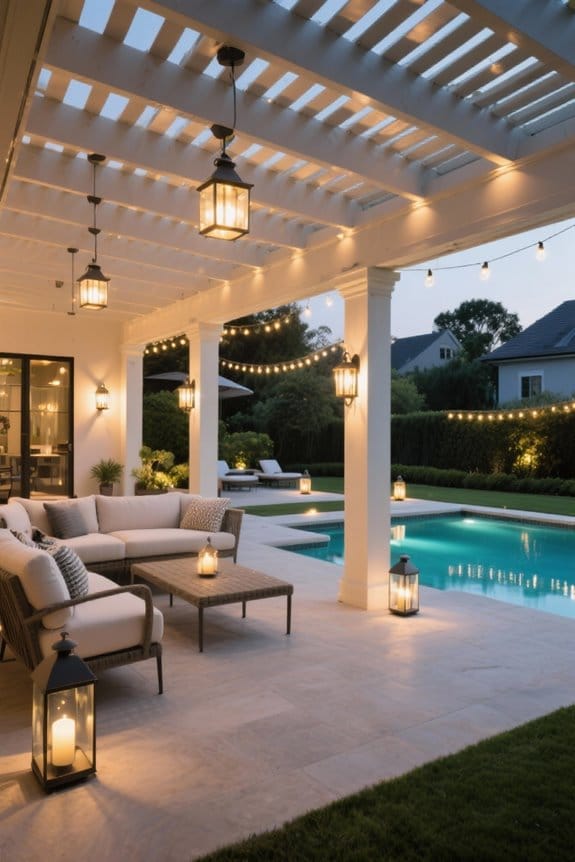
Outdoor Lighting Ideas for Shaded Patio Spaces

Install weather-resistant pendant lights with acrylic shades for even illumination and durability. Space pathway lights every 6–8 feet, placing fixtures about 1 foot from edges to prevent dark spots. Combine string lights overhead to avoid glare, incorporate dimmable LEDs for ambiance, and use motion sensors or timers to optimize energy use. Position uplights and downlights to highlight key features while controlling shadows. Follow these steps carefully to enhance your shaded patio lighting effectiveness and functionality.
Key Takeaways
- Use hanging pendant lights with acrylic shades for even, warm diffusion across shaded patio areas.
- Incorporate string and rope lights overhead to create flexible, casual ambiance without glare.
- Position pathway and deck lights at varied heights to eliminate dark spots and ensure safety.
- Select weather-resistant, Energy Star-rated LED fixtures to combine durability with energy efficiency.
- Highlight patio structures with directional wall sconces and uplighting for added texture and style.
Types of Outdoor Lighting for Shaded Patios
You may be interested
Begin by selecting the appropriate lighting type based on patio coverage and desired ambiance. Choose from various types of fixtures like hanging pendant lights, which distribute light evenly and create vertical interest, ideal for shaded patios with pergolas or gazebos. Opt for acrylic shades on outdoor pendants for durability and warm diffusion. Incorporate globe-shaped pendants for broad, soft central illumination or elegant chandeliers to elevate style. Each of these options can provide an upscale look without compromising on practicality. Combining multiple fixture types can enhance both function and aesthetic appeal. Combine outdoor lanterns made of woven or metal materials, providing textured, colorful accents without complex wiring. Consider string and rope lighting, like Edison bulb strings or LED ropes, to add soft, widespread illumination along railings or edges. Wall-mounted fixtures with weather-resistant materials offer functional, stylish illumination when spaced about six inches above doors. Use LED light sources for energy efficiency across all fixtures. Regular maintenance and inspection are key to ensuring optimal lighting performance and longevity.
Recommended Products

PEARSON CHANDELIER DIMENSIONS: 43" High (169" Max Adjustable Height) x 48" Wide x 48" Deep; Ceiling Canopy: 5"W x 5"L; Weight: 39.5 lbs.

AMARA CHANDELIER DIMENSIONS: 52.75" High (178.75" Max Adjustable Height) x 54" Wide x 54" Deep; Ceiling Canopy: 5"W x 5"L; Weight: 21 lbs.

Item Type: 12 light chandelier
Key Functional Lighting Considerations
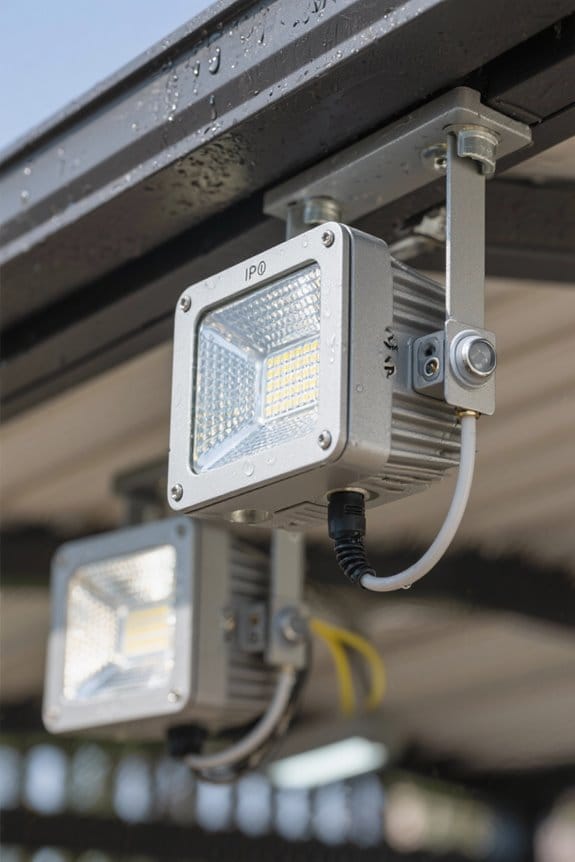
Guarantee outdoor lighting placement covers all critical patio zones, eliminating dark spots and blind corners to maximize safety. Position pathway lights about 1 foot from edges to guarantee uniform illumination without glare, and use low-voltage fixtures on steps for steady, overlapping light pools that reduce trip hazards. Distribute lighting at varied heights to create effective shadow control techniques, balancing bright and shaded areas. Shadows add visual depth and drama to spaces, enhancing the ambiance. Employ shielded fixtures and warm 2700K–3000K bulbs to implement glare reduction strategies, minimizing harsh light and spillover. Adjust fixture angles precisely to focus illumination on target areas, avoiding light trespass. Incorporate motion sensors and timers to boost energy efficiency, with many modern options featuring automatic on/off functions for convenience. Layer ambient and task lighting judiciously, and select corrosion-resistant fixtures with lenses that diffuse light softly, guaranteeing safety and consistent performance in shaded patio environments.
Recommended Products

【Easy Set Up】 2 people can assemble it in 15 minutes or less. Just follow our detailed video guide and step-by-step instructions.

10-PACK OF INTEGRATED LED SPOTLIGHTS - High-performance Cree LEDs produce 500 lumen light output with crisp shadows. Four-step binning ensures consistent warm white 2700K color temperature and longevity. Pre-installed 60-degree optic is ideal for medium-to-wide flood applications.
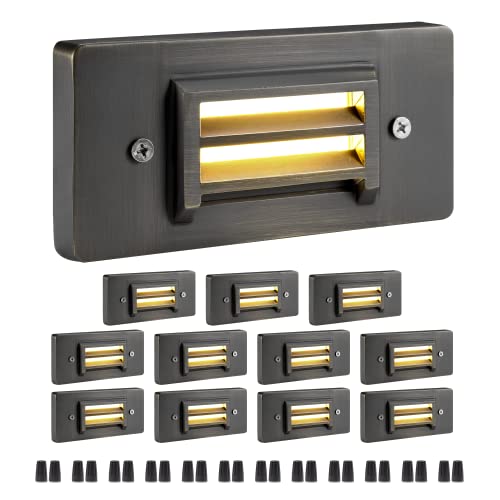
Solid Brass Construction - The Gardenreet landscape step light with solid die-cast brass construction is more durable and reliable than aluminum and plastic fixtures; with a beautiful bronze finish, deck lights will not rust, age, or peel over time and last a lifetime with a single installation.
Creating Ambiance With Design and Style
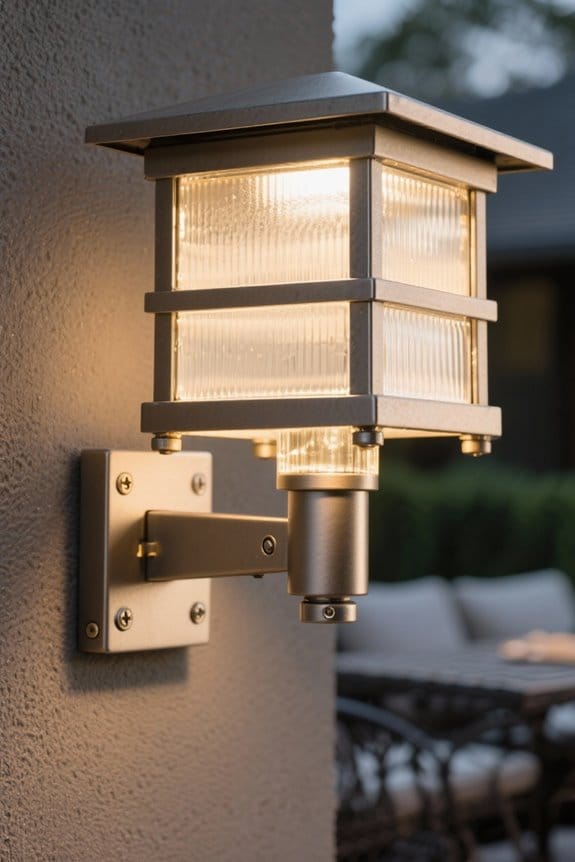
Shift focus from basic functional lighting placement to crafting atmosphere by integrating design elements and lighting styles. Select weather-resistant fixtures like acrylic pendant lights and wall sconces, balancing durability with mood enhancement. Use string or festoon lights to add casual warmth, and cluster portable lanterns to create flexible conversational zones. Match fixture styles—modern minimalist or vintage lanterns—to the patio’s architectural theme for cohesive visual appeal. Incorporate dimmable globe fixtures or chandeliers for upscale ambiance in dining areas. Layer ambient, accent, and low-level lighting to add depth, using soft diffusers to minimize glare. Highlight natural shading structures with directional wall sconces to enhance texture. Combining solar-powered lighting solutions into landscape design can further complement the lighting while improving outdoor comfort. Combine fixtures thoughtfully, control brightness dynamically, and verify lighting elements work together to elevate ambiance effectively without sacrificing function.
Optimal Placement and Lighting Layout
Three key zones—pathways, deck or patio surfaces, and focal features—require careful lighting placement for ideal coverage. Position path lights every 6-8 feet on one side for narrow paths, or both sides if wider than six feet, ensuring fixture positioning avoids lawn edges to reduce tripping hazards. Proper spacing maintains safe, even illumination along the entire path length, avoiding sudden brightness shifts and enhancing path safety. Regular maintenance of fixtures ensures consistent performance and extends their lifespan.
Mount deck lights on posts or railings at elevated spots to maximize light spread, supplementing with recessed step lights near cooking stations for task clarity. Arrange string lights overhead on pergolas or poles for ambiance, balancing light intensity to prevent glare. Use uplights 2-3 feet from trees or walls to enhance features, while downlights mounted high should angle downward with low-intensity, wide beams. Maintain even illumination across zones, adjusting fixture positioning and intensity to avoid dark patches or overpowering brightness for safety and visual comfort. Consider incorporating energy-efficient lighting options to reduce environmental impact and lower costs.
Recommended Products
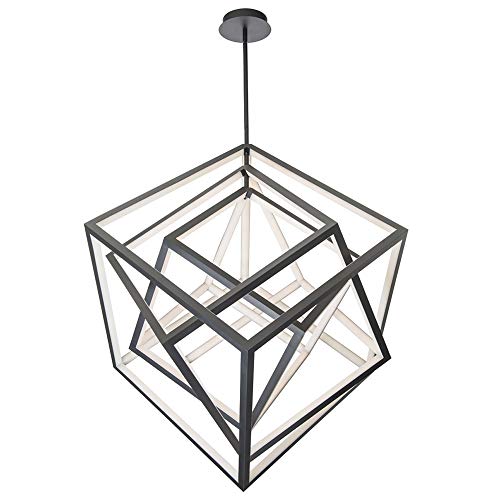
Cubes rotate independently for creative display options. Stack all three cubes in the same direction for a stunning 3D cubed effect, or adjust independently for your own creative design.

ONE-HAND FEATHER TOUCH DISASSEMBLY: Easily disassemble the scooter with one hand for quick and convenient transportation. The heaviest piece is the front section, weighing at 54 lbs.

ONE-HAND FEATHER TOUCH DISASSEMBLY: Easily disassemble the scooter with one hand for quick and convenient transportation. The heaviest piece is the front section, weighing at 54 lbs.
Energy Efficiency and Sustainable Lighting Choices
When selecting outdoor lighting for patios, prioritize energy efficiency and sustainability to reduce environmental impact and operational costs. Choose Energy Star-certified LED fixtures, which cut energy use by up to 90% and last 25 times longer than incandescent bulbs. These ENERGY-STAR CERTIFIED products ensure high quality and greater energy savings. Install solar-powered LED lights to eliminate grid dependence; position panels to maximize sunlight exposure, ensuring reliable dusk-to-dawn operation. Incorporating breathable shade sail designs can further enhance the comfort of your patio lighting space. Incorporate low-voltage lighting systems, reducing power consumption up to 80% and enhancing safety. Integrate motion sensors and smart controls to limit operating hours, which can halve energy use by activating lights only when needed, and adjust brightness remotely. Select fixtures made from recycled metals and durable weather-resistant materials to extend lifespan and reduce waste. Combine these sustainable choices systematically to optimize energy efficiency, lower electricity bills, and maintain consistent, environmentally responsible shaded patio illumination.
Recommended Products

Solid Silver construction, high performance facade LED wall mount light. Available in customizable specs, including light direction (straight up or down, away from wall, or towards the wall)

Rustic Log River Design: Featuring a natural wood river log appearance, this 80" fountain brings a rustic, nature inspired charm to gardens, patios, or yards, creating a unique focal point in any outdoor space.
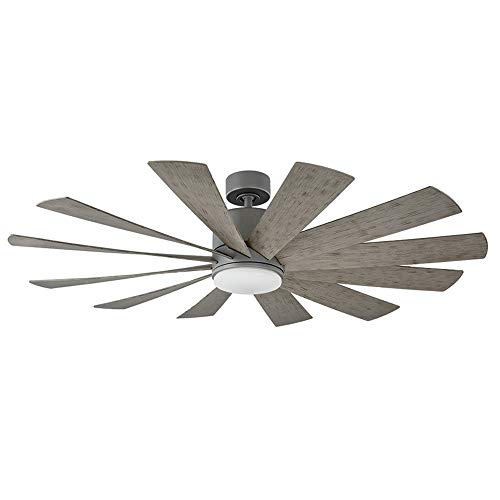
60``Ceiling Fan from the Windflower collection
Frequently Asked Questions
How Do I Safely Install Outdoor Lighting Wiring in a Shaded Patio?
Safe outdoor wiring installation involves marking paths clearly, using outdoor-rated cables, ensuring proper trench depth, waterproofing connections with heat shrink tubing, positioning the transformer correctly, and testing the system thoroughly—key safety tips for shaded patio lighting.
What Maintenance Is Required for Acrylic-Shaded Outdoor Lights?
Maintenance for acrylic-shaded outdoor lights includes regular acrylic cleaning with mild soap to prevent cloudiness, inspecting for damage or cracks, ensuring UV protection to avoid degradation, replacing bulbs promptly, and sealing fixtures to prevent moisture intrusion.
Can Outdoor Lighting Be Integrated With Home Automation Systems?
Outdoor lighting can be seamlessly integrated with home automation systems, enabling smart home integration that provides advanced lighting control through apps, voice commands, and automated schedules, enhancing convenience, security, energy efficiency, and user customization in managing outdoor environments.
How Do I Prevent Insect Attraction to Patio Lighting?
Like whispered secrets in twilight, preventing insect attraction involves choosing warm light colors—yellow, orange hues—as natural repellents. Integrating these tones with strategic placement and minimizing UV emissions crafts an inviting, bug-resistant patio glow.
Are There Lighting Options That Also Provide Heating for Cold Evenings?
Heat lamps and infrared lights offer combined heating and gentle illumination, ideal for cold evenings on patios. Infrared lights directly warm objects, providing comfort without harsh brightness, making them suitable for cozy, energy-efficient outdoor environments.