As an Amazon Associate, we earn from qualifying purchases. Some links on this site are affiliate links at no extra cost to you. Our recommendations are based on thorough research and editorial judgment.

Detecting Pool Leaks During Cleaning

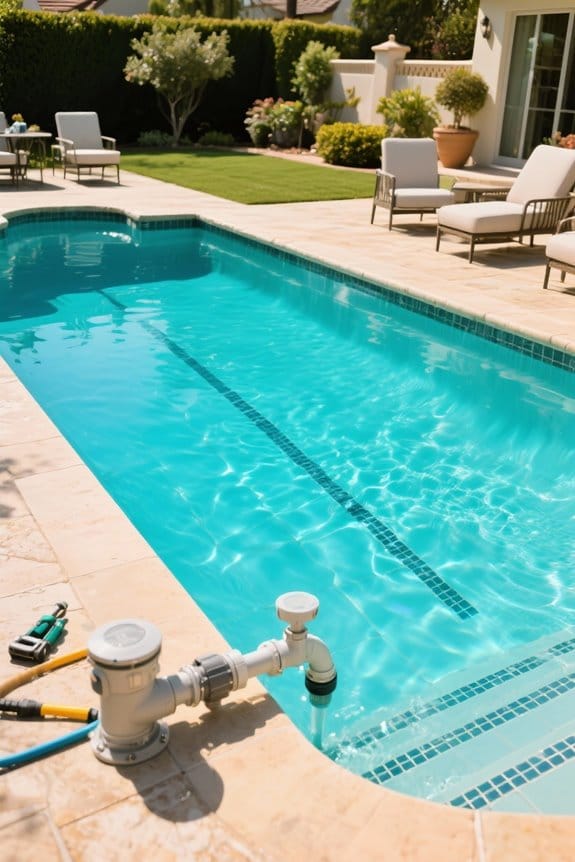
Inspect water levels carefully for drops exceeding typical evaporation, then examine valves, skimmers, and pumps for moisture, cracks, or loose fittings. Shut off the circulation pump, close cleaning system valves, and use a pressure gauge to detect pressure loss. Apply dye near suspect seams or jets, watching its flow to reveal leaks. Document all findings for effective repair planning. Follow these steps to enhance leak detection accuracy and maintain pool integrity, while uncovering deeper troubleshooting strategies.
Key Takeaways
- Monitor pool water level before and after cleaning for drops exceeding normal evaporation.
- Inspect pool area and equipment for wet spots, puddles, or moisture indicating leaks.
- Use leak detection dye near skimmers, fittings, and lights to locate water escaping cracks or holes.
- Shut off the circulation pump and use pressure gauges on cleaning lines to identify leaks in the cleaning system.
- Document and photograph any cracks or damages around skimmers, valves, and pool surfaces during inspection.
Signs of Leaks Observed During Cleaning
You may be interested
Begin detecting potential leaks by thoroughly inspecting the pool area during cleaning. Monitor the water level closely; a drop beyond normal evaporation rates signals a suspected leak. Observe pool equipment for unexpected wetness or puddles, focusing on plumbing issues like faulty connections. During pump operation, check for water pooling or irregular flow around the backwash and waste lines, as these suggest pressure-side leaks. Watch return lines for air bubbles, indicating suction-side leaks drawing in air. Inspect skimmer and return jets for visible cracks or wear contributing to water loss. Record all observations meticulously. Promptly addressing these signs of leaks heightens overall pool maintenance, enabling the pool owner to identify issues early, reduce water waste, and avoid costly repairs. Consistent vigilance during routine cleaning guarantees efficient leak detection and pool system longevity. Additionally, ensuring regular monitoring of pH and chlorine levels after opening helps maintain optimal water conditions that can indirectly signal system issues like leaks.
Utilizing Dye Tests to Identify Leak Locations

When the pool pump and water features are completely turned off, proceed by applying specialized leak detection dye or concentrated food coloring near suspect areas. Observe carefully for any movement of the dye toward cracks or holes, which will help pinpoint the exact location where water is leaking. Avoid disturbing the pool’s water level or creating currents, as this can lead to inaccurate results during the dye test. Inspect common sources such as fittings, lights, and corners, applying dye multiple times if necessary. If the leak is confirmed, mark the spot clearly. Use a vinyl patch kit or other appropriate materials to repair the leak, ensuring water levels remain stable during the process. Monitoring changes in water levels before and after testing will verify successful repair. For effective repairs, consider using a pool crack repair kit that suits the pool material and allows for underwater application without draining the pool.
Recommended Products


Inspecting Valves, Skimmers, and Pool Equipment

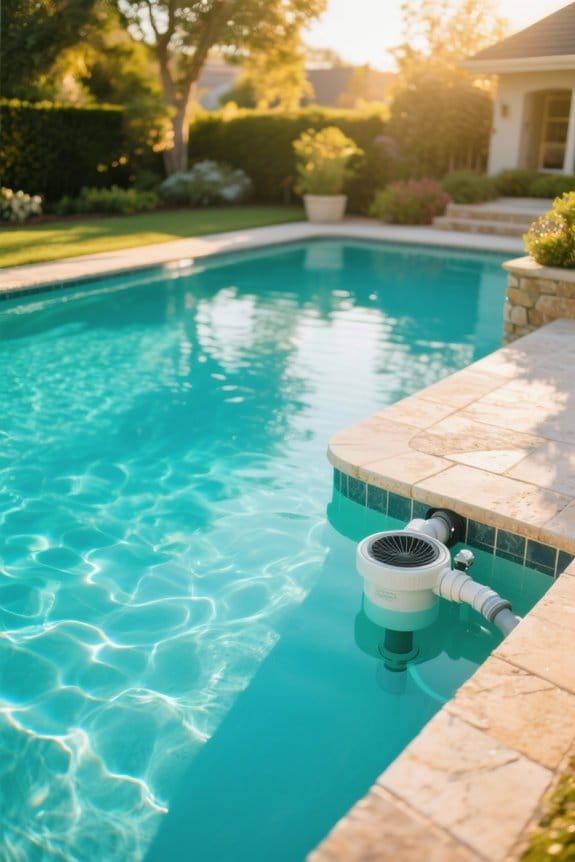
A thorough inspection of valves requires checking for leaks around stems, seals, and locking mechanisms, especially at joints and threaded fittings. Begin inspecting valves during the cleaning process by looking for visible leaks or moisture accumulation. Examine skimmers closely for cracks or damage around seams, paying attention to any disruptions in filtration or water flow. Check pool equipment, including pumps and filters, for signs of moisture or water loss, which often indicate faulty seals or plumbing issues. Evaluate all connections for looseness or deteriorated O-rings that could cause leaks. Monitor the functionality of skimmers and return jets to guarantee smooth water circulation. Detecting leaks early prevents significant water loss and maintains system efficiency, so perform these methods systematically to sustain peak pool operation. Additionally, regularly inspecting hoses for kink resistance and durability is vital, as hose degradation can contribute to leaks and suction loss during cleaning.
Recommended Products

California Sales Restrictions: Due to specific regulations, we are currently unable to sell this product in California. We apologize for any inconvenience caused and appreciate your understanding.

Stable Floating Island for Family Fun: Built with heavy-duty drop-stitch PVC and reinforced 6-inch walls, the AWSUM inflatable floating dock delivers a firm, stable, and comfortable floating experience. Designed to resist punctures, UV exposure, and saltwater wear for lakes, beaches, and boating adventures.

✔【IDEAL GIFTS】Due to the variations in thickness and pressures, air tumbling tracks can be bouncy and safe to land on. It is also the best gift for teenagers to practice gymnastics or tumbling. We provide different sizes for different training demands. Air tumbling track can be connect end-to-end by Velcro connector, which can meet your demand of connecting two different mats together to make it longer.
Isolating the Cleaning System to Pinpoint Leak Sources
Shut off the pool’s circulation pump and close all valves directing water flow to the cleaning system to isolate it completely. Attach a pressure gauge to the cleaning system lines to monitor for pressure drops, signaling potential leaks. Inspect all components, including valves, fittings, and heads, for visible signs of cracks or wear that may cause leaks. Conduct a thorough inspection of return lines and hidden fittings where leaks often go unnoticed. Utilize dye tests around suspicious areas to trace water movement, enhancing leak detection accuracy. Document every finding precisely to guide repair efforts. Isolating the cleaning system accurately enables targeted inspection, helping pinpoint leaks effectively and preventing unnecessary repairs to unrelated parts of the pool’s circulation system. Using a robotic pool cleaner with wave-navigation technology can also help in identifying areas with abnormal water flow indicative of leaks.
Recommended Products
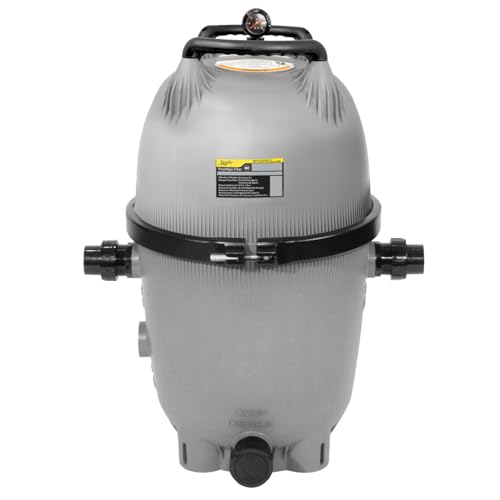
Massive Filtration Area (460 sq ft) — Handles large volumes of water for fewer cleanings and consistent clarity.

Reinforced thermoplastic filter tanks made from extra durable glass reinforced copolymer material to meet the demands of the toughest applications

Includes filter tank and pressure gauge. Pump to filter fittings are not included.
Preventive Measures During Routine Pool Cleaning
Although routine pool cleaning may seem straightforward, incorporating preventive leak detection boosts maintenance effectiveness considerably. Conduct a thorough pool inspection each session, checking pool equipment like pumps and filters for moisture or signs of water leaks. Monitor the water level carefully; record measurements before and after cleaning, and if unexpected drops occur, perform a bucket test to confirm leaks. Examine common leak sources such as skimmer areas and return jets, ensuring no water accumulates nearby. Document any cracks in the pool or deck with photos during routine cleaning to track changes over time. Use pool cleaning tools that maintain circulation without excessive pressure, avoiding aggravation of minor leaks. Consistent monitoring and these preventive measures reduce costly repairs and prolong pool integrity. Additionally, ensuring leak-proof connections in pool equipment during cleaning can significantly help maintain suction and prevent water loss.
Frequently Asked Questions
How Do Professionals Find Pool Leaks?
Professionals find pool leaks using leak detection methods like pressure testing, dye testing, and foundation assessments. They utilize professional tools for surface inspection and equipment usage, monitoring water loss signs while considering seasonal factors and applying thorough testing techniques.
How Do I Find the Source of My Pool Leak?
Like a detective tracking elusive clues, one employs leak detection methods involving visual inspections, dye testing, pressure testing, and infrared technology. Plumbing checks, ultrasonic equipment, water level monitoring, pool surface analysis, and seasonal maintenance tips also aid in locating leaks.
How Much Does Pool Leak Detection Cost?
Pool leak detection costs vary due to cost factors like regional differences, seasonal variations, and equipment expenses. Average costs range from $300 to $500 for professional services, while DIY pricing is lower. Service warranties and troubleshooting tips further influence pricing.
Why Is My Pool Losing 2 Inches of Water a Day?
Losing 2 inches daily suggests water isn’t merely evaporating but vanishing through plumbing problems or compromised structure integrity. Proper pool maintenance, including leak repair, monitoring water levels, chemical balance, filtration issues, and winterizing pools, is essential.