As an Amazon Associate, we earn from qualifying purchases. Some links on this site are affiliate links at no extra cost to you. Our recommendations are based on thorough research and editorial judgment.

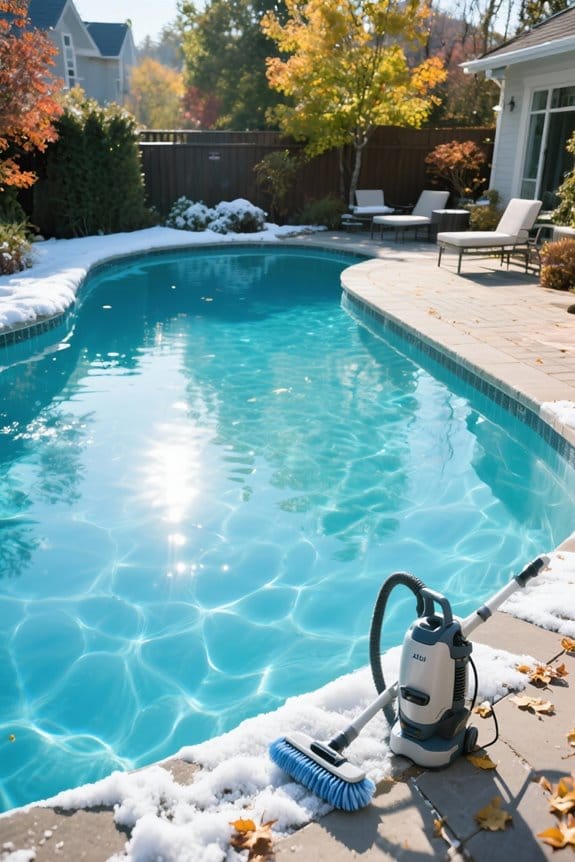
How Temperature Changes Affect Pool Cleaning Needs

Monitor pool chemistry daily as temperature changes directly impact chlorine demand and pH balance. Increase chlorine dosing by doubling frequency for each 10°F rise above 80°F, and maintain pH between 7.2 and 7.6 with alkalinity at 80-120 ppm. Perform regular shock treatments when algae growth appears in warm weather, and reduce pump runtime during cooler periods to conserve energy. Test water thoroughly during temperature extremes, recalibrate equipment often, and adjust maintenance routines accordingly for consistent water quality and equipment longevity. Additional guidance follows.
Key Takeaways
- Higher temperatures increase chlorine demand, requiring more frequent dosing to maintain effective sanitation.
- Warm water accelerates algae and bacteria growth, necessitating more frequent cleaning and shock treatments.
- Temperature fluctuations affect pH levels, requiring daily monitoring and adjustments, especially in colder weather.
- Pump runtime should be adjusted seasonally: longer in summer for circulation, shorter in cooler months to conserve energy.
- Water evaporation intensifies with heat, needing prompt replenishment and chemical adjustments to maintain water balance.
The Relationship Between Temperature and Water Chemistry
You may be interested
Monitor water chemistry closely as temperature shifts impact chlorine demand and pH balance considerably. Increase chlorine dosing during warmer temperatures, since higher temperature accelerates chlorine consumption. Test pH levels daily, especially when temperatures drop, because colder conditions cause pH to rise, reducing chlorine effectiveness and risking irritation. Adjust alkalinity to maintain 80-120 ppm range, stabilizing pH and protecting surfaces. Measure water levels regularly; faster evaporation in heat raises mineral concentration, leading to scale buildup. Clean filters and pool surfaces often to prevent mineral deposits affecting equipment. Use a digital TDS meter to monitor dissolved solids. Perform maintenance including chemical balance checks and physical cleaning every 48 hours during temperature extremes. Monitor algae indicators but reserve treatments for the next subtopic. Tracking these factors guarantees consistent water chemistry and effective cleaning regardless of temperature fluctuations. Additionally, using a high-efficiency pool heat pump with a COP rating of 5 or higher can help maintain optimal water temperature and reduce energy costs during pool maintenance.
Increased Algae and Bacteria Growth in Warmer Weather
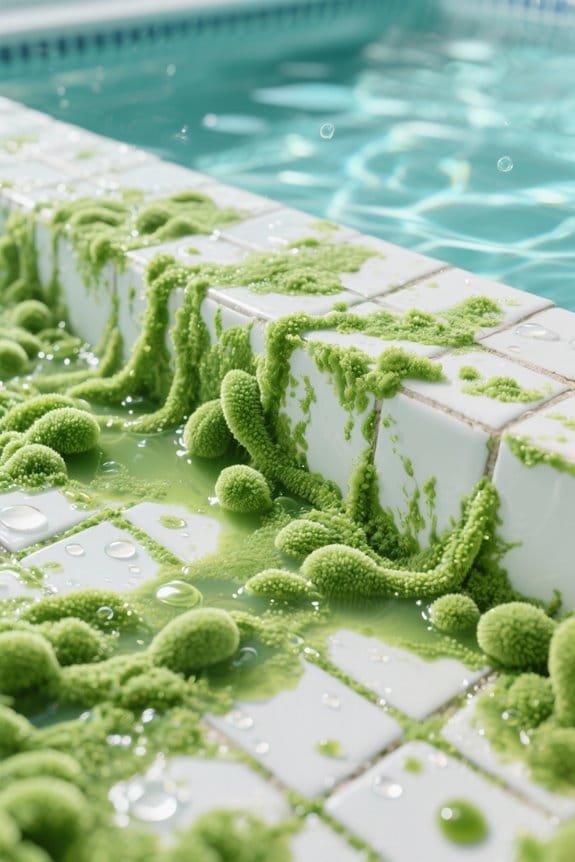
Increased biological activity during warmer weather demands heightened vigilance to prevent algae and bacterial proliferation in pools. Monitor water temperatures closely, as rises above 80°F considerably encourage algae growth and bacteria growth. Conduct regular testing to measure chlorine levels, adjusting chemicals promptly to maintain ideal water quality. Perform thorough pool maintenance, including skimming debris and brushing surfaces, to disrupt algae colonies before they bloom. Apply shock treatments immediately upon detecting algae, using recommended dosages based on pool size and severity. Maintain proper care protocols consistently; failure to do so allows algae to consume chlorine rapidly, undermining chemical efforts. Track chemical adjustments diligently, anticipate increased chlorine demand, and react swiftly to maintain balance. Proper timing and attention to detail reduce the risk of persistent contamination and safeguard safe, clear water conditions efficiently. It is also essential to use stabilized chlorine tablets to ensure effective sanitization despite increased ultraviolet (UV) exposure during warmer months.
Recommended Products

Cleaner, Safer Water: Our chlorine tablets remove bacteria, algae, and other organic contaminants to ensure your above ground or inground swimming pool stays clean and clear throughout the entire season

Cleaner, Safer Water: Our chlorine tablets remove bacteria, algae, and other organic contaminants to ensure your above ground or inground swimming pool stays clean and clear throughout the entire season
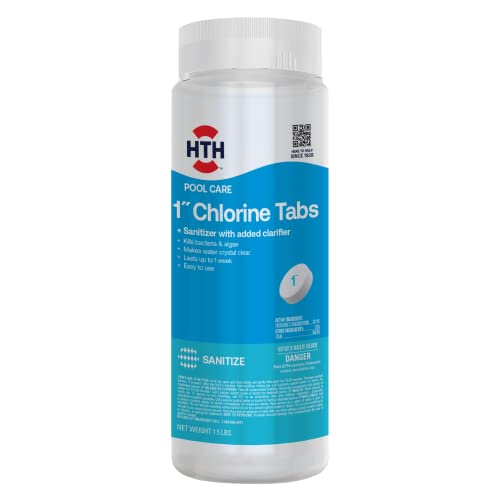
BENEFIT: Protect your swimming pool and enjoy clean, clear water with these easy-to-use chlorine-based tabs; Kills algae and bacteria
Chemical Depletion and Adjustments Needed With Heat
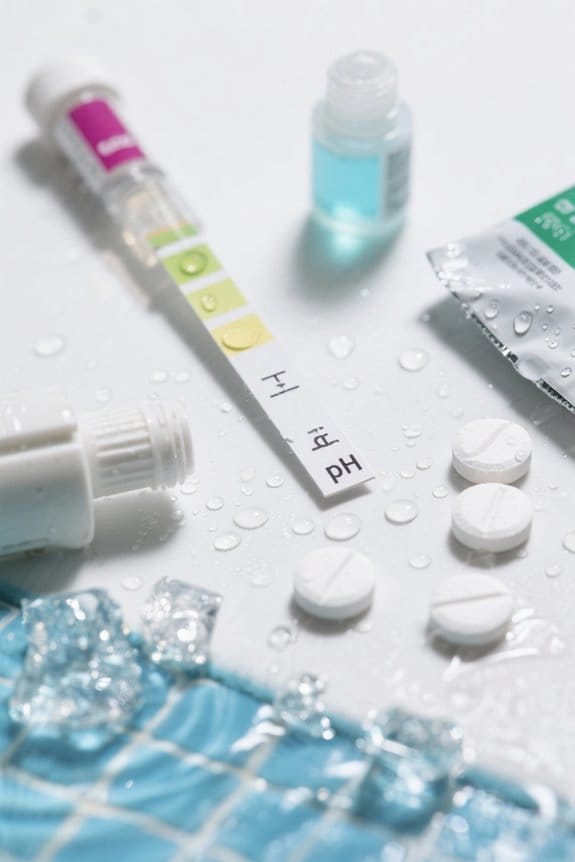
Although heat greatly accelerates chlorine depletion, promptly measure sanitizer levels at least twice daily during hot spells, using a reliable DPD test kit. Monitor chemical depletion closely, as summer heat causes rapid chlorine evaporation and reduces chlorine effectiveness considerably. Track sanitizer levels and adjust chlorine doses to counteract warm water’s increased demand, which can double for every 10°F rise above 80°F. Maintain strict pH balance between 7.2 and 7.6 to sustain sanitizer efficiency and swimmer comfort; fluctuations are common with heat exposure. Increase frequency of algaecide treatments to combat the increased presence of algae and bacteria. Note that cyanuric acid stabilizer levels may fall under intense heat, making adjustments necessary. Regular testing, prompt chlorine corrections, and pH management guarantee effective pool sanitation during hot weather conditions. Additionally, maintaining cyanuric acid levels within the recommended range of 40-100 ppm helps reduce chlorine loss from sunlight and improves overall pool water quality.
Recommended Products

AFFORDABLE 7-IN-1 POOL TESTING KIT: Our 150 pool test strips provides an affordable, all in one pool water testing kit for various chemicals including Free Chlorine, Alkalinity, pH levels and more!

[Professional Pool Water Tester] GIDIGI Digital Chlorine Tester features a clear backlit display and accurately measures chlorine levels within an ideal range of 1-3 mg/L. Say goodbye to the colorimetric errors of traditional test strips. this electronic pool water tester eliminates guesswork and is ideal for maintaining a safe swimming environment at home. Easily monitor chlorine levels in tap water or pool water to effectively prevent skin irritation caused by improper chlorination. Whether for residential pools, hot tubs, or drinking water chlorine testing, the GIDIGI Water Tester provides accurate data.
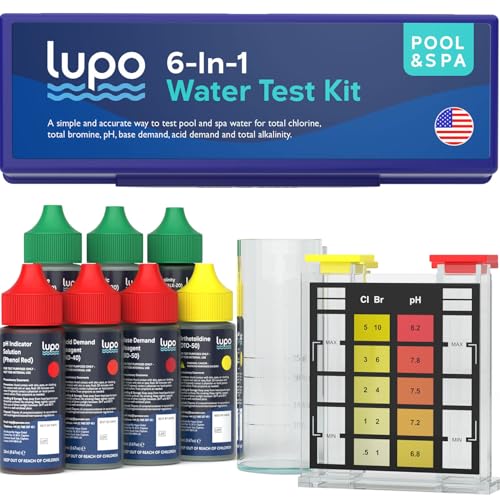
6-IN-1 POOL TESTING KIT: An easy-to-use, accurate pool test kit for testing six essential water quality parameters in residential pools and spas: Total Chlorine, Total Bromine, pH, Base Demand, Acid Demand and Total Alkalinity. Includes reagents for 100 tests, helping keep your water safe and balanced.
Effects of Cooler Temperatures on Pool Water and Surfaces
The onset of cooler temperatures demands careful attention to pool water and surfaces to prevent structural damage and maintain water quality. Inspect equipment thoroughly, focusing on filters and pumps, to avoid freeze-induced cracks and guarantee proper drainage. Remove accumulated snow and debris promptly, as they reduce chlorine levels and promote algae growth. Test water chemistry regularly, monitor chemical reactions triggered by temperature shifts, and adjust chlorine levels to maintain balance. Check pool surfaces for cracks or damage caused by freezing temperatures, addressing any issues immediately to prevent costly repairs. Schedule a professional cleaning service to remove stains from pool surfaces and organic buildup. Maintain consistent cleaning routines to prevent algae and chemical imbalances, guaranteeing the pool remains safe and structurally sound throughout colder months, minimizing unexpected maintenance challenges. Additionally, ensure proper winter cover installation with heat-sealed seams to enhance debris protection and reduce maintenance needs.
Seasonal Equipment Maintenance Considerations
Seasonal temperature shifts demand routine, thorough inspections of pool equipment to prevent costly damage and maintain efficiency. Check pumps and filters especially before freezing temperatures arrive, draining water to avoid internal freeze damage. During summer months, clean filters meticulously and adjust pump runtime to 8-12 hours daily to maintain water circulation and prevent equipment strain. In cooler periods, reduce runtime to 4-6 hours to conserve energy while sustaining circulation. Perform chemical adjustments proactively, replenishing winterizing chemicals ahead of cold seasons to protect sensitive parts. Inspect heaters and filters during seasonal changes, clearing mineral deposits to avoid scaling or clogging. Routine inspection guarantees pool equipment adapts effectively to seasonal temperature fluctuations, addressing maintenance needs promptly and preventing premature equipment failure. Follow this guidance consistently to extend equipment lifespan and optimize pool functionality throughout the year. Additionally, consider the benefits of variable-speed pool pumps to enhance energy efficiency and customize pump operation according to seasonal demands.
Recommended Products

Powerful Performance: Our smart variable speed pool pump allows you to customize speeds from 1200 RPM(3566GPH) to 4000 RPM(10566GPH), ensuring efficient operation for pools of all sizes, offering precise control over your pool's circulation system.

Energy-Saving Design: Utilizing variable speed technology, our pump reduces energy consumption by up to 80% compared to traditional pumps, providing significant long-term savings while maintaining optimal pool performance.

【Smart Variable Speed Pump】: Smart Life APP control, easy to set work schedule, speed (RPM), flow (GPM), independent 'Quick Clean' mode, quick mode switching.
Adapting Cleaning Frequency for Temperature Fluctuations
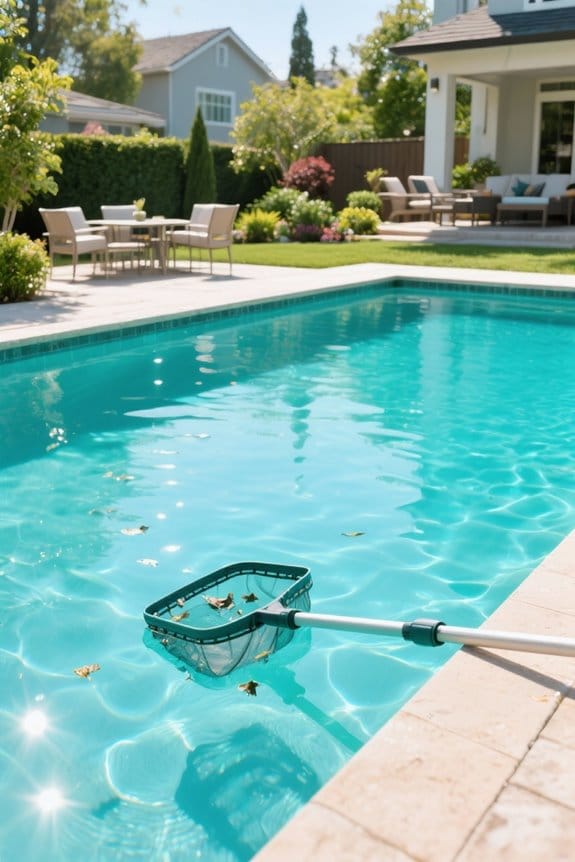
When temperatures rise, increase cleaning frequency by performing daily skimming and brushing to manage escalating algae and bacterial growth. Monitor water quality closely; test chemical levels two to three times weekly to adjust sanitizer concentrations, preventing algae proliferation. Check pool water levels daily due to increased evaporation, replenishing as needed to maintain filtration efficiency. In cooler temperatures, reduce cleaning frequency since algae and debris accumulate slower, but maintain regular monitoring to avoid winter damage. Adapt cleaning routines seasonally, especially during changes, by promptly removing debris and ensuring chemical balance to support long-term pool health. Execute maintenance tasks methodically: use a nylon brush for surfaces, a leaf net for floating debris, and a pool vacuum weekly, aligning efforts with temperature-driven changes to sustain peak pool cleanliness year-round. Using stabilized chlorine tablets can help maintain consistent sanitation throughout temperature fluctuations, reducing the risk of algae and bacteria growth.
Recommended Products

[Keep your pool clean with ease] This kit includes a semi-deep skimmer net,a 12" round pool brush head and a 70.5" pole
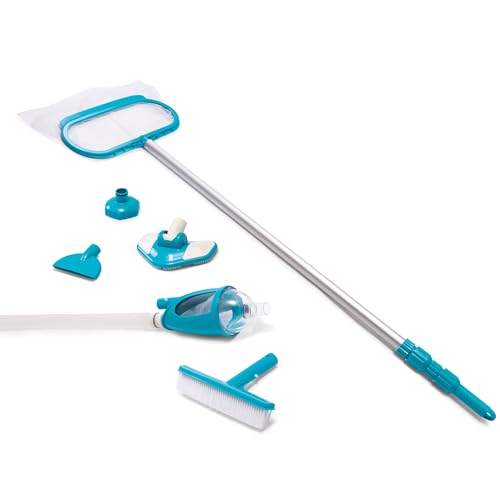
DELUXE KIT: The Intex Deluxe above ground pool maintenance kit keeps your pool clean and safe and comes with various tools (color may vary between dark blue and light blue)

Dual-Purpose: use it at the start of the season to get your pool swim-ready or keep your water balanced all season long with a bundled set of essential chemicals at a great value.
Strategies for Maintaining Balanced Pool Chemistry Throughout the Year
Maintain balanced pool chemistry year-round by testing water at least weekly, increasing frequency during temperature extremes. Monitor pH levels closely, aiming for 7.2 to 7.6, especially in colder months when pH tends to rise. Check chlorine levels daily in high temperatures, adjusting dosing twice as often for every 10°F above 80°F to ward off algae growth. Measure total alkalinity, keeping it between 80-120 ppm to stabilize chemistry and protect surfaces. Replenish water lost to evaporation promptly, as concentrated minerals disrupt chemical balance. Adjust chemical treatments after adding water to maintain proper levels. Regularly inspect water levels and calibrate testing equipment to avoid misleading results. Follow precise measurement protocols during cleaning and maintenance routines to maintain stable chemistry, ensuring effective sanitation and prolonging pool equipment lifespan through these practical strategies. Additionally, using cartridge filter pumps can enhance water clarity and support balanced pool maintenance in varying temperatures.
Recommended Products

7 Way: These test strips for pools and spas read 7 different chemicals in the water. The pool strips test 7 way offer clear readings in daylight and come with detailed instructions
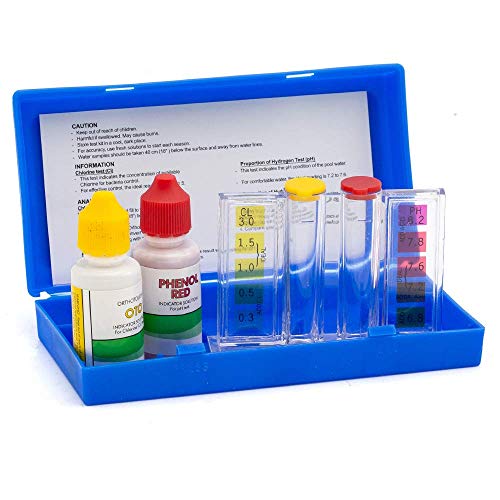
2 Way Pool Water Test Kit For Test For OTO, CL, and PH Level
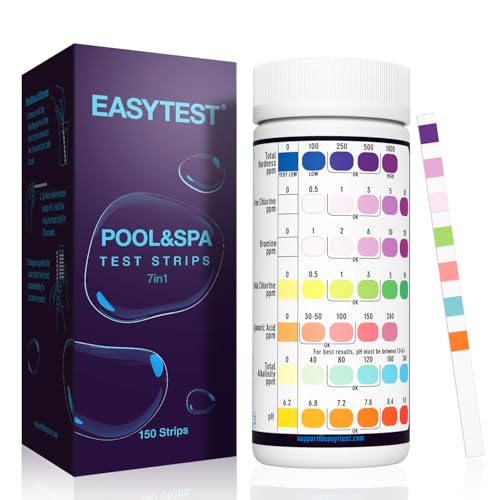
AFFORDABLE 150 STRIPS: This water chemical testing kit contains 150 test strips. Enough balanced for your swimming pool, hot tub, spa and other water testing. At least testing twice a week is recommended to keep your pool sparkling clean and safe.
Frequently Asked Questions
Does Cold Weather Affect Pool Chemicals?
Like a slow-burning ember, cold weather impact reduces chlorine effectiveness, demanding careful pool chemical balance. Winterizing pools involves monitoring pH levels and chemical stability to maintain sanitation efficiency while limiting algae growth amid lower water temperature and seasonal maintenance.
Why Is My Pool Losing 1 2 Inch of Water a Day?
The pool is losing ½ inch daily due to water evaporation influenced by water temperature, humidity levels, and seasonal changes. Plumbing leaks, pool hydrostatic pressure, pool skimmer issues, insufficient evaporation covers, rainwater influx, and inconsistent pool maintenance also contribute.
At What Temperature Do Salt Cells Stop Working?
Salt cells dim their chlorine lantern below 60°F, as salt cell efficiency wanes. Freezing temperatures effect demands winter pool maintenance, signaling low temperature challenges, cold water impact, and heater adjustments essential for sustaining saltwater chlorine generation and seasonal maintenance changes.
Does Pool Temperature Affect Chlorine?
Pool temperature directly affects chlorine stability and potency. Increased water temperature accelerates chlorine evaporation and algae growth, challenging chemical balance and pool sanitation. Maintaining stabilizer levels is vital for effective pool maintenance amid temperature fluctuations.