As an Amazon Associate, we earn from qualifying purchases. Some links on this site are affiliate links at no extra cost to you. Our recommendations are based on thorough research and editorial judgment.
How Shade Sails Improve Outdoor Safety

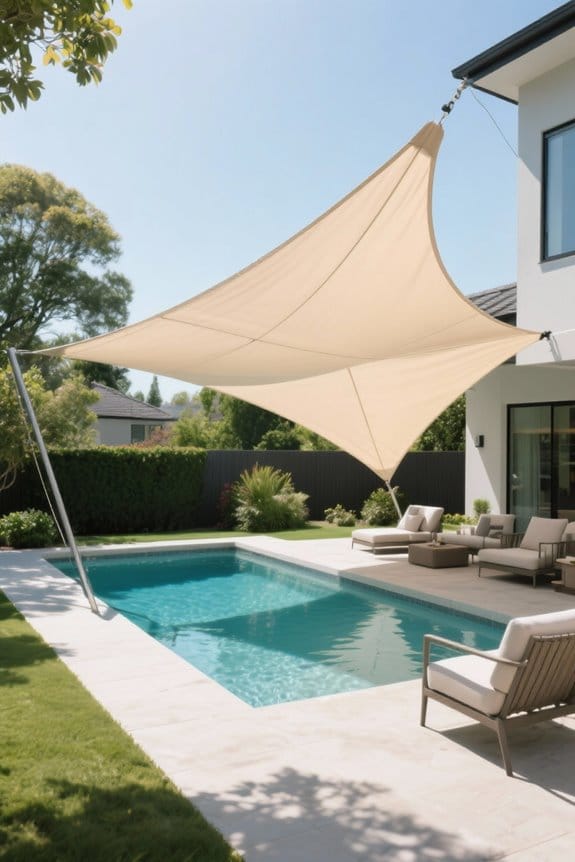
Install high-quality HDPE shade sails with UV-blocking capacity of at least 97%, secure anchor points using galvanized steel eye bolts or heavy-duty turnbuckles, and tension fabric properly to prevent sagging and heat buildup. Position sails to cover playground equipment and resting areas during peak sunlight hours, reducing UV exposure and surface temperatures. Conduct regular inspections for fabric integrity and replace sails every few years. Clean sails with mild soap to extend lifespan. Understanding these steps guarantees enhanced outdoor safety.
Key Takeaways
- Shade sails block up to 97% of UV rays, reducing sunburn risk during outdoor activities.
- They cool playground equipment, preventing burns on hot surfaces.
- Durable materials ensure long-lasting protection in various weather conditions.
- Regular inspections prevent fabric wear, maintaining safety standards.
- Secure installation with strong anchor points withstands wind loads to keep sails stable.
The Role of Shade Sails in UV Protection
You may be interested
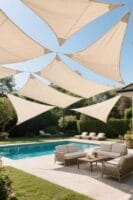
Although UV radiation can penetrate clouds, take immediate steps to install shade sails made from high-quality UV-resistant fabric, ensuring the material blocks 90-99% of harmful rays. Position the shade to maximize sun protection by aiming for an effective block of direct sunlight during peak hours. Choose UV-resistant materials certified to prevent skin damage, especially in high-exposure outdoor areas. Inspect shade sails regularly for tears or fabric wear that could reduce UV protection, and maintain tension to avoid sagging that compromises coverage. Shade sails provide a practical solution to decrease harmful UV rays, creating safer zones for prolonged outdoor use. Measure UV intensity if possible, adjust placement seasonally to optimize shielding, and replace sails every few years to sustain maximum efficacy in sun protection. Regular cleaning and tightening of fittings also help maintain UV protection effectiveness.
Temperature Regulation and Comfort Benefits
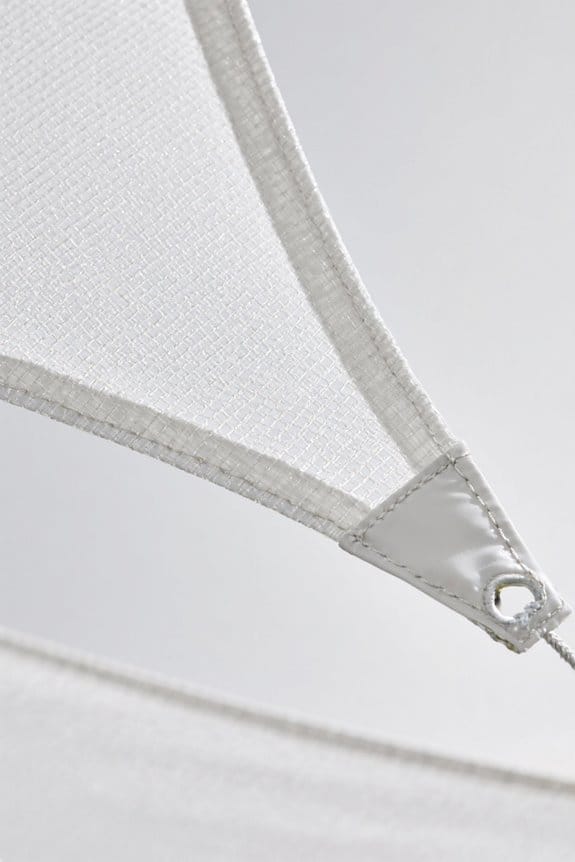
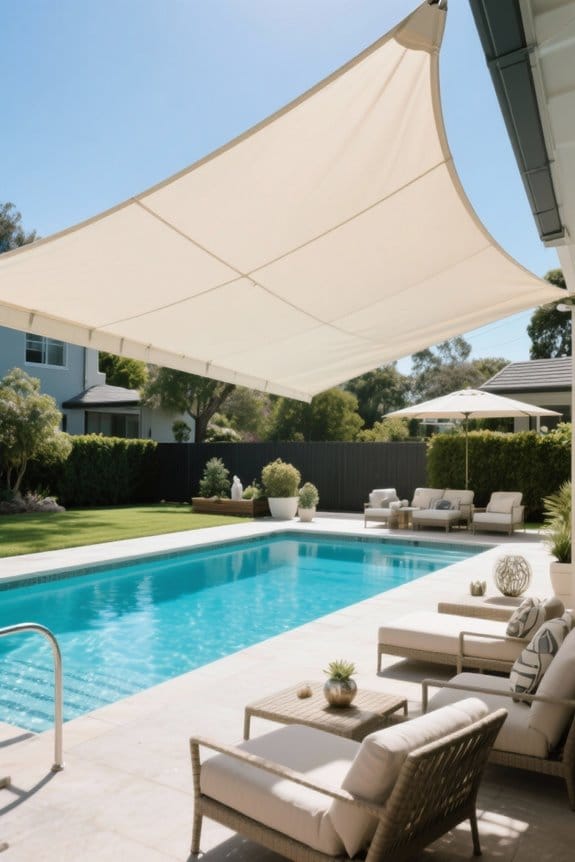
Install shade sails to create shaded areas that lower temperatures by several degrees compared to direct sunlight, ensuring comfortable outdoor environments. Select breathable fabrics to promote airflow, preventing heat buildup beneath the sails, and reduce sun exposure by blocking up to 96% of harmful UV rays. Position shade sails strategically over resting zones and activity areas to maintain cooler ambient conditions, enhancing comfort without restricting ventilation. Use tensioning equipment to secure sails firmly, avoiding sagging that could trap heat or impede airflow. Integrate shade sails with existing landscaping to enhance visual appeal, complementing outdoor facilities. Prioritize materials and installation methods that support both temperature regulation and safety during play, maintaining a practical balance between sun protection and airflow essential for effective outdoor temperature management. Additionally, choosing sun sails made from HDPE fabric rated at 185 GSM ensures up to 95% UV blockage while allowing breathable cooling airflow.
Enhancing Safety in Playgrounds and Schools
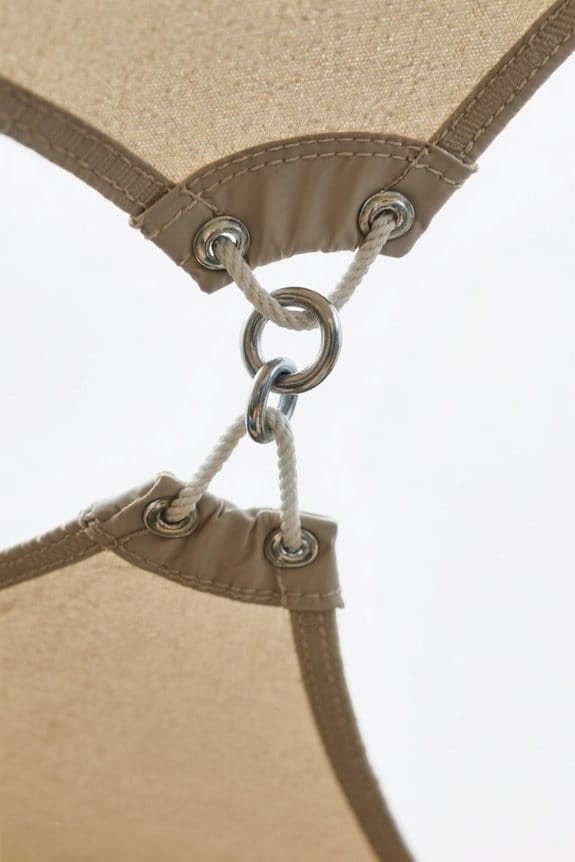
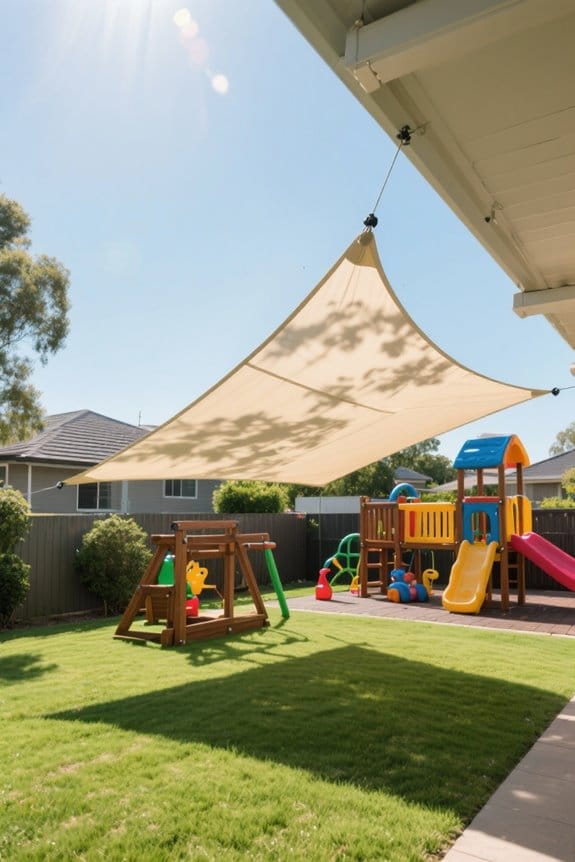
When enhancing safety in playgrounds and schools, begin by selecting shade sails that block at least 97% of UV rays to reduce sunburn risk effectively. Install shade sails strategically to provide broad protection from the sun, covering key outdoor play areas and equipment. Guarantee shade sails keep playground equipment cool by reducing heat absorption, thereby preventing burns or injuries from hot surfaces. Regularly inspect shade sails for wear or damage to maintain consistent enhanced outdoor safety and prolong usability. Promote outdoor play by creating shaded environments that support health and well-being, encouraging longer, safer play sessions in schools. Choose designs that integrate durable, weather-resistant materials suitable for diverse weather conditions, maintaining protective benefits throughout the year. Prioritize shade sails in playground designs to reduce UV exposure and create safer school environments systematically. It is also important to select sails made from high-density polyethylene fabric for durability and superior UV protection.
Materials and Technology Behind Shade Sails
Start by understanding that high-density polyethylene (HDPE) fabric forms the core material for most shade sails, chosen for its strength, UV-blocking capacity, and air permeability. Select HDPE fabrics that block harmful UV radiation up to 98%, ensuring substantial protection from the sun’s rays in outdoor spaces. Require shade sails with UV-resistant coatings to enhance durability and maintain effectiveness through prolonged exposure. Choose lightweight and strong materials to facilitate handling and installation while resisting weather-related wear and tear. Design and tension shade sails precisely to optimize sun coverage throughout the day, adjusting for solar angles. Emphasize durable craftsmanship in fabric cutting and edge reinforcement to prevent fraying. Incorporate these materials and technologies systematically to achieve maximum outdoor safety and reliable sun protection in varied environments. To ensure longevity and optimal performance, select shade sails made of high-density polyethylene (HDPE) above 200 GSM, which provide superior durability and UV protection.
Proper Installation and Maintenance for Longevity
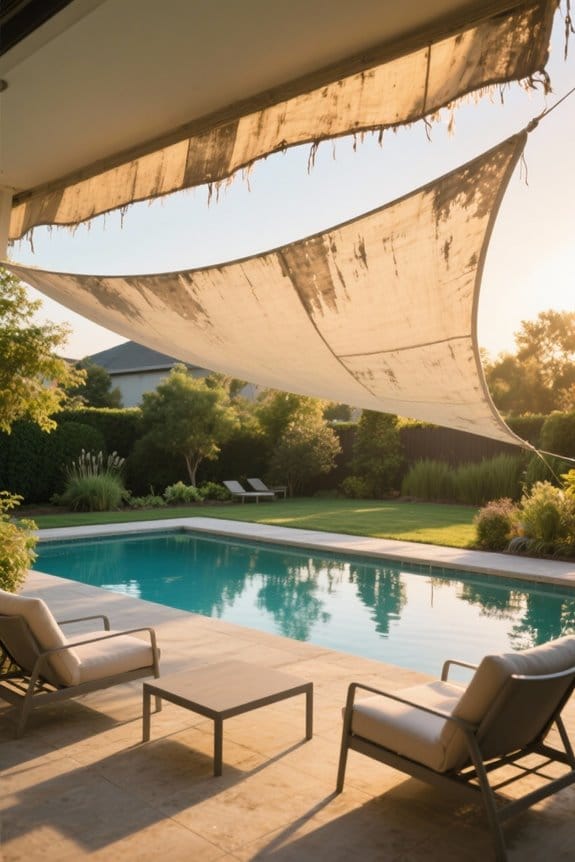
Guarantee anchor points are firmly secured using galvanized steel eye bolts or heavy-duty turnbuckles embedded in concrete footings at least 18 inches deep. Employ proper installation by selecting secure anchor points capable of withstanding wind loads in outdoor environments. Use high-quality fabrics with UV protection and robust tensioning systems for improved durability. Conduct regular inspections for fabric wear, damage, or tension loss, adjusting tensioning systems as necessary. Perform routine maintenance, including gentle cleaning with mild dish soap to prevent dirt buildup and staining. Plan seasonal removal during harsh weather, such as strong winds or heavy snow, to avoid structural damage. Following these detailed steps guarantees shade sails maintain effectiveness, extending their lifespan and protecting outdoor spaces reliably without compromising safety or performance. Additionally, incorporating regular safety inspections similar to those recommended for pool safety equipment can help ensure ongoing reliability and safety.
Frequently Asked Questions
Can Shade Sails Withstand Extreme Weather Conditions Like Heavy Rain or Snow?
Shade sails demonstrate notable weather resistance, enduring heavy rainfall and moderate snow accumulation. Material strength and wind durability depend on quality and installation techniques. Regular maintenance and durability testing mitigate stress factors, ensuring prolonged outdoor safety during adverse conditions.
Are Shade Sails Environmentally Friendly and Recyclable?
Shade sails offer sustainability benefits due to eco friendly practices, durable material composition, and usage longevity. Certified products support waste reduction through recycling processes, minimizing environmental impact while enhancing energy efficiency, reflecting responsibility considerations in production and disposal.
How Do Shade Sails Affect Outdoor Lighting and Visibility?
Like the gentle veil in Shakespeare’s midsummer night, shade sails provide shade coverage that diffuses light, reduces glare, and enhances increased visibility. Thoughtful design balances UV protection, aesthetic impact, and nighttime illumination to minimize safety hazards during outdoor activities.
Can Shade Sails Be Customized in Shape and Size for Different Spaces?
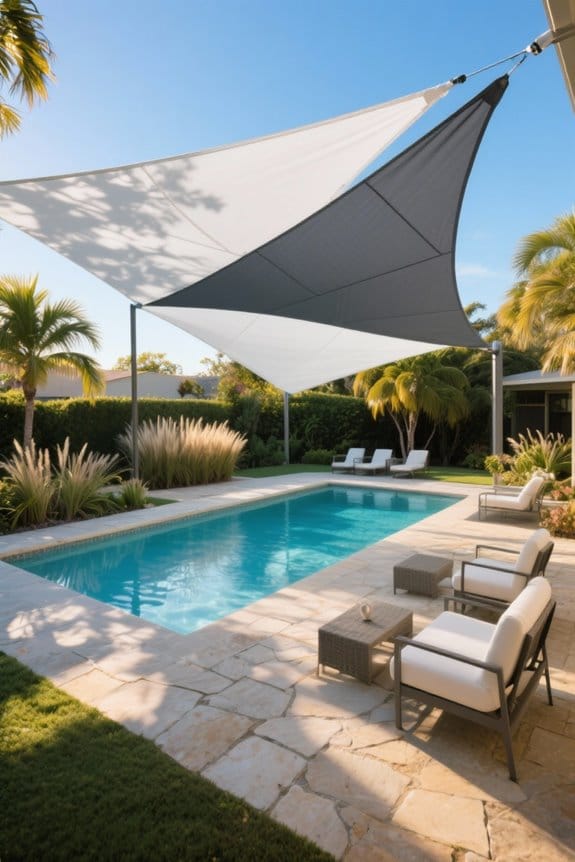
Shade sails offer custom design with diverse shape variations and size options, enhancing space utilization and outdoor aesthetics. Their functional features, installation flexibility, material choices, color selection, and maintenance requirements accommodate unique environments efficiently.
Do Shade Sails Require Any Special Permits for Installation?
Traversing the maze of paperwork often accompanies shade sail installation. Depending on local regulations, zoning laws, and HOA approvals, permit requirements and safety inspections may apply. Installation guidelines, construction codes, and potential fees should be reviewed carefully.