As an Amazon Associate, we earn from qualifying purchases. Some links on this site are affiliate links at no extra cost to you. Our recommendations are based on thorough research and editorial judgment.
Integrating Shade Sails With Pergolas and Gazebos

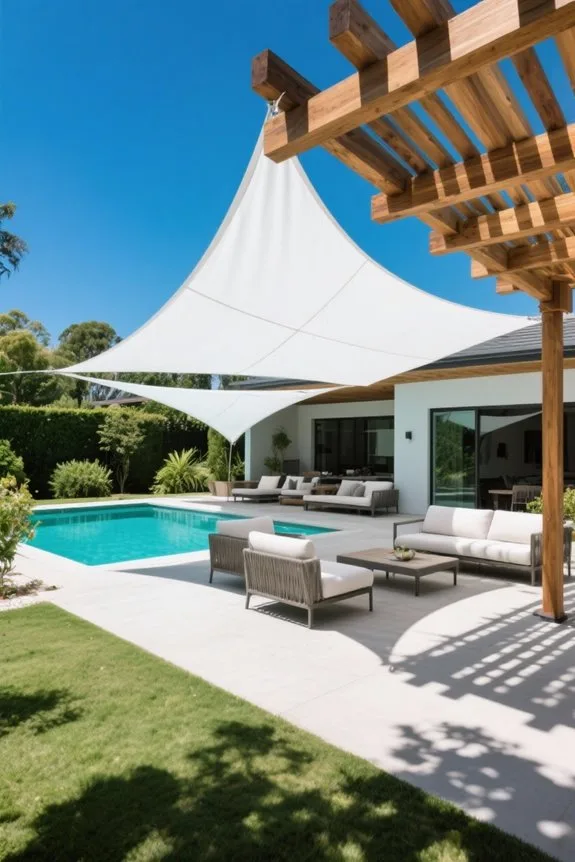
Measure pergola or gazebo dimensions precisely for a custom shade sail fit, choosing UV-resistant fabrics blocking up to 95% of rays. Select shapes like triangles or rectangles matching structural lines, use stainless steel eye bolts or pad eyes for secure mounts, and tension sails evenly with ratchet winches to prevent sagging or water pooling. Inspect fasteners seasonally and clean sails with mild detergent. Position sails over high-use areas for safety and comfort. Following these steps guarantees durable, functional integration—continue for detailed installation and maintenance guidance.
Key Takeaways
- Measure pergola dimensions precisely to ensure a tailored and effective shade sail fit.
- Choose UV-resistant fabrics that block up to 95% of UV rays for maximum protection.
- Select sail shapes and colors that complement your pergola’s design and outdoor aesthetic.
- Use corrosion-resistant hardware like stainless steel eye bolts for secure, durable mounting.
- Regularly inspect and maintain fabric tension and attachment points to prevent sagging and wear.
Benefits of Combining Shade Sails With Pergolas and Gazebos
You may be interested

When enhancing a pergola or gazebo, start by selecting shade sails that provide up to 95% UV protection to safeguard skin and eyes during outdoor use. Measure the pergola design precisely, noting dimensions to guarantee a tailored fit. Choose shade sails in colors and shapes that complement the existing structure, enhancing visual cohesion. Secure mounting points using stainless steel eye bolts or pad eyes at each corner, maintaining correct tension to prevent sagging. Install adjustable turnbuckles or ratchet straps to facilitate tension adjustments as weather changes. Ascertain proper spacing from the pergola frame to promote airflow, reducing heat buildup beneath the shade. Regularly inspect fasteners for corrosion or loosening, tightening as necessary. These steps transform the pergola, creating a durable, multifunctional outdoor space with improved comfort and aesthetic appeal. Additionally, incorporating shade sails can complement outdoor fire pits by contributing to better airflow and a safer setup around the fire pit area.
Recommended Products

INFO- The cable along the edges is made of high-quality metal, perfect to support large-size sun shade sail. Edges are finished with heavy-duty double layers reinforced stitched seams, prevent frayed edges, and keep the shade sail in shape. A-rings are attached to each corner for easy installation.

Super Heavy Duty Commercial Grade Design: Crafted from 280 GSM permeable extra heavy-duty fabric and reinforced with stainless steel mounting rings, KANAGAWA patented design integrates cable wires into the edges. This ensures all pulling strength is directed to the cable wires, enhancing both durability and appearance, making it ideal for commercial and residential use

【𝗦𝗨𝗣𝗘𝗥 𝗛𝗘𝗔𝗩𝗬 𝗗𝗨𝗧𝗬 𝗡𝗘𝗪 𝗣𝗔𝗧𝗘𝗡𝗧 𝗗𝗘𝗦𝗜𝗚𝗡】: Made of 260 GSM permeable extra heavy duty fabric, heavy duty stainless mounting rings, cable wires built-in edges, integrate into the mounting rings, all pulling strength goes to the cable wires, not only making the edges more durable, it also enhence the appearance of shade sail.
Health and Safety Advantages of Shade Sails
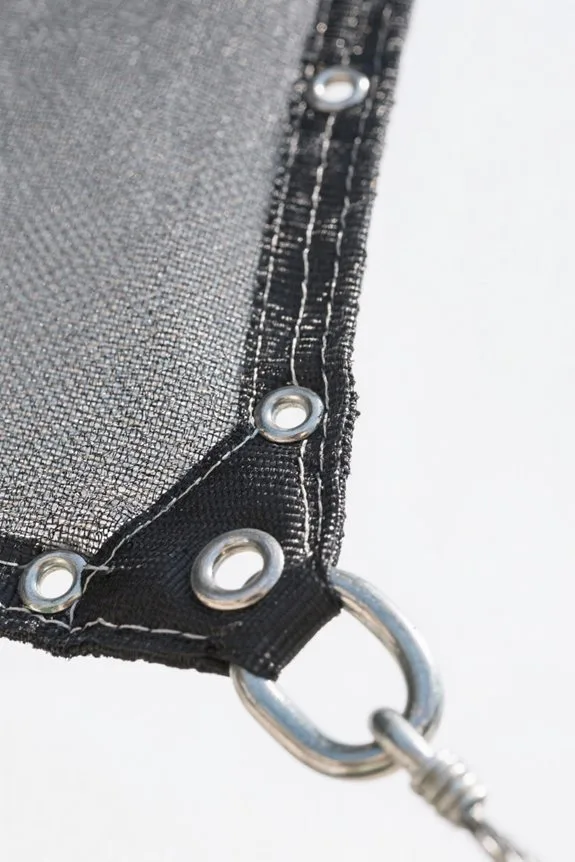
After securing shade sails on pergolas or gazebos, prioritize evaluating their health and safety benefits to enhance outdoor protection. Install shade sails designed to block UV rays up to 95%, reducing skin burns and lowering skin cancer risks. Position sails to provide consistent shade over high-use areas, ensuring vulnerable individuals, including children, remain protected during peak sunlight hours. Monitor for proper tension and angle to prevent water pooling, which causes slips. Use UV-resistant fabrics rated for durability and confirm attachment points withstand wind loads to maintain structural integrity. Consider how shade sails redirect rainwater, keeping surfaces under pergolas and gazebos dry, minimizing fall hazards. Regularly inspect sail fabric and fasteners for wear or damage, repairing promptly to sustain excellent sun-blocking performance and safe outdoor environments. Additionally, selecting materials made from 100% virgin HDPE ensures enhanced durability and breathability for long-lasting use.
Design and Aesthetic Considerations
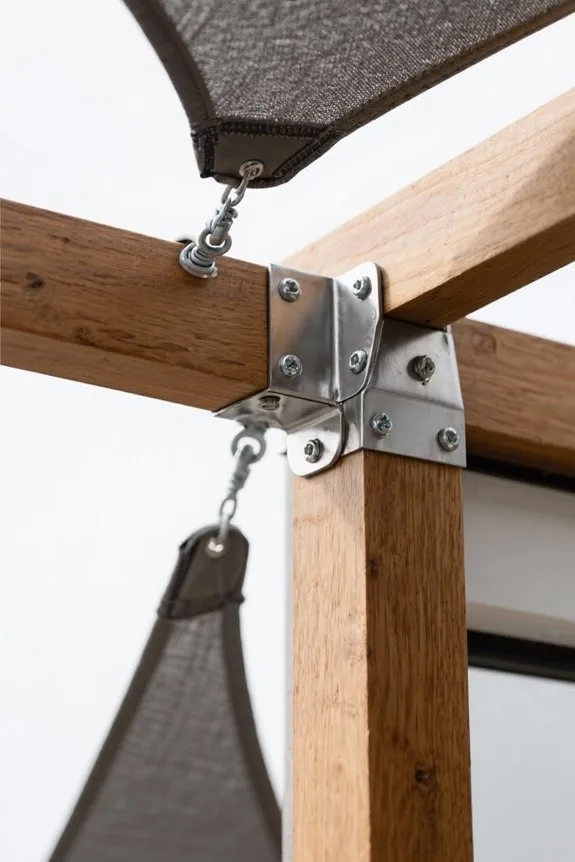
Although shade sails primarily serve functional purposes, carefully choose their shapes and colors to enhance the pergola or gazebo’s overall aesthetic. Select from triangular, rectangular, or square sail shade designs to complement pergola covers and existing structural lines. Match sail shade colors with the outdoor space palette to maintain visual harmony, while considering UV protection levels that block up to 95% of harmful rays. Combine contrasting textures and materials to create inviting outdoor atmospheres. Position sail shades to optimize shade coverage without compromising airflow or natural light. Inspect tensioning points regularly to avoid fabric sagging or tearing, ensuring long-term durability. Employ UV-stabilized fabrics resistant to fading for consistent color vibrancy. Prioritize both functionality and style by balancing protective features with bold design choices, elevating your pergola or gazebo’s appearance effectively. Selecting a sun sail made from high-density polyethylene ensures excellent UV resistance and durability for outdoor use.
Recommended Products

【𝗦𝗨𝗣𝗘𝗥 𝗛𝗘𝗔𝗩𝗬 𝗗𝗨𝗧𝗬 𝗡𝗘𝗪 𝗣𝗔𝗧𝗘𝗡𝗧 𝗗𝗘𝗦𝗜𝗚𝗡】: Made of 260 GSM permeable extra heavy duty fabric, heavy duty stainless mounting rings, cable wires built-in edges, integrate into the mounting rings, all pulling strength goes to the cable wires, not only making the edges more durable, it also enhence the appearance of shade sail.

Super Heavy Duty Commercial Grade Design: Crafted from 280 GSM permeable extra heavy-duty fabric and reinforced with stainless steel mounting rings, KANAGAWA patented design integrates cable wires into the edges. This ensures all pulling strength is directed to the cable wires, enhancing both durability and appearance, making it ideal for commercial and residential use

【𝗦𝗨𝗣𝗘𝗥 𝗛𝗘𝗔𝗩𝗬 𝗗𝗨𝗧𝗬 𝗡𝗘𝗪 𝗣𝗔𝗧𝗘𝗡𝗧 𝗗𝗘𝗦𝗜𝗚𝗡】: Made of 260 GSM permeable extra heavy duty fabric, heavy duty stainless mounting rings, cable wires built-in edges, integrate into the mounting rings, all pulling strength goes to the cable wires, not only making the edges more durable, it also enhence the appearance of shade sail.
Installation Options for Shade Sails on Pergolas and Gazebos
Since shade sails integrate smoothly with existing pergola posts, begin by evaluating the structural integrity and spacing between these posts, ideally measuring distances with a tape measure within a 5 to 15-foot range for ideal tension. Select a triangular shade sail to maximize compatibility with typical pergola dimensions. Attach corrosion-resistant hardware such as turnbuckles, snap hooks, and pad eyes to pergola posts to facilitate secure fastenings. Install anchor points at various heights, ensuring the sail slopes slightly for water runoff. Pull the shade sail taut using turnbuckles to avoid sagging or flapping. Confirm all connections are tight and evenly tensioned to withstand wind loads. This direct attachment approach eliminates the need for extra posts, simplifying installation and maintaining the pergola’s clean aesthetic while providing effective sun protection. For enhanced outdoor enjoyment, consider incorporating solar-powered water features that complement shaded areas while promoting cooling effects.
Recommended Products

✅[HIGH QUALITY]: Made of heavy duty polyester waterproof fabric with up to 95% sun protection. Strong, durable, tear and abrasion resistant! Whether it's strong sunshine or windy or rainy AwnPro Waterproof Wave Sunshade can handle it with ease!

✅[HIGH QUALITY]: Made of heavy duty polyethylene with 95% solar protection. Rugged, tear and abrasion resistant.Give you your own cool place in the sun!

SPECS - (4) Jaw and Jaw Turnbuckle | Diameter: 5/8" (A) | Body Length: 6" (BB) | Length Closed: 14.88" (N) | Length Open: 20.5" (M) | Jaw Opening: 0.72" | Pin Size: 0.5" | Working Load Limit: 3,500 lbs | Design Factor: 5:1 | Weight: 3 lbs each
Weather Protection: Sun and Rain Solutions
Extend protection beyond structural integrity by focusing on weather elements, starting with UV and rain resistance. Install shade sails to block up to 95% of UV rays, providing effective sun shade while preserving indirect light. Attach sails firmly to existing pergola posts using stainless steel hardware, ensuring tension prevents sagging. For rain protection, consider cabana tops that offer complete waterproof coverage, securing them tightly over pergola frames to prevent water pooling. Check all connection points for stability and seal any gaps to maintain weather protection. Regularly inspect fabric tension and fasteners, tightening as needed to handle wind stress. By integrating shade sails with pergolas and gazebos correctly, users achieve durable protection from sun and rain while preserving the outdoor structure’s open-air appeal and versatility year-round. Additionally, selecting shade sails made from HDPE fabric enhances UV blockage and provides breathable cooling airflow, improving comfort underneath the sail.
Recommended Products
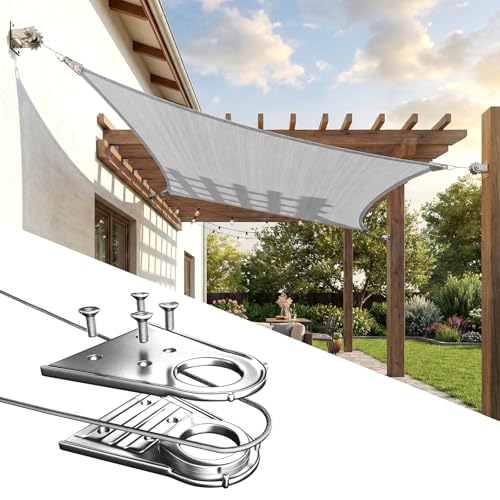
【𝗦𝗨𝗣𝗘𝗥 𝗛𝗘𝗔𝗩𝗬 𝗗𝗨𝗧𝗬 𝗡𝗘𝗪 𝗣𝗔𝗧𝗘𝗡𝗧 𝗗𝗘𝗦𝗜𝗚𝗡】: Made of 260 GSM permeable extra heavy duty fabric, heavy duty stainless mounting rings, cable wires built-in edges, integrate into the mounting rings, all pulling strength goes to the cable wires, not only making the edges more durable, it also enhence the appearance of shade sail.

★ U-SHAPED DESIGN: With unique U-shaped design, it can be easily pull back when you don’t need the shade. You can determine the distance between the sections with control tape and close it when not in use. It is also a stylish decoration for your patio or pergola.

【𝗣𝗔𝗧𝗘𝗡𝗧 𝗗𝗘𝗦𝗜𝗚𝗡 𝗙𝗢𝗥 𝗠𝗔𝗫𝗠𝗜𝗨𝗠 𝗗𝗨𝗥𝗔𝗕𝗜𝗟𝗜𝗧𝗬】: Crafted from 260 GSM permeable fabric, reinFORced by robust stainless mounting rings, and featuring integrated cable wires along the edges. This design not only enhances the shade sail's appearance but also ensures exceptional durability by directing pulling strength to the cable wires.
Customization Possibilities and Material Choices
When selecting shade sails for pergolas and gazebos, evaluate shape options such as triangular, rectangular, and square to guarantee an exact fit with existing structures. Explore the wide range of customization possibilities, including colors and patterns, to match outdoor aesthetics precisely. Choose materials that block up to 95% of UV rays, ensuring superior sun protection while allowing indirect light. Measure structure dimensions carefully before ordering, confirm attachment points align, and select fabric tensioning accessories like turnbuckles or snap hooks for secure installation. Consider modular designs that enable easy removal during seasonal changes. Opt for durable, weather-resistant textile fabrics, like high-density polyethylene, to extend functionality. Adjust fit continuously during setup, checking for sagging or excessive strain, and incorporate reinforcement at corners if necessary to improve longevity and performance. Additionally, selecting shade sails with reinforced edges and stainless steel D-rings enhances stability and durability during use.
Recommended Products

𝗖𝗢𝗟𝗢𝗥 & 𝗦𝗜𝗭𝗘: Classic Series Features a Gray Frame, Fabric Color: Canvas Umber (solid), Size: 13' Wide x 10' Projection Full Extension. Advaning Awnings are 100% Fully Pre-Assembled and Ready for Installation.

【𝗦𝗨𝗣𝗘𝗥 𝗛𝗘𝗔𝗩𝗬 𝗗𝗨𝗧𝗬 𝗡𝗘𝗪 𝗣𝗔𝗧𝗘𝗡𝗧 𝗗𝗘𝗦𝗜𝗚𝗡】: Made of 260 GSM permeable extra heavy duty fabric, heavy duty stainless mounting rings, cable wires built-in edges, integrate into the mounting rings, all pulling strength goes to the cable wires, not only making the edges more durable, it also enhence the appearance of shade sail.

【𝗦𝗨𝗣𝗘𝗥 𝗛𝗘𝗔𝗩𝗬 𝗗𝗨𝗧𝗬 𝗡𝗘𝗪 𝗣𝗥𝗢 𝗥𝗜𝗡𝗚】: Crafted from 260 GSM permeable heavy-duty fabric, featuring upgraded 2025 stainless steel mounting rings and integrated heavy-duty steel cables along the edges. This design channels all pulling forces through the steel cables, enhancing edge durability and improving the overall aesthetics of the shade sail
Maintenance and Longevity of Shade Sails
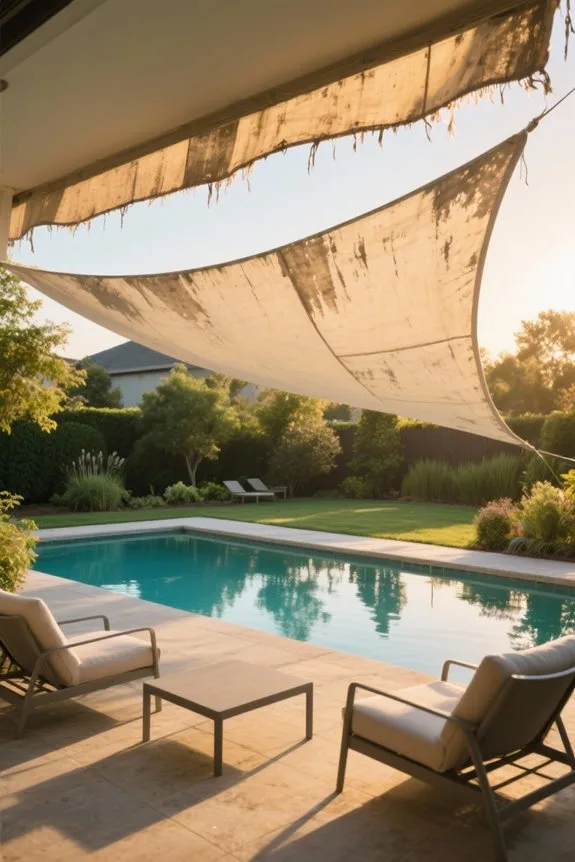
Although shade sails offer durable protection, consistent upkeep is essential to maintain their functionality and appearance. Clean sails regularly using a mild detergent and soft brush to remove dirt, mildew, and mold, which degrade fabric integrity and limit longevity. Inspect attachment points, turnbuckles, and eye bolts each season for wear or corrosion, replacing hardware as needed to prevent structural failure. Remove shade sails before storms or high winds to avoid tearing or detachment. Store sails in a dry, cool place during off-seasons to minimize UV damage and environmental wear. Opt for high-quality, UV-resistant materials blocking up to 95% of harmful rays, markedly extending service life. Follow these maintenance practices diligently to maximize shade sails’ longevity and safety in integrated pergola or gazebo installations. Additionally, regularly retighten fixtures post-storm to maintain stability and tension for optimal performance.
Enhancing Outdoor Living Spaces With Shade Sail Integration
Consider the dimensions and layout of your existing pergola or gazebo, measuring each side precisely before selecting shade sails. Choose from various types, such as triangular or rectangular sails, to fit your space accurately. Opt for UV-resistant fabric, which provides up to 95% protection while permitting natural light. Attach the shade sails securely to fixed points on the pergola or gazebo, using stainless steel turnbuckles and galvanized steel cables for tension. Guarantee proper angle and slope for effective rainwater runoff, preventing water pooling that could damage the fabric. Utilize color options strategically to complement your outdoor décor, making the space visually appealing and much better suited for relaxing or entertaining. This integration improves weather resistance and enhances usability, maximizing the pergola or gazebo’s function year-round. For enhanced durability and ease of setup, consider using shade sail tensioning kits that include ratchet winches to maintain optimal sail tension.
Frequently Asked Questions
Can You Put a Shade Sail on Top of a Pergola?
Like a sail catching the wind, a shade sail can crown a pergola, offering shelter and style. Design considerations include shape and size, while installation tips emphasize secure attachment to posts for lasting protection and elegance.
What Is the Disadvantage of a Shade Sail?
A disadvantage of a shade sail is its limited wind resistance, making it vulnerable to damage during storms. Additionally, shade sail maintenance is required to maintain proper tension, preventing sagging and water pooling, which can reduce its durability.
What Are the Downsides of Covering a Pergola?
Covering a pergola can increase pergola maintenance due to debris accumulation and fabric wear. It may also reduce sun exposure unevenly, causing potential fading or dampness, which could limit outdoor use and require more frequent upkeep.
How Do You Provide Shade With a Pergola?
Providing shade with a pergola design involves incorporating shade solutions like retractable canopies, lattice panels, or shade sails. These elements balance sun protection and aesthetic appeal, enhancing comfort while maintaining the pergola’s open-air ambiance.