As an Amazon Associate, we earn from qualifying purchases. Some links on this site are affiliate links at no extra cost to you. Our recommendations are based on thorough research and editorial judgment.

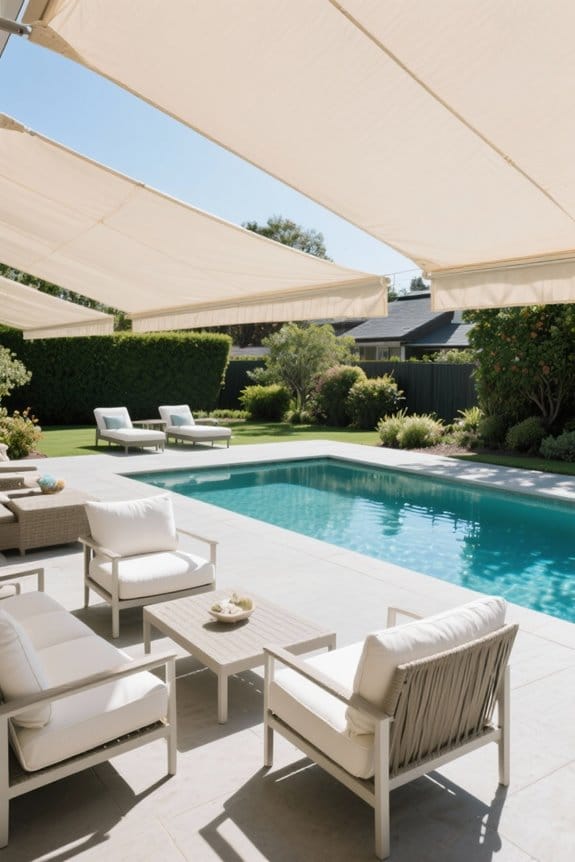
Keeping Patio Furniture Clean Under Sails

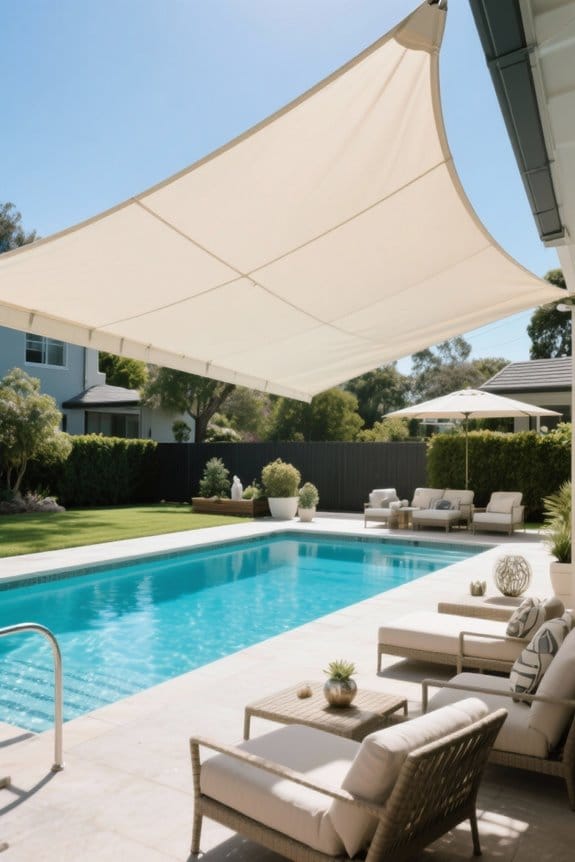
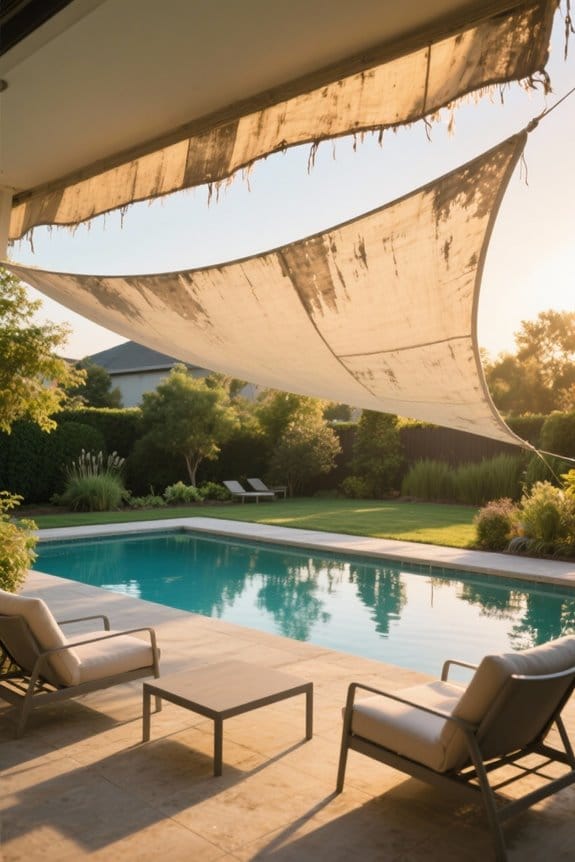
Secure UV-resistant sails with at least 80% UV block rating over patio furniture to shield from sun damage and rain. Remove debris weekly using a soft brush or leaf blower to prevent moisture retention. Wipe metal parts dry immediately after cleaning to avoid rust, and apply mold-resistant sprays on fabric surfaces. Use moisture absorbers beneath sails and store cushions in breathable bags. Inspect regularly for fabric tears or sagging. Follow these steps precisely to maintain outdoor furniture effectively; further guidance clarifies tips for deeper upkeep.
Key Takeaways
- Regularly remove dirt and debris from furniture using a soft brush or leaf blower to prevent buildup under sails.
- Spot clean stains with mild soap and water, rinsing thoroughly to avoid residue on furniture surfaces.
- Ensure sails are tensioned properly to prevent water pooling, which can cause mold and mildew on furniture.
- Use mold-resistant sprays on outdoor fabrics beneath sails to inhibit dampness and mildew growth.
- Store cushions in breathable containers when not in use to keep them dry and free from moisture damage.
Benefits of Using Sails for Outdoor Furniture Protection

You may be interested

When installing sails for outdoor furniture protection, begin by selecting UV-resistant fabric with a minimum 80% UV block rating, ensuring effective long-term shielding against sun damage. Attach sails securely to durable anchor points, tensioning them to minimize sagging, which prevents water pooling and enhances weather protection. Position sails to cover key furniture materials exposed to direct sunlight, rain, and wind, thereby reducing dirt and grime accumulation. Use protective covers beneath sails sparingly to further protect delicate cushions and upholstery from moisture. Incorporate regular inspections to check for fabric tears or loose fittings that could compromise coverage. By implementing these steps, one can effectively protect outdoor furniture, decrease exposure-related wear, and minimize the frequency needed to clean outdoor furniture contaminated by environmental debris or particles. It is also recommended to follow proper installation guidelines to ensure the sails maintain their effectiveness and longevity.
Regular Cleaning Practices for Patio Furniture
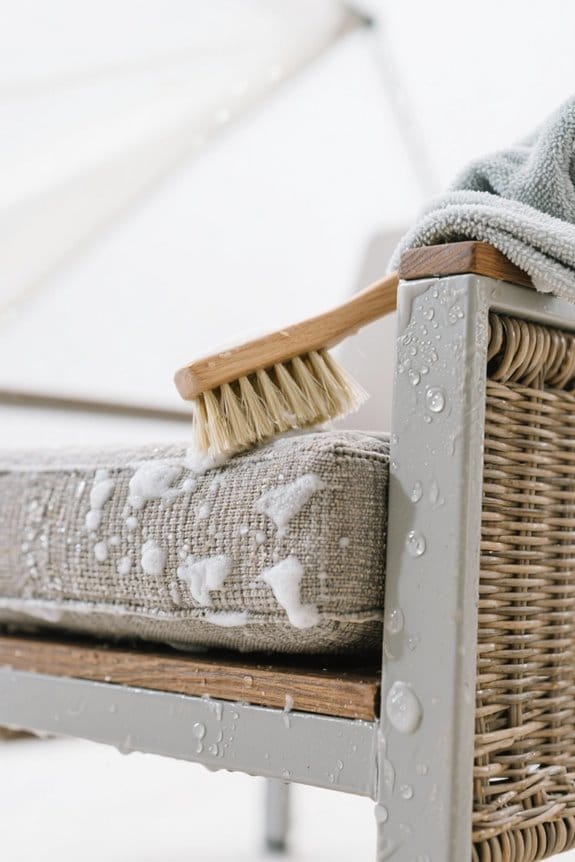
Maintain a weekly cleaning routine by removing accumulated dirt and debris from patio furniture with a soft-bristled brush or leaf blower, especially beneficial under protective sails. Regular cleaning helps protect your furniture from buildup that can cause wear. Use a mild soap and water solution to spot clean stains, applying it with a soft cloth or sponge, then rinse thoroughly. Wipe metal surfaces with a damp cloth to prevent rust, drying immediately to avoid moisture damage. For wicker and rattan, schedule deep cleaning every few months using mild soap and a soft brush to remove embedded dirt and prevent mold. After cleaning, apply a protective coating such as UV protectants or waterproof treatments to outdoor fabrics; this enhances durability and guards against fading. Consistent maintenance extends furniture life and keeps your outdoor area inviting. Inspect materials regularly for wear and tear to address issues before they worsen.
Recommended Products

OXY-POWERED OUTDOOR STAIN REMOVAL: This Outdoor Cleaner & Stain Remover delivers powerful spot cleaning with an oxy-powered formula. Designed to tackle tough outdoor stains caused by mold, mildew, algae, dirt, and grime, it helps refresh patios, decks, and outdoor living spaces

MULTIFUNCTIONAL CLEANING BRUSH: High-quality soft household cleaning brush bristles can easily clean dirty parts of clothes, such as collars and cuffs without damaging the fabrics, and can also be used to clean stains on tiles and countertops, making home cleaning easy.

MULTI PURPOSE USE: Tires, car, truck, grills, spokes, bumpers, wheel well, concrete, decks, house, pots
Effective Cleaning Solutions for Different Materials

Regularly apply tailored cleaning solutions to different patio furniture materials, ensuring ideal maintenance and longevity. For wood patio furniture, mix a mild soap and water solution, scrub gently, and rinse thoroughly; use specialized wood cleaners 1-2 times yearly to preserve finish. Clean aluminum furniture similarly with mild soap and water, then apply automotive wax to protect and enhance shine. Dust wicker furniture weekly; for deep cleaning, use a soft brush dipped in a mild soap solution, then dry completely to prevent damage. Spot clean outdoor fabric cushions using a mild soap and water solution, focusing on stains; removable covers may require machine washing per manufacturer instructions. Following these targeted methods helps maintain your furniture’s appearance and durability, making cleaning efficient and effective under patio sails. For extended outdoor protection, consider installing a motorized retractable awning which provides customizable shade and shields furniture from harmful UV exposure.
Recommended Products

Specialized Formula for Outdoor Fabrics - Advanced formula designed for high-use outdoor surfaces, making this patio cushion cleaner, outdoor fabric cleaner, and outdoor furniture cleaner ideal for maintaining cushions and fabrics exposed to sun, moisture, and frequent use. Helps support regular care of outdoor materials without relying on harsh cleaning methods
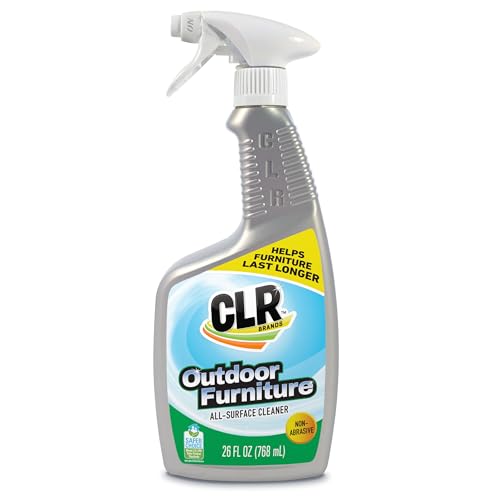
HUNDREDS OF USES: Tackle the whole yard with this powerful outdoor furniture cleaner. Formulated for use on patio, lawn and deck furniture, it is an effective and versatile product for outdoor furniture - from upholstery to plastic play sets.

OUTDOOR RESTORER: Penetrates deep to restore faded & weathered outdoor surfaces.
Managing Moisture and Preventing Mold Under Sails
Although patio sails provide essential shade, they can trap moisture beneath, increasing the risk of mold and mildew. Guarantee proper ventilation by keeping air flowing to reduce humidity and prevent stagnant conditions favorable to mold growth. Regularly inspect the area, remove debris, leaves, and dirt that hold moisture and promote mold formation. Use moisture-absorbing products like silica gel packets or small dehumidifiers to control humidity under sails. Apply a protective, mold-resistant spray on outdoor fabrics to add a durable barrier against dampness and mildew. Store cushions and upholstery in breathable containers or bags when not in use, allowing air circulation while keeping them dry. To extend the lifespan of your shade solutions, ensure regular maintenance including rinsing and wear inspections is performed. Follow these steps consistently to maintain a clean, mold-free environment beneath patio sails, protecting both your outdoor fabrics and furniture longevity.
Recommended Products

WATER REPELLENT SPRAY: One Scotchgard Outdoor Sun & Water Shield Fabric Spray, 10.5 oz can, that repels water and protects against the sun's UVA/UVB rays

Quickly removes stains caused by mold and mildew on contact without heavy scrubbing; EASY TO USE - spray, wait until the stain disappears, then rinse

Wet & Forget Ready To Use Outdoor Cleaner comes with a high-capacity trigger sprayer for quick application to smaller surfaces; removes green and black stains caused by moss, mold, mildew, and algae, no scrubbing, no rinsing, no pressure washing, just wet it and forget it on multiple surfaces including, porch steps, headstones, fountains, planters, concrete, canvas, and upholstery
Best Techniques for Cleaning and Maintaining Cushions
Start by spot cleaning outdoor cushion covers using a mixture of mild detergent and lukewarm water, applying the solution with a soft-bristled brush or clean sponge. Use mild dish soap for stubborn spots on Sunbrella® cushions, ensuring to remove dirt with gentle circular motions. For removable covers, follow care tags and machine wash when allowed, selecting gentle cycles and air-drying to avoid shrinkage. To tackle mildew, apply a solution of equal parts water and white vinegar, scrubbing lightly. Always allow cushions to dry fully before placing them back on furniture or inside a storage unit. Regularly consult your site’s guidelines for maintenance tips and to optimize cleaning frequency. Consistently storing cushions indoors or in a sealed storage unit protects them from weather damage, prolonging their usability and appearance. Additionally, using durable materials in cushion construction can enhance longevity and resistance to weathering.
Recommended Products
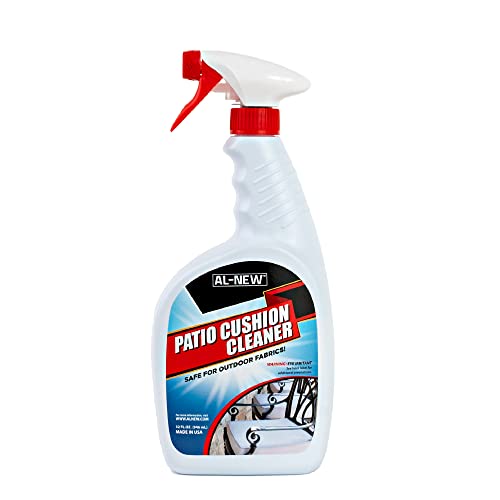
Best Way to Clean Outdoor Patio Cushions, Fabric Cushions, Patio Furniture Covers, Sunshades & Sail Cloth, Fabric Awnings, Umbrellas & More!

OUTDOOR STAIN REMOVER: Carbona Pro Care Outdoor Cleaner combines an oxy powered formula with active foam technology, with the convenience of a built-in brush applicator, to effectively spot clean a variety of outdoor surfaces and living spaces. The formula is safe for plants/grass and safe to use around pets.

CHEMICAL GUYS LIGHTNING FAST STAIN EXTRACTOR (SPI_191_16) – Professional-strength stain remover formula penetrates deep into carpet, upholstery, and fabric to quickly break down and lift stains, dirt, and odors for a restored, like-new look
Using Protective Covers to Extend Furniture Lifespan
How can protective covers greatly extend the lifespan of patio furniture? Use high-quality, breathable covers to shield against UV rays, dirt, and moisture, which cause material degradation. Secure covers firmly with adjustable straps or elastic hems to prevent wind damage and debris accumulation. Select water-resistant fabrics to inhibit mold and mildew growth while allowing trapped moisture to escape. Regularly inspect covers for tears or weak spots, repairing promptly to maintain ideal protection. By reducing surface exposure, covers decrease the need for frequent deep cleaning, saving time and preserving finish integrity. Store cushions separately in waterproof deck boxes when covered furniture is stored for extended periods. Investing in tailored protective covers effectively extends the life of outdoor furniture, preserving its structural stability and aesthetic appearance under varied weather conditions. Choosing covers with tape-sealed seams ensures enhanced waterproofing and durability in heavy rain and snow.
Recommended Products

【Outdoor Patio Furniture Cover Waterproof 4-Piece Set】The innovative independent design divides the traditional lawn/patio furniture cover into four separate ones. Even if one gets damaged, you still have three others available. Installation can be easily completed by one person alone. Each cover can snugly protect one piece of furniture. Package contains: 2 x Waterproof chair covers: 32"L x 30"W x 30"H , 1 x loveseat cover 56"L x 30"W x 30"H, 1 x patio coffee table cover 45"L x 25"W x 13"H.

Durable Protection: This outdoor furniture covers waterproof are crafted from heavy-duty 420D Oxford fabric with a PU waterproof coating, these covers protect your outdoor furniture from rain, snow, and dust; They're designed to withstand all weather conditions with UV resistance, anti-fade properties, high-temperature resistance, and easy maintenance, making them ideal for year-round use
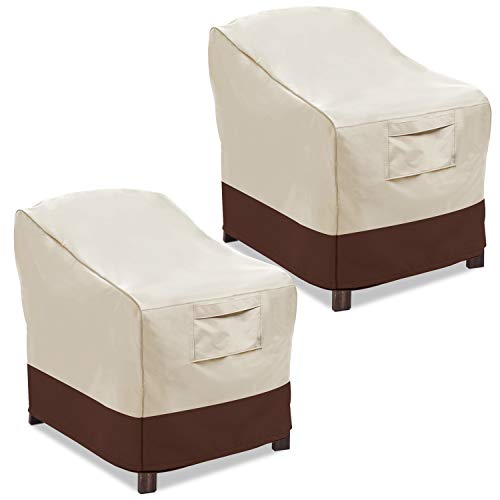
MAXIMUM PROTECTION: Featuring Heavy Duty 100% 600D Oxford fabric, this Valige patio cover is made to protect your patio furniture from outdoor elements like sun, dirt, rain, snow.Our 2 Pack Beige & Brown Large chair cover measures 37"W x 40"D x30"H which fit up to the chair 35"W x 38"D x31"H. Please measure your chair dimensions before purchasing.
Seasonal Maintenance Tips for Patio Furniture
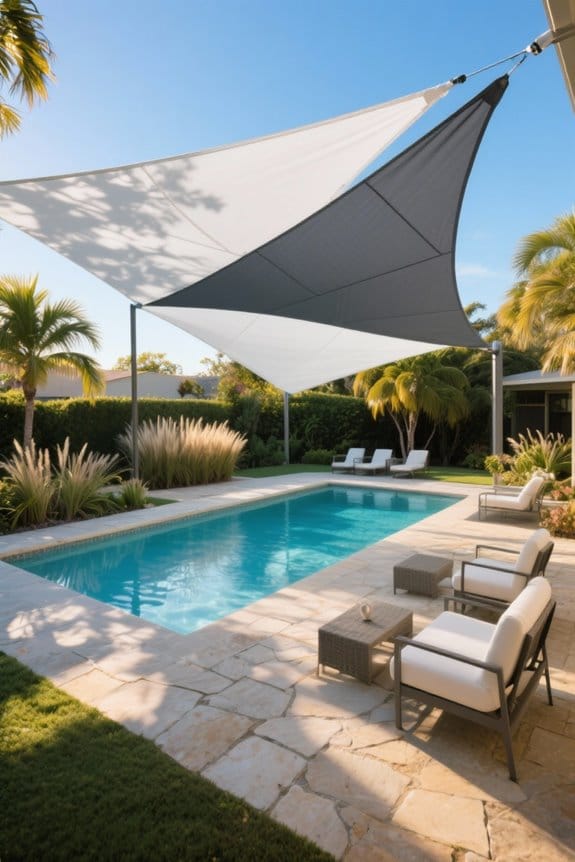
Before the onset of each season, thoroughly clean all patio furniture by brushing off accumulated dirt and debris with a soft-bristle brush, paying close attention to joints and crevices where grime collects. Next, prepare a solution of warm water and use a mild soap to wash furniture surfaces, avoiding harsh chemicals that can damage finishes. Perform deep cleaning at least twice a year, rinsing thoroughly, and let furniture air dry completely. Inspect furniture regularly for cracks, rust, or loose hardware, addressing issues promptly to maintain integrity. Protect from the elements by covering or storing cushions during adverse weather, reducing moisture absorption and mold risk. This systematic seasonal maintenance preserves durability and appearance, ensuring patio furniture remains functional and visually appealing under sails. Using shade sails made of heavy-duty 200 GSM HDPE material can also help protect your furniture by blocking harmful UV rays that cause fading and wear.
Expert Recommendations for Long-Term Furniture Care
Extend the care routine by applying protective coatings such as exterior Scotch Guard to shield surfaces from UV irradiation and moisture intrusion, ideally every three to six months depending on exposure. Select types of outdoor furniture made from durable materials like teak or UV-protected fabric to reduce maintenance demands. Clean regularly using a mild soap and water solution, avoiding harsh chemicals that may damage finishes. Perform deep cleaning biannually, scrubbing gently with a soft brush to remove accumulated dirt and mildew. Cover furniture securely when not in use and store cushions in sealed containers to keep them protected from the elements. Follow these tips for long-lasting furniture by incorporating routine inspections, promptly addressing stains, and regularly applying protective coatings to maintain structural integrity under sails and seasonal weather fluctuations. Additionally, routinely monitoring environmental factors such as moisture and UV exposure can enhance the effectiveness of protective measures for outdoor assets like furniture, similar to the importance of regular maintenance for energy-efficient pool motors.
Frequently Asked Questions
How Do People Keep Outdoor Furniture Clean?
People keep outdoor furniture clean by following furniture maintenance routines, using weather-resistant materials, applying protective coatings options, employing outdoor cleaning tips, utilizing effective cleaning tools recommendations, adopting seasonal storage solutions, and leveraging DIY cleaning hacks for efficient upkeep.
How to Protect Outdoor Furniture From Pollen?
Pollen removal techniques include brushing and wiping surfaces regularly. Furniture cover options and barrier methods protect fabrics. Protective sprays repel pollen. Seasonal cleaning tips and outdoor maintenance routines enhance longevity. Air filtration systems improve surrounding air quality.
Is It Okay to Leave Outdoor Furniture Cushions Outside in the Rain?
Leaving outdoor furniture cushions outside in the rain is generally discouraged. Effective cushion care involves material selection for weather resistance, prompt drying techniques, mold prevention, regular maintenance tips, and proper storage solutions to prolong lifespan and maintain cleanliness.
How to Secure Patio Furniture in High Winds?
For those who adore flying chairs, simply ignore furniture weights and anchoring systems. Otherwise, embrace wind resistant designs, weather resistant materials, sturdy furniture covers, smart storage solutions, and outdoor safety tips to keep patio furniture firmly grounded during high winds.