As an Amazon Associate, we earn from qualifying purchases. Some links on this site are affiliate links at no extra cost to you. Our recommendations are based on thorough research and editorial judgment.
Seasonal Removal of Shade Sails—When & Why

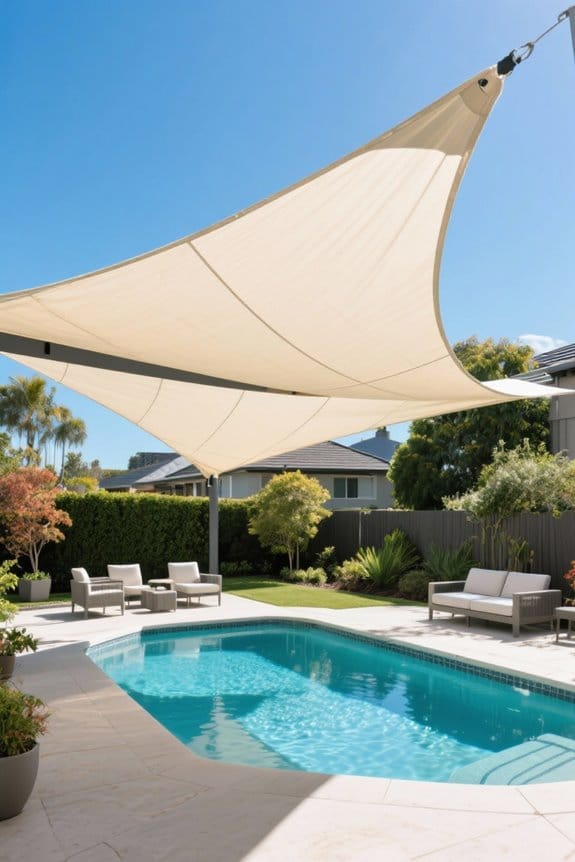
Remove shade sails seasonally before winter or storms to prevent wind damage, fabric stretching, and water pooling. Detach all fasteners using carabiners or ratchet straps, inspect seams and hardware for corrosion, and clean fabric thoroughly. Dry sails completely to avoid mold before tightly rolling for storage in a cool, dry place with protective covers. Replace rusted components and document installation steps for next use. Following these guidelines guarantees durability and performance; detailed maintenance tips and risk prevention follow.
Key Takeaways
- Remove shade sails before severe weather and storms to prevent wind-induced damage and fabric tearing.
- Detach sails at the end of summer to reduce UV exposure and prevent fabric degradation.
- Take down shade sails during winter in snowy regions to avoid strain and damage from snow accumulation.
- Perform seasonal removal biannually in spring and autumn for cleaning, inspection, and maintenance.
- Store sails dry in a cool place and roll tightly to prevent mold, creasing, and deterioration.
Importance of Seasonal Shade Sail Removal

You may be interested
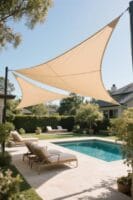
Begin by systematically detaching the shade sail from all mounting points, using a ratchet strap or carabiner to avoid fabric stress. Prioritize seasonal removal to protect the fabric from extreme weather damage like heavy winds and storms. Carefully lower the sail, inspecting it for minor tears or stretched areas caused by snow or ice accumulation during winter months. Clean the fabric thoroughly, ensuring it is dry before proceeding. Store the shade sail in a dry, sheltered location to prevent mold growth, which can deteriorate fabric integrity in damp conditions. Additionally, check all hardware and mounting points for wear or corrosion during this process. Completing these steps annually minimizes UV and environmental wear, extending your shade sail’s functional lifespan and maintaining peak performance throughout changing seasons. Using marine-grade stainless steel hardware during installation helps ensure durability against weather elements and reduces maintenance needs during seasonal changes.
Identifying Optimal Removal Times
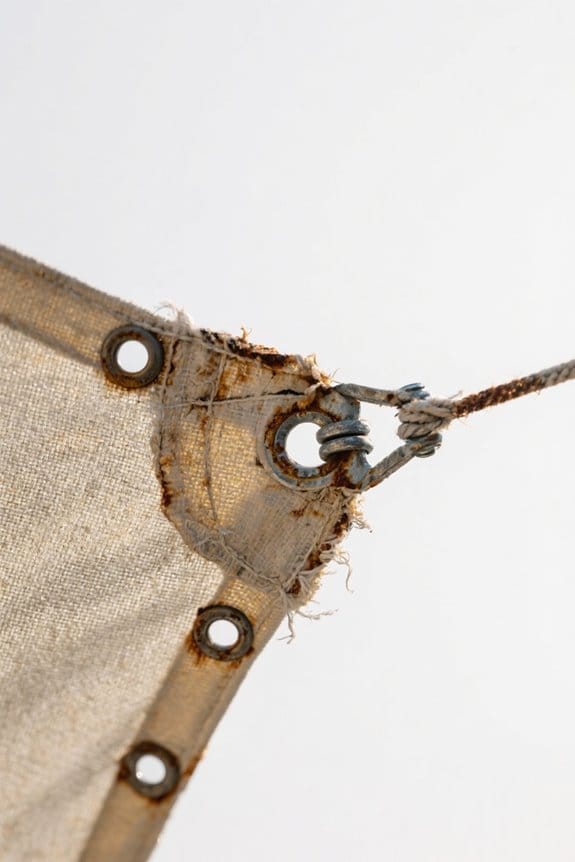
Although shade sails are designed for durability, identify ideal removal times by closely monitoring weather forecasts and seasonal patterns. Remove sails before severe weather events, such as hurricanes, to prevent excessive lift causing tears. Use a sturdy ladder and fastening tools to detach sails safely. Remove sails during winter in snowy regions to avoid fabric strain from accumulated snow. Conduct regular inspections for wear and tear, especially at stress points like corners and seams; address loose fasteners before removal. Take sails down at the end of summer to minimize UV damage, following removal tips that include gentle fabric folding and clean storage in dry, ventilated containers. Finally, clear debris from mounting posts to prevent deterioration. Adhering to these guidelines extends shade sail lifespan and maintains peak performance. It is also important to consider the UV protection rating of your shade sail when evaluating its durability throughout the seasons.
Recommended Products

【Versatile for Any Outdoor Setting】 Artpuch Outdoor Roller Shades are the perfect fit for a wide range of outdoor spaces, including porches, gazebos, patios, backyards, decks, balconies, pergolas, and more. Tailor the ambiance of your chosen scene with ease and style, from tranquil mornings with a cup of coffee to vibrant garden parties or cozy family dinners.

【Versatile for Any Outdoor Setting】 Artpuch Outdoor Roller Shades are the perfect fit for a wide range of outdoor spaces, including porches, gazebos, patios, backyards, decks, balconies, pergolas, and more. Tailor the ambiance of your chosen scene with ease and style, from tranquil mornings with a cup of coffee to vibrant garden parties or cozy family dinners.
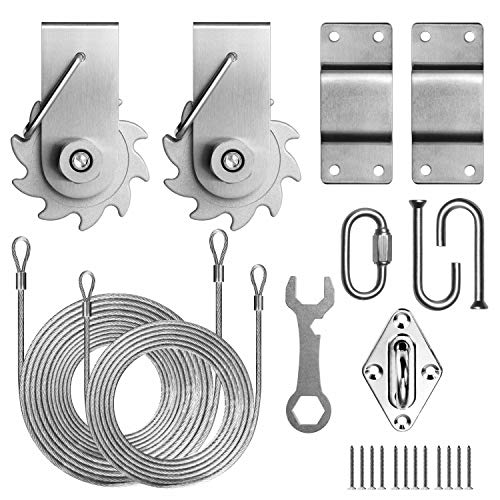
★ Universal Compatibility:Compatible with any type (Except Super Ring series) and brand of triangle shade sails, versatile and easy to use - No more manual tightening of turnbuckles, achieve top-notch tension effortlessly with the wrench provided.
Weather Conditions That Threaten Shade Sails
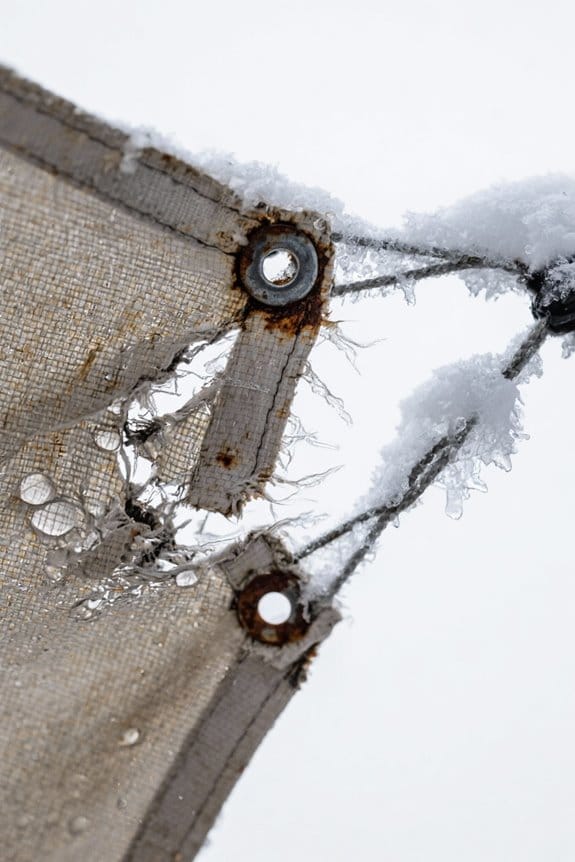
When strong winds approach, immediately inspect shade sail tension and fasteners, ensuring all attachment points are secure with stainless steel turnbuckles rated for at least 500 lbs load. Check for flapping fabric, which indicates loose tension and increases tearing risk. During heavy rain, verify sail angles to prevent water pooling; pooled water stretches fabric fibers, causing permanent damage. Examine mounting hardware regularly for corrosion or looseness, as compromised anchors can fail under storm conditions. Be alert to flying debris that could puncture or tear the sail surface, requiring costly repairs. Remove shade sails promptly if structural integrity is doubtful or if severe weather warnings are issued. Proactive maintenance and timely removal minimize damage risks, extending the functional life of shade sails through fluctuating weather conditions. It is also important to ensure your sail is made of UV-treated materials to withstand sunlight degradation over time.
Risks of Leaving Shade Sails Up During Storms
Because shade sails function similarly to sails on a boat, leaving them up during storms increases the risk of wind-induced lift, which can destabilize the entire structure. Inspect all hardware for rust or wear, tighten loose fittings, and confirm secure anchoring before storms. Understand that strong winds may bend or snap inadequately anchored posts, causing structural failure. Remove debris promptly to avoid punctures or tears to the sail fabric. Verify the sail’s angle prevents water pooling, which can overstretch and permanently damage the material during heavy rain. Recognize these risks and act accordingly to prevent damage, structural collapse, and costly repairs. Taking these precautionary steps minimizes exposure to extreme weather hazards and maintains the shade sail’s integrity over time. Additionally, it is important to maintain a 0.5 to 2 feet gap between D-rings and supports to ensure proper tension and drainage during adverse weather.
Protecting Your Investment Through Proper Storage
To safeguard shade sails during the off-season, store them in a dry, cool environment to prevent mold growth and fabric degradation. Roll the fabric tightly instead of folding to reduce creasing and maintain shape. Use a protective cover to shield the material from dust, pests, and moisture damage. Inspect hardware, including turnbuckles and pulleys, clean and lubricate moving parts, and label components for easier reinstallation. Care goes a long way toward extending lifespan and preserving performance. Avoid storing near direct sunlight or extreme temperatures, as these conditions accelerate wear. Allocate at least a 12″x12″ sealed bag for smaller fittings. Document the setup through photos or notes to streamline next season’s assembly. This methodical storage approach reduces damage risk, ensuring your shade sails remain ready and durable for years. Additionally, choosing shade sails made from high-density polyethylene enhances durability and resistance to environmental damage during storage.
Step-by-Step Removal Process
Start by reviewing the weather forecast for clear, calm conditions to guarantee safe removal without unexpected wind or rain. Begin detaching the hardware carefully, utilizing quick-release connectors when available, to minimize strain on the shade structure. Loosen tension gradually to prevent sudden fabric snaps. Gently roll or fold the fabric as it is removed from anchor points, avoiding creases and potential damage. While the sail is down, perform a thorough inspection for signs of wear such as frayed edges or weakened stitching, and document any areas requiring repair. Removing all attachments methodically keeps components organized and prevents damage during handling. Follow these steps diligently to maintain the structural integrity and readiness of the shade sail for future seasonal installations. Additionally, wearing nitrile gloves and goggles during the removal process is recommended to ensure safety when handling any chemical residues that may be present.
Recommended Products

❄【Fitment】-Compatible with 2014 2015 2016 2017 2018 2019 2020 Nissan Rogue.NOT fit for Rogue Sport,Rogue Select.

HEAVY DUTY SNAP HOOK CARABINER - Spring snap hooks are constructed with zinc galvanized carbon steel with premium polishing surface, available in corrosion resistant and rustproof; Provide a wide application in order to close a ring or loop to a semi-permanent attachment.

★ Universal Compatibility:Compatible with any type (Except Super Ring series) and brand of Rectangle shade sails, versatile and easy to use - No more manual tightening of turnbuckles, achieve top-notch tension effortlessly with the wrench provided.
Ideal Storage Practices for Longevity
Three essential conditions must be met before packing shade sails for storage: confirm the fabric is completely dry, roll it carefully to avoid creases, and select a cool, dry location free of moisture or pests. Always roll shade sails tightly yet gently to prevent permanent creasing, which compromises fabric integrity. Use protective covers to shield your shade solutions from dust, pests, and UV exposure during storage. Verify your shade storage area is well-ventilated, pest-free, and maintains consistent temperature below 25°C (77°F) to inhibit mold growth. Regularly inspect stored sails for signs of moisture or damage, addressing any issues immediately to extend lifespan. Following these steps guarantees your shade remains in prime condition, ready for redeployment each season, minimizing replacement costs and maintaining performance throughout its service life. Proper maintenance including cleaning and hardware inspection further enhances the durability and effectiveness of shade sails over time.
Recommended Products

YOUR OWN PERSONAL BUBBLE: An automatic pop-up, no assembly needed igloo tent perfect for setting boundaries between you and others out in public or in the privacy of your own space. Simply pop-up, secure, and enjoy the personal space to the fullest.

Stihl 69097805401 AIP 602 sun canopy (by Best4Forst)

PREMIUM ALL-WEATHER BOAT SHADE Enjoy reliable shade and UV protection with the Breakwater Sportz by Oceansouth 3 Bow Bimini Top. Designed for fishing, cruising and family boating, it provides comfortable overhead coverage while maintaining an open, spacious feel on board.
Material Considerations Affecting Removal Frequency
Material properties directly affect how often shade sails require removal and maintenance. Assess material considerations like fabric type—HDPE offers UV resistance and longer outdoor durability, reducing removal frequency. Choose water-resistant fabrics to prevent damage from moisture and mold during wet seasons; remove sails promptly after storms to dry. Examine fabric thickness and weave; thicker, tightly woven materials withstand strong winds better but still need seasonal removal to avoid overstressing. Remove sails made from thinner or lower-quality materials more often to prevent tears and degradation from continuous exposure. Factor in local climate—high humidity or snowfall demands more frequent removals to maintain integrity. Regularly inspect material composition, schedule removals accordingly, and store sails properly to extend lifespan, ensuring reliable performance and preventing costly repairs due to neglect. Additionally, understanding the sail’s UV protection level helps in anticipating material degradation and setting appropriate removal intervals.
Recognizing Signs of Wear and Damage
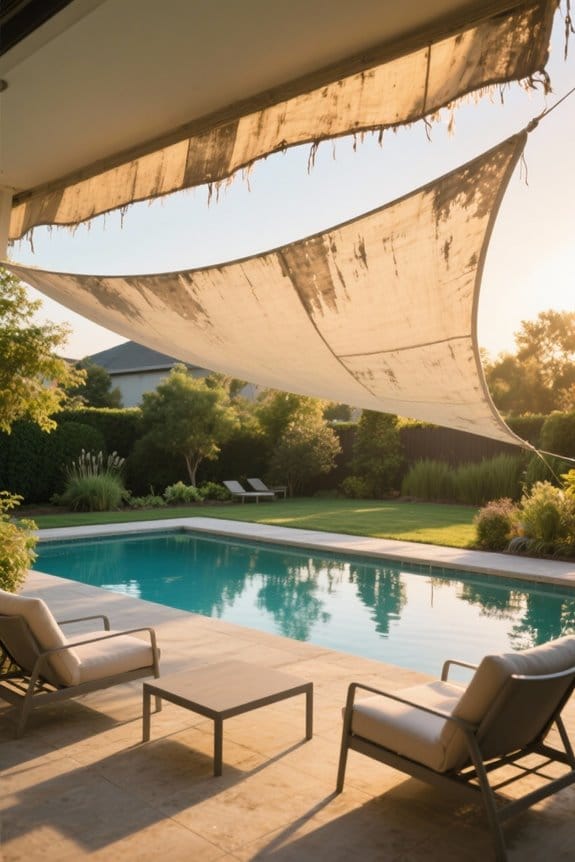
Although regular checks may feel tedious, closely examine the shade sail’s fabric for fraying edges, fading colors, or worn patches that reveal UV degradation or weather stress. Inspect all seams and connection points meticulously for any looseness, tears, or splitting, as these areas are prone to accelerated wear and potential damage. Check fabric stiffness or brittleness by gently flexing material; loss of flexibility suggests weakening fibers. Observe the hardware—turnbuckles, carabiners, D-rings—for rust or corrosion, replacing components showing compromised integrity. Look for any pooling water spots on the fabric surface, which can cause stretching and material fatigue over time. Address discovered damage promptly by scheduling removal or repair, ensuring the shade sail maintains structural soundness and resists further degradation throughout its seasonal use. Additionally, consider the rust-resistant coatings used on shade sail posts to enhance longevity and prevent hardware damage during prolonged outdoor exposure.
Recommended Products

𝗖𝗢𝗟𝗢𝗥 & 𝗦𝗜𝗭𝗘: Classic Series Features a Gray Frame, Fabric Color: Canvas Umber (solid), Size: 13' Wide x 10' Projection Full Extension. Advaning Awnings are 100% Fully Pre-Assembled and Ready for Installation.

【𝗦𝗨𝗣𝗘𝗥 𝗛𝗘𝗔𝗩𝗬 𝗗𝗨𝗧𝗬 𝗡𝗘𝗪 𝗣𝗔𝗧𝗘𝗡𝗧 𝗗𝗘𝗦𝗜𝗚𝗡】: Made of 260 GSM permeable extra heavy duty fabric, heavy duty stainless mounting rings, cable wires built-in edges, integrate into the mounting rings, all pulling strength goes to the cable wires, not only making the edges more durable, it also enhence the appearance of shade sail.

【𝗦𝗨𝗣𝗘𝗥 𝗛𝗘𝗔𝗩𝗬 𝗗𝗨𝗧𝗬 𝗡𝗘𝗪 𝗣𝗔𝗧𝗘𝗡𝗧 𝗗𝗘𝗦𝗜𝗚𝗡】: Made of 260 GSM permeable extra heavy duty fabric, heavy duty stainless mounting rings, cable wires built-in edges, integrate into the mounting rings, all pulling strength goes to the cable wires, not only making the edges more durable, it also enhence the appearance of shade sail.
Seasonal Maintenance Tips to Extend Lifespan
When should seasonal maintenance be performed to maximize shade sail durability? Conduct it biannually—ideally in spring and autumn—to avoid damage and sustain performance. Begin by thoroughly cleaning the fabric with mild detergent and a soft brush, preventing stains and fabric degradation. Next, inspect seams and connection points for early signs of wear, replacing hardware if corrosion or fraying appears. Adjust tension bolts and turnbuckles to eliminate sagging, ensuring proper drainage to stop water pooling. If removing sails during winter, confirm they are completely dry and store them in a pest-free environment to prevent mold. Perform these tasks consistently to extend the shade sail lifespan, reduce repair costs, and maintain ideal shade coverage across seasons. Additionally, considering UV-resistant fabric in your shade sail choice can significantly enhance its longevity and performance.
Recommended Products

【𝗦𝗨𝗣𝗘𝗥 𝗛𝗘𝗔𝗩𝗬 𝗗𝗨𝗧𝗬 𝗡𝗘𝗪 𝗣𝗥𝗢 𝗥𝗜𝗡𝗚】: Crafted from 260 GSM permeable heavy-duty fabric, featuring upgraded 2025 stainless steel mounting rings and integrated heavy-duty steel cables along the edges. This design channels all pulling forces through the steel cables, enhancing edge durability and improving the overall aesthetics of the shade sail

【𝗦𝗨𝗣𝗘𝗥 𝗛𝗘𝗔𝗩𝗬 𝗗𝗨𝗧𝗬 𝗡𝗘𝗪 𝗣𝗔𝗧𝗘𝗡𝗧 𝗗𝗘𝗦𝗜𝗚𝗡】: Made of 260 GSM permeable extra heavy duty fabric, heavy duty stainless mounting rings, cable wires built-in edges, integrate into the mounting rings, all pulling strength goes to the cable wires, not only making the edges more durable, it also enhence the appearance of shade sail.

Wind-Resistant Protection: Pro-Tect tested and proven to withstand up to 100 mph winds*
Preparing Shade Sails for Extreme Weather
Count on removing shade sails at least once per severe weather event to avoid costly damage. Detach all anchor points using a ratchet strap or spanner wrench, carefully lower the fabric to prevent tearing in high winds. Inspect mounting hardware closely for bent bolts, rust, or loosened posts—replace or reinforce as necessary before reinstallation. Fold the sail neatly and store it in a breathable, waterproof bag to prevent mildew. Check outdoor areas for debris that could puncture fabric during storms, clear leaves and branches promptly. Assure sails avoid water pooling by confirming a minimum 15-degree angle when reinstalled. Prioritize removal well ahead of predicted hurricanes or intense storms, as wind loads exceeding 50 mph risk fabric ripping. Proper removal and storage maintain structural integrity and prolong shade sail lifespan effectively.
Benefits of Proactive Shade Sail Management
Implement proactive shade sail management by scheduling regular removals before and after severe weather to prevent fabric damage and hardware failure. Detach shade sails using quick-release hardware to save time and reduce strain, then store them in a dry, ventilated space to avoid moisture buildup and mold growth. Inspect mounting points and tensioning devices closely for corrosion or loosening during every removal, addressing any issues promptly. Document fabric condition thoroughly to detect wear patterns early, enabling targeted repairs before problems escalate. Remember, little care goes a long way in prolonging fabric lifespan and maintaining structural integrity. Maintain consistent removal routines around heavy snowfall or storms, ensuring outdoor spaces remain functional and visually appealing year-round. Follow these detailed steps precisely to optimize your shade sails’ durability and performance through each seasonal cycle.
Frequently Asked Questions
Should Shade Sails Be Taken Down in Winter?
Shade sails should be taken down in winter as a key winter precaution. This practice supports proper sail maintenance by preventing damage from snow and moisture, consequently prolonging fabric life and avoiding costly repairs or mold growth.
Can You Leave Shade Sails up All Year?
Studies show 40% of shade sails suffer damage from harsh weather annually. Leaving shade sails up all year requires diligent shade sail maintenance and seasonal considerations to prevent wear, ensuring durability despite fluctuating weather conditions.
What Is the Disadvantage of a Shade Sail?
The main disadvantage of a shade sail lies in durability concerns due to vulnerability to strong winds and storms, combined with maintenance challenges such as regular inspection, seasonal removal, and proper installation, which can increase effort and costs for owners.
What Is an Alternative to Shade Sails?
Alternatives to shade sails include retractable awnings, which offer adjustable sun protection, and patio umbrellas, known for their portability and ease of use. Both provide flexible shading options suited to various outdoor environments.