As an Amazon Associate, we earn from qualifying purchases. Some links on this site are affiliate links at no extra cost to you. Our recommendations are based on thorough research and editorial judgment.
Recognizing Shade Sail Wear for Replacement

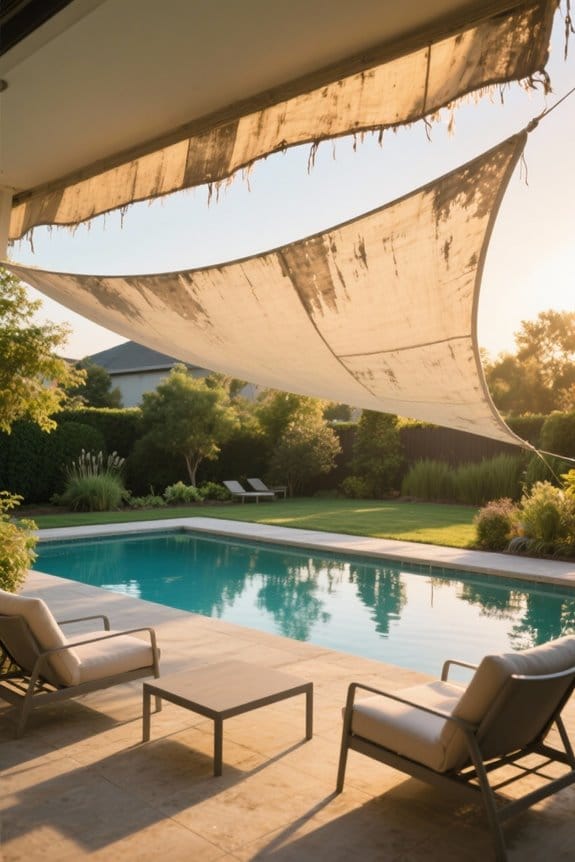
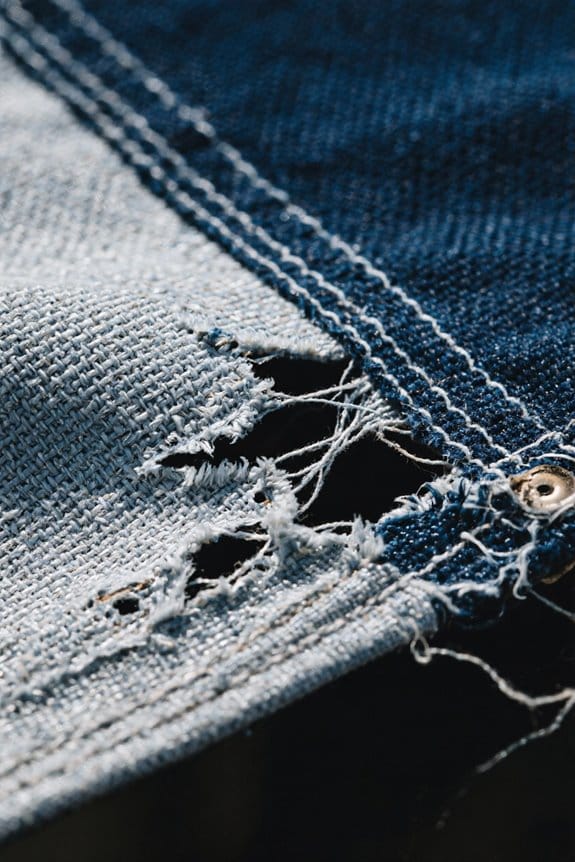
Inspect fabric with a 10x magnifying glass for fraying, small holes, and seam stress, focusing on corners. Tighten fasteners quarterly using a wrench, checking for rust or deformation, prioritizing stainless steel replacements if necessary. Assess poles with a spirit level for wobbling or cracking, verifying anchor bolt tightness. Examine the fabric for weather-induced tears, color fading, or sagging tension. Address mold promptly with fungicides; replace sails if damage compromises safety or over 10% is stained. Detailed protocols follow for maintaining shade sail integrity.
Key Takeaways
- Inspect fabric for fraying edges, small holes, and tears along seams indicating weakening or damage.
- Check for persistent mold, mildew, or stains covering more than 10% of the surface after cleaning.
- Assess color fading that reduces UV protection and compromises sail functionality.
- Examine poles, fasteners, and tension to detect wobbling, rust, or sagging affecting structural stability.
- Replace shade sails immediately if fabric deterioration or hardware damage impairs safety or performance.
Identifying Fabric Deterioration and Damage
You may be interested
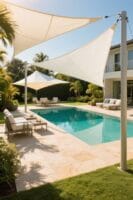
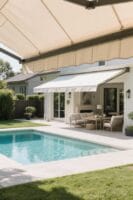
Begin by conducting a thorough visual inspection of the shade sail fabric, using a 10x magnifying glass to detect fraying edges or small holes as early warning signs. Examine all corners and seams for structural damage caused by wear and tear intensified by harsh weather. Identify any persistent mold or mildew, which signals prolonged moisture exposure weakening the material and requiring replacement. Assess fading, as color loss reduces UV protection effectiveness, directly impacting safety. Scrutinize for stubborn dirt or stains that resist standard cleaning, indicating possible fabric deterioration. Document all damage carefully, then plan to replace your shade sails when any degradation impairs function or safety. Maintain a frequent inspection schedule as part of proper maintenance to extend lifespan and guarantee reliable performance under all environmental conditions. Regular maintenance and timely replacement are just as vital for shade sails as the maintenance features critical to pool pumps to ensure long-lasting and reliable use.
Recommended Products
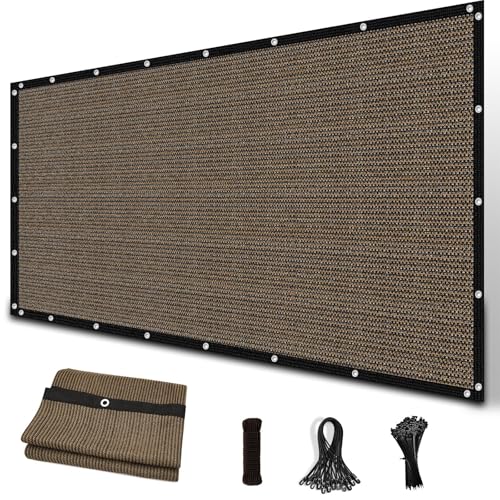
Premium Shade Fabric: The pergola shade cloth is made of 200 GSM UV protected high density polyethylene (100% HDPE) shade fabric with strong stitched seam that resists tearing and fraying, up to 90% UV Blockage

Width - 5/16" (8 mm) High quality flat athletic laces. 2 Pair (4 laces) / Material: cotton

Durable & Heavy-Duty Material: Crafted from 200GSM high-density polyethylene (HDPE) with reinforced binding and grommets, this sun shade cloth offers exceptional durability for outdoor use. Its permeable design allows rainwater to pass through easily, preventing water accumulation and sagging. Resistant to tearing and mild weather, it provides reliable sun shade and light wind protection season after season
Checking the Condition of Fasteners and Hardware
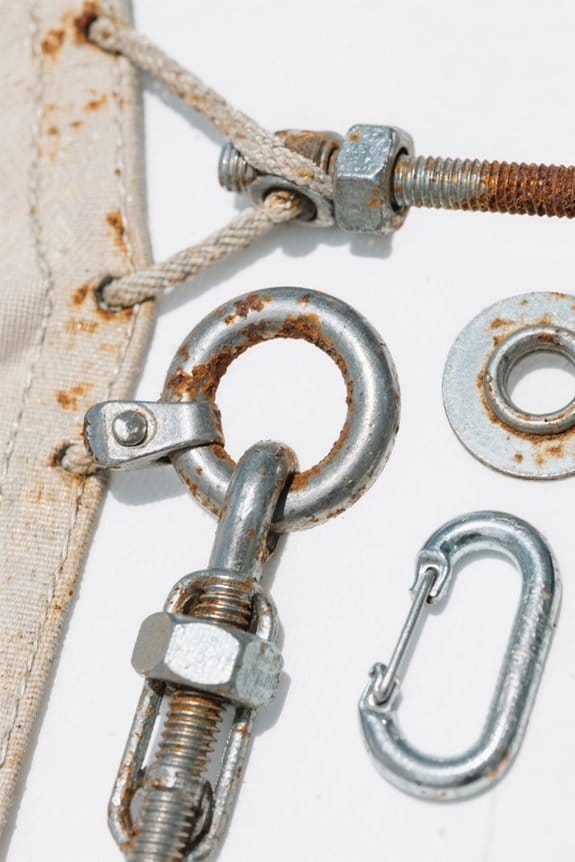
Conduct thorough inspections of all fasteners and hardware at least every three months, paying close attention after storms or heavy winds. Use a wrench or socket set to check each fastener, ensuring nuts, bolts, and screws are tight and aligned properly. Examine fasteners for signs of rust, cracking, or bending, focusing on areas exposed to moisture or friction. Prioritize high-quality stainless steel fasteners to prevent corrosion and prolong shade sails’ lifespan. Replace any rusted or damaged hardware immediately to maintain structural stability and safety. Document each maintenance session, noting any fasteners removed and replaced. Neglecting this routine can lead to compromised stability, risking shade sail failure. Regularly cleaning and lubricating hardware also supports long-term performance. Follow these guidelines precisely to uphold safety and extend shade sail use without unexpected replacement needs. Choosing hardware made from 304 or 316 stainless steel significantly enhances durability and rust resistance in outdoor environments.
Recommended Products
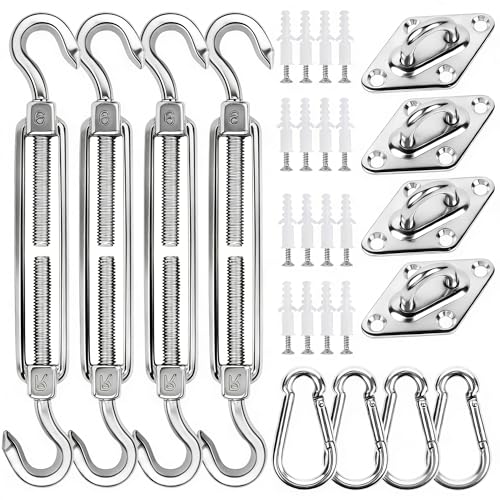
All-in-One Sun Shade Sail Hardware Kit: Our complete shade sail hardware kit includes everything you need for easy installation: 4 turnbuckles, 4 snap hooks, 4 pad eyes, 16 screws, and 16 expansion anchors. Ideal for sun shades outdoor patio, pergolas, awnings for patio, and outdoor sails for shade waterproof.
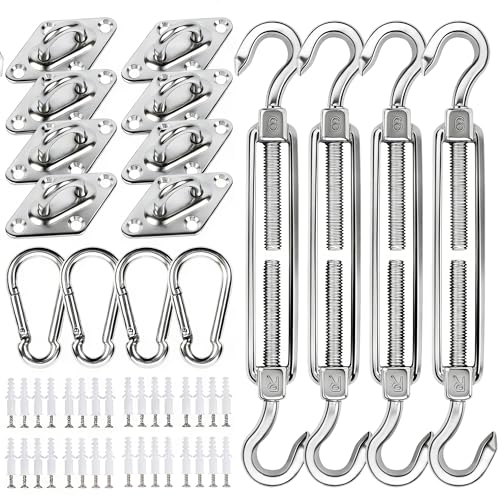
[One Kit for Any Design]: Conquer any shade sail project—rectangle, triangle, hexagon, or custom shapes—with one comprehensive 80-piece kit. Ditch the confusion of piecing together multiple sets. Plus, when installing common square or triangle sails, the extra hardware acts as your instant backup plan, saving you time and hassle if a replacement is ever needed.

All-in-One Sun Shade Sail Hardware Kit: Our complete sunshade hanging kit includes everything you need for easy installation: 4 turnbuckles, 4 snap hooks, 4 pad eyes, 16 screws, and 16 expansion anchors. Ideal for sun shades outdoor patio, pergolas, awnings for patio, and outdoor sails for shade waterproof.
Assessing Stability of Poles and Supports
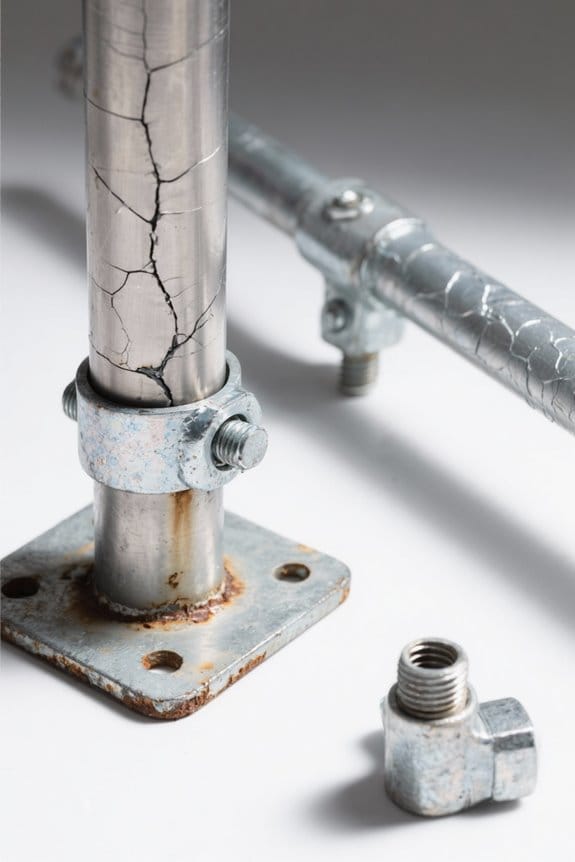
Although poles and supports may appear stable at a glance, regularly inspect for wobbling or swaying, as even slight movement signals compromised stability. Inspect poles thoroughly, checking for cracks, corrosion, or rust that undermine the structural integrity of your shade sail setup. Examine all anchorage points, tightening loose bolts or replacing damaged hardware immediately. Address sagging in shade sails promptly, as it often indicates underlying issues with pole stability or tensioning systems. Use a spirit level and gauge forces applied to supports to confirm they withstand typical weather conditions without shifting. Remember, shade sails need secure supports to maintain safety and effectiveness. When evaluating stability of poles, act decisively—delaying repairs risks damage and unsafe conditions, accelerating the need for replacing your shade prematurely. Proper tensioning with adjustable turnbuckles helps maintain the stability and longevity of poles and supports.
Recommended Products

Heavy Duty & Premium 304 Stainless Steel: Our shade sail hardware kit is crafted from high-quality 304 marine-grade stainless steel, delivering exceptional strength, durability, and corrosion resistance. Every component—from turnbuckles to wire ropes—is built to withstand harsh outdoor conditions, ensuring long-lasting, rustproof performance. The sleek silver finish is neutral and versatile, blending seamlessly with any patio, garden, or outdoor decor.

Ultimate All-Weather Durability: Experience unmatched reliability with BUDONI's Shade Sail Hardware Kit, designed exclusively for outdoor use in every season. Crafted from premium 304 stainless steel, resistant to rust and corrosion. It's engineered to endure high winds and harsh conditions, making it a steadfast companion for your patio deck shade sail. Enjoy the safety and durability of BUDONI's Shade Sail Hardware Kit, ideal for any outdoor area and a top choice for reliable shade solutions.

Material: Stainless steel. Weight: 2.07ounce/1PCS
Effects of Weather on Shade Sail Integrity
When exposed to harsh weather conditions, shade sails undergo accelerated deterioration that necessitates immediate attention. Inspect for small tears along seams and fabric edges after storms or high winds, as these can quickly expand into large holes. Check waterproof shade sails for compromised UV protection, noting any significant color fading that reduces their effectiveness. Use a tensile tester or visual gauge to assess fabric tension and detect weakened areas. Replace your shade sail immediately if structural integrity is compromised, to prevent failure. Regularly maintain your shade by tightening fittings and cleaning debris that traps moisture. High winds can cause fabric stretch or pole misalignment, so verify anchorage points and retension as needed. Timely actions prolong shade sail lifespan and guarantee consistent shading performance in all weather conditions. For enhanced longevity and support, pairing shade sails with heavy-duty steel posts is recommended to ensure stability during adverse weather.
Recommended Products

【Spiral Grounding Structure】Our shade sail poles boasts an innovative spiral grounding design, ensuring deeper stability. In addition, the newly upgraded stainless steel avoids bending. We recommend embedding the Miveda sun sail poles in the ground at 34 inches.

Shade Sail Pole Introduction:12-foot adjustable height: Each sunshade pole is composed of 4 modular parts, allowing you to adjust the final height to a maximum of 12 feet. Additionally, the top of our poles is equipped with three fixed points, facilitating your free suspension of the sunshade pole, adding practicality and personalization to your outdoor space while ensuring the stability and reliability of the sunshade pole's support.
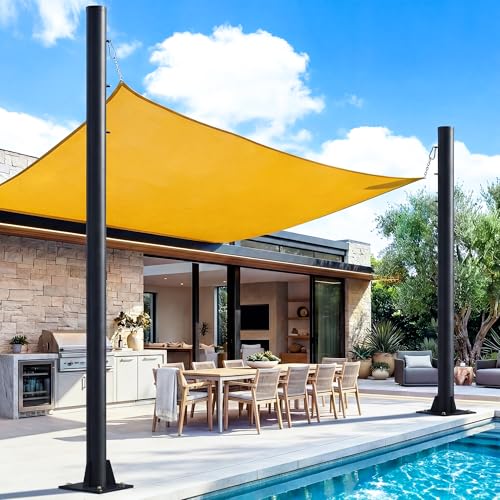
Ultra-Strong Metal Construction: Made from high-quality metal, our shade sail poles feature a 2.4-inch diameter and 2mm wall thickness. Comprising 3 sections for a total length of 10 feet, with four M16 expansion screws for secure anchoring and reliable sun protection.
Signs of Mold, Mildew, and Stubborn Stains
Numerous signs indicate mold, mildew, or stubborn stains on shade sails, signaling the need for thorough inspection. Examine all sails closely for dark spots or fuzzy growth, focusing on shaded, moist areas prone to mildew. Scrub stains with a soft brush and mild detergent; if stains persist after rinsing and drying, the shade sail needs replacement. Mold and mildew reduce both aesthetic appeal and structural integrity, weakening fabric fibers and increasing tear risk. Measure discoloration area carefully; stains covering more than 10% of the surface generally require sail replacement. Use protective gloves and a pump sprayer with a fungicidal solution for effective cleaning, repeat biweekly as necessary. Ignoring these signs jeopardizes safety and function, so promptly address mold, mildew, or persistent stains to maintain peak shade sail performance. Maintaining the proper water chemistry balance is essential to prevent conditions that promote mold and mildew growth.
Recommended Products

WIND-POWERED, WON'T BLOW AWAY — Unlike beach umbrellas and pop-up beach tents that flip or collapse, the Shibumi Shade floats on the ocean breeze and sails with as little as 3 mph of wind. The breeze that topples a beach umbrella is exactly what keeps this wind-powered beach canopy standing tall.
Premium Shade Fabric: The pergola shade cloth is made of 200 GSM UV protected high density polyethylene (100% HDPE) shade fabric with strong stitched seam that resists tearing and fraying, up to 90% UV Blockage

Premium Shade Fabric: The pergola shade cloth is made of 200 GSM UV protected high density polyethylene (100% HDPE) shade fabric with strong stitched seam that resists tearing and fraying, up to 90% UV Blockage
Aligning Shade Sails With Outdoor Design Changes
After identifying mold, mildew, or significant stains requiring shade sail replacement, evaluate the outdoor space for recent design updates. Examine the landscaping design changes affecting color schemes, structural elements, and plant arrangements. Assess if the existing sails are designed to complement these updates; if not, plan to replace the shade with high-quality shade sails that enhance the updated aesthetic. Measure anchor points accurately, ensuring new sails are properly installed to maintain tension and durability. Coordinate sail colors and shapes with architectural features to preserve visual appeal. Confirm that the replacement integrates seamlessly with the overall outdoor design changes, avoiding mismatches that detract from the project. This alignment safeguards investment, ensuring shade sails support and elevate the refreshed landscape instead of conflicting with it. When selecting new sails, prioritize materials with reinforced seams and UV protection to ensure longevity and effective sun blocking in the outdoor environment.
Frequently Asked Questions
What Is the Lifespan of a Shade Sail?
A shade sail, like a weathered tapestry fluttering in the wind, typically endures up to 15 years. Its lifespan hinges on shade sail materials, environmental factors, UV exposure, maintenance practices, installation tips, seasonal impact, aesthetic preferences, and cost considerations.
Does the Color of a Shade Sail Matter?
The color of a shade sail affects UV protection, heat absorption, and aesthetic appeal. Color fading signals reduced fabric durability, guiding maintenance tips. Installation considerations should include seasonal trends to optimize performance and guarantee long-term effectiveness under sunlight.
Can Shade Sails Be Repaired?
Shade sails can indeed be repaired, offering relief to those facing costly replacements. Effective repair options include patch techniques tailored to fabric types, with professional services recommended over DIY repairs. Regular maintenance tips prevent common issues, but clear replacement signs must not be ignored.
Can You Leave a Shade Sail up All Year?
Year round usage of shade sails is possible with proper maintenance, though seasonal storage is advised during severe weather. Weather resistance and material durability affect longevity. Installation advice includes securing tension correctly for UV protection and aesthetic choices.