As an Amazon Associate, we earn from qualifying purchases. Some links on this site are affiliate links at no extra cost to you. Our recommendations are based on thorough research and editorial judgment.

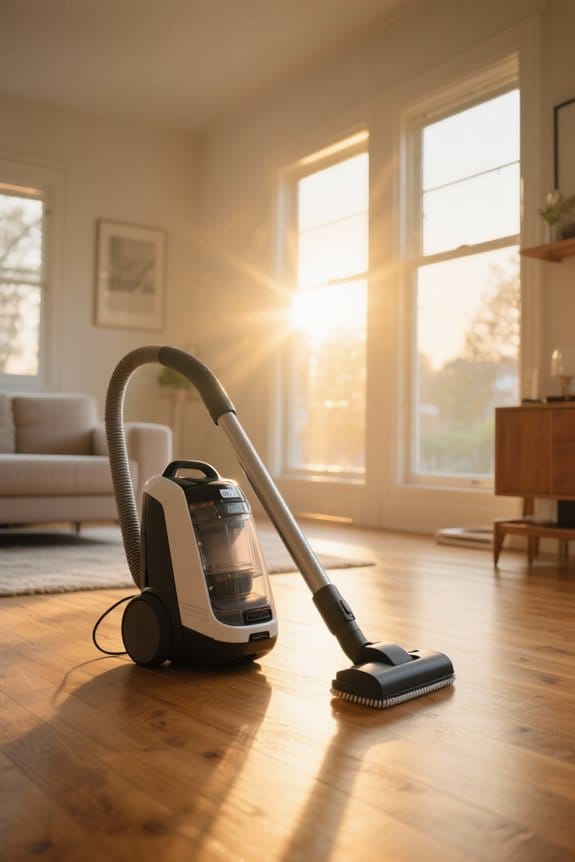
Best Times of Day for Vacuuming to Save Energy

Schedule vacuuming during off-peak electricity hours, specifically between 9 AM and 4 PM or after 9 PM, to minimize energy costs. Avoid peak rate periods from 4 PM to 9 PM and early mornings from 7 AM to 9 AM, as rates rise 30-40%. Limit weekday vacuuming to 8 AM–8 PM, and weekends from 10 AM–8 PM, balancing noise and efficiency. Use eco mode on energy-efficient vacuums, consolidate cleaning tasks, and maintain filters monthly. Following broader timing and equipment advice guarantees ideal savings and performance.
Key Takeaways
- Avoid vacuuming during peak electricity hours from 4 PM to 9 PM to reduce energy costs by 30-40%.
- Vacuum between 9 AM and 4 PM or after 9 PM to take advantage of off-peak, lower electricity rates.
- Schedule vacuuming on weekdays between 8 AM and 8 PM for optimal noise control and energy efficiency.
- Consolidate vacuum tasks to minimize energy consumption and use eco mode for further power savings.
- Perform regular vacuum maintenance to maintain efficiency and reduce energy usage during cleaning.
Understanding Peak Electricity Hours for Vacuuming
You may be interested
Because peak electricity hours increase energy costs, schedule vacuuming outside these periods. Avoid vacuuming between 4 PM and 9 PM, as utilities often charge 30-40% more during these peak hours. Also, skip the morning peak from 7 AM to 9 AM for similar reasons. Instead, plan your vacuuming for off-peak hours, such as mid-morning from 9 AM to 4 PM or late evening after 9 PM. These times reduce energy expenses and limit strain on electrical systems. Use a programmable timer if available, setting vacuum operation within off-peak time slots. Monitor your utility’s specific peak hour notifications, as variations exist. Following these guidelines cuts energy costs effectively, especially in homes with high electrical demand. Consistently vacuuming during off-peak hours maximizes savings and maintains efficient energy use. For even greater energy savings, consider upgrading to energy-efficient pool pumps that use variable-speed technology to reduce overall energy consumption.
Recommended Vacuuming Times on Weekdays
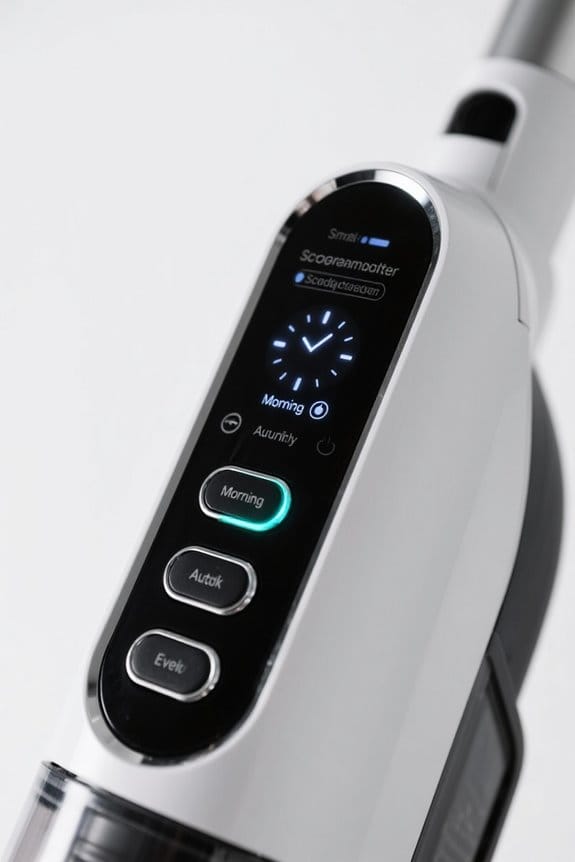
Although vacuuming times can vary, limit weekday vacuuming to between 8 AM and 8 PM to balance noise considerations and energy efficiency. Follow the recommended vacuuming times to avoid disturbing neighbors, especially in multi-unit buildings. Begin cleaning shortly after waking, since dust settles overnight, permitting a more thorough vacuum session. Complete vacuuming by 8:20 PM to prevent complaints from those winding down for the evening. Schedule vacuuming during typical work hours when ambient noise masks vacuum sounds, reducing annoyance. Align vacuuming habits with off-peak electricity periods when possible, enhancing energy efficiency and lowering utility costs. Implement habit changes gradually; set alarms or reminders to maintain consistency within recommended times. These adjustments guarantee respectful noise levels and optimize energy consumption, providing an environmentally conscious and neighbor-friendly cleaning routine during weekdays. Considering energy efficiency in household routines contributes to overall sustainability by minimizing unnecessary power consumption.
Recommended Products

Effortless & Efficient Sweeping: This battery-powered sweeper dramatically reduces operator fatigue and increases productivity, with a battery-operated main broom, side brushes, and dust fan
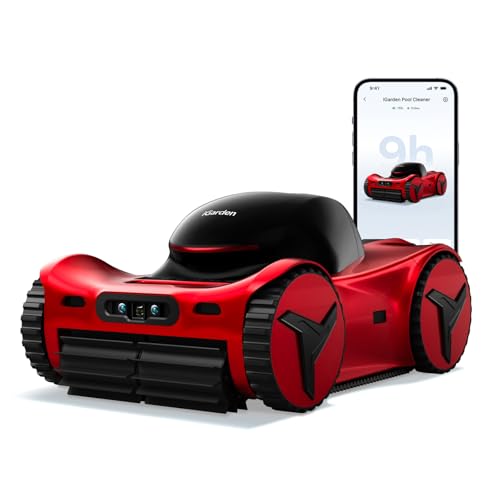
20-Min AI Quick Clean – 99% Clean Pool Floor, Zero Effort: Bionic AI Dual-Camera Vision tracks every piece of debris in real time, so the robot always knows exactly where to go—removing 99% of pool floor debris in just 20 minutes. Cleaning, before you even think about it. *99% floor debris removal in 20 minutes achieved in AI Target mode under standard test conditions; efficiency may vary depending on pool conditions.
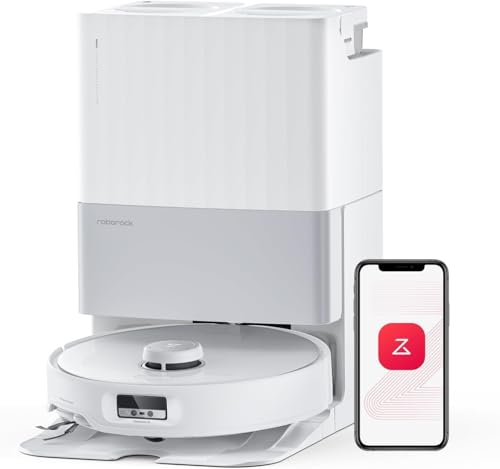
18,500 Pa HyperForce: Achieve ultimate cleaning with 18,500 Pa suction and the DuoDivide Bristle Brush. Effortlessly lift hair, debris, dust, and dirt from carpets, hard floors, and floorboard gaps. Made to adapt seamlessly to diverse home environments
Optimal Vacuuming Periods on Weekends and Holidays
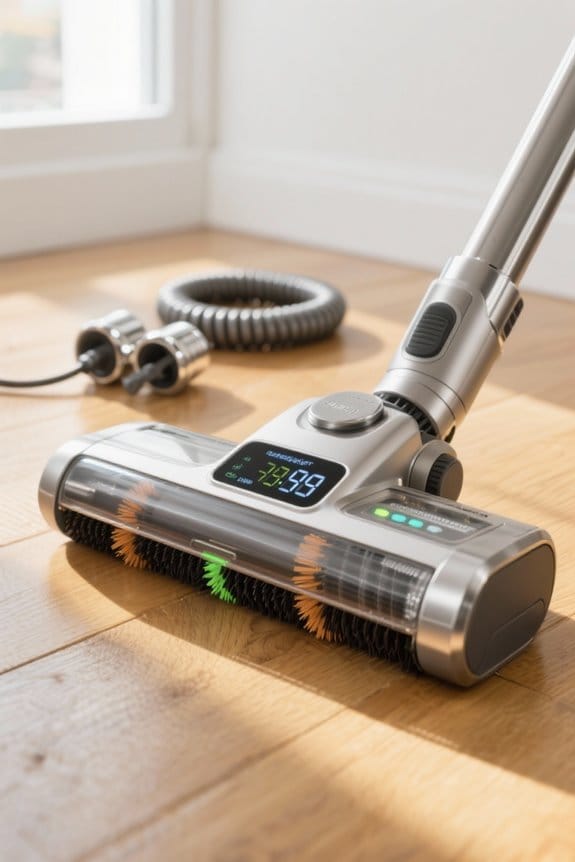
When should vacuuming occur on weekends and holidays to minimize disruptions? Schedule vacuuming between 10 AM and 8 PM on weekends, targeting mid-morning or early afternoon to balance noise and household activity levels. Finish vacuuming by 8:20 PM to avoid disturbing neighbors as they settle down. On holiday weekends, prioritize late morning or early afternoon hours, when residents typically visit friends or family, reducing noise complaints. Always unplug the vacuum cleaner when not in use to prevent unnecessary energy consumption during idle periods. Monitor your appliance’s energy consumption by using energy-efficient settings and avoid extended plug-in times. These steps guarantee vacuuming routine alignment with both community comfort and practical energy-saving goals during weekends and holidays, maintaining an efficient, considerate cleaning schedule. To further reduce maintenance downtime and improve efficiency, consider using fast-acting formulas that clean more quickly and require less operational time.
Impact of Household Lifestyle on Vacuuming Schedule
Since household lifestyle greatly influences vacuuming schedules, analyze daily routines and work commitments to determine ideal timing. For residents working outside the home, schedule vacuuming between 8 AM and 8 PM on weekdays to reduce energy use during lower occupancy periods. On weekends, adjust vacuuming times to between 10 AM and 8 PM, minimizing disruption to leisure activities. Account for household factors like children or pets, which may require more frequent vacuuming sessions. Consider dwelling type: detached houses allow flexible timing without energy or noise concerns, while apartments necessitate adherence to recommended windows to balance energy use and neighborly courtesy. Monitor and record vacuuming times aligning with occupant presence patterns, optimize energy-efficient operation by choosing times with reduced electrical load, and maintain consistent scheduling to improve overall household energy management. Additionally, regular maintenance and care of vacuuming equipment helps sustain energy efficiency and prolong device lifespan.
Noise Considerations for Vacuum Use in Residential Areas
To reduce noise disturbances in residential areas, schedule vacuuming during recommended hours, specifically between 8 AM and 8 PM on weekdays and 10 AM to 8 PM on weekends. Avoid early mornings and late evenings when noise sensitivity peaks. Complete cleaning by 8:20 PM on weekdays to prevent interrupting residents winding down. Select quieter vacuum models, such as cordless or robotic units, to minimize noise impact and consider sound insulation if living in apartments due to sound reverberation risks. Vacuum during the day when neighbors are less likely home, balancing noise with ideal energy use. If noise complaints arise, shift vacuuming time within the allowed window or switch to lower-noise settings. Consistently adhering to these guidelines guarantees effective cleaning while respecting community noise tolerance and conserving household energy efficiently. Additionally, using vacuum models with noise-reducing designs can further minimize disturbance while maintaining cleaning efficiency.
Choosing Eco Modes to Reduce Energy Consumption
Although preserving energy may not seem critical during brief cleaning sessions, choose eco mode on your vacuum to cut power usage nearly in half while maintaining sufficient suction. Engage eco mode on vacuum cleaners designed for this function, thereby reducing motor power and lowering energy consumption effectively. Prioritize eco mode when cleaning hard floors, as moderate suction is enough to maintain cleanliness without excess power drain. Confirm your model defaults to eco mode or manually switch it on before starting. Note the reduced operational noise, which benefits shared spaces. Use eco mode consistently to accumulate significant annual energy savings. If suction decreases noticeably, check for blockages or filter clogs before attributing issues to eco mode. This mode balances efficient cleaning with conservation, making it the smart choice for energy-conscious vacuuming practices. Many Dolphin models feature energy-efficient designs that enhance cleaning efficiency while reducing overall power consumption.
Recommended Products

Automatic Filter Cleaning — Industry-first cleaning station automatically rinses the filter and empties the debris bin by itself in just 3 minutes — for hands-free maintenance.Note: The cleaning station and robot are shipped separately.

Complete All-in-One Cleaning: Engineered to actively clean every surface—from the pool floor and walls to the waterline and even the water surface—this robot ensures no corner is missed

5-in-1 Cleaning Power — Effortlessly clean every pool surface, waterline, walls, floor, and clarify water, using one device. Save time and effort with innovative submarine propulsion. (Includes Clarifying Agent Kit)
Scheduling Vacuuming to Align With Building Occupancy
Align vacuuming schedules with building occupancy patterns to minimize disturbances and optimize energy use. Vacuum between 8 AM and 8 PM on weekdays, as most residents are away, reducing noise impact and lowering electricity usage during peak hours. Avoid late evening vacuuming to respect neighbors’ sleep, especially in apartments where sound carries. On weekends, schedule vacuuming from 10 AM to 8 PM to align better with occupants’ presence, minimizing disruption. Consider early morning vacuuming only if neighbors are typically absent, guaranteeing noise is not intrusive. Use a floor wiper beforehand to remove settled dust, allowing more efficient vacuum operation during these times. Always account for local schedules, such as naptimes, to further reduce disturbance. Adhering to occupancy-driven timing guarantees efficient electricity usage and maintains a respectful environment. Additionally, selecting vacuum devices with energy efficiency can significantly lower electricity consumption and operational costs.
Small Adjustments to Maximize Energy Savings During Cleaning
When seeking to maximize energy savings during vacuuming, schedule cleaning tasks during off-peak utility hours, typically late at night or early morning, when electricity rates drop substantially. Use eco mode on energy-efficient vacuum cleaners to reduce power consumption by up to 50%, maintaining cleaning effectiveness. Perform regular maintenance: clean filters every month, check for blockages in airflow paths, and inspect brushes for wear. Invest in smart power vacuums with auto shut-off features, which prevent wasted energy by powering down automatically. Vacuum during weekday hours when residents are out, minimizing noise and unnecessary energy use. Even small adjustments, like consolidating vacuuming time and optimizing machine settings, help save money without compromising cleaning quality. These steps collectively enhance energy efficiency during household cleaning tasks. Additionally, selecting vacuum models with advanced navigation technology can further improve cleaning efficiency and reduce overall energy use.
Recommended Products
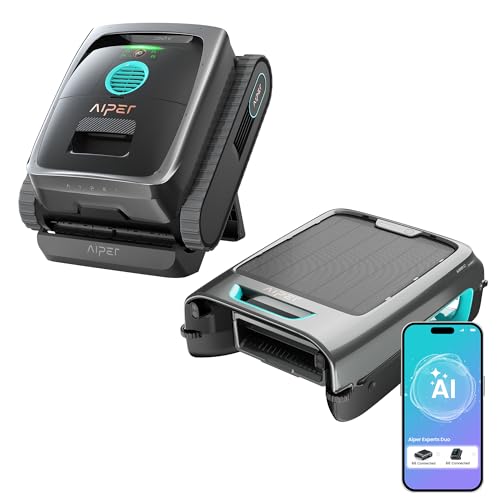
7 Day Hands-Free Care: The Scuba V3's Cognitive AI Navium Mode analyzes your pool size, weather, and cleaning history to craft a custom weekly schedule. Paired with the EcoSurfer S2's solar powered tech, this duo ensures your pool stays clear for 7 days

Dual Zone & Year-round Comfort:This 20,000 BTU mini split air conditioner/heating system is AHRI & ETL certified. It powers two units (12000 + 12000 BTU) with individual controllers and a base pan heater, operating reliably from -13°F to 131°F. Enjoy AC, heat pump, fan, dehumidifier, and turbo modes with independent room control.

Dual-Zone Comfort & Individual Control: Equipped with a powerful 20,000 BTU outdoor condenser and two indoor air handlers (12,000 + 12,000 BTU), this system provides an all-in-one climate solution. Each room features an independent controller, achieve the ideal temperature in every room without compromise
Frequently Asked Questions
What Time Is Acceptable to Start Vacuuming?
A considerate vacuum crusader begins between 8 AM and 8 PM, respecting noise considerations and vacuum precautions. Morning routines, however, are sacred; early roars disrupt zen, so patience until reasonable hours preserves neighborhood tranquility and dust removal efficiency.
Is Vacuuming at 7pm Too Late?
Vacuuming at 7pm is often considered too late due to quiet hours commencing and limited noise tolerance among neighbors. It can disrupt evening routines, especially in close communities, suggesting earlier times are more considerate.
When Shouldn’t You Vacuum?
Vacuuming during late-night hours can feel like shaking the earth itself, causing noise concerns that disturb rest. Additionally, it should be avoided during peak energy usage times and when dust allergies peak, worsening respiratory issues.
What Time of Day Is Best to Clean the House?
Morning cleaning effectively removes overnight dust, while addressing household tasks early. Afternoon energy suits more intensive chores, and the evening routine promotes relaxation and tidiness, balancing productivity with rest throughout the day’s phases.