As an Amazon Associate, we earn from qualifying purchases. Some links on this site are affiliate links at no extra cost to you. Our recommendations are based on thorough research and editorial judgment.

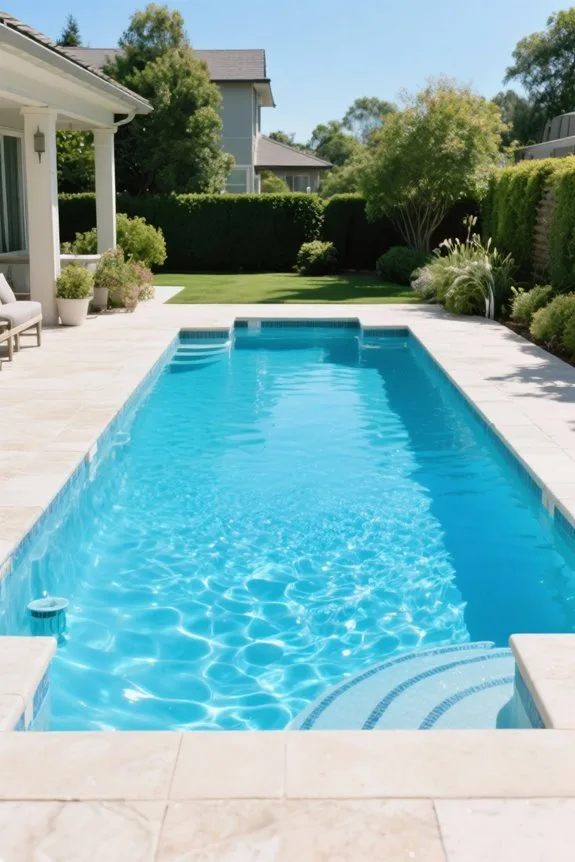
Can You Vacuum a Pool Without a Filter?

Vacuum a pool without a filter by switching the pump’s three-way valve to waste or disconnecting filter unions to avoid debris buildup. Use siphon vacuuming with a garden hose for gravity-fed flow or employ battery-operated vacuums for minor debris. Monitor water levels carefully to prevent excessive loss, plan for timely refilling, and maintain water chemistry throughout. Employ leaf canisters when possible to trap larger debris. Follow precise water management steps to guarantee efficiency and pool health, and explore advanced techniques further ahead.
Key Takeaways
- Yes, you can vacuum a pool without a filter by directing vacuumed water to waste to avoid debris entering the filtration system.
- Using siphon vacuuming with a garden hose is effective for gravity-fed pools and reduces strain on the pump.
- Battery-operated or manual vacuums are suitable for small pools or minor debris without needing a filter system.
- Employing a three-way valve or disconnecting unions helps control water flow and prevent over-draining during vacuuming.
- Monitor pool water levels and chemistry carefully, replenishing water as needed to maintain balance and prevent damage.
Understanding the Need to Vacuum Without a Filter
You may be interested
Begin by evaluating the pool system’s configuration to determine if a three-way valve or union disconnection allows directing the vacuumed water flow to waste. Vacuuming the pool under these conditions prevents debris from entering the filter, conserving its function. Engage siphon vacuuming when the terrain facilitates water movement by gravity, reducing pump strain. Monitor water chemistry closely; removal of water affects overall water balance through dilution or concentration changes. Anticipate water loss during vacuuming to waste, especially with limited water supplies, and plan for replenishment accordingly. Ascertain thorough monitoring throughout the process, adjusting flow rates to optimize debris removal without overloading the system. This strategic approach guarantees effective cleaning while maintaining chemical stability and preventing unnecessary system wear. Additionally, using a pool vacuum with a reliable dual filtration system ensures efficient capture of fine particles during vacuuming without a filter.
Methods for Vacuuming Pools Without Filter Systems
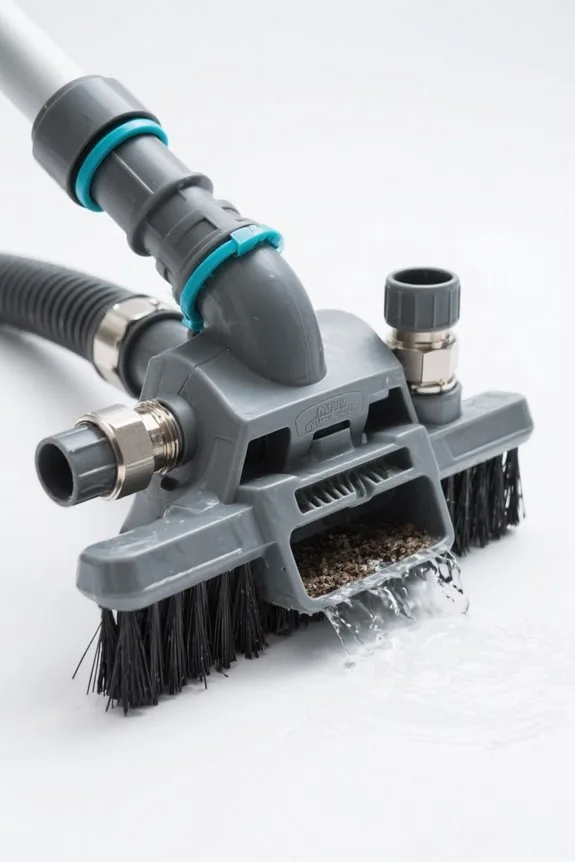
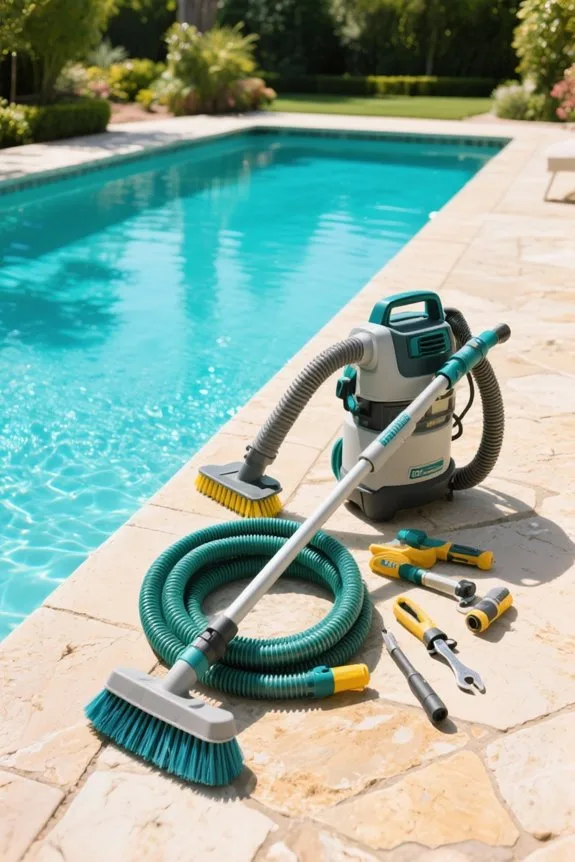
Shift focus from water flow management to practical vacuuming techniques when a filter system is absent. Employ siphon vacuuming by positioning the pool on a slight slope, connect the vacuum hose to the garden hose, and start water flow to create suction, collect debris efficiently. Use a battery-operated vacuum for smaller pools or light debris, ensuring full charge before use. Consider water hose vacuums by attaching a vacuum head to the garden hose; this provides temporary debris removal but monitor suction closely. Integrate leaf canisters to mimic skimmer function, trapping leaves without filter systems. Manual vacuuming with a garden hose demands careful regulation of water flow to sustain suction and prevent pool water loss. Combine these methods to maintain cleanliness when standard filter systems are unavailable. Selecting a device with corrosion-resistant materials is important when working with saltwater pools to ensure durability and performance.
Recommended Products

The HammerHead Remora XR1600 delivers the same suction performance as a standard 21-inch HammerHead vacuum in a lightweight, cordless system weighing only 18 lbs. Ideal for pool technicians, resorts, apartment complexes, and builders who need commercial-level cleaning power without heavy equipment or cords.

PROFESSIONAL-GRADE CLEAN: Our most powerful cordless pool vacuum for professional deep cleaning results. Ideal for inground and above-ground pools
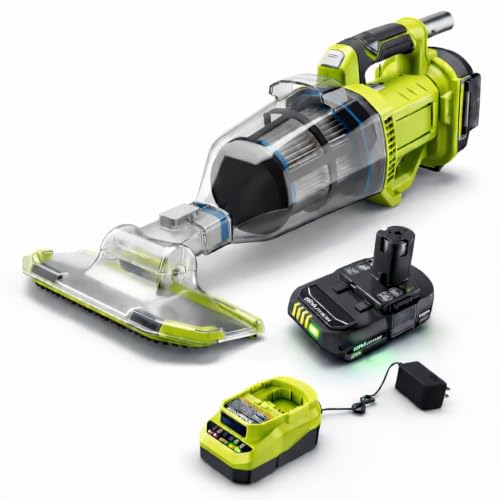
POWERFUL SPOT CLEANING PERFORMANCE – Efficient suction quickly removes leaves, dirt, sand, and fine sediment from pool floors, steps, ledges, and tight corners for fast everyday maintenance.
Equipment Options Suitable for Filter-Free Vacuuming
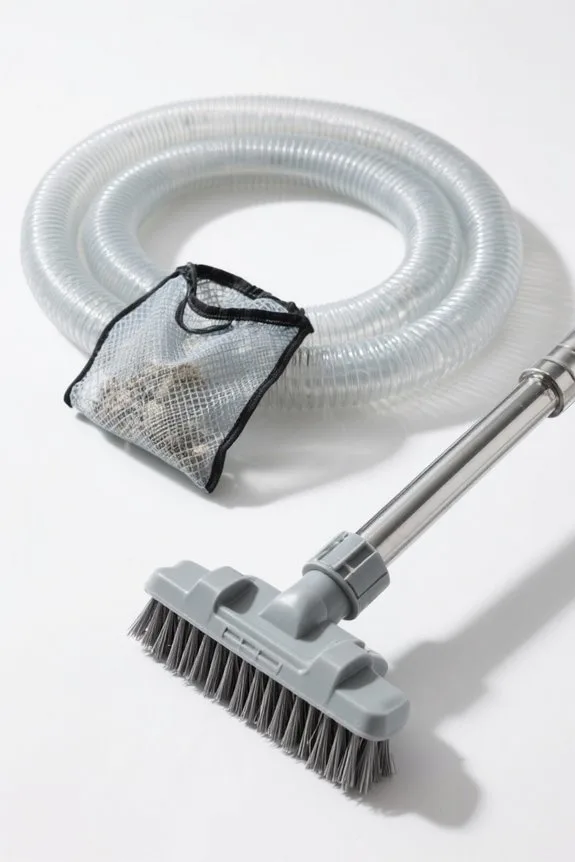
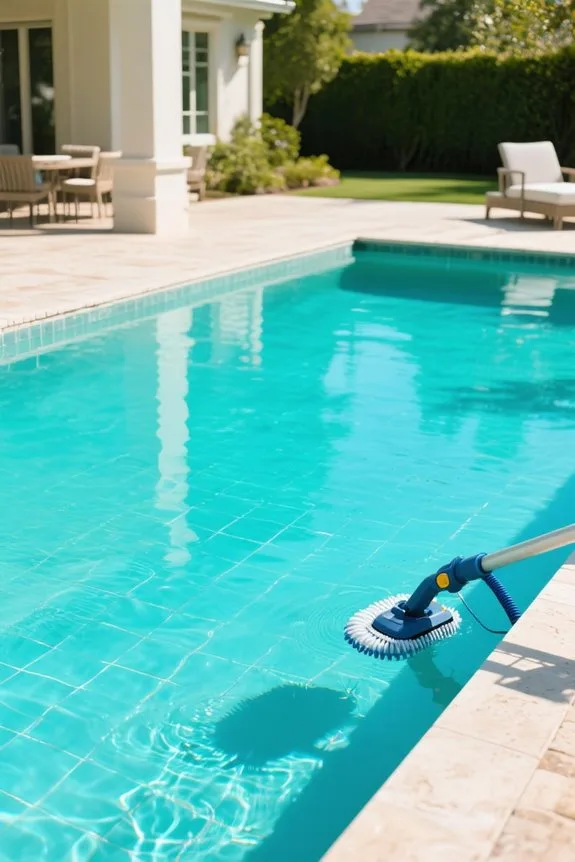
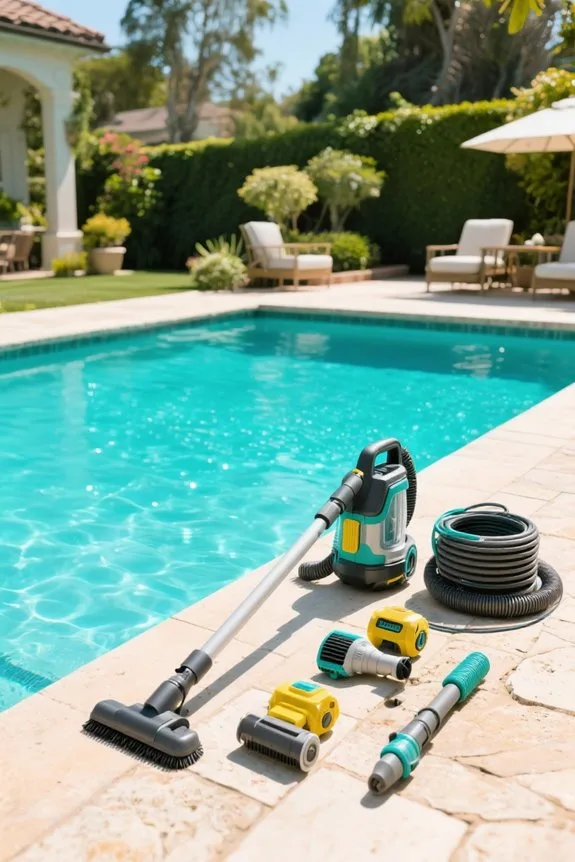
Selecting the right vacuum equipment is essential when cleaning a pool without a filter system. Use battery-operated pool and spa vacuums for mobility and ease of use, eliminating the need for pumps. Explore manual vacuum options, such as the POOLWHALE portable vacuum, which operates with a garden hose to generate suction suitable for small debris. Employ siphon methods if a slope is available, allowing gravity to assist in draining water and debris simultaneously. Consider leaf canisters or net vacuums as alternatives; these mimic skimmers by capturing larger debris effectively. When using water hose vacuum systems, regularly monitor and adjust flow rates to maintain suction and prevent clogging, especially with fine particles. Select equipment based on pool size and debris type to optimize filter-free vacuuming efficiency. Additionally, robotic cleaners like the Dolphin E10 offer a plug-and-play setup that simplifies operation for above-ground pools without complex filtering systems.
Recommended Products

OVER 20 YEARS OF POOL CLEANING INNOVATION: Pool Blaster spent over two decades engineering a simpler way to clean your pool. The Pulse XL 350 is one of many innovative pool vacuums — no hoses, no valves, no backwashing. Just cordless power that keeps all debris contained in its own filter.

OVER 20 YEARS OF POOL CLEANING INNOVATION: Pool Blaster spent over two decades engineering a simpler way to clean your pool. The Max CG is one of many innovative pool vacuums - no hoses, no valves, no backwashing. Just cordless power that keeps all debris contained in its own filter.

[CONSISTENT SUCTION THAT NEVER FADES] Powered by an upgraded 39W high-efficiency drive system, this cordless pool vacuum cleaner delivers a steady 1427 GPH Powerful Suction of relentless suction. Unlike traditional pool blasters that lose power as debris builds up, our optimized flow system ensures uninterrupted, high-efficiency pickup of stubborn sand, silt, twigs, and heavy leaves from both inground and above-ground pool floors without clogging.
Managing Water Loss When Vacuuming to Waste
Address water loss proactively when vacuuming to waste by monitoring the pool’s water level before and during cleaning sessions. Check water level carefully because vacuuming to waste expels pool water, causing measurable water loss that can accumulate. Use a 3-way valve to switch between filtration and waste modes easily, enabling efficient removal of debris without over-draining. Employ a vacuum with a dedicated waste option to minimize water loss compared to standard filtering methods. Refill the pool promptly when water drops considerably to maintain proper levels. Schedule vacuuming during times that reduce evaporation, such as early mornings or cooler days, to conserve water. Continuously monitor water level to avoid excessive lowering, ensuring pool structure remains protected. Regular maintenance and replacement of filtration components, such as Type B filter cartridges, can improve overall cleaning efficiency and water clarity.
Recommended Products

Pvc body with molded noryl dome

APPLICATIONS: Ideal for low pressure and vacuum applications as a quick shut-off valve - Can be used with air or clean, gray or waste water - See description for specific applications

{EFFICIENT WATER FILTRATION} Hydrotools sand filters are designed to hold sand at the most efficient position, ensuring optimized filtration, consistent performance, and effective backwashing. Engineered to deliver clean, clear water for your pool.
Tips for Maintaining Water Quality During Vacuuming
Effective maintenance of water quality during vacuuming demands careful procedural adherence. First, always turn off the pump before starting to vacuum a pool without a filter to avoid damaging the system. Vacuum directly to waste to prevent debris buildup in the filter cartridge, ensuring settled particles exit the pool entirely. Continuously monitor the water level, as vacuuming to waste reduces pool volume considerably. Use a skimmer or leaf canister alongside vacuuming to capture larger debris, improving overall water clarity. After vacuuming, replace the filter cartridge with a clean one to restore ideal water flow and prevent residual debris from affecting water quality. These precise steps help maintain clean, balanced water while safely removing debris during the vacuuming process without compromising the pump or filtration system. It is also important to ensure the vacuum’s compatibility with pump and plumbing to optimize cleaning efficiency and avoid potential damage.
Recommended Products

Made in USA.
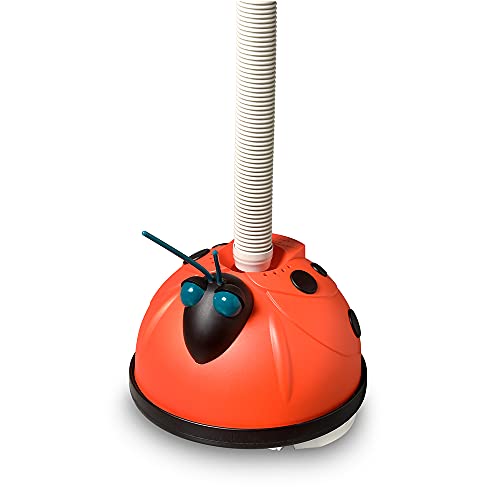
USE IN ABOVE-GROUND POOLS: The AquaBug Suction Pool Cleaner from Hayward is an automatic pool cleaner designed to automatically clean the bottom of all sizes and shapes of above-ground and on-ground pools

Unique suction chamber concentrates vacuum velocity equally and full width flex strips guide debris into the suction chamber
Community Insights and Alternative Solutions
Explore alternative methods for pool vacuuming that bypass traditional filters, such as direct connection to discharge points or siphon systems, to prevent debris clogging your filtration setup. Use a siphon vacuum or manually vacuum the pool to waste by adjusting pipes to drain debris outside the pool area. Employ leaf canisters to trap larger debris and reduce clogging risks. Consider robotic vacuum cleaners for hands-free cleaning without filtration dependence. Community insights recommend closely monitor water levels during manual vacuuming to waste, as significant water loss requires refilling. Battery-operated vacuums offer another alternative solution, especially for fine debris. Regularly evaluate debris type to select suitable equipment and prevent equipment strain. Follow these steps carefully to maintain pool cleanliness effectively while avoiding filter damage. Additionally, choosing a vacuum with smart navigation features can improve cleaning efficiency and reduce the risk of missed debris.
Frequently Asked Questions
How to Vacuum a Pool Without Going Through the Filter?
Killing two birds with one stone, manual vacuuming techniques bypass filters by directing suction power to waste lines, using specific cleaning equipment options for debris removal. This DIY pool project enhances backyard pool care during seasonal cleaning schedules, improving water clarity.
What Happens if You Use a Vacuum Without a Filter?
Using a vacuum without a filter reduces suction power, decreases cleaning efficiency, and risks sediment removal failure. Pool debris recirculates, harming water clarity and increasing maintenance. Filter replacement frequency rises, compromising equipment durability despite safety precautions and maintenance tips.
How to Bypass the Filter When Vacuuming a Pool?
Bypassing the filter when vacuuming requires dramatic alterations: reroute suction through waste lines or install a 3-way valve. These vacuuming techniques optimize pool maintenance, enhancing cleaning effectiveness and water clarity despite varied debris types, showcasing essential equipment alternatives and filterless options.
How to Manually Vacuum Your Pool?
Manual vacuuming techniques involve using a vacuum head and garden hose to remove debris. Effective vacuuming tips include brushing surfaces first, regularly checking suction, and combining pool cleaning strategies for maintaining pool hygiene, water clarity solutions, and debris removal methods.