As an Amazon Associate, we earn from qualifying purchases. Some links on this site are affiliate links at no extra cost to you. Our recommendations are based on thorough research and editorial judgment.

How to Vacuum Your Pool Efficiently

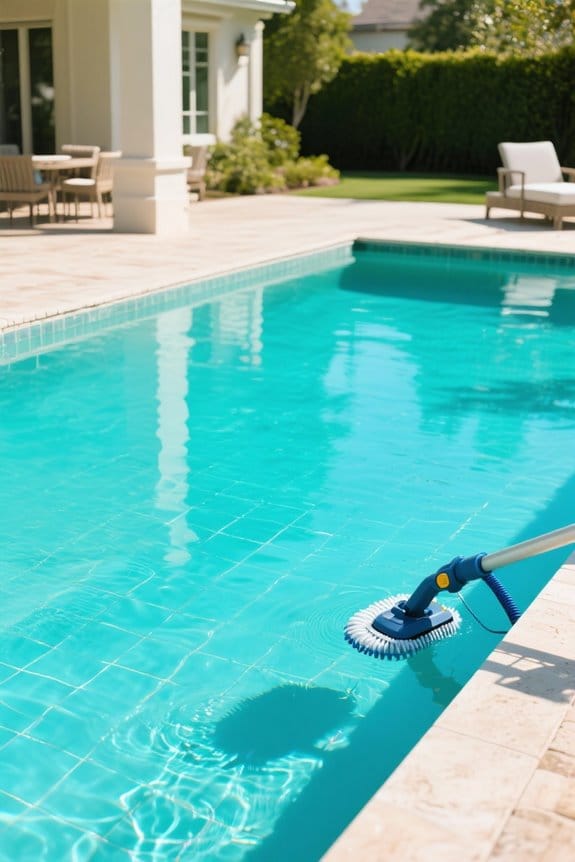
Establish a weekly vacuuming schedule for thorough coverage, including corners and steps. Use a vacuum head attached to a telescopic pole and vacuum hose, connecting securely to the skimmer basket. Remove large debris beforehand, lower water to cover half the skimmer, then systematically move the vacuum over floors and walls, overlapping strokes. Monitor suction and clean filter components regularly. Choose a vacuum with at least 30 GPM suction for algae removal. Proper maintenance guarantees efficiency and durability. Continuing will reveal more advanced techniques and equipment options.
Key Takeaways
- Establish a weekly vacuuming schedule to maintain water clarity and cover all pool areas, including corners and steps.
- Use appropriate equipment: a vacuum head, telescopic pole, and a secure vacuum hose connection for efficient debris removal.
- Remove large debris and adjust water level before vacuuming; close the main drain to focus suction through the skimmer.
- Move the vacuum systematically along pool walls and floor with overlapping strokes for thorough debris capture.
- Regularly inspect and clean vacuum components to prevent clogs and maintain optimal suction performance.
Importance of Regular Pool Vacuuming
You may be interested
Consistency guarantees perfect pool maintenance; start by establishing a regular vacuuming schedule, preferably weekly, to prevent fine particles from clouding the water. Perform routine maintenance by removing debris before it settles, minimizing algae buildup on pool surfaces. Regular vacuuming protects the filtration system, avoiding clogs and reducing strain that can increase maintenance costs. Focus on thorough coverage, reaching corners and steps to guarantee a clean pool environment. Maintaining water clarity improves the swimming experience and supports a healthier swimming environment by reducing harmful bacteria accumulation. Inspect the vacuum head and hose for damage or blockages to enhance debris removal. Adhere to the established routine maintenance to extend equipment life and maintain top pool conditions. Consistent attention reduces the need for chemical intervention, keeping the pool safe and inviting. When protecting your pool during off-seasons, consider investing in a durable winter cover to minimize debris build-up and maintain cleanliness.
Types of Pool Vacuums and Their Features
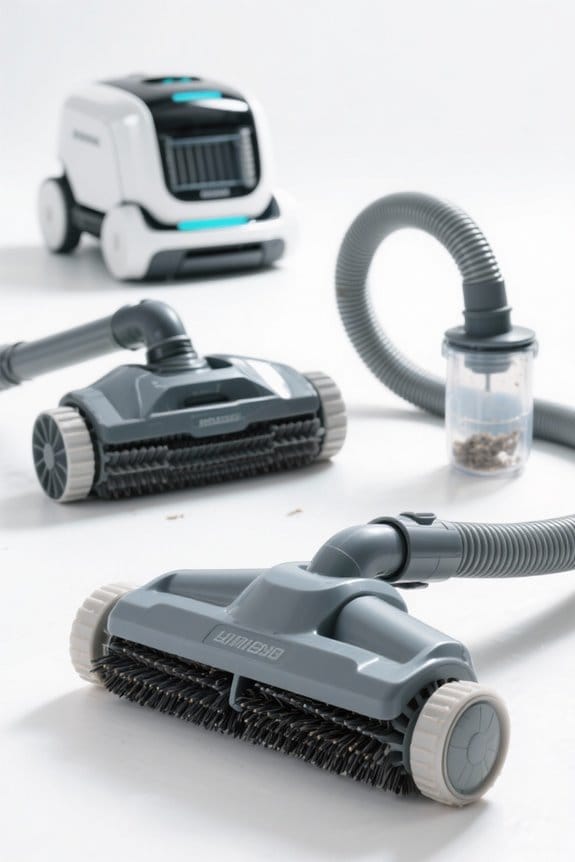
When selecting a pool vacuum, consider the size, shape, and usage frequency of your pool to match the appropriate model. Among pool vacuums available, a manual vacuum suits smaller pools or infrequent use, offering affordable, hands-on debris removal. Automatic pool cleaners, both hydraulic and electric, provide effective cleaning with minimal effort. Hydraulic models utilize the pool’s filtration system, adapting to various shapes, while electric versions include independent filtration systems and increased suction power. For advanced pool maintenance, employ a robotic pool cleaner, equipped with built-in filtration for capturing fine contaminants and easing the load on your main filtration system. Commercial pools benefit from specialized models like the Zodiac® Vortrax Series, featuring cyclonic suction and dual-stage filtration, ensuring thorough cleaning and reliable debris removal with superior efficiency. It is important to prioritize a pool vacuum with a high suction power of at least 30 GPM for effective algae removal and comprehensive cleaning.
Recommended Products

Effortless & Efficient Sweeping: This battery-powered sweeper dramatically reduces operator fatigue and increases productivity, with a battery-operated main broom, side brushes, and dust fan

Dual Charging & Auto-Docking: The world's first solar pool-cleaning robot offers two charging options – eco-friendly solar power or fast DC backup when sunlight is low. Its smart auto-docking system ensures automatic return to the base when the battery is low, enabling maintenance-free operation.
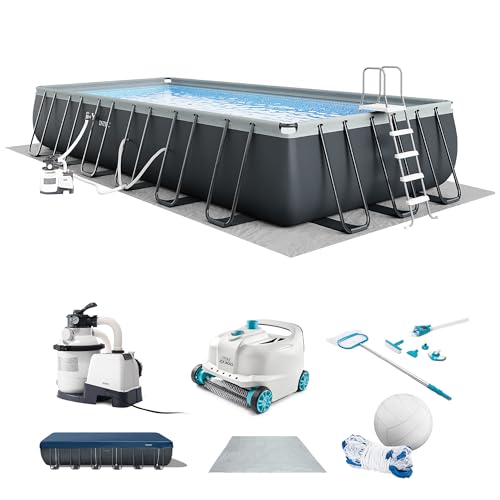
EXPERIENCE THE ULTRA DIFFERENCE: Uniquely designed frame combines high quality galvanized steel with precision engineered locking system, enhancing the overall quality, durability and stability of the pools; 2-year warranty included for peace of mind.
How Pool Vacuum Cleaners Work
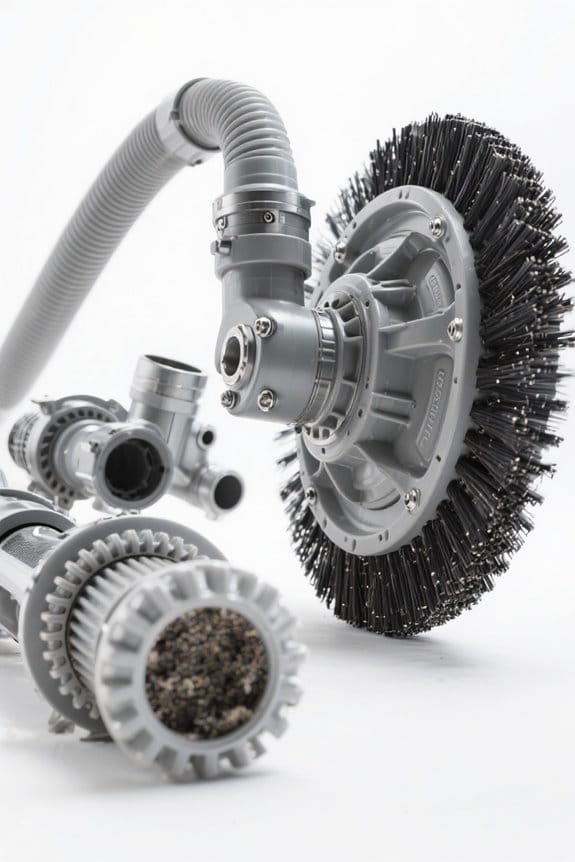
Begin by understanding that pool vacuum cleaners function primarily through suction, which removes debris and dirt from both the pool floor and walls. Engage the vacuum’s suction mechanism firmly to capture debris from the pool efficiently. Utilize automatic pool vacuums for consistent cleaning, noting their ability to operate independently once positioned. Connect hydraulic models directly to the filtration system to leverage existing water flow, or employ electric types with built-in filtration. Move systematically along the walls of the pool, ensuring all debris is dislodged and removed. Regular vacuuming maintains pool cleanliness, supporting chemical balance and enhancing water clarity. Monitor suction power closely; inadequate suction reduces debris removal and stresses the filtration system. By following these steps, efficiently use pool vacuum cleaners to sustain a clean environment with minimal chemical adjustments. Consider selecting vacuums with adjustable telescopic poles to enhance reach and cleaning efficiency.
Essential Equipment Needed for Pool Vacuuming
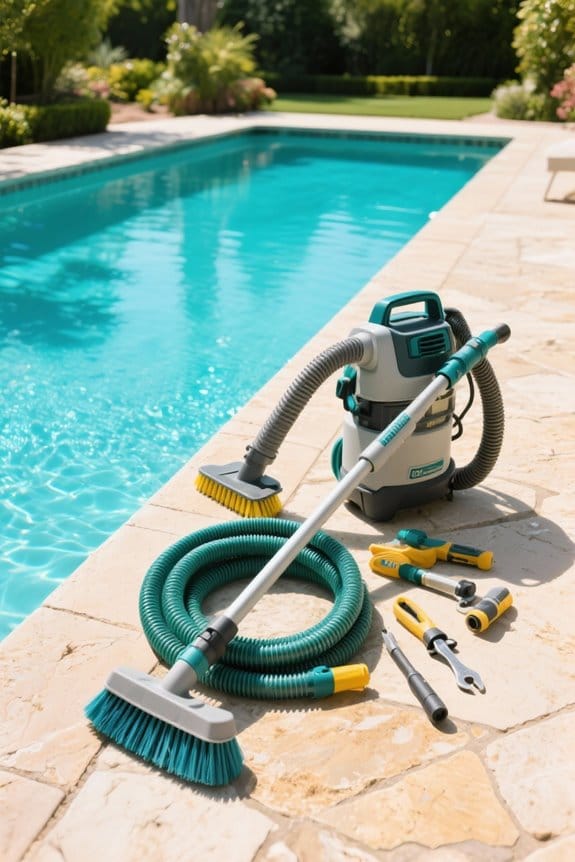
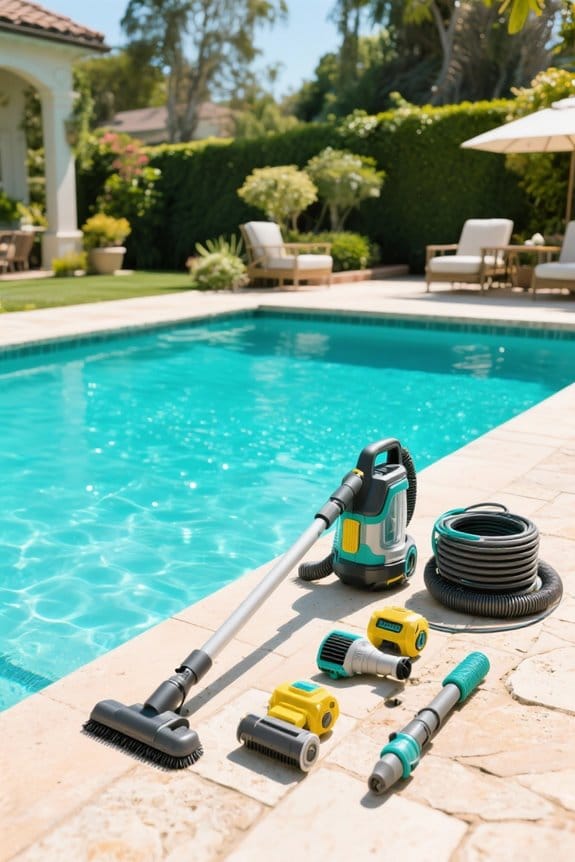
Several pieces of equipment are essential for efficient pool vacuuming. Start with a vacuum head designed to use the suction port effectively, removing debris from all pool surfaces. Attach a telescopic pole to the vacuum head, extending reach without strain. Connect a vacuum hose securely to the head, running it to the filtration system, ensuring debris moves efficiently for disposal. Install a skimmer basket to catch larger debris before it reaches the pump, protecting the filtration system from damage. Use compatible pool equipment components to maintain cleaning efficiency and avoid leaks or loss of suction. Regularly inspect hoses and connections for wear, as compromised parts reduce vacuum performance. Proper selection and maintenance of all pool vacuum tools will maximize cleaning results with minimal effort. It is also important to select hoses with a kink-free design for improved maneuverability and to prevent blockages during cleaning.
Recommended Products

EFFICIENT & EASY TO USE – The Hoselink Classic Retractable Garden Hose Reel comes fitted with a 100ft 1/2" hose. Extend only the length of hose you need and the “stop-anywhere” locking mechanism will hold it in place for easy watering across your yard.


Poolvergnuegen Hose Kit, The Pool CleanerTM 2-Wheel, 1 Leader, 9 Vacuum PVCHK1900WH
Preparing Your Pool Before Vacuuming
Three key preparatory steps guarantee ideal pool vacuuming performance. First, prepare by removing large debris from the water surface using the skimmer to prevent clogging the vacuum system. Next, check and adjust the water level, ensuring it covers at least halfway up the skimmer opening for peak suction. Then, inspect the vacuum head, telescope pole, and hose for any wear or damage; replace or repair components to maintain efficient debris removal. Additionally, turn off the pool heater to protect it during vacuuming, and close the main drain to focus suction through the skimmer. These precise actions create the right conditions for effective cleaning and maximize vacuum performance, avoiding frustration and ensuring the pool’s debris is removed thoroughly. It is also important to vacuum your concrete pool at least once a week for optimal water quality and cleanliness vacuuming frequency.
Step-by-Step Guide to Hooking Up a Pool Vacuum
Secure the vacuum head firmly to the telescopic pole, adjusting its length to comfortably reach every pool corner. Next, connect the vacuum hose to the vacuum head, twisting until it locks for a tight seal. Submerge the vacuum hose fully underwater, then prime the vacuum hose by holding it against the return jet until air bubbles stop appearing. Insert the other end of the hose securely into the skimmer, guaranteeing a snug fit to maintain effective suction. Finally, select the appropriate filter setting on the pool’s filtration system; choose “Waste” for heavy debris or “Filter” for routine cleaning. These steps guarantee proper connection and maximize debris removal, facilitating efficient vacuuming through the pool’s filtration system without loss of suction or clogging. It is important to monitor chlorine levels regularly to ensure the water remains properly sanitized during and after maintenance.
Recommended Products
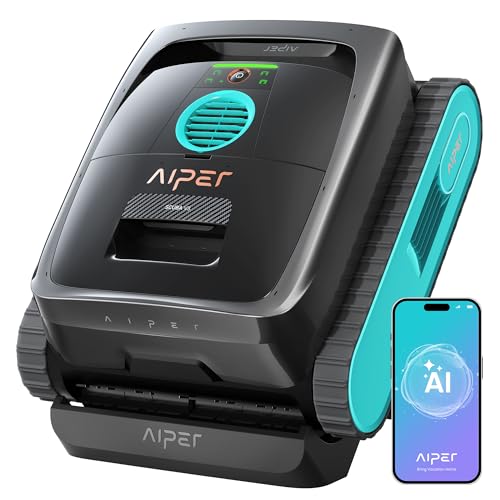
10x Faster Pool Cleaning with AI Patrol System: Single front-facing AI camera detects over 20 debris types and navigates directly to debris. It cleans up to ten times faster than traditional methods for efficient, energy-saving pool floor cleaning.

HydroAeration Technology by INTEX – Transforming the Above Ground Pool industry by bringing revolutionary water aeration benefits: improved circulation, filtration, water clarity, and increased negative ions

3 SIMPLE STEPS: In just three simple steps, the G3 cleaner is ready to clean your pool. Simply attach the disc, wheel deflector, and hose, and connect to the skimmer or dedicated suction line.
Effective Vacuuming Techniques for Thorough Cleaning
Begin vacuuming at the shallow end of the pool, moving steadily toward the deep end to prevent displacing debris further into the water. Use slow, steady strokes in straight, overlapping lines to clean the pool floor thoroughly, ensuring no debris escapes the vacuum head. Tilt the vacuum head to clean the walls, working downward from the waterline to the pool floor at varying depths of water. Regularly monitor the pool’s filtration system filter pressure gauge; clean the filter if pressure rises, maintaining suction for efficient cleaning. After vacuuming, empty and clean the skimmer basket to remove trapped debris and optimize filtration performance. Consistently following these steps will help vacuum your pool effectively, keeping the water clear while removing all visible debris from swimming pools. It is also important to check and clean filters every two weeks to prevent debris buildup and maintain optimal vacuum performance.
Maintaining Your Vacuum Equipment for Longevity
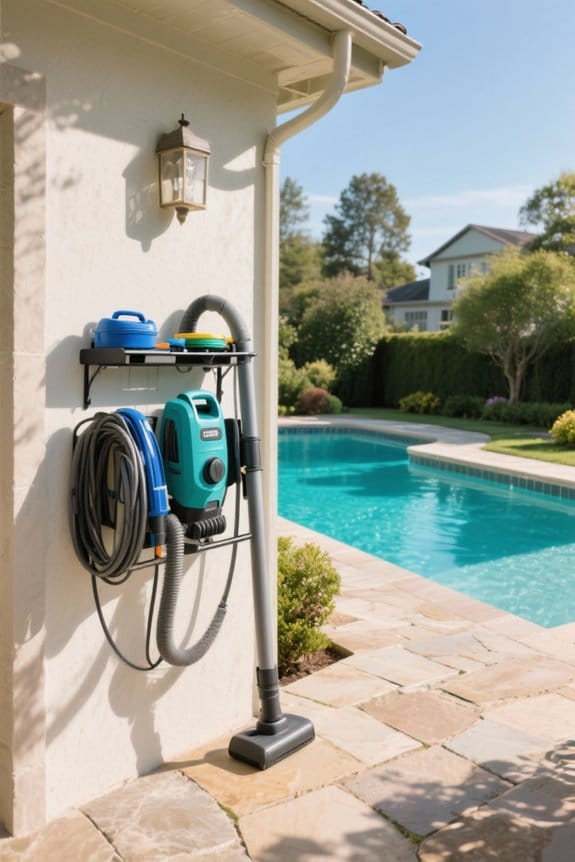
Inspect and clean the vacuum head, hose, and filter components regularly to prevent clogs and maintain peak suction efficiency. Rinse the vacuum hose with freshwater after each use to remove pool chemicals and debris that accelerate wear and tear. Monitor the vacuum head for damage or blockages that reduce proper water flow, and clear any obstructions promptly. Adhere strictly to manufacturer-recommended maintenance schedules, inspecting filter components for dirt buildup that impairs suction during vacuuming. Store equipment in a cool, shaded area to avoid UV damage and moisture-related degradation, preserving cleaning performance. Replace worn or damaged parts immediately to sustain longevity and functionality. Following these steps guarantees reliable operation, reduces costly repairs, and maximizes the lifespan of pool cleaning tools. Additionally, using durable materials similar to high-density polyethylene fabric can enhance the overall resilience of your pool vacuum equipment against outdoor wear.
Recommended Products
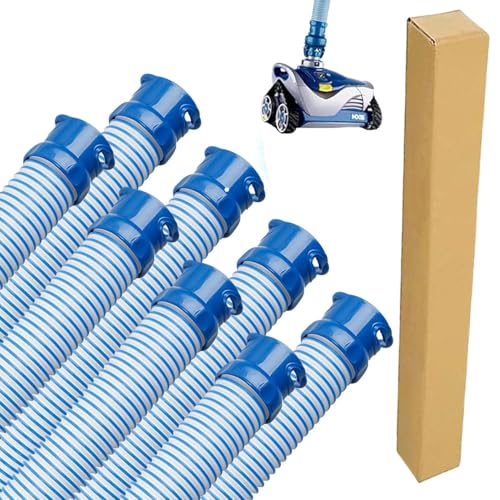
Straight packaging:Can be easily unfolded and used ,not bend or deform,Not easily breakable

RECOMMENDED FOR: This Vacuum hose is designed to connect a; swimming pool cleaning head/brush or an automatic pool vacuum cleaner to the pools skimmer or vacuum port. ** Not to be used as a pressure hose to directly connect pool pumps, filters and Solar Panels. * An adapter may be needed to connect with a seasonal pool **.

PRO professional-grade heavy-duty vacuum hose
Choosing the Right Vacuum for Commercial Pools
When selecting a vacuum for commercial pools, prioritize models that balance efficiency with durability, such as Fluidra’s Zodiac® electric vacuums featuring cyclonic suction and dual-stage filtration. Choose automatic pool vacuums that operate independently of the filtration system to reduce wear on pumps and extend equipment lifespan. For pools up to 25 meters, opt for models like the Vortrax TRX 7500 iQ or TRX 7700 iQ, designed for intense use and high suction power. The ARCO Series suits medium to large commercial pools, especially hotels and sports centers. Monitor water clarity regularly, adjusting maintenance schedules to minimize chemical usage. Focus on vacuums that maintain pool infrastructure integrity while maximizing cleaning efficiency. Proper selection directly impacts operational costs and consistent water quality in commercial pool management. Additionally, consider vacuums with smart navigation systems for comprehensive and efficient cleaning coverage.
Recommended Products

With the Dolphin Wave 90i commercial robotic pool vacuum cleaner, schedule your pool cleanings from anywhere with always connected Wi-Fi. The Dolphin Wave 90i includes powerful wall climbing capabilities to clean the floor and walls of your pool with its dual active scrubbing brushes. Easily move and store your Dolphin with the included Caddy.

Complete All-in-One Cleaning: This robotic pool cleaner is engineered to actively clean every surface—floor, walls, waterline, and even the water surface. It ensures no corner is missed, delivering truly hands-free maintenance

EFFICIENT CLEANING PROGRAM: This Hayward robot pool cleaner uses smart steering technology that provides an efficient, complete cleaning pattern, scouring pool floors, coves, walls, and waterline all in 3 hours
Maximizing Pool Cleanliness With Daily Vacuuming
Maintain consistent vacuuming routines by scheduling daily sessions, ensuring fine particles are removed before settling. Use a reliable pool vacuum to clean the entire swimming pool, focusing on overlapping strokes with the vacuum head to capture all water and debris. Pay attention to pool walls to prevent algae buildup, improving water quality and reducing chemical treatments. Use cleaners designed for your filter system to avoid damage and optimize performance, as daily vacuuming eases filter workload and extends lifespan. Inspect the pool for signs of a dirty pool, adjusting vacuum speed if necessary for efficient suction. Consistent daily vacuuming keeps water crystal-clear, enhancing swimmer comfort and pool hygiene. Follow these steps meticulously to maintain a pristine swimming environment and avoid costly maintenance. Additionally, choosing a vacuum with the proper filtration fineness helps target specific debris types for more effective cleaning.
Frequently Asked Questions
What Is the Best Way to Vacuum Your Pool?
The best way to vacuum a pool involves choosing suitable pool vacuum types—manual or automatic—considering vacuum hose lengths, using effective vacuuming techniques, regularly maintaining the filtration system, employing cleaning attachments, selecting best vacuum brands, and consistent pool cleaning frequency.
What Are the Three C’s of Pool Cleaning?
The Three C’s of pool cleaning—Clarity, Chemical Balance, and Circulation—are the pillars supporting effective cleaning techniques, debris removal, water chemistry, filtration systems, algae control, and equipment maintenance, ensuring pool safety with efficiency strategies and seasonal tips.
Should You Run a Pool Pump While Vacuuming?
Running the pool pump during vacuuming is essential for effective pool maintenance, as it guarantees suction power, maximizes debris removal, supports water circulation, assists the filtration system, and maintains pool cleanliness aligned with a superior maintenance schedule.
What Setting Should Your Pool Pump Be on When Vacuuming?
Like a river carving its path, pump settings guide debris removal—“Waste” for heavy dirt, “Filter” for light vacuum types, balancing suction power, hose length, skimmer usage, water level, pool cleaner efficiency, filter cleaning, and maintenance tips.