As an Amazon Associate, we earn from qualifying purchases. Some links on this site are affiliate links at no extra cost to you. Our recommendations are based on thorough research and editorial judgment.

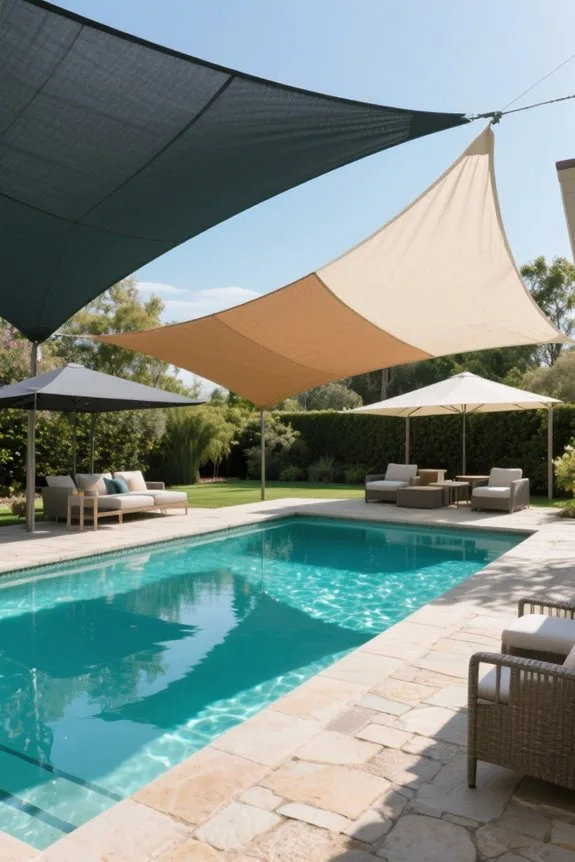
How Shade Color Impacts Heat Reduction

Select lighter shade colors like white or light gray with high UV protection to reduce solar heat absorption by up to 50°F. Use fabrics with low solar absorptance (≤0.45) confirmed by spectrophotometers or solar reflectance meters to guarantee compliance with energy codes. Incorporate smooth, reflective HDPE materials and maintain ventilation gaps to lower surface temperatures by 10°C. Monitor with infrared thermometers for heat retention issues. Following these steps improves outdoor comfort efficiently, with additional advanced color strategies available.
Key Takeaways
- Lighter shade colors reflect more sunlight, reducing heat absorption and lowering surface temperatures by up to 3°C or more.
- Dark colors absorb 70-90% of sunlight, significantly increasing heat buildup and surface temperatures.
- Fabrics with high UV protection and light colors enhance cooling and reduce solar heat gain by about 40%.
- Cool tones like blue and green improve psychological comfort and can lower perceived heat by up to 10°F.
- Strategic use of reflective, light-colored materials helps meet energy efficiency regulations and lowers cooling costs by up to 25%.
The Relationship Between Shade Color and Solar Heat Absorption
You may be interested
When selecting shade structures, prioritize lighter colors such as white or light gray to minimize solar heat absorption. Understand that shade color directly influences the amount of radiant energy absorbed; darker hues absorb between 70 to 90% of sunlight, notably increasing surface temperatures. Choose lighter shades to reflect more sunlight, thereby reducing heat buildup and maintaining cooler environments. This strategic color selection aids in heat reduction and eases the urban heat island effect prevalent in dense urban areas. Ascertain shade fabrics possess high UV protection ratings, preventing harmful rays while lowering heat absorption. Apply this knowledge when specifying materials and colors for outdoor installations, confirming products meet technical standards for reflectivity and UV resistance. Monitor surface temperatures with infrared thermometers post-installation to verify effectiveness and adjust choices accordingly to optimize comfort and safety. Additionally, consider using high-density polyethylene shade cloth, which offers exceptional durability and blocks up to 90% of UV rays, enhancing overall heat reduction.
How Light and Dark Colors Influence Surface Temperatures
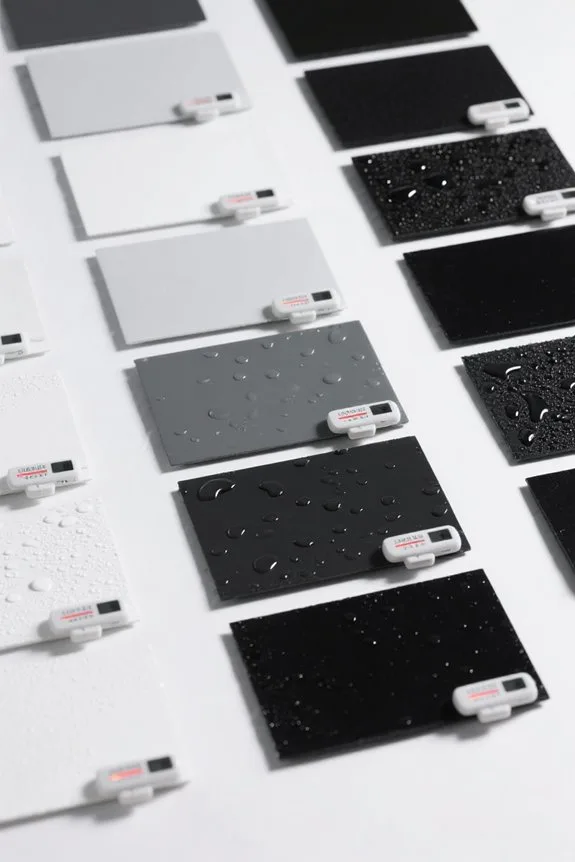
Build on the understanding of shade color’s impact on solar heat absorption by examining how light and dark colors influence surface temperatures specifically. Select shade structures with light colors to reflect most sunlight, minimizing heat absorption and promoting efficient cooling. Recognize that dark colors absorb 70 to 90% of solar radiant energy, raising surface temperatures remarkably; for example, black asphalt surfaces can be up to 50°C hotter than white ones. Use surface temperature meters to compare readings on different color samples under consistent sunlight, confirming that light hues typically reduce temperatures by around 3°C. When designing shade areas, prioritize materials and colors that reflect excess heat, reduce urban heat buildup, and lower energy use by up to 25%. Always verify color performance in the intended environment to guarantee effective heat management. Additionally, choosing fabrics with high UV protection ratings can further enhance the heat reduction and comfort of shaded areas.
Recommended Products
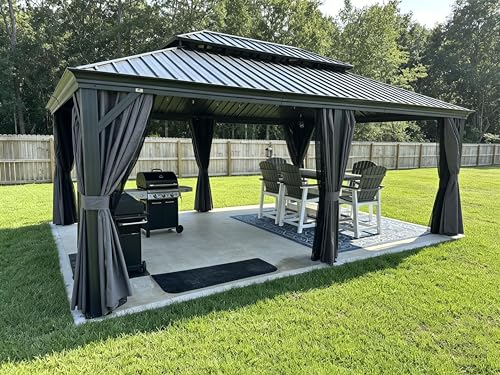
4.7" x 4.7" Thickened Post: Thicker than traditional, enhancing the sturdiness and durability of the gazebo against all kinds of weather.

𝗖𝗢𝗟𝗢𝗥 & 𝗦𝗜𝗭𝗘: Luxury Series Features a White Frame, Fabric Color: Sunny Yellow with Silver Gray and Blue Stripes, Size: 14' Wide x 10' Projection Full Extension. Advaning Awnings are 100% Fully Pre-Assembled and Ready for Installation.

🔹 PC Polycarbonate: Polycarbonate (PC for short) is a polymer containing carbonate in its molecular chain, mainly characterised by high strength, high elasticity, impact resistance, high transparency, odourless and tasteless, harmless to human beings.
Material and Texture Effects on Heat Retention in Shade Structures
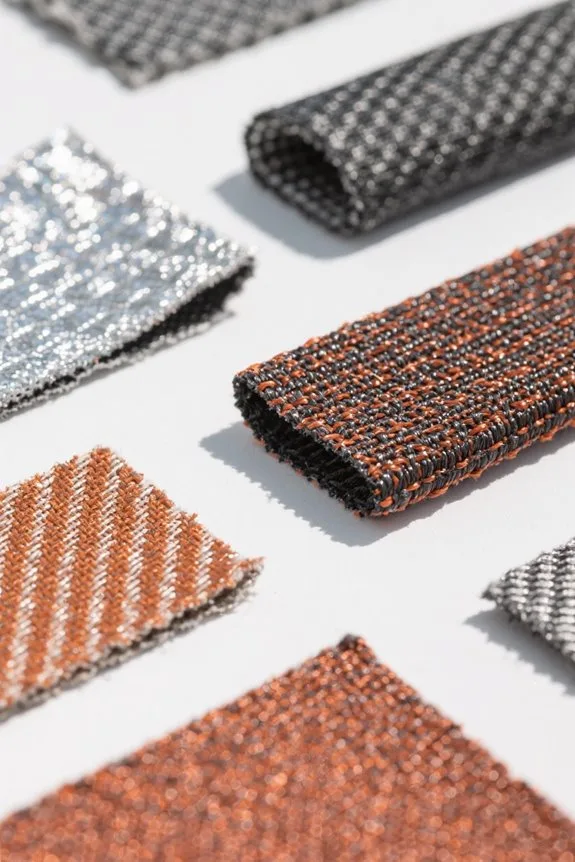
Examine the material composition of shade structures and prioritize high-density polyethylene (HDPE) fabrics, renowned for their superior UV protection and durability, to minimize heat retention effectively. Select reflective materials to reduce surface temperatures by up to 10°C, lowering heat absorption from intense solar radiation. Choose lighter colors to further decrease heat absorption by up to 30%, preventing unwanted warming beneath the shade. Inspect surface textures carefully; rough fabrics trap warmer air, increasing heat retention, while smooth textures promote effective air circulation for cooler conditions. Ascertain material installation allows ventilation gaps to maximize airflow, reducing localized heat buildup. Regularly measure shaded surface temperatures with infrared thermometers during peak solar exposure to verify performance. Address any heat anomalies by inspecting material integrity and adjusting texture or color specifications accordingly, guaranteeing consistent UV protection and thermal comfort under varied environmental conditions. Additionally, ensure proper tension and installation techniques to prevent sagging, which can reduce the shade sail’s efficacy in heat reduction through adequate fitting and tension.
Recommended Products
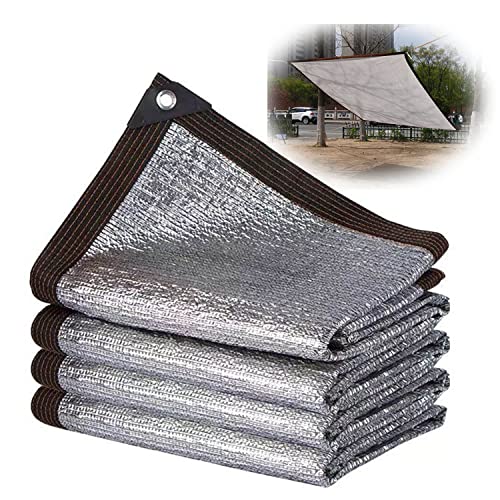
EXCELLENT UV PROTECTION: Providing 99% shade, our fabric is windproof, dustproof, and highly UV-protective. Ideal for pergola patios and decks, it effectively blocks glare and shields plants from harsh weather conditions.

AMERICAN QUALITY: Be Cool Solutions proudly produces high quality products in the USA exclusively for Greenhouse Megastore (based in Danville, Illinois). Our shade cloth will outlast and outperform cheap knockoffs from foreign competitors. With factories located in Wisconsin, California and Georgia we maintain tight control over quality and production. High quality shade cloth from Be Cool Solutions will last years versus the one or two seasons you may get out of imitators.
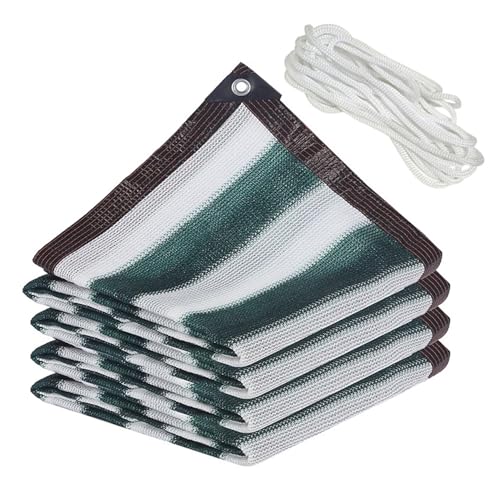
☀️ Durable Material - Our Shade Cloth Is Made of High-Density Polyethylene and the Knitted Construction Resists Tearing. Ventilation Is Greatly Improved When Using Our Shade Cloth on Your Greenhouses. Hot Air Is Pushed out and Water Is Able to Easily Fall Through. And It Can Be Very Strong and Durable, Resisting External Elements Such as Wind, Sun and Nature.
Compliance With Color Absorptance Regulations in Shade Design
Multiple regulatory frameworks establish specific solar absorptance limits for shade structures to guarantee energy efficiency and thermal comfort. Verify local regulations early, ensuring solar absorptance does not exceed 0.45 for public roofs or 0.64 in residential zones 1-4. Select materials consciously, opting for COLORBOND® steel with absorptance at or below 0.45 to maintain compliance and reduce heat retention. Measure solar absorptance accurately using certified equipment, cross-check manufacturer specifications, and document results. Understand shade structure impacts on surrounding environments, emphasizing compliance to minimize urban heat island effects. Consult experts for audits or complex designs. Track all compliance data, updating records regularly to meet energy efficiency standards. By rigorously following these protocols, designers and builders actively contribute to heat reduction and sustainable shade structure implementation, meeting both regulatory and environmental goals with confidence. Additionally, choosing shade cloths with the appropriate UV protection features enhances thermal comfort and durability in outdoor applications.
Psychological Effects of Shade Colors on Perceived Temperature
Recognize the psychological impact shade colors impose on perceived temperature alongside physical solar absorptance standards. Consider that Color Affects human energy perception, with cool tones like blue and green enhancing psychological comfort by signaling cooler environments in a shaded area. Employ light-colored surfaces, such as pastels or light gray, which not only reflect more sunlight but also reinforce a sense of coolness visually. Analyze the interplay between colors reflect properties and brightness to optimize safety and perceived temperature reduction, especially in low-light conditions. Integrate these principles by selecting shades that combine low solar absorptance and favorable psychological effects to maximize comfort without compromising energy efficiency. Monitor shaded zones to confirm the intended perception, considering that proper color choice reduces perceived heat by up to 10°F, essential for effective shade design. Additionally, understanding materials with UV-resistant properties can enhance durability and performance in outdoor shading applications.
Practical Advantages of Cooler Shade Colors for Outdoor Comfort
Start by selecting cooler shade colors with low solar absorptance ratings, ideally 0.45 or lower, to maximize temperature reduction on surfaces. Use light-colored shade materials that reflect up to 70% of solar energy, considerably reducing outdoor shade temperatures. Incorporate fabrics like high-density polyethylene (HDPE) in lighter tones to improve UV protection and durability. Implement these colors to enhance cool roofing benefits and increase energy efficiency, effectively reducing cooling costs by lowering ambient temperatures beneath shade structures. Monitor surface temperatures with infrared thermometers to verify effectiveness. Adjust shade placement to optimize airflow, ensuring sustained comfort during peak sunlight. This approach prolongs outdoor space usability by creating areas up to 50°F cooler than with darker shades, enabling extended outdoor activities with greater thermal comfort and protection against harmful UV radiation. Regular maintenance of the stitched seams and D-rings is essential to preserve shade sail integrity and performance over time.
Recommended Products

High-Quality Material:Made from 185 GSM high-density polyethylene (HDPE) fabric, this sunshade sail is built for durability with reinforced seams and stainless steel D-rings at each corner for secure installation.
High-Quality Material:Made from 185 GSM high-density polyethylene (HDPE) fabric, this sunshade sail is built for durability with reinforced seams and stainless steel D-rings at each corner for secure installation.

High-Quality Material:Made from 185 GSM high-density polyethylene (HDPE) fabric, this sunshade sail is built for durability with reinforced seams and stainless steel D-rings at each corner for secure installation.
Strategies for Selecting Optimal Shade Colors in Various Climates
Evaluate the climate conditions before selecting shade colors, since heat management needs vary considerably between hot and cold regions. In hot climates, choose lighter colors like white, light gray, or beige to reflect sunlight, minimizing heat absorption by approximately 50°F and lowering cooling costs. Incorporate fabrics with UPF 30+ ratings for enhanced UV protection and select materials with solar absorptance below 0.45 for ideal cooling effects. In contrast, dark shades such as deep reds or dark grays suit cold climates by increasing heat absorption and improving outdoor warmth. Apply reflective coatings on shade surfaces to boost efficiency, reduce heat incidence, and further decrease energy consumption. Follow these guidelines to tailor shade choices effectively, balancing temperature control and UV protection within your specific environmental context. Using breathable HDPE fabric with high UV resistance can enhance comfort by allowing airflow while maintaining effective sun protection.
Recommended Products
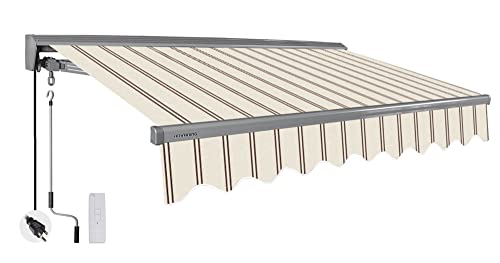
𝗖𝗢𝗟𝗢𝗥 & 𝗦𝗜𝗭𝗘: Classic Series Features a Gray Frame, Fabric Color: Natural Beige with Brick Red Stripes, Size: 10' Wide x 8' Projection Full Extension. Advaning Awnings are 100% Fully Pre-Assembled and Ready for Installation.

Recommended by the Skin Cancer Foundation for blocking 98% of harmful sun rays

Commercial-Grade Weed Barrier Fabric: Heavy-duty woven fabric built for landscaping and commercial installations where long-term weed control and durable ground coverage are required
Case Studies Demonstrating Heat Reduction Through Shade Color Choices
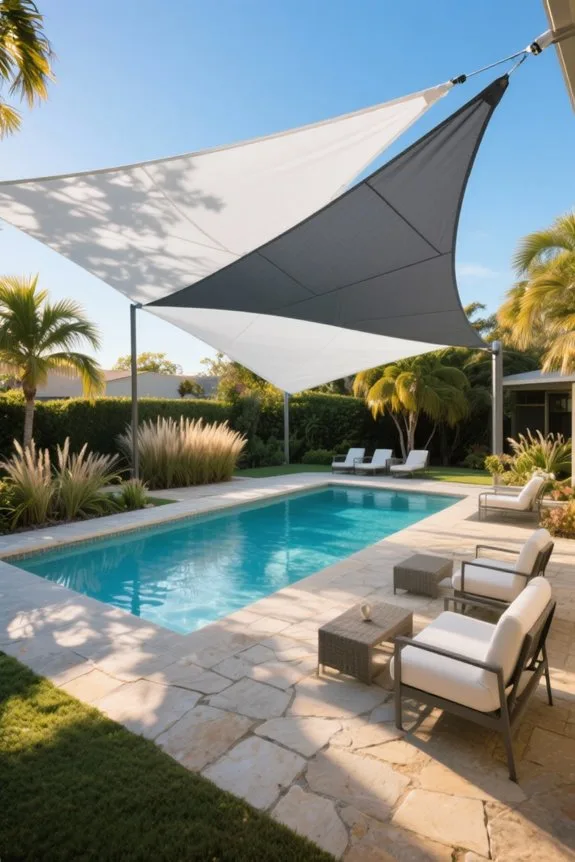
When analyzing effective methods to reduce heat through shade color choices, examine documented case studies from diverse urban environments. Implement lighter shades in shade structures to increase solar reflectance, lowering surface temperatures by up to 3°C, as shown in Los Angeles. Adopt reflective color schemes like Melbourne’s parks to enhance air cooling, demonstrating measurable heat reduction. Use high-density polyethylene (HDPE) fabrics with light colors to reduce temperatures beneath shade structures by 15°F, improving comfort. Install light-colored shade sails to cut solar heat gain by 40%, optimizing outdoor spaces. Prioritize shade colors that improve energy efficiency; studies reveal a 25% decrease in cooling costs in buildings with light-colored shades. Measure ambient and surface temperatures regularly to confirm performance and troubleshoot unexpected heat retention issues. Additionally, selecting fabrics with a high UPF rating further enhances protection and contributes to effective heat reduction.
Recommended Products

THICK, WARM WHITE CARDSTOCK – Accent Opaque cream-colored medium cardstock paper offers a warm shade and super smooth near matte finish It’s premium cardstock paper with excellent printability, proper ink holdout & minimal show-through for vibrant prints


The same vintage-esque shade of white is located on the mesh tongue and shoe laces; Contrasting Football Grey leather overlays appear on the forefoot, eyelets, collar, heel, and Swoosh detailing on either side
Future Innovations in Shade Structure Color and Heat Management
Although current shade structures effectively reduce heat, anticipating future innovations is essential for enhanced thermal management. Examine fabrics with variable solar absorptance properties, enabling adaptive responses to shifting temperature and sunlight levels. Integrate phase-change materials to improve thermal performance by absorbing, storing, and releasing heat throughout the day, maintaining cooler ambient conditions. Employ smart textiles embedded with heat-reflective technology, capable of reducing heat absorption by up to 30%. Apply self-cleaning coatings to preserve high reflectance and prolong structure lifespan, minimizing maintenance. Test emerging color-changing materials that adjust absorptive properties based on ambient temperature, optimizing shade efficiency in urban environments. Incorporate these future innovations systematically, monitor performance metrics using infrared thermometers, and adjust material selections accordingly for effective heat reduction over time. Additionally, selecting materials with proven UV-resistant properties similar to those used in top-rated outdoor storage boxes can ensure long-lasting performance under sun exposure.
Frequently Asked Questions
How Does Shade Reduce Heat?
Shade effects reduce heat by blocking direct sunlight, enhancing thermal comfort and outdoor cooling. Architectural design integrates color psychology to optimize environmental impact, creating cooler spaces that promote extended outdoor use and improved public well-being.
What Is the Best Color to Reduce Heat?
White, symbolizing purity and light, is the best color to reduce heat. Leveraging color psychology, reflective materials, and thoughtful outdoor design, it maximizes energy efficiency by minimizing sunlight exposure and enhancing cooling techniques in warm environments.
How Do Different Colors Affect Heat Absorption?
Different colors influence heat absorption through varying light absorption and heat reflection properties. Color psychology affects selection in urban planning, balancing thermal radiation and environmental effects to optimize shade comfort and reduce heat buildup in outdoor spaces.
How Many Degrees Does Shade Lower Temperature?
Like a cool oasis in a scorching desert, shade temperature can drop 15°F to 30°F, with shade benefits influenced by color psychology, material choice, urban environments, and seasonal variations, easing heat and enhancing outdoor comfort.