As an Amazon Associate, we earn from qualifying purchases. Some links on this site are affiliate links at no extra cost to you. Our recommendations are based on thorough research and editorial judgment.
Pool Cleaning and Swimmer Health Risks

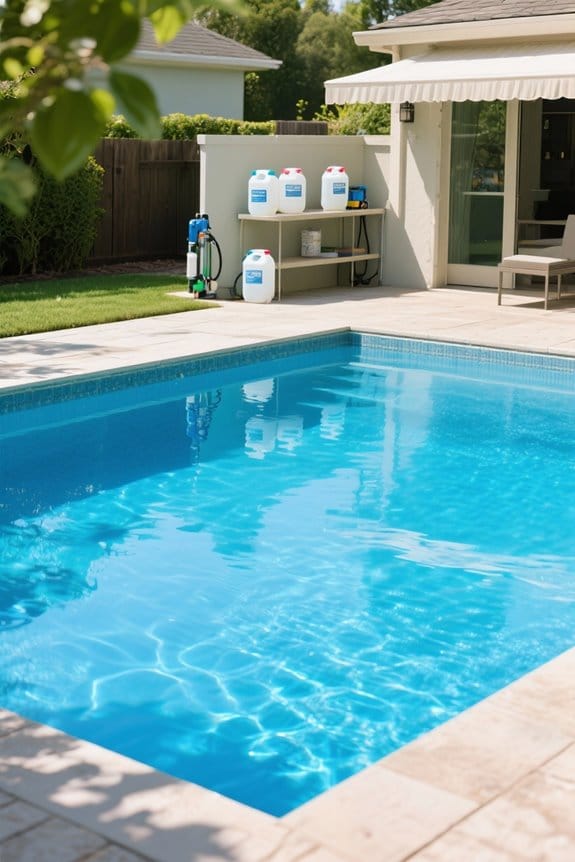
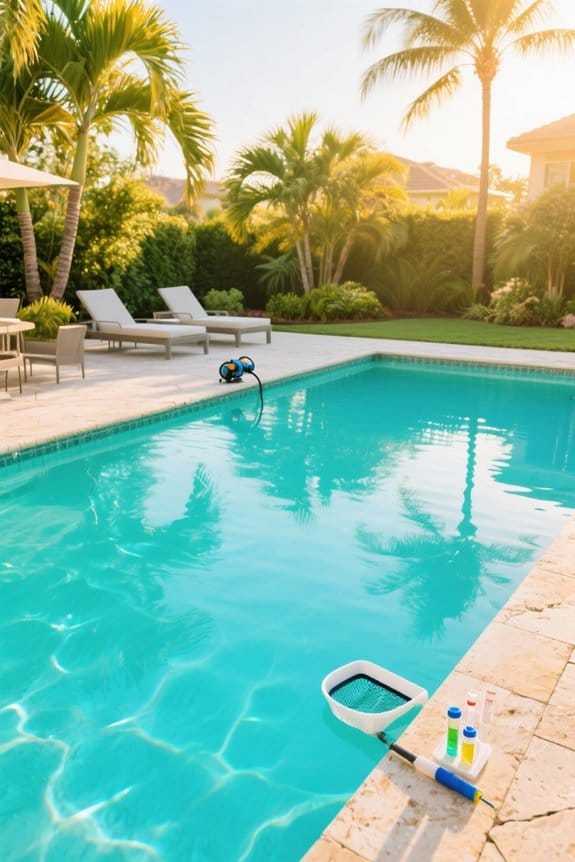
Maintain pools by skimming daily with fine mesh nets, vacuuming weekly, and brushing walls to disrupt biofilms. Test chlorine levels daily, keeping free chlorine at 1-3 ppm, and monitor pH between 7.2 and 7.8 for chemical balance. Inspect and clean filters weekly, run pumps 8–12 hours daily for circulation, and promptly address cloudy water to prevent pathogen growth. Manage combined chlorine below 0.2 ppm to reduce respiratory risks and educate swimmers on hygiene. Detailed guidance follows for controlling health hazards effectively.
Key Takeaways
- Regular pool cleaning removes organic debris that harbors pathogens like E. coli, preventing gastrointestinal illnesses among swimmers.
- Maintaining chlorine at 1-3 ppm and pH between 7.2-7.8 minimizes skin irritation and maximizes disinfection effectiveness.
- Proper filtration and 8–12 hour daily pump operation prevent stagnant water zones that encourage harmful bacterial growth.
- Monitoring and controlling combined chlorine below 0.2 ppm reduces respiratory risks from disinfectant by-products.
- Educating swimmers to shower before swimming and wait two weeks after diarrhea helps limit contamination and pathogen transmission.
The Role of Pool Cleaning in Preventing Bacterial Contamination
You may be interested
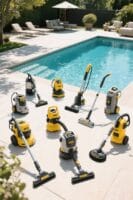
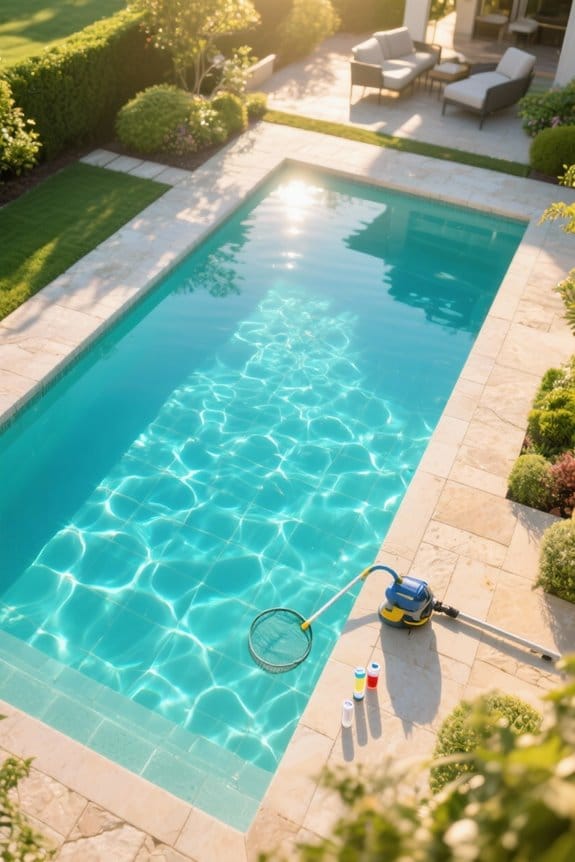
Although pool cleaning might seem routine, it plays a critical role in preventing bacterial contamination that threatens swimmer health. Start by skimming the pool surface with a fine mesh net daily to remove leaves and debris that foster bacteria and algae growth. Vacuum the pool floor weekly using a manual or automatic cleaner to eliminate settled organic matter compromising water quality. Regularly inspect and clean filters to maintain efficient circulation and filtration, essential in trapping microorganisms. Measure chlorine levels with a test kit, adjusting as needed to maintain 1-3 ppm free chlorine, ensuring effective bacteria control. Balance pH between 7.2 and 7.8 to maximize chlorine activity and prevent algae proliferation. Neglecting these pool cleaning steps allows bacteria to multiply, increasing infection risks and diminishing swimmer safety. Utilizing vacuums with smart navigation systems can enhance cleaning efficiency by ensuring comprehensive coverage of all pool surfaces.
Recommended Products

90 Minutes of Running Time: Our cordless hot tub vacuum cleaner features a powerful 2.5Ah lithium battery, offering up to 90 minutes of runtime, which is perfect for fully cleaning your small pool, pond, spa, hot tub, or jetted bathtub in just one charge! It takes about 4 hours to fully charge, but that means you get long-lasting performance when you need it

[𝟮𝟬𝟮𝟲 𝗨𝗣𝗚𝗥𝗔𝗗𝗘𝗗] Light Duty Vacuum Working 60-minute runtime (25% up); complete handheld vacuum set for spot cleaning above-ground pools, hot tub, spas & small pools up to 20 feet; works in 41 - 108°F cold & warm water, Water depth: 12 inches to 9.8 feet.

Quick Cleaning: Bielmeier handheld pool vacuum boasts a robust motor that delivers powerful suction, achieving a maximum flow rate of 19 gallons/min. Designed for swift and effective debris collection—acorns, twigs, leaves, dirt, or sand—this cordless pool vacuum has wide brush heads. Effortlessly clean stairs, corners, and hard-to-reach spots. Suitable for in-ground pools, above-ground pools, SPAs, and hot tubs. Notice: Not for floating algae!
Common Pathogens Found in Poorly Maintained Pools
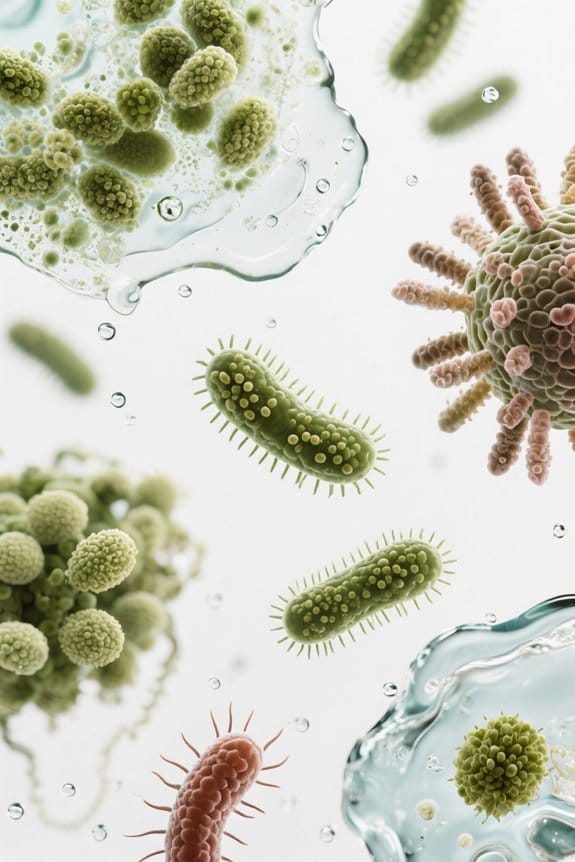
Examine pool water regularly for indicators of microbial contamination, understanding that poorly maintained pools commonly contain pathogens such as E. coli, Giardia, and Cryptosporidium. Test chlorine levels daily, maintain a pH between 7.2 and 7.8, and inspect filtration systems for debris buildup. Address fecal contamination immediately to prevent gastrointestinal illnesses caused by these pathogens. Identify the presence of Cryptosporidium, a chlorine-resistant parasite capable of surviving over seven days, by monitoring swimmer reports of diarrhea. Recognize that Legionella bacteria can proliferate in stagnant water, creating significant respiratory health risks. Remove organic matter frequently, using a pool vacuum and brush, to minimize pathogen growth. Document cleaning schedules meticulously, verify equipment functionality, and guarantee rapid response to any contamination indicators to reduce health threats effectively. Using the proper pool filter cleaning solutions regularly can help maintain filtration efficiency and reduce microbial risks.
Importance of Proper Filtration and Circulation Systems
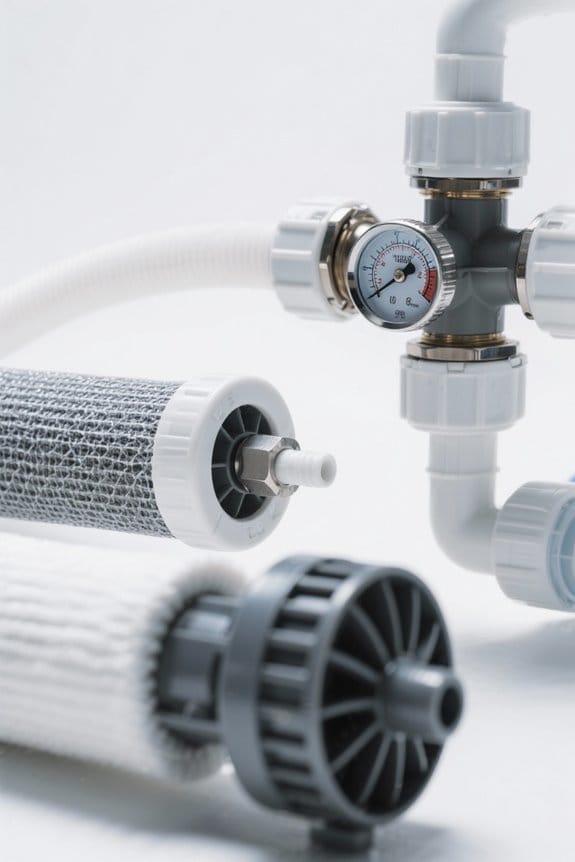
When maintaining a swimming pool, prioritize proper filtration and circulation systems to safeguard water quality and swimmer health. Inspect and clean filtration systems weekly to remove debris and prevent clogs, sustaining efficient contaminant removal. Check that pumps run at least 8–12 hours daily to promote uniform chemical distribution, specifically maintaining stable chlorine levels across all pool areas. Monitor flow rates and replace filters when pressure rises 10 psi above normal, indicating blockage. Avoid stagnant water zones by adjusting circulation jets, reducing risks of harmful bacteria proliferation, including Legionella. Address cloudy water promptly to mitigate respiratory issues linked to airborne irritants. Remember, consistent system upkeep prevents algae growth, preserves chemical balance, and guarantees clarity. Though time-consuming, thorough filtration and circulation management form the foundation for a healthy, safe swimming environment. Regularly inspecting and maintaining pool cleaning equipment such as vacuum hoses and filters enhances filtration efficiency and reduces maintenance costs.
Effects of Imbalanced Chemicals on Skin and Eye Health
Maintain balanced chemical levels by regularly testing chlorine, pH, and total alkalinity using reliable pool test kits at least twice weekly. Adjust chlorine to 1-3 ppm to prevent skin irritation caused by bacteria and pathogens in low chlorine conditions. Keep pH between 7.2 and 7.8, as improper pH can exacerbate skin dryness or itching from algaecides and pH adjusters. Monitor total alkalinity within 80-120 ppm to stabilize pH fluctuations. Avoid high chlorine levels, which cause eye irritation and redness due to chloramine formation. Use fresh reagents and calibrate test kits for accuracy. If swimmer’s eye or persistent skin irritation occurs, shock the pool and retest chemical levels. Maintain detailed logs of chemical readings, and troubleshoot consistently to protect swimmer skin and eye health from imbalanced chemical effects. When adjusting alkalinity, be sure to follow proper dosing guidelines and retest after treatment to avoid alkalinity overcorrection.
Risks of Respiratory Issues Linked to Chlorinated Pool Environments
Although chlorinated pools effectively control microbial contamination, they require strict ventilation management to reduce respiratory risks. Verify mechanical ventilation delivers at least six air changes per hour in indoor pool areas, preventing accumulation of chloramine vapors. Monitor ambient air quality with portable gas detectors, focusing on combined chlorine levels exceeding 0.2 ppm. Recognize that respiratory problems, particularly in children, increase with poor air circulation and elevated chlorinated pools’ by-products. Schedule routine maintenance on HVAC systems to maintain ideal airflow and humidity below 60%, mitigating irritant buildup. Educate swimmers and staff on proper pool hygiene to promote healthy swimming and reduce unnecessary chemical usage. Address complaints of coughing or wheezing promptly by testing air quality and adjusting ventilation rates, maintaining environments conducive to respiratory health without compromising disinfection efficacy. Consistent use of floaters, feeders, or in-line chlorinators ensures proper chlorine dosing, which helps minimize excessive chloramine formation in the pool atmosphere.
How Disinfectant By-Products Impact Swimmer Health
Numerous disinfectant by-products (DBPs) form as chlorine reacts with organic matter like sweat and urine in pools, so monitor combined chlorine levels closely using colorimetric test kits or portable DBP analyzers. Assess DBP concentrations frequently, especially in indoor pools where poor ventilation elevates respiratory health risks. Note that chloramines and other DBPs primarily cause irritation through inhalation and skin absorption; track levels in parts per million (ppm) and keep combined chlorine below 0.2 ppm. When readings exceed this threshold, increase ventilation rates or perform partial water replacement to reduce DBPs. Maintain accurate logs to identify trends, and inspect pool users’ hygiene practices to minimize organic contaminants. Failure to control DBPs can worsen respiratory symptoms, particularly in children, and lead to oxidative stress. Maintain diligent monitoring to protect swimmer health effectively. Additionally, maintaining proper pool water chemistry, including pH between 7.2 and 7.6, supports the efficacy of disinfectants and helps limit DBP formation, as outlined in water chemistry maintenance.
Best Practices for Routine Pool Maintenance and Cleaning
Since organic debris and microbial contaminants accumulate rapidly, begin each maintenance session by skimming the water surface with a fine mesh net to remove leaves, insects, and other floating particles. Follow this by vacuuming the pool floor to eliminate sediment and algae, key sources of bacterial growth. Inspect and clean filters weekly, backwashing when pressure gauges exceed 8-10 psi above baseline, ensuring efficient filtration. Adjust chemical levels precisely: maintain chlorine between 1-3 ppm, pH at 7.2-7.8, and alkalinity near 80-120 ppm to prevent irritation and support disinfection. Brush pool walls and steps weekly to disrupt biofilm formation. These pool cleaning practices protect swimmer health by minimizing contaminants and enhancing the overall swimming experience, while also reducing the risk of skin irritation and waterborne illnesses effectively. Additionally, using corrosion-resistant materials for pool equipment can help maintain water quality and prolong the life of your pool setup.
Recommended Products

This kit includes spa jet vacuum cleaner,a 13.5-inch pool brush,a semi-deep skimmer net and a 57.5-inch pole


Dual-Purpose: use it at the start of the season to get your pool swim-ready or keep your water balanced all season long with a bundled set of essential chemicals at a great value.
Monitoring Pool Water Quality for Safe Swimming
Begin each monitoring session by testing chlorine levels using a digital colorimeter or DPD test kits, aiming to maintain 1-3 ppm for disinfection efficacy. Measure pH next, targeting a 7.2-7.8 range, to prevent skin irritation and optimize chlorinated water performance. Inspect water clarity; cloudy water signals filtration issues or elevated contaminants, requiring immediate testing. Sample pool water regularly to detect resilient pathogens like E. coli and Cryptosporidium that survive chlorination, posing serious health risks. Document all readings and adjust chemical dosing precisely to uphold stable conditions. Conduct routine inspections following established guidelines to reduce recreational water illnesses. Employ these procedures consistently, as improper water balance weakens sanitation and increases swimmer susceptibility to infection. Using fast-acting sodium bisulfate can quickly restore pH levels to optimal ranges, enhancing overall water safety.
Recommendations for Minimizing Health Risks in Indoor Pools
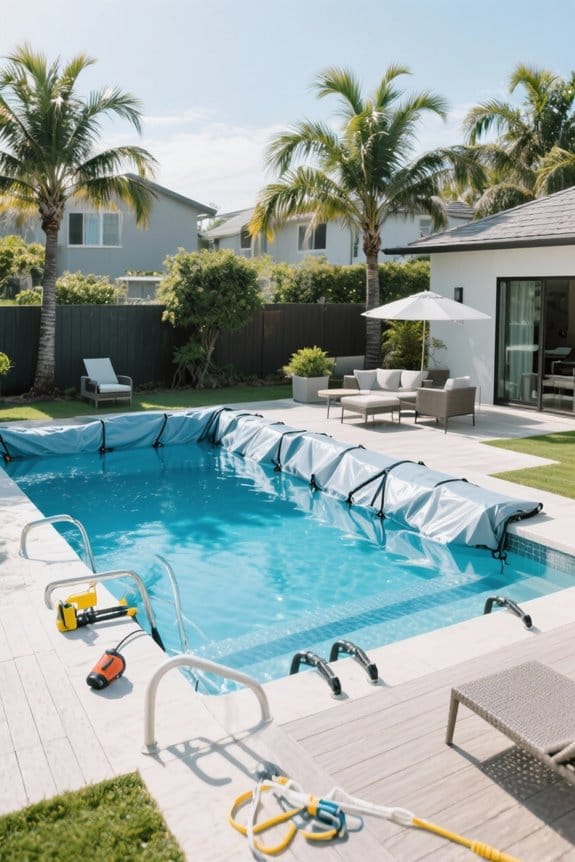
Although indoor pools offer controlled environments for swimming, maintaining proper ventilation is critical to minimize health risks. Guarantee good ventilation systems operate continuously to reduce chloramine buildup, which poses respiratory dangers, especially for children. Monitor and control chlorine levels strictly between 1-3 ppm, and maintain pH between 7.2-7.8 to optimize disinfection while preventing skin and eye irritation. Advise swimmers to shower thoroughly before entry, limiting organic material introduction that forms harmful disinfectant by-products. Employ supplemental disinfection methods like UV irradiation alongside chlorination to enhance water safety and reduce chemical exposure. Regularly inspect air quality systems for proper airflow and replace filters as needed. Using UV-resistant fabrics in pool covers and related maintenance products can complement chemical treatments by protecting pool components from UV degradation. These steps together minimize potential health risks, guaranteeing a safer indoor pool environment for all users without compromising operational efficiency.
Educating Pool Users on Hygiene and Safety Measures
When entering the pool, insist on showering thoroughly for at least one minute to remove dirt and organic matter that deplete chlorine and generate harmful disinfectant by-products (DBPs). Educate all users, especially children, to avoid urinating and spitting in the swimming pool, as these behaviors accelerate chlorine depletion and promote DBP formation containing harmful bacteria. Emphasize waiting at least two weeks after diarrhea before swimming to reduce pathogen transmission risk. Stress the importance of proper ventilation in indoor pools to limit chloramine exposure, reducing respiratory concerns. Regularly inspect and maintain chlorine and pH levels using test kits or electronic sensors, ensuring your pool remains balanced. Clear communication on these hygiene and safety measures complements mechanical cleaning, effectively lowering health risks associated with recreational water use. Additionally, using stabilized dichlor shock regularly helps maintain effective chlorine levels for crystal-clear water and safer swimming conditions.
Frequently Asked Questions
What Are the Health Hazards of Pool Chemicals for Swimmers?
Chemical exposure effects in swimmers include respiratory irritation, allergic reactions, and skin sensitivity. Disinfectant byproducts from chlorine can exacerbate these issues, increasing the risk of oxidative stress and long-term respiratory complications during swimming activities.
What Is the 25 10 Rule in Swimming?
The 25 10 rule in swimming advises waiting 25 minutes after eating and 10 minutes after restroom use before entering the pool. It promotes water safety, swimmer etiquette, and supports effective pool maintenance to reduce contamination risks.
Do Swimmers Have Health Issues From Chlorine?
Chlorine sensitivity affects swimmers, causing respiratory irritation, nasal discomfort, and swimmer’s ear. Poor pool hygiene worsens symptoms, aggravating health concerns. Consequently, chlorine exposure, hygiene maintenance, and individual sensitivity collectively influence swimmers’ health issues and wellbeing.
How Long After Poop in Pool Is It Safe to Swim?
After fecal contamination, swim safety guidelines require closing the pool for 30 minutes to an hour with elevated chlorine levels. Effective pool hygiene practices guarantee disinfection, minimizing risks and allowing safe swimming once proper fecal contamination response is complete.