As an Amazon Associate, we earn from qualifying purchases. Some links on this site are affiliate links at no extra cost to you. Our recommendations are based on thorough research and editorial judgment.
Pool Cleaning Safety Tips for Families

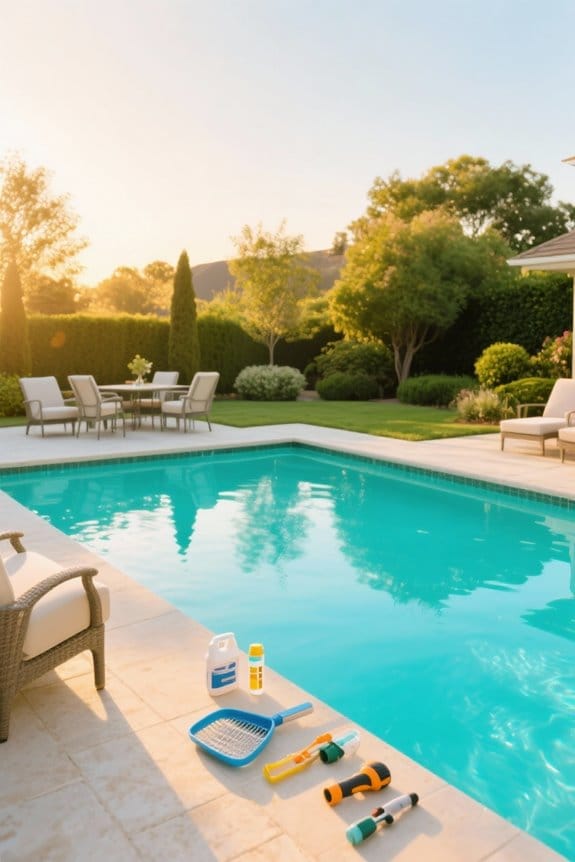
Assign a responsible adult to supervise pool cleaning continuously, restrict children’s access, and store chemicals securely in original, labeled containers away from moisture. Wear nitrile gloves, splash-resistant goggles, and non-slip footwear to prevent chemical burns and slips. Clear the area of toys and debris, switch off pool pumps to avoid electrical hazards, and ventilate the space properly. Communicate cleaning schedules and hazards clearly to all family members, enforce no-swimming rules after chemical application, and be prepared to manage spills or injuries. Following these steps guarantees a safer process; further guidance covers detailed chemical handling and emergency procedures.
Key Takeaways
- Always supervise children closely and restrict access during pool cleaning to prevent accidents and chemical exposure.
- Store pool chemicals securely in original containers, away from children and pets, and handle them with protective gloves and masks.
- Wear essential safety gear such as gloves, goggles, and non-slip footwear to protect against chemical irritation and falls.
- Clear the pool area of toys, debris, and sharp objects, and turn off pumps to reduce hazards before cleaning.
- Communicate the cleaning schedule and safety rules clearly to all family members, emphasizing no swimming after chemical use.
Importance of Supervision During Pool Cleaning
You may be interested
Although pool cleaning can seem straightforward, maintain constant supervision by assigning a responsible adult to monitor the area at all times. Implement close supervision to reduce drowning risk, especially since children often access unsupervised zones quickly. Ascertain pool safety by restricting children from the cleaning site, where chemical spills and equipment pose hazards. Establish and follow emergency procedures, including immediate rescue steps and first aid readiness, to respond effectively to incidents. Maintain a strict communication protocol among family members; announce when cleaning begins, specify tasks, and confirm completion to uphold vigilance. Avoid distractions that can compromise supervision quality, as lapses may lead to silent drowning or unnoticed chemical exposure. Continuous, focused oversight during pool maintenance safeguards everyone and supports prompt intervention when necessary. Additionally, using the proper pool brush type suited for your pool’s surface can prevent damage and enhance cleaning effectiveness, contributing to overall safety.
Proper Use and Storage of Pool Chemicals
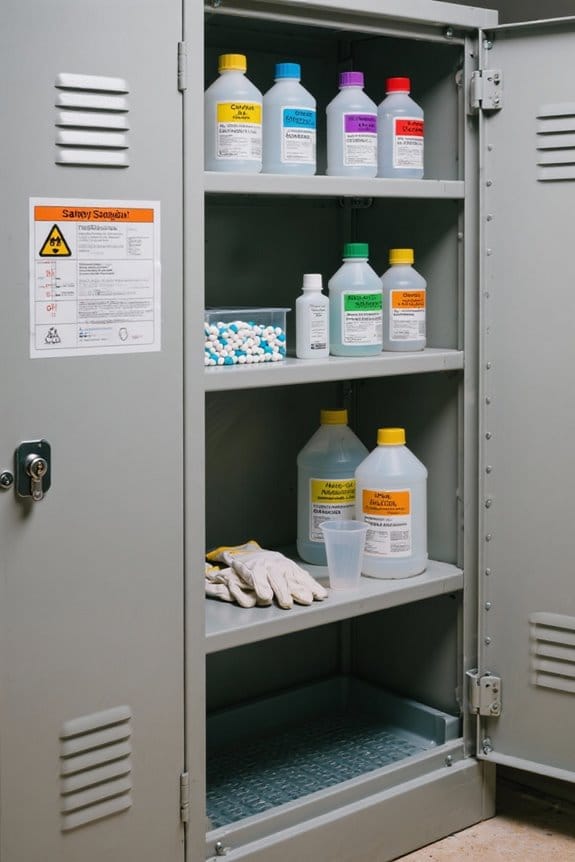
Maintain safety vigilance by extending attention from supervising pool cleaning to handling pool chemicals with equal care. Always store chemicals securely in original containers, out of reach of children and pets, to prevent accidental exposures. Follow the manufacturers instructions meticulously, measuring doses precisely and never mixing different chemicals, as this can cause dangerous reactions. Handle chemicals in a cool, dry, well-ventilated area to avoid moisture-triggered degradation. Wear protective gear such as gloves and masks when handling chemicals to prevent chemical burns and inhalation hazards. If spills occur, neutralize and clean immediately using appropriate materials, avoiding water contact that might worsen reactions. These safety tips reduce risks, ensuring pool maintenance proceeds without incident. Prioritize care in handling chemicals to keep family members safe and maintain pool water quality effectively. Regular monitoring of water chemistry is also essential to maintain safe and effective pool conditions.
Recommended Products

Reliable Results In Seconds – Everything you need to test your pool or spa is conveniently packaged in the handy storage case, including a comparator to mix samples, and 8 easy-to-use reagents for 6 common water test parameters for DPD testing: Free & Total Chlorine, Bromine, pH, Acid Demand, and Total Alkalinity.
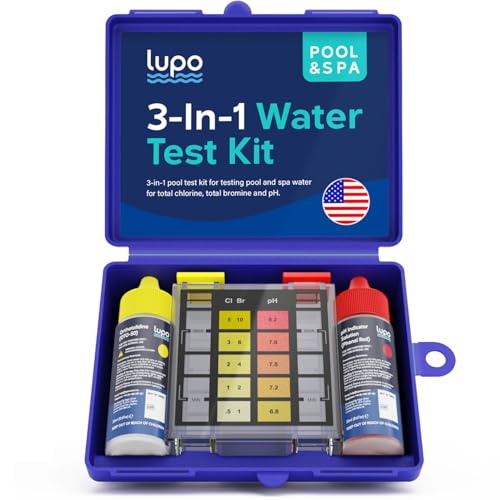
3-IN-1 POOL TESTING KIT: An easy-to-use, accurate pool test kit for testing three essential water quality parameters in residential pools and spas: Total Chlorine, Total Bromine, and pH. Includes enough reagents for 100 tests, helping keep your water safe, clean, balanced, and ready to use anytime.
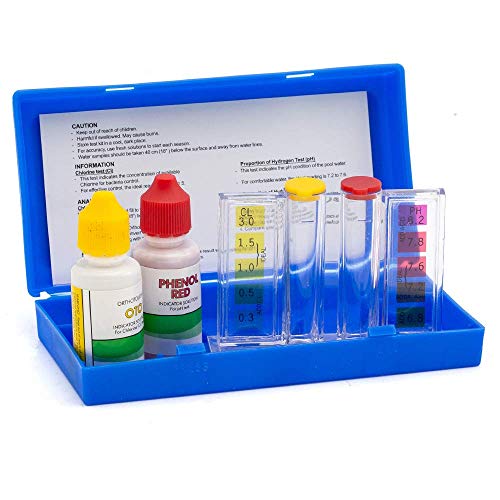
2 Way Pool Water Test Kit For Test For OTO, CL, and PH Level
Essential Safety Gear for Cleaning Tasks
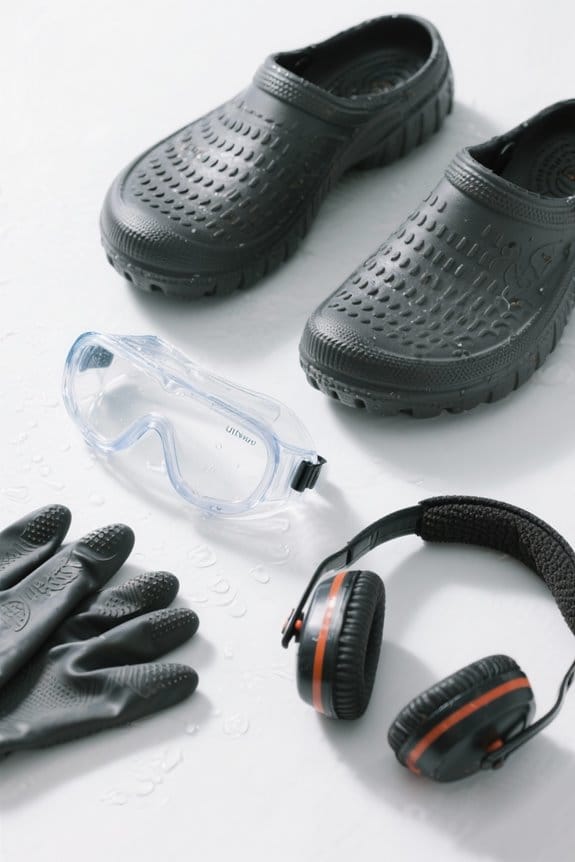
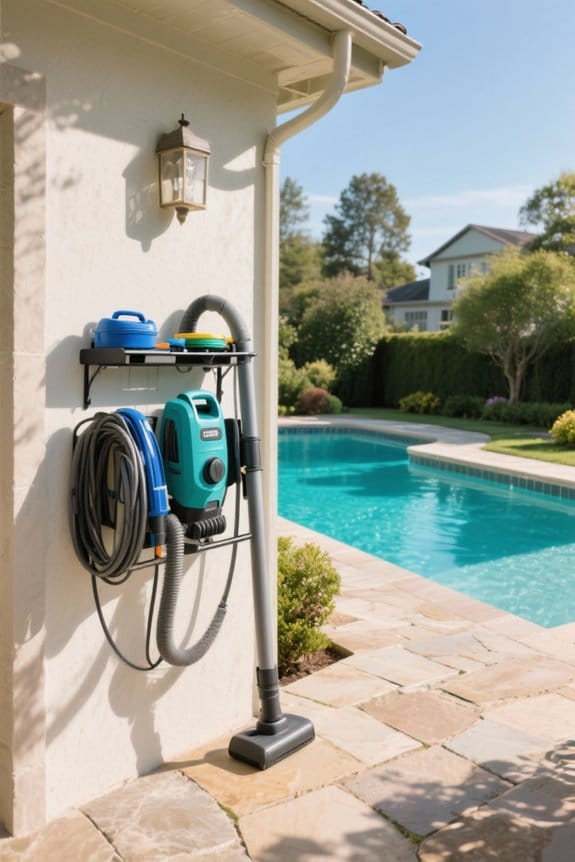
Several key pieces of safety gear are essential when performing pool cleaning tasks. Always wear gloves to protect skin from chemicals that can cause irritation or burns. Use safety goggles to shield eyes from splashes of harsh cleaning agents. Put on protective footwear with non-slip soles to avoid falls on wet surfaces near the pool. Consider a mask or respirator when working in enclosed areas to prevent inhaling chlorine fumes. Keep a first aid kit within easy reach, and familiarize yourself with emergency procedures for chemical exposure. Regularly inspect all safety gear for damage before use. These measures guarantee effective chemical handling and reduce injury risks during pool maintenance tasks, maintaining a safe environment for everyone involved. Additionally, storing equipment indoors helps prevent damage and maintains the longevity of pool cleaning tools.
Recommended Products

Durable, one piece lens helps protect eyes from certain liquids, dirt and particles
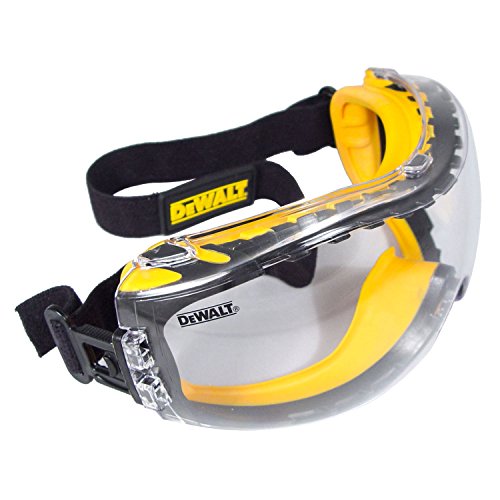
DEWALT ToughCoat hard coated lens provides tough protection against scratches.

DEWALT ToughCoat hard coated lens provides tough protection against scratches.
Preparing the Pool Area for Cleaning
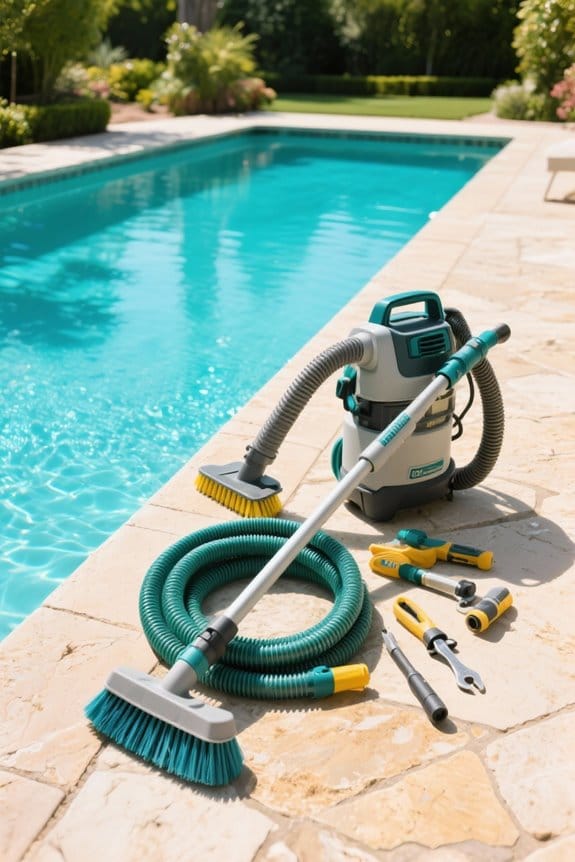
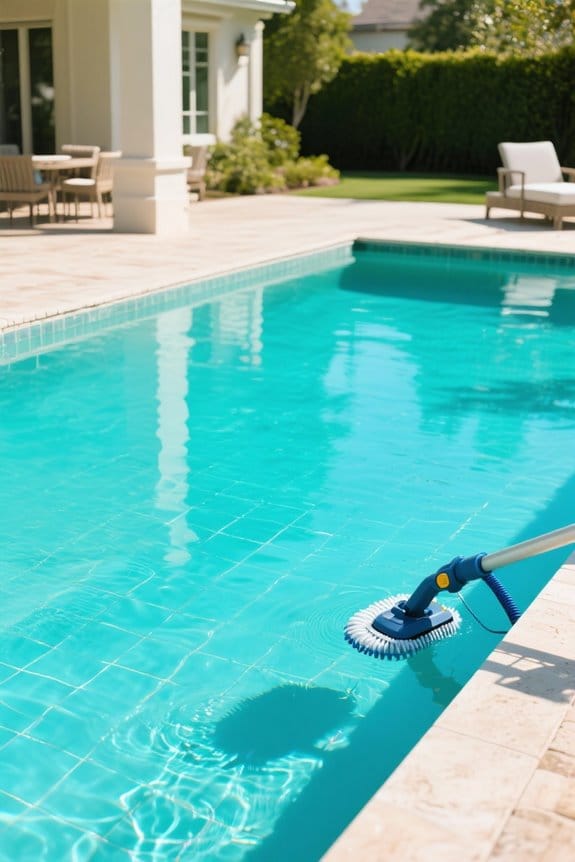
Before beginning pool cleaning, thoroughly clear the deck of toys, furniture, and debris to prevent slips or falls. Remove debris from the pool area to maintain a clean workspace. Check for sharp objects, including broken glass, and safely discard them to avoid injuries. Inspect cleaning tools, such as vacuums and brushes, ensuring they have no sharp edges or damage that could cause harm. Store cleaning chemicals securely, out of children’s reach, to maintain a safe environment. Turn off pool pumps and filters to eliminate electrical hazards during maintenance. Follow these steps carefully to prepare an efficient and hazard-free pool area, setting the stage for safer, more effective cleaning operations that protect all family members from potential accidents and chemical exposure risks. Additionally, using pool vacuums with an IPX8 waterproof rating ensures safe operation even when fully submerged during cleaning.
Preventing Chemical Exposure and Injuries
Handle pool chemicals with care, always wearing protective gloves, goggles, and masks to reduce skin and eye contact risks. Preventing chemical exposure requires strictly following manufacturer instructions, avoiding unauthorized mixes that pose severe reactions and injuries. Store chemicals securely, in airtight containers, away from children, pets, and heat sources, preferably in a cool, ventilated cabinet. In case of a chemical spill, evacuate the area immediately, ventilate if safe, and contact poison control or emergency services without delay. Use designated measuring cups and tools to handle chemicals precisely, preventing accidental overuse or contamination. Avoid inhaling fumes by working outdoors or in well-ventilated spaces. Always have emergency procedures posted visibly. Staying vigilant about protective gear, secure storage, and spill response will minimize the risk of injury and guarantee safe pool maintenance practices. Proper storage guidelines for chlorine tablets include keeping them dry and sealed to prevent moisture intrusion and maintain effectiveness.
Communicating Pool Cleaning Activities to the Family
Communicate the pool cleaning schedule clearly to all household members to prevent accidental pool use during chemical treatments. Share safety guidelines emphasizing that chemicals can cause severe irritation, keeping them out of reach of children and pets. Conduct visual inspections beforehand to identify hazards like debris or broken glass, ensuring the area is safe. Instruct family members to remove toys and clutter from the pool vicinity before cleaning begins. Reinforce that swimming is prohibited immediately after chemical application to avoid health risks and maintain cleaning effectiveness. Clearly communicate emergency procedures, including when to contact the emergency department for chemical exposure or injuries. Consistently update all members on cleaning times and precautions, fostering an environment of vigilance and cooperation to enhance overall pool safety during maintenance. Additionally, ensure the presence of USCG-approved ring buoys nearby during pool activities to enhance rescue readiness in case of emergencies.
Frequently Asked Questions
What Are the 3 C’s of Pool Cleaning?
The 3 C’s of pool cleaning are Clarity, Chemical Balance, and Consistency. Effective pool cleaning techniques include debris removal strategies, chlorination methods, and managing water pH balance, using pool maintenance tools and safety equipment essentials with regular cleaning frequency guidelines.
What Are the 10 Safety Tips for Swimming Pools?
Like safeguarding a treasure trove, the ten safety tips include pool fencing, child supervision, floatation devices, lifeguard training, emergency preparedness, first aid readiness, water safety education, no glass, buddy systems, and regular equipment inspections for thorough pool safety measures.
What Is the 25 10 Rule in Swimming?
The 25 10 principles advise resting 10 seconds after swimming 25 yards to enhance endurance and technique. These support swimming pool safety, aquatic activity guidelines, family swim rules, pool time management, child supervision tips, swim lesson importance, and water awareness practices.
What Are the 3 B’s of Pool Care?
A single case of pool water contamination can affect thousands of gallons. The 3 B’s of pool care—Balance, Brushing, and Bacteria—are essential pool maintenance basics essential for safe swimming guidelines, chemical balance techniques, and effective pool inspection tips.