As an Amazon Associate, we earn from qualifying purchases. Some links on this site are affiliate links at no extra cost to you. Our recommendations are based on thorough research and editorial judgment.

Maintenance Timelines for Pool and Patio Owners

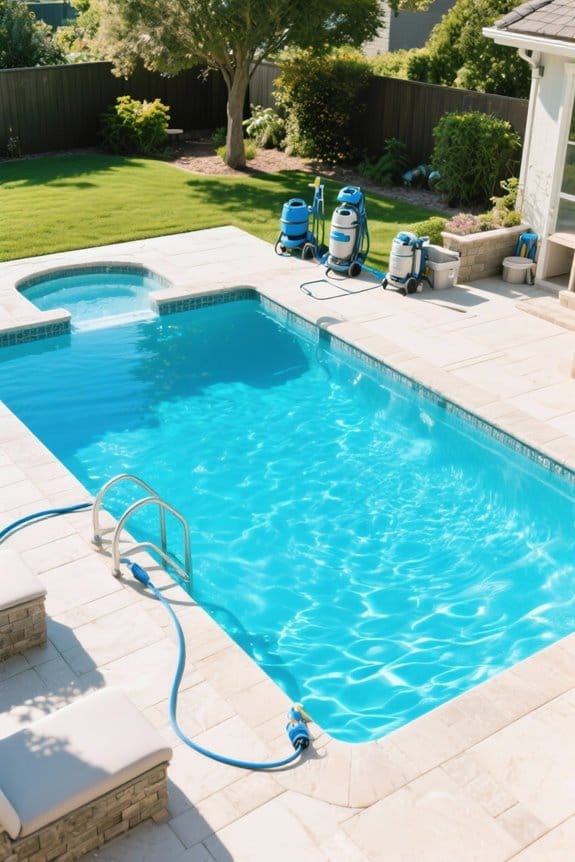
Check pool water level daily at skimmer mouth midpoint, clean skimmer baskets, add chlorine consistently, and remove surface debris. Weekly, brush walls, vacuum pool, and test pH and chlorine levels. Monthly, clean filters when pressure gauge exceeds baseline by 8–10 PSI, test calcium hardness, and inspect pumps for leaks. Perform annual structural inspections, tighten fixtures, and maintain patio surfaces. Adjust maintenance intensity seasonally to protect equipment and prevent algae. Continuing this guide reveals thorough strategies for effective pool and patio care.
Key Takeaways
- Perform daily tasks like water level check, debris skimming, and sanitizer addition for clean pool operation.
- Brush pool walls and vacuum weekly to prevent algae buildup and maintain water clarity.
- Clean filters monthly when pressure rises 8–10 PSI above normal and test water chemistry regularly.
- Conduct annual inspections of structural integrity, equipment, decks, and patio furniture for safety and longevity.
- Adjust maintenance routines seasonally, increasing water tests in summer and winterizing equipment during colder months.
Daily Pool and Patio Maintenance Tasks
You may be interested
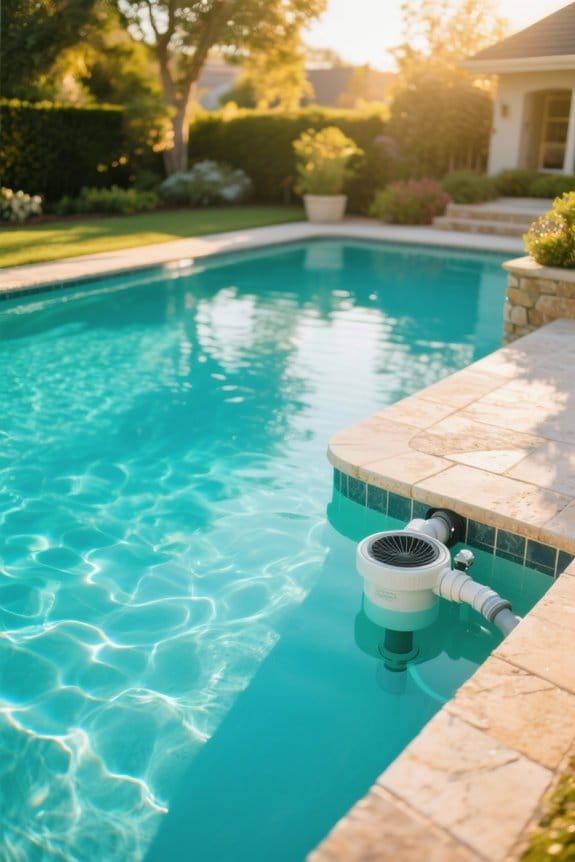
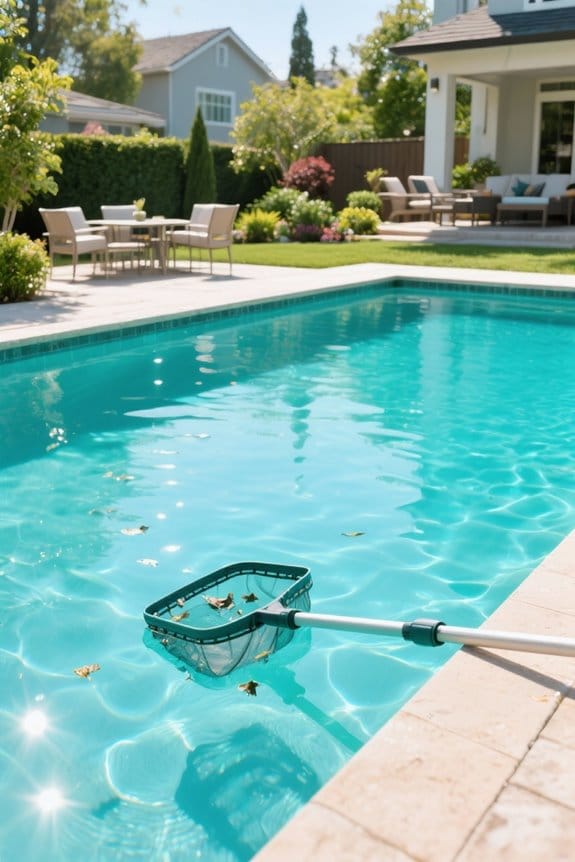
Every day, check the pool’s water level, guaranteeing it reaches halfway up the skimmer mouth for proper circulation and filtration. Follow the daily pool maintenance routine by inspecting and cleaning pump strainers and skimmer baskets to prevent clogs that reduce water flow. Add sanitizer like chlorine or salt consistently to maintain disinfection, critical for water quality. Remove leaves, bugs, and debris from the surface with a skimmer net, keeping the pool visually appealing and cleaner. Monitor pump and filter operation by reading the filter gauge to detect pressure changes that indicate blockages or system inefficiencies. Adhering to this pool maintenance checklist helps sustain peak pool function and swimmer safety. Undertake these steps diligently to avoid larger issues and guarantee the system runs smoothly every day. Additionally, positioning solar panels at a 30-45 degree angle in full sun ensures optimal pool pump efficiency and reliable water circulation.
Recommended Products

Size: 17.5 x 11.8 x 1.2 inches (44.50 x 30.00 x 3.00 cm)

POOLWHALE takes the hassle out of cleaning your pool, leaving you more time to enjoy your summer with friends and family! The above pool skimmer allows for easy clean up of leaves, debris, and bugs.This beautiful Pool skimmer net can also be used to clean hot tub, Spa and Pool fountain, Pools for Kids and Adults. This Pool net for cleaning helps you keep your Swimming Pool neat and clean. Pool cleaning has never been so simple.
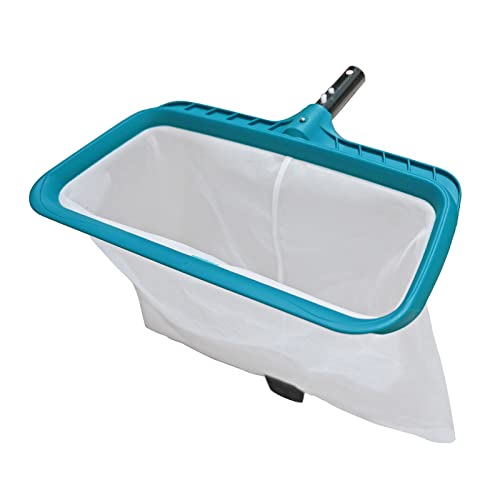
Large Capacity: 17" swimming pool leaf rake, 11" W, 14" deep net.The heavy duty lightweight plastic molded frame is safe for use in all types of pools and it won't mar pool liners
Weekly Pool and Patio Care Essentials
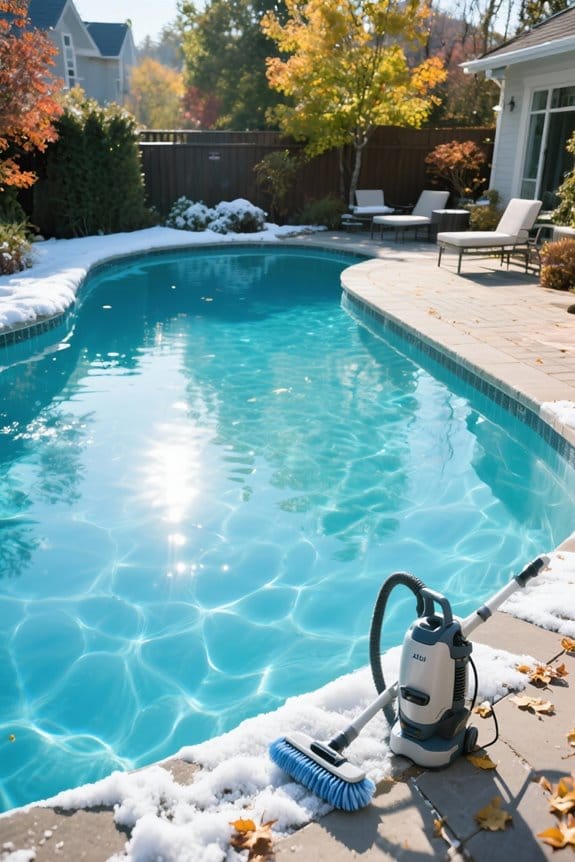
Maintaining weekly pool and patio care essentials begins with thoroughly brushing all pool walls and floors to dislodge algae and dirt buildup, using a nylon or stainless steel brush depending on the surface material. Next, vacuum the pool to remove settled debris, improving water clarity. Inspect and clean skimmer baskets to guarantee ideal water flow and filtration. Test pool water chemistry at least twice weekly; adjust pH to 7.2-7.6, chlorine between 1.0 and 3.0 ppm, and alkalinity within 80-120 ppm for safety and clarity. Skim the pool surface daily to remove leaves, preventing algae growth. Prioritize this weekly pool maintenance routine to clean your pool effectively, safeguard pool water quality, and extend the lifespan of both pool and patio amenities. Regular attention prevents costly repairs and keeps outdoor spaces inviting. Using a commercial pool vacuum can greatly enhance cleaning efficiency by ensuring thorough debris removal.
Recommended Products
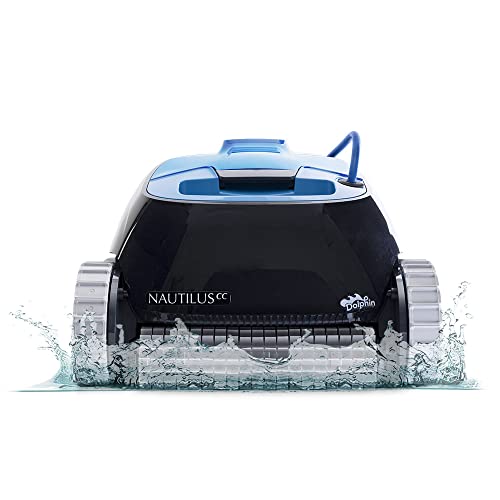
WALL-SCRUBBING POWER: Dolphin Nautilus CC climbs walls efficiently, ensuring thorough cleaning on any pool surface, no matter the shape or surface type.
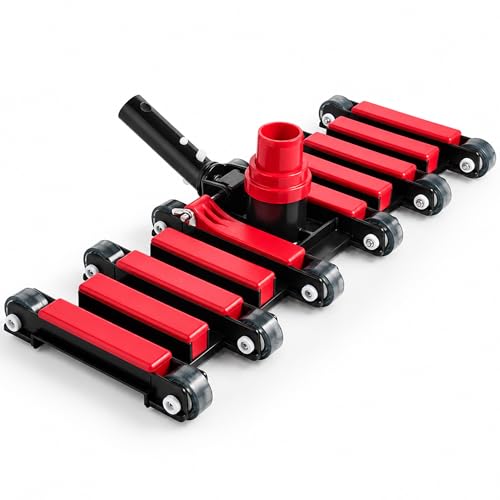
Commercial Grade Pool Vacuum Head with Wheels,19" Extra-Wide & Weighted Flexible Heavy-Duty Vac Cleaner for Effortless, Deep Cleaning

[𝟮𝟬𝟮𝟲 𝗨𝗣𝗚𝗥𝗔𝗗𝗘𝗗] Light Duty Vacuum Working 60-minute runtime (25% up); complete handheld vacuum set for spot cleaning above-ground pools, hot tub, spas & small pools up to 20 feet; works in 41 - 108°F cold & warm water, Water depth: 12 inches to 9.8 feet.
Monthly Maintenance Checklist for Pools and Patios

Shift focus to monthly maintenance tasks by thoroughly inspecting and servicing key pool components. Follow the pool maintenance schedule by cleaning the filter when the pressure gauge reads 8–10 PSI above the clean baseline to maintain peak filtration. Test water chemistry meticulously, verify calcium hardness levels stay between 200 and 400 ppm, and adjust as necessary to prevent scaling or corrosion. Monitor cyanuric acid levels monthly, keeping them within 30–100 ppm; if levels exceed this range, drain and refill the pool. Inspect pumps, heaters, and timers for wear or leaks to guarantee proper operation. Consistently test water and maintain proper water balance to prevent costly damage and guarantee swimmer safety. Maintain detailed monthly records to track these key parameters and actions, reinforcing routine care and reliable pool condition. Additionally, ensure that the pool’s cleaning system, such as pressure-side pool cleaners, operates efficiently by verifying that any required booster pump specifications are met for optimal debris removal.
Annual Inspection and Upkeep for Outdoor Spaces
How should pool and patio owners prepare their outdoor spaces for a new season? Begin with an annual inspection targeting structural integrity and safety. Check all bolts on pool fixtures like slides and diving boards, tightening any that are loose to comply with state regulations. Examine pool decks for cracks or uneven surfaces, noting any trip hazards. Clean and service patio furniture and surfaces to prevent weather-accelerated deterioration. Record findings and repairs meticulously in maintenance logs to monitor wear patterns and expenses over time. Use these logs to prioritize urgent fixes and schedule future work efficiently. This thorough approach maintains safety and extends outdoor spaces’ usability. Consistent annual inspection and upkeep form the foundation of reliable, long-lasting pool and patio environments, ready for active use each season. Additionally, timely detection and repair of leaks using comprehensive repair kits can prevent costly damage and preserve pool integrity.
Seasonal Maintenance Strategies for Longevity
Since seasonal changes significantly impact pool and patio conditions, adjust maintenance tasks accordingly to protect infrastructure and water quality. Begin spring Pool Maintenance by removing and cleaning the pool cover, reconnecting equipment, and balancing water chemistry to prevent algae as temperatures rise. In summer, increase water testing to daily, extend filter run times, and clear debris promptly for peak cleanliness. During fall, remove leaves frequently, prevent staining, and adjust chemicals before winterizing. For winter, lower water levels below freeze lines, seal plumbing, and install a protective cover to avoid damage. Conduct thorough seasonal inspections of equipment and surfaces to identify wear early. Follow this regimented cycle to preserve pool integrity, ensuring longevity and reducing costly repairs through proactive, systematic care across all seasons. Regular use of essential chemicals like algaecides is critical to prevent algae growth and maintain safe swimming conditions throughout the year.
Signs It’s Time for Repairs or Resurfacing
When cracks appear in the plaster, concrete, or coping, inspect their size and depth carefully, as untreated fractures can expand and compromise structural integrity. Measure cracks exceeding 1/8 inch in width and plan repairs promptly to prevent worsening damage. Check for loose or missing tiles, an indicator of structural problems requiring immediate attention and tile replacement. Identify persistent stains that resist scrubbing, signifying potential surface or chemical imbalance issues; these often necessitate resurfacing to restore pool aesthetics and safety. Monitor water levels daily; a drop greater than one inch per week suggests leaks needing urgent repair. Finally, assess surface texture; rough or pitted areas may cause swimmer abrasions. Schedule resurfacing for these, ensuring a safe environment without compromising structural soundness. Additionally, maintaining a regular filtration schedule with Type B pool filter cartridges can improve water clarity and reduce the buildup of contaminants that may affect pool surfaces.
Recommended Products

country of origin : United States

THE FIX-IT-ALL TAPE: Most versatile tape for quick repairs; clear color for discreet repairs; add to repair kit for home, marine, sporting and pool patching applications; repair recreational equipment such as pools, pool covers, boat covers, inflatables, tents, canopies and more

**INTEX Wet Set Vinyl Repair Patch** 6 Pack
Pool Water Testing and Chemical Balancing
Inspect cracks and surface conditions diligently, then shift attention to maintaining balanced pool water chemistry. Test water levels at least twice weekly, increasing frequency during heat waves or heavy usage to preserve clarity and safety. Monitor pH closely, keeping it between 7.2 and 7.6 to prevent skin irritation and equipment damage. Maintain free chlorine levels from 1 to 3 ppm to guarantee effective sanitization and algae control. Balance total alkalinity within 80 to 120 ppm to avoid pH fluctuations that degrade water quality. Adjust chemical dosing promptly, using precise water testing kits, and record results for ongoing pool maintenance tasks. Consistent chemical balancing prevents long-term equipment wear and surface deterioration, reducing unexpected repairs and extending pool lifespan. Prioritize these routines to sustain ideal water conditions with professional accuracy. Additionally, incorporating algaecide treatments into your routine can enhance algae prevention and maintain clear water.
Recommended Products
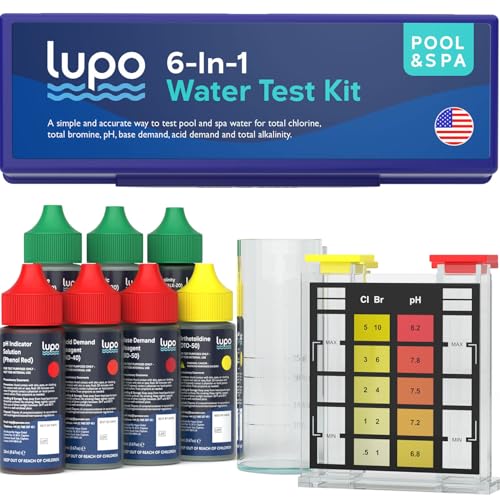
6-IN-1 POOL TESTING KIT: An easy-to-use, accurate pool test kit for testing six essential water quality parameters in residential pools and spas: Total Chlorine, Total Bromine, pH, Base Demand, Acid Demand and Total Alkalinity. Includes reagents for 100 tests, helping keep your water safe and balanced.

AFFORDABLE 7-IN-1 POOL TESTING KIT: Our 150 pool test strips provides an affordable, all in one pool water testing kit for various chemicals including Free Chlorine, Alkalinity, pH levels and more!

7 Way: These test strips for pools and spas read 7 different chemicals in the water. The pool strips test 7 way offer clear readings in daylight and come with detailed instructions
Equipment and Surface Cleaning Best Practices
Clean pool equipment thoroughly every month, focusing on the filter and pump to maintain peak performance. Check pressure gauges during cleaning to detect blockages early. Remove skimmer baskets and pump strainers daily, rinse out debris to guarantee proper water flow and chemical distribution. Scrub pool walls weekly with a nylon pool brush, targeting algae-prone corners and steps to prevent buildup. Clean filters by backwashing or cartridge rinsing, following manufacturer guidelines for ideal filtration. For patios, pressure wash surfaces monthly to eliminate embedded dirt and maintain material integrity. Inspect diving boards and slides annually, removing sunscreen and grime to uphold safety standards. Consistent cleaning of pool equipment and surfaces extends lifespan, minimizes costly repairs, and keeps the swimming environment inviting and safe for users. In addition, using high-density polyethylene shade cloth can protect patio areas from excessive sunlight, helping to maintain cooler surfaces and reduce sun damage.
Recommended Products

【HIGH QUALITY POOL BRUSH HEAD - TRIPLE CLEANING EFFICIENCY】The sturdy and lightweight material & soft and resilient bristles allows the brush to be used for a long time , make this swimming pool brush easy to clean . The design of the brush body can easily reach corners and gaps that are difficult to clean, helping you solve the problem of difficult-to-remove stains. This brush head is the best tool for cleaning swimming pools, bathtubs, walls, tiles, and floors.
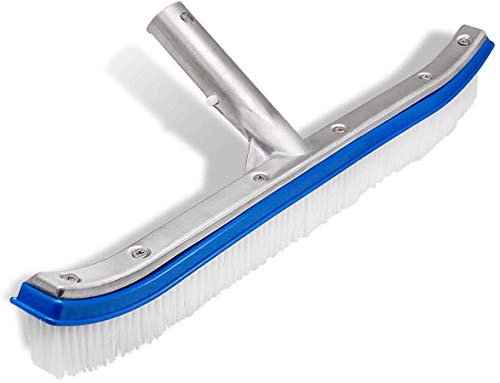
💙【Premium Quality & Multi-scene use】Lalapool 18" Aluminium Swimming Pool Cleaning Brush is made of high quality aluminum and ABS plastic for maximum strength and durability, and high-density nylon plastic brush, not damage the pool.Perfect choice for cleaning wall and tile of pool ,home & hotel, it also suitable for scrubing bathroom floor,raking leaves off roofs

The hemispherical bristles allow you to easily clean the corners of your pool
Frequently Asked Questions
What Is a Good Pool Maintenance Schedule?
What guarantees a pristine pool water chemistry year-round? A good pool maintenance schedule includes daily sanitizer checks, weekly debris removal, monthly filter cleaning, seasonal maintenance checklist adherence, and DIY cleaning tips to keep pools safe, clean, and inviting continuously.
What Are the 3 B’s of Pool Care?
The 3 B’s of pool care—Bass, Brush, and Balance—cover pool chemistry basics, algae prevention strategies, and filter maintenance tips. These steps guarantee clear water, prevent algae buildup, and maintain efficient filtration for safe swimming environments.
How Often Should a Pool Guy Come Out?
A pool professional should conduct weekly inspections to maintain balance and cleanliness. Seasonal deep cleaning is necessary for thorough upkeep, while emergency maintenance visits may be required following storms or unexpected equipment issues to guarantee ideal pool condition.
What Are the 3 C’s of Pool Cleaning?
Like the three legs of a tripod, the 3 C’s of pool cleaning—Clarity, Comfort, and Chemical balance—form the foundation. These pool cleaning techniques require essential cleaning supplies, emphasizing chlorine balance importance for safe, clear water.