As an Amazon Associate, we earn from qualifying purchases. Some links on this site are affiliate links at no extra cost to you. Our recommendations are based on thorough research and editorial judgment.

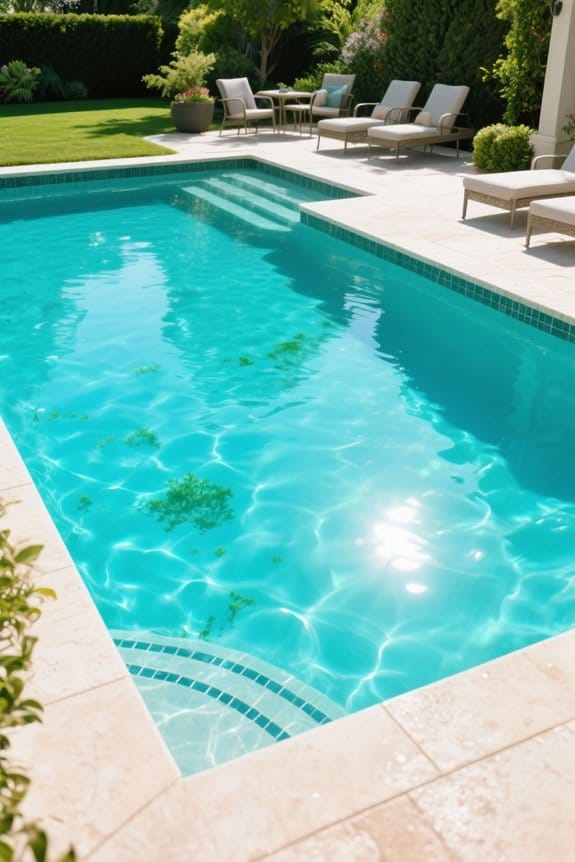
Why Consistent Pool Cleaning Prevents Algae

Maintain chlorine levels between 1-3 ppm and pH at 7.2-7.6 for effective algae control. Skim debris daily and vacuum weekly to eliminate organic matter that feeds algae. Brush pool walls and corners with a nylon brush weekly to disrupt spores. Clean filters every 1 to 4 weeks, backwashing sand or cartridge filters to guarantee proper circulation. Monitor phosphate levels and pressure gauges regularly. Consistent cleaning prevents algae proliferation and improves water clarity. Explore further steps to enhance year-round algae prevention.
Key Takeaways
- Regular removal of organic debris reduces nutrients that algae need to thrive, preventing their growth.
- Maintaining balanced water chemistry ensures chlorine remains effective in killing algae spores.
- Continuous filtration and circulation prevent water stagnation, limiting algae proliferation hotspots.
- Weekly scrubbing of pool surfaces disrupts algae spores, preventing colonization in corners and shaded areas.
- Consistent cleaning prevents clogged filters, maintaining optimal water flow and enhancing algae removal.
What Triggers Algae Growth in Pools
You may be interested
Algae growth in pools stems from multiple environmental and maintenance factors. Monitor and maintain adequate chlorine levels between 1-3 ppm to prevent proliferation. Avoid stagnant water by ensuring your filtration system runs at least 8-12 hours daily, promoting consistent water circulation. Test and adjust pH levels carefully, keeping them within 7.2 to 7.6; higher pH values weaken chlorine effectiveness, enabling algae to thrive. Recognize that poor water chemistry often accompanies algae issues, so balance alkalinity and calcium hardness accordingly. Keep an eye on organic debris accumulation, as leaves, dirt, and other matter supply nutrients essential for algae growth. Address filtration issues promptly; a malfunctioning or clogged system impedes water flow, creating the prime environment for algae to develop rapidly. Regularly check pumps, filters, and chlorinators to maintain effective operation. Additionally, applying a non-foaming algaecide after cleaning helps prevent algae regrowth and keeps the water clear.
The Importance of Removing Debris Regularly
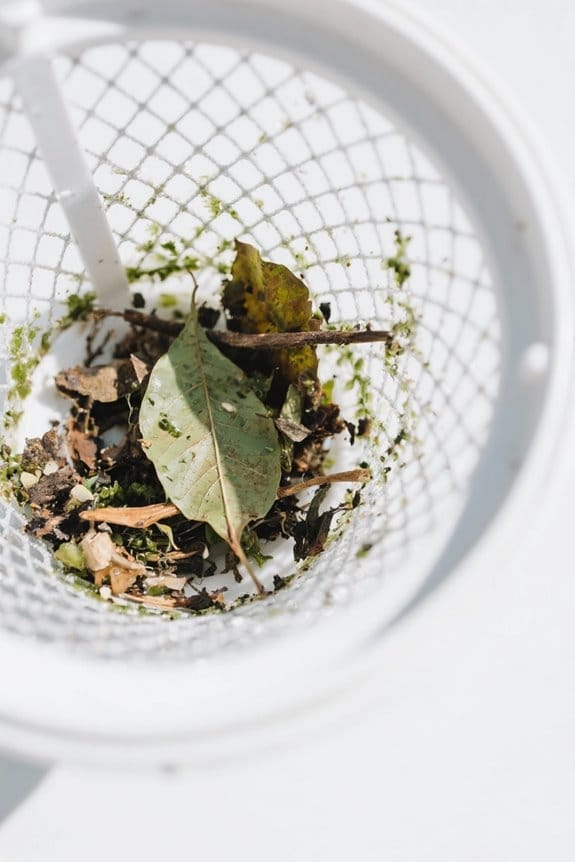
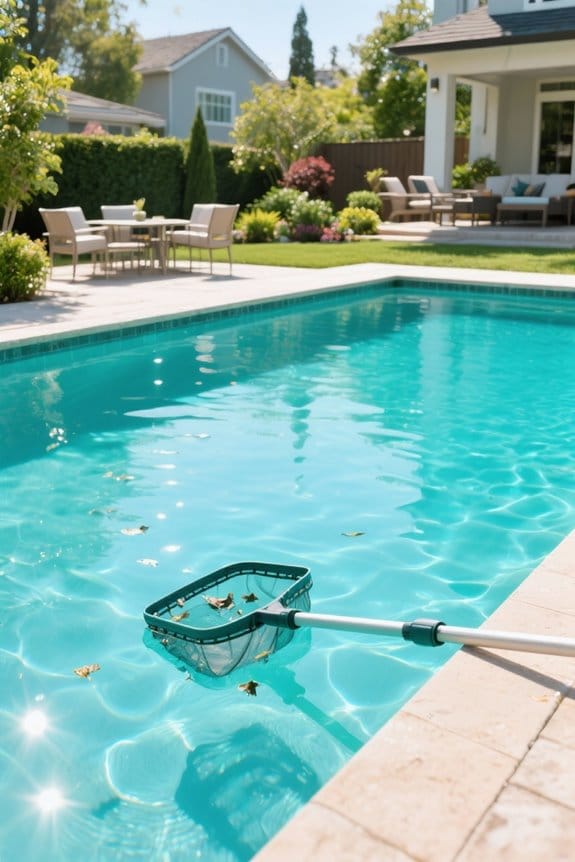
Because organic debris such as leaves and dirt provide essential nutrients, remove them from the pool surface regularly using a leaf skimmer or net. Prioritize skimming daily or at least several times weekly to prevent algae growth by eliminating organic matter before it decomposes. Focus on all pool surfaces, especially corners where stagnant water encourages algae spores to settle. Inspect and clean skimmer baskets and vacuum debris to avoid clogged filters that hinder water circulation. Good flow reduces algae-friendly conditions, so maintain pump efficiency and filter cleanliness as part of regular maintenance. Removing debris consistently guarantees clearer water and lowers the risk of slippery surfaces associated with algae attachment. Addressing debris accumulation promptly saves costly repairs later and effectively prevents algae from establishing in the pool environment. Using skimmer baskets made from durable materials such as ABS or reinforced resin helps ensure longevity and consistent debris removal.
Recommended Products

Size: 17.5 x 11.8 x 1.2 inches (44.50 x 30.00 x 3.00 cm)
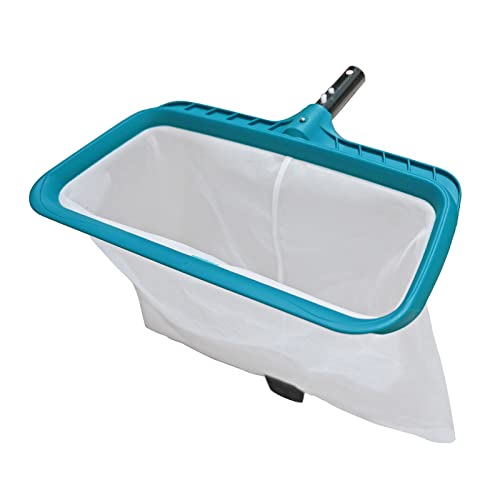
Large Capacity: 17" swimming pool leaf rake, 11" W, 14" deep net.The heavy duty lightweight plastic molded frame is safe for use in all types of pools and it won't mar pool liners

POOLWHALE takes the hassle out of cleaning your pool, leaving you more time to enjoy your summer with friends and family! The above pool skimmer allows for easy clean up of leaves, debris, and bugs.This beautiful Pool skimmer net can also be used to clean hot tub, Spa and Pool fountain, Pools for Kids and Adults. This Pool net for cleaning helps you keep your Swimming Pool neat and clean. Pool cleaning has never been so simple.
How Brushing Surfaces Helps Combat Algae
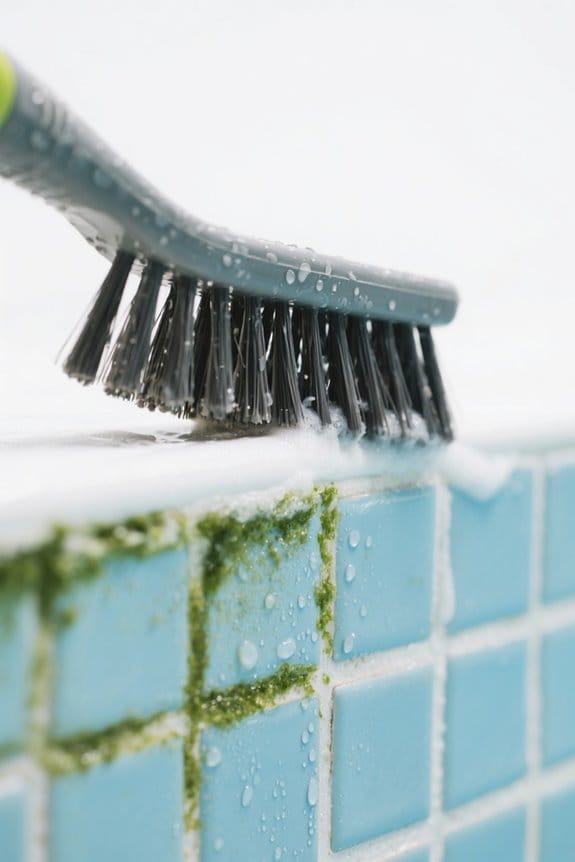
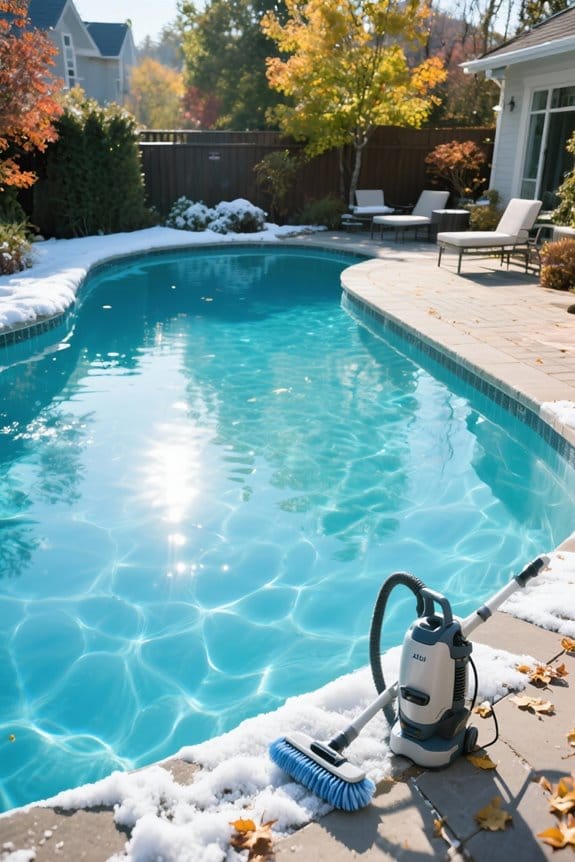
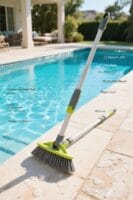
Scrub all pool surfaces weekly using a nylon-bristled brush, paying special attention to corners, steps, and shaded areas prone to poor water circulation. Brushing these pool surfaces disrupts algae spores and prevents their establishment, vital for effective cleaning. Focus on shaded spots, where reduced sunlight and stagnant water enable algae growth. Use a sturdy-bristled brush to remove biofilm and algae buildup from walls and tiles, ensuring surfaces remain smooth. Consistent cleaning improves water circulation by breaking up stagnant zones where algae accumulate. Incorporate brushing into weekly maintenance to noticeably prevent algae accumulation, maintaining a healthier swimming environment. Regular brushing, combined with removing debris, forms the backbone of algae control, making pool care both efficient and reliable without resorting to excessive chemical adjustments. Additionally, monitoring and adjusting water circulation regularly enhances filtration efficiency and further prevents algae growth.
Recommended Products
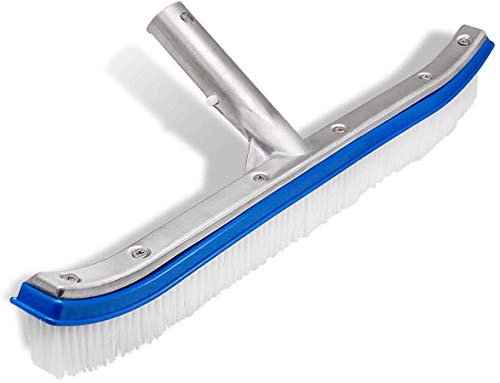
💙【Premium Quality & Multi-scene use】Lalapool 18" Aluminium Swimming Pool Cleaning Brush is made of high quality aluminum and ABS plastic for maximum strength and durability, and high-density nylon plastic brush, not damage the pool.Perfect choice for cleaning wall and tile of pool ,home & hotel, it also suitable for scrubing bathroom floor,raking leaves off roofs

The brush features a reinforced aluminum alloy metal structure that is not only sturdy and durable but also lightweight at only 0.8 pounds, making it effortless to use while withstanding rigorous scrubbing during pool cleaning

【2024 Newest Deluxe Design Upgrade】High-end and Elegant appearance & Premium Texture ,Fine process makes it show a sense of modernity and more beautiful. Compared with the most pool brush, will give you a perfect and incredible experience.
Balancing Water Chemistry to Inhibit Algae
While maintaining clean surfaces is essential, attention must also be given to balancing water chemistry to inhibit algae effectively. Conduct regular testing at least once a week, checking pH levels and chlorine concentration to guarantee ideal pool maintenance. Maintain pH levels between 7.2 and 7.6, as this range maximizes chlorine’s ability to combat algae spores. Keep chlorine levels steady between 1 and 3 ppm to prevent algae growth. Monitor alkalinity regularly, correcting imbalances promptly to avoid cloudy water and weakened algae protection. Perform consistent upkeep by adjusting chemical balance systematically, using reliable test kits or digital testers for accurate water quality assessment. Address deviations immediately to stop algae spores from germinating, reducing the need for aggressive chemical treatments and promoting a healthy swimming environment through proper water chemistry management. Additionally, maintaining the correct cyanuric acid stabilizer level helps protect chlorine from UV degradation, ensuring sustained chlorine effectiveness.
Recommended Products
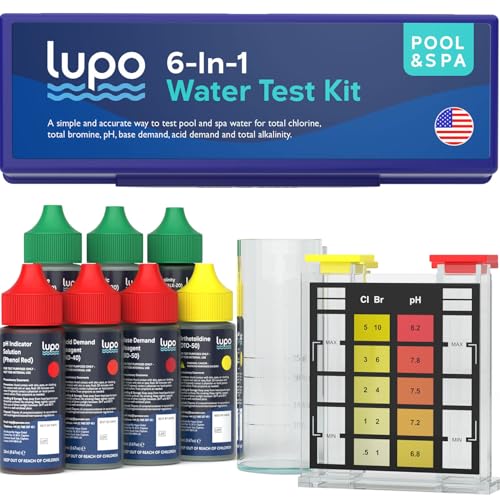
6-IN-1 POOL TESTING KIT: An easy-to-use, accurate pool test kit for testing six essential water quality parameters in residential pools and spas: Total Chlorine, Total Bromine, pH, Base Demand, Acid Demand and Total Alkalinity. Includes reagents for 100 tests, helping keep your water safe and balanced.

7 Way: These test strips for pools and spas read 7 different chemicals in the water. The pool strips test 7 way offer clear readings in daylight and come with detailed instructions
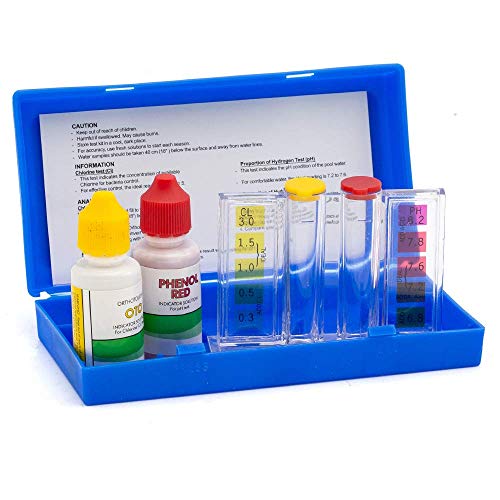
2 Way Pool Water Test Kit For Test For OTO, CL, and PH Level
Keeping Filters Clean to Maintain Circulation
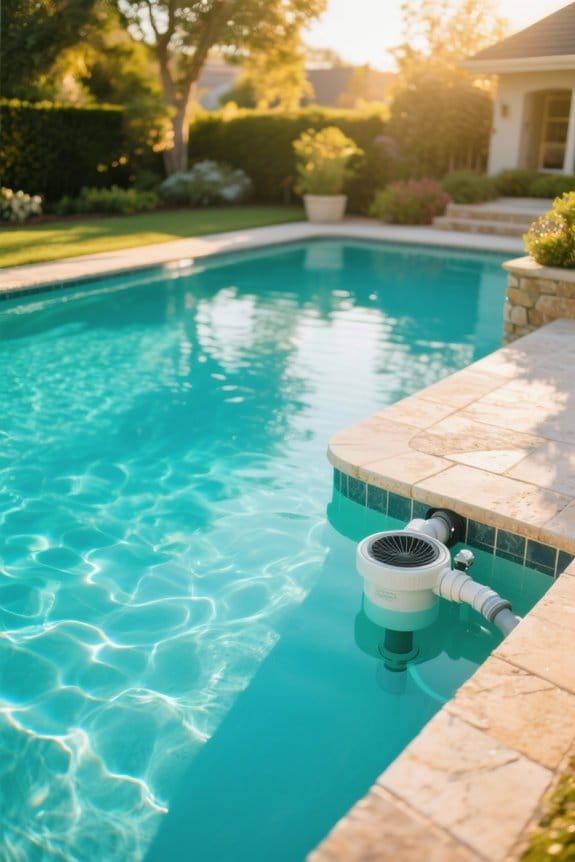
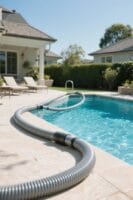
Maintain clean pool filters by scheduling regular cleaning or backwashing at intervals recommended by the manufacturer, typically every 1 to 4 weeks. Inspect filters closely for clogs that reduce circulation, hindering water movement and increasing algae risk. Remove debris and contaminants promptly to prevent stagnant zones where algae thrive. Use a high-pressure hose or backwash valve per filter type—sand, cartridge, or DE—to restore peak flow. Monitor pressure gauges regularly; a rise above the normal range indicates clogging requiring immediate cleaning. Maintain filters to guarantee effective trapping of algae spores and organic matter, preserving water quality. Consistent filter maintenance supports circulation essential for distributing chemicals evenly, minimizing algae formation. Prioritize filter cleaning within your pool maintenance routine to uphold clear, healthy water and reduce algae growth effectively. Incorporating durable materials and proper maintenance guidelines can further enhance the longevity and performance of your pool filtration system.
Recommended Products

DESIGNED AND BUILT FOR LONG LIFE AND USE: The Aqua Comb body is made of UV protected ABS plastic and the comb and barrel valve are UV protected nylon
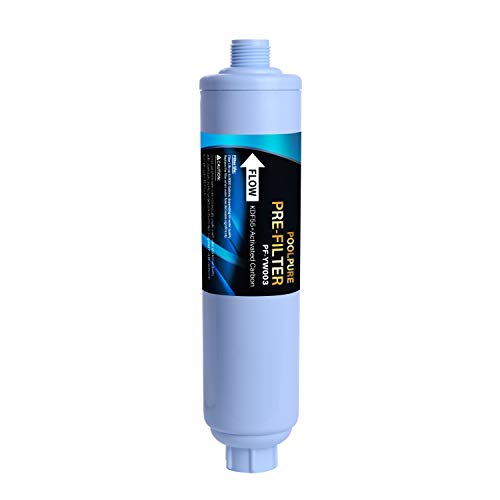
🏊Proud Partner of Florida Gators Swimming & Diving: PoolPure officially partners with the Florida Gators to support elite-level aquatic training. This collaboration reflects our shared focus on high-performance water quality, reliability, and consistency in demanding competitive environments.

Cleaner with 6 powerful water jets
Recognizing Early Warning Signs of Algae
Observe your pool water daily for early indicators of algae development. Note any slight green tint as a critical early sign, prompting immediate testing of chemical levels, especially chlorine. Check for cloudy water, which often reflects imbalanced water chemistry and signals potential algae growth. Inspect pool walls, steps, and corners for slippery surfaces, a common warning of algae accumulation requiring prompt scrubbing. Examine shaded areas and around ladders closely, as visible growth there indicates algae establishing itself. Pool owners must perform regular cleaning and detailed inspections to maintain a clean and algae-free environment. Addressing these early signs swiftly prevents larger infestations, ensuring water remains clear and safe. Regular monitoring, combined with thorough cleaning, forms the backbone of effective algae prevention strategies. Utilizing a pool vacuum with multiple cleaning modes enhances the removal of stubborn algae and prevents buildup in hard-to-reach areas.
The Relationship Between Clean Pools and Water Quality
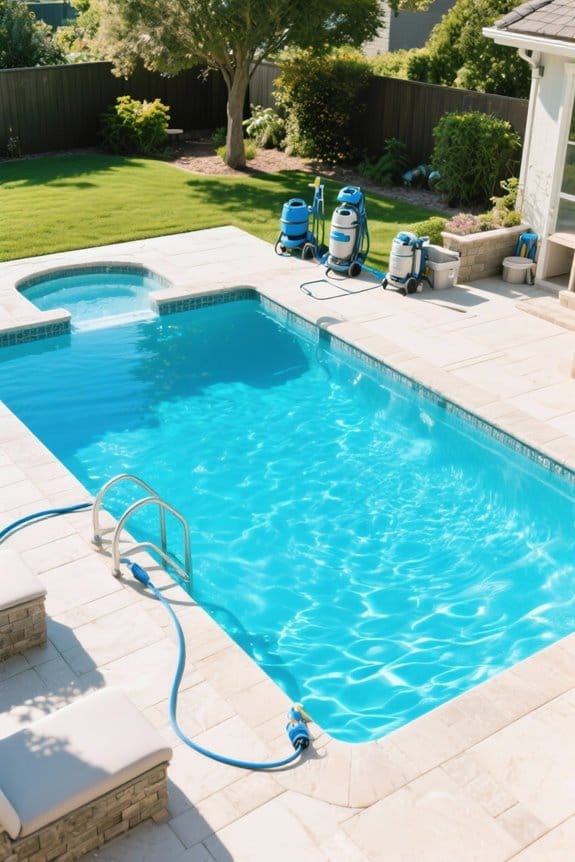
Because clean pools directly influence water quality, prioritize consistent removal of organic debris using a pool skimmer and a wet/dry vacuum. Regular pool cleaning eliminates algae feed sources, such as leaves and dirt, ensuring a healthy pool environment. Maintain balanced water chemistry by testing pH and chlorine levels bi-weekly, adjusting as needed for proper chemical dosing. Brush pool walls and floors thoroughly every week to disrupt algae adhesion and improve water circulation. Verify your filtration system is designed for your pool size, clean filter cartridges monthly, and backwash sand filters according to manufacturer guidance. These steps promote clear water quality, prevent algae growth, and support a balanced water chemistry consistent with healthy pool maintenance. Keeping your pool free from contaminants considerably reduces algae risk and enhances swimmer comfort. Additionally, monitoring and managing phosphate levels in your pool water is essential, as excess phosphates can fuel algae growth, making phosphate removers a beneficial part of your pool maintenance routine.
Strategies for Year-Round Algae Prevention
Establish a weekly routine that includes skimming surfaces to remove floating debris, vacuuming the pool floor to extract settled dirt, and brushing walls and tiles to break up algae spores. Monitor water chemistry carefully; maintain pH between 7.2 and 7.6, and guarantee chlorine levels remain effective to inhibit algae growth. Perform regular vacuuming and clean filters to improve circulation, reducing stagnation hotspots where algae thrive. Schedule consistent professional pool cleaning at least seasonally to address hard-to-reach areas and equipment. Maintain fully functional maintenance tools, and test water weekly to catch imbalances early. Consistent attention to these steps creates a clean environment hostile to algae, minimizing remediation efforts. This rigorous strategy supports year-round algae prevention, guaranteeing water clarity and safety while reducing long-term cleaning costs effectively. Using high-quality Type D pool filter cartridges with advanced filtration technologies enhances debris capture, contributing to cleaner water and better algae prevention.
Recommended Products

【NSF/ANSI 50 Certified Safety】TOREAD pool filter cartridges are tested and certified by IAPMO to meet NSF/ANSI 50 standards. Made from certified safe materials, they ensure clean, clear, and healthy water, providing long-term protection for your family and pool.

🍀SPECIFICATIONS: Length: 31 1/8"; Outside Diameter: 10 1/16"; Top: 6" open; Bottom: 6" open; Filtration Area: 200 Sq.ft; Filter Material: Trilobal Filtration Fabric.

COMPATIBLE WITH MAJOR MODELS: This filter is compatible with a range of brands and models for Hayward SwimClear C4030, C4025, C4020, Replaces Pleatco PA106, Hayward CX880XRE, Unicel C-7488, and more. Please note that this is a compatible replacement, and manufacturer names are used for reference
Frequently Asked Questions
Why Am I Constantly Fighting Algae in My Pool?
Despite diligent pool maintenance, persistent algae bloom often results from poor chlorine levels, inadequate filter effectiveness, circulation issues, imbalanced pH balance, excessive sun exposure, improper use of pool cover, and flawed draining techniques—hindering control over water chemistry.
Do Copper Pennies Prevent Algae in Fountains?
Copper pennies can aid algae prevention in decorative fountains through copper properties and chemical reactions, yet penny myths exaggerate their effect. Effective treatments and proper water balance alongside fountain maintenance remain superior, though historical uses inspire copper alternatives.
Why Is Shock Not Killing Algae in My Pool?
Algae’s fortress defies shock effectiveness when chemical imbalance, poor pH levels, and filtration issues weaken defenses. Algae resistance thrives amid low water circulation, temperature impact, and insufficient pool maintenance, suggesting chlorine alternatives for combating persistent growth.
What Is the Best Practice to Prevent Algae Growth in a Pool?
Best pool maintenance tips for algae prevention methods include maintaining water chemical balance, controlling pH level, ensuring filtration system efficiency, adhering to regular cleaning schedules, optimizing circulation system importance, managing sunlight exposure impact, using effective sanitizers, and employing pool cover benefits.