As an Amazon Associate, we earn from qualifying purchases. Some links on this site are affiliate links at no extra cost to you. Our recommendations are based on thorough research and editorial judgment.

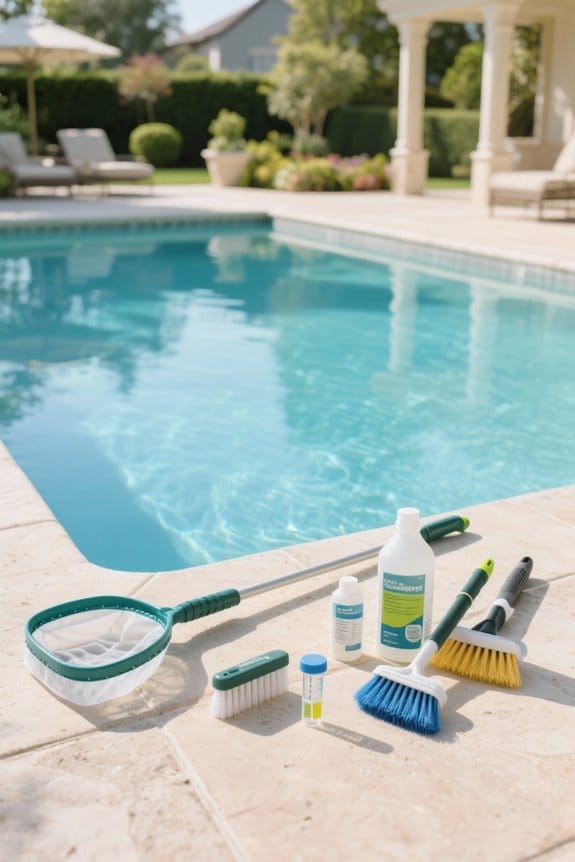
Common Maintenance Tasks for Pool Cleaners

Skim debris daily using a leaf rake or skimmer net to prevent algae growth and filter strain. Brush pool walls and tile lines weekly with a nylon or stainless-steel brush, focusing on corners and low-flow areas. Vacuum floors weekly with proper suction, moving slowly to avoid stirring debris. Test water chemistry twice weekly, maintaining pH at 7.2–7.8 and free chlorine above 1 ppm. Clean skimmer and pump baskets weekly, inspect hoses for leaks, and monitor filter condition for efficiency. For detailed procedures, further guidance follows.
Key Takeaways
- Regularly clean skimmer and pump baskets to prevent clogs and ensure efficient water circulation.
- Inspect and replace worn brushes and wheels to maintain optimal cleaning performance.
- Check hoses for cracks, leaks, and kinks, replacing damaged sections promptly.
- Clean or replace internal filters based on manufacturer guidelines to avoid clogs and maintain suction power.
- Test suction efficiency and power supply regularly to detect and address performance issues early.
Skimming Debris From the Water Surface
You may be interested
Although it may seem tedious, skimming debris from the water surface every morning before swimming helps maintain water clarity and prevent algae growth. Use a leaf rake or skimmer net to remove floating debris such as leaves and bugs, focusing on areas where debris concentrates. Perform this daily task before pool use to guarantee a safe swimming environment and an inviting appearance. Regular skimming minimizes strain on pool filters by reducing debris load, enhancing filter efficiency and longevity. Avoid letting debris sink, as it becomes harder to remove and can promote algae. Inspect the skimming tool for tears or holes, replacing as needed to optimize performance. Consistent attention to skimming prevents water contamination, allowing pool cleaners to function effectively and guaranteeing the pool remains clear and safe. Additionally, make sure to check and clean the filter every two weeks to remove debris and clogs that could hinder your pool’s cleanliness.
Recommended Products

MAX POND SIZE: Up to 30’ x 30’ or similar

Made in USA with 100% Carbon Fiber for Strength and Lightweight Handling; Manufactured using Skimlite’s proprietary carbon fiber process, this pool pole combines structural strength with reduced weight. The material supports extended use across routine and heavy-duty pool cleaning tasks.
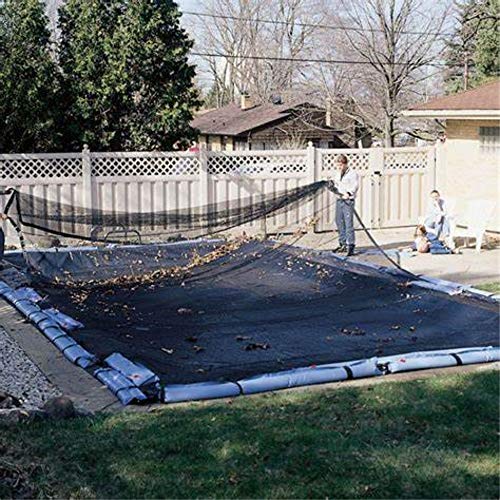
COMMERCIAL-GRADE LEAF NETS eliminate the “swamp-like” build-up that makes spring clean-up such a chore. Our multi-function leaf net covers prevent leaves and twigs from contaminating your pool water. At the end of the fall, remove the leaf net cover and store for the winter!
Brushing Pool Walls and Tile Lines
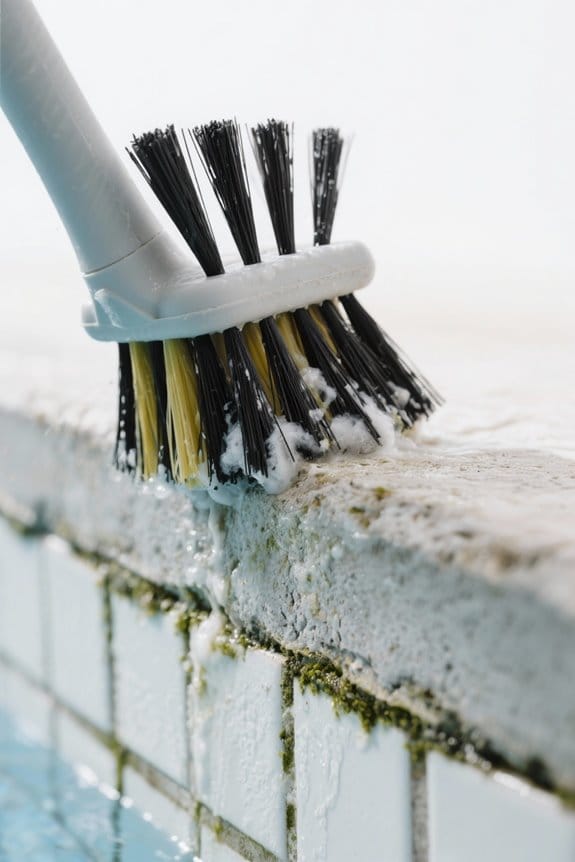
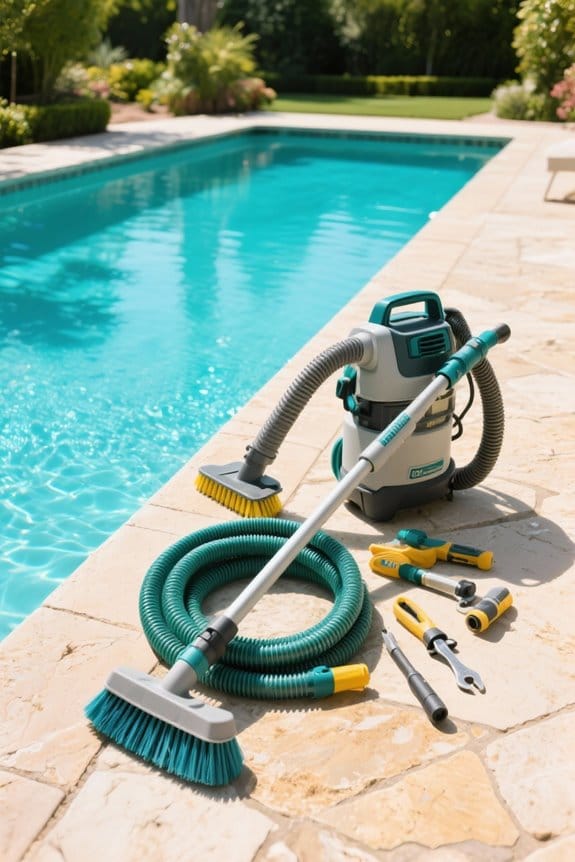
Scrub the pool walls and tile lines thoroughly at least once per week to prevent algae buildup and maintain water clarity. Use a nylon brush for vinyl liners or a stainless-steel brush for plaster surfaces, ensuring the brush matches the pool’s finish. Focus on corners, steps, and areas with poor water circulation where debris accumulation is common. Brushing disrupts algae colonies before they establish, supporting the cleaning routine’s overall effectiveness. Combine brushing efforts with proper water chemistry adjustments and consistent filtration operation to enhance surface longevity and cleanliness. Neglecting this task can lead to stubborn algae patches and compromised water clarity. Maintain a steady schedule, increasing brushing frequency during high-use periods, to keep the pool walls and tile lines free of biofilm, promoting a safer, visually appealing swimming environment. Additionally, utilizing a pool vacuum with smart 3D navigation can help target these areas efficiently during cleaning.
Recommended Products

4th-Gen AI Vision & LiDAR Navigation: The Brain of Pool Cleaning. Experience the future with the industry’s first dual-intelligence system. The CHASING L1 Ultra uses 360° rotating LiDAR and AI visual recognition to map your pool in real-time. It doesn't just move; it detecting debris like leaves and sand to adjust its path for a precision clean that leaves no corner untouched.

For In-ground Pools: Designed for all in-ground pools, the swimming pool vacuum robot adapts to any size, shape, and style, ensuring thorough cleaning of floors, walls, steps, and waterlines.

[HOME POOL TABLE WITH ACCESSORIES] Tournament-size 7FT surface (84"L x 46.5"W) with regulation 32.7" height. Premium HDF playing bed + solid wood frame ensures true ball roll and lasting durability.
Vacuuming the Pool Floor
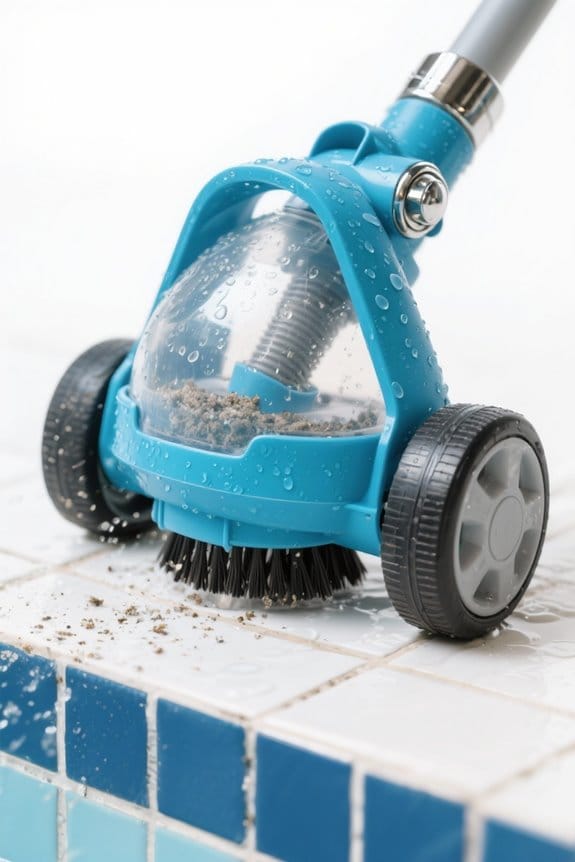
When vacuuming the pool floor, begin by inspecting and cleaning the filter to confirm maximum suction power, which prevents poor debris pickup. Use automatic pool cleaners for consistent, hands-free operation or choose manual vacuuming for targeted control. Perform regular maintenance at least once a week, adjusting frequency based on pool usage and environmental debris. During manual vacuuming, keep the vacuum head firmly on the pool floor, moving slowly and steadily to avoid stirring debris into the water. Verify the filter remains clean and functional throughout the process to maintain effective vacuuming. Removing settled dirt and debris regularly improves water quality and keeps the pool inviting. Consistent adherence to these steps extends pool cleanliness and reduces strain on equipment, preserving long-term performance. Additionally, regularly testing pool water chemistry with liquid pool test kits ensures balanced water conditions that help maintain cleaner surfaces.
Recommended Products

Automatic Filter Cleaning — Industry-first cleaning station automatically rinses the filter and empties the debris bin by itself in just 3 minutes — for hands-free maintenance.Note: The cleaning station and robot are shipped separately.
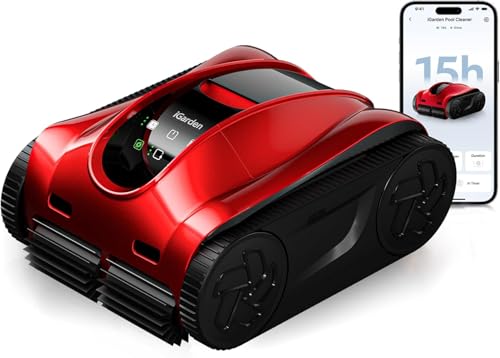
Unrivaled 15H Battery & 21-Day Cycle: Powered by industry-leading battery tech, enjoy up to 15 hours of continuous floor cleaning or 8.5 hours of full-pool deep cleaning. Maintain a spotless pool for up to 21 days on a single charge, perfect for busy homeowners.

With the Dolphin Wave 90i commercial robotic pool vacuum cleaner, schedule your pool cleanings from anywhere with always connected Wi-Fi. The Dolphin Wave 90i includes powerful wall climbing capabilities to clean the floor and walls of your pool with its dual active scrubbing brushes. Easily move and store your Dolphin with the included Caddy.
Testing Water Chemistry Regularly
Shift focus from vacuuming debris to analyzing pool water composition by collecting samples with a clean container at mid-depth, away from circulation jets. Begin testing water chemistry at least once or twice weekly, measuring pH levels to maintain a balanced range of 7.2 to 7.8. Check free chlorine levels to guarantee they stay above 1 ppm, which helps prevent algae and maintains safe swimming conditions. Measure total alkalinity weekly, keeping it between 80 and 120 ppm to stabilize pH fluctuations. Verify calcium hardness within 200 to 400 ppm to avoid plaster damage or scaling. Integrate these tests into the maintenance routine to sustain ideal water quality, guarantee balanced water chemistry, and prevent common issues. Regular testing preserves pool cleanliness and reduces costly repairs. Additionally, using durable pool equipment such as a heavy-duty backwash hose can improve maintenance efficiency and water management.
Cleaning Skimmer Baskets
Prioritize cleaning skimmer baskets weekly to maintain ideal water circulation and prevent filtration clogs. Start by lifting the skimmer basket carefully, then remove accumulated debris such as leaves, hair, and insects to avoid a clogged skimmer basket. Rinse the basket thoroughly with a hose to verify all fine particles are removed. Inspect skimmer baskets for cracks or damage during debris removal to optimize performance and pool cleaner efficiency. Regular weekly maintenance helps reduce strain on pump motors and extends pool equipment lifespan by preventing blockages that limit water flow by up to 50%. Consistent cleaning skimmer baskets not only sustains proper water circulation but also supports overall system function. During heavy debris seasons, increase cleaning frequency to verify debris does not accumulate excessively and impair performance. Using a skimmer basket with a 150-micron filtration system enhances debris capture effectiveness and reduces clogging.
Recommended Products

【Ultrasonic Smart Navigation & 4-Zone Cleaning】The pool cleaner robot uses advanced ultrasonic sensors to intelligently plan its cleaning path. It thoroughly cleans all four zones — floor, walls, waterline, and surface — applying an H-pattern on walls and an S-pattern on floors, leaving every inch spotless.

200 Minute Ultra Long Battery Life - The Chasing hydro 3 robotic pool cleaner is equipped with a large 11000mAh battery, which can work continuously for 200 minutes without rest, and is at a leading level in the industry

24/7 Performance: With sufficient sunlight, the Aiper EcoSurfer S2 Robotic Solar Pool Skimmer's solar charging ensures 24/7 cleaning. On cloudy days, a single charge via the DC adapter can keep your skimmer running for up to 35 hours
Cleaning Pump Baskets
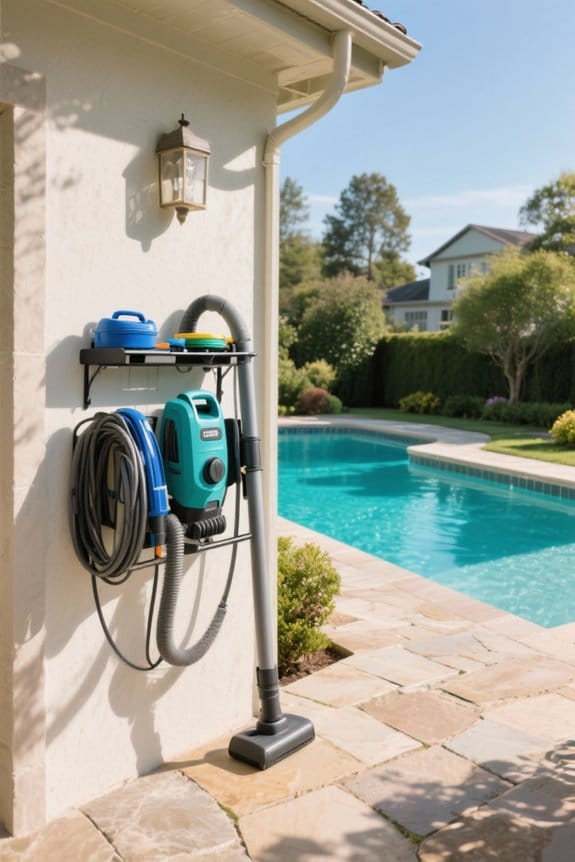
Inspect the pump basket weekly to prevent debris from damaging the pump’s impeller and motor components. Start by turning off the pool pump, then remove the pump basket lid carefully. Lift out the basket and discard accumulated debris, taking care not to scatter fine particles. Use a hose to rinse the mesh thoroughly, clearing clogs that reduce flow rates and impede effective water circulation. A clogged pump basket forces the pool pump to work harder, decreasing lifespan and increasing energy consumption. After cleaning, inspect the basket for cracks or wear, then reseat it properly before securing the lid. Regular maintenance of pump baskets maintains peak flow rates and prolongs pool pump life, avoiding unnecessary repairs and maintaining steady, efficient performance. Additionally, proper storage of pool vacuum hoses in a cool, dry place helps prevent damage and further supports efficient cleaning with kink-free flexible hoses.
Recommended Products

Build Your Dream Pond - 20' x 20' liner approximately builds a 16 ft. x 16 ft. 2,800-gallon water garden or fish pond at a 1.5 ft. depth. Finished pond length, width, and depth can be tailored to your specific requirements.

This kit maximizes quality and affordability. 20' x 20' Pond Kit can build an 16' x 16' (2,900 gallon) fishpond or water garden at a 1.5' depth. Finished pond length, width, and depth can be tailored to your specific requirements.

Build Your Dream Pond - 15' x 20' Pond Kit can build a 11' x 16' 1,900-gallon water garden or fish pond at a 1.5' depth. Finished pond length, width, and depth can be tailored to your specific requirements.
Inspecting the Filter System
Although it may seem routine, regularly checking the filter system pressure gauge is critical; maintain the reading between 8 and 15 psi for ideal filtration. Inspect the filter system frequently, clean or replace filters when the pressure rises 8-10 psi above normal to maintain efficient filtration and preserve water clarity. Examine the filtration system for leaks or visible damage, including hoses and connections, and promptly repair any issues to avoid water loss. Verify pool cleaner compatibility with your filtration type—cartridge, sand, or DE filters—to guarantee peak performance. Conduct annual inspections on critical components like O-rings and seals, replacing worn parts to prevent malfunctions. Use these steps consistently to keep the filter system operating effectively, extending equipment life and sustaining clear, safe swimming conditions throughout the season. Additionally, consider using durable pool pump union fittings to ensure leak-proof connections and maintain system integrity.
Checking Automatic Pool Cleaner Components
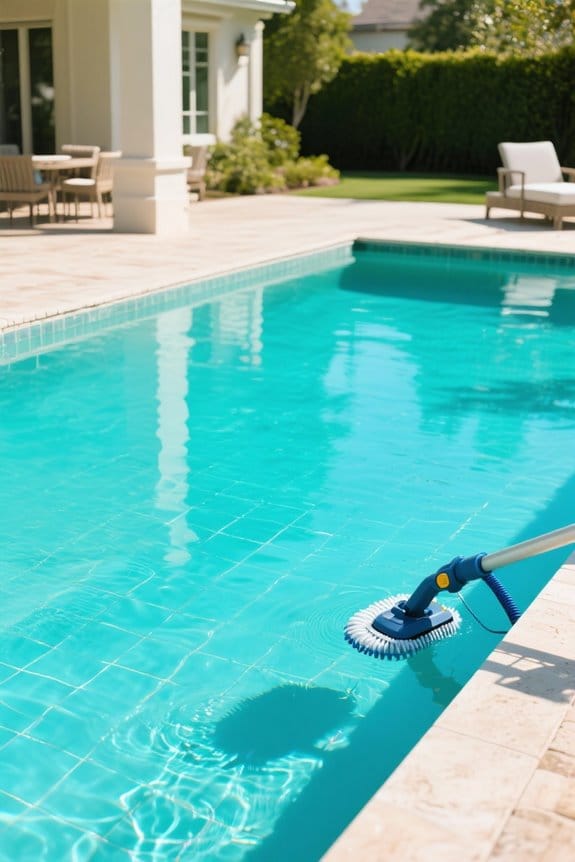
Several key components require routine evaluation to maintain an automatic pool cleaner’s efficiency. Inspect hoses closely for cracks or leaks, replacing any damaged sections to preserve suction power. Examine wheels and brushes for wear; worn parts reduce cleaning performance and should be swapped promptly. Clean or replace the internal filter following manufacturer recommendations to prevent clogs and maintain flow. Check suction by inspecting skimmer and pump baskets; clear all debris to guarantee peak water movement. Test the power supply regularly to avoid interruptions that stall cleaning cycles. Additionally, utilizing models with tool-free filter cleanup can significantly reduce maintenance effort. Together, these maintenance steps keep the automatic pool cleaner functioning reliably, extending its service life and improving pool hygiene. Adhering to this routine prevents common failures and reduces costly repairs, ensuring consistent, efficient pool care.
Frequently Asked Questions
What Are the Basics of Pool Maintenance?
Pool maintenance essentials include monitoring pool chemistry for pH balance, skimming debris, vacuuming the floor, filter cleaning, ensuring water circulation, algae removal, routine inspections, and implementing safety measures to maintain healthy, clear pool water.
What Are the Duties of a Pool Cleaner?
Pool cleaner responsibilities include routine cleaning tasks such as debris removal, skimming surfaces, and vacuuming floors. They also perform chemical balancing, equipment upkeep, inspecting pumps, monitoring water levels, and applying algae prevention techniques to maintain pool health.
What Are the Three C’s of Pool Cleaning?
The three C’s of pool cleaning are Circulation, Chemistry, and Cleaning. They involve water filtration, chemical balance, and algae prevention. Equipment inspection, skimmer usage, vacuum techniques, tile cleaning, leaf removal, maintenance checklist, and seasonal preparation support these essentials.
What Is a Good Pool Maintenance Schedule?
A good pool maintenance schedule hinges on seasonal maintenance with a detailed checklist: pool cleaning frequency daily for debris removal, weekly chemical testing and pH balancing, monthly equipment inspection, filter cleaning, algae prevention, and monitoring water temperature to safeguard health.