As an Amazon Associate, we earn from qualifying purchases. Some links on this site are affiliate links at no extra cost to you. Our recommendations are based on thorough research and editorial judgment.

Myths About Pool Vacuums Debunked

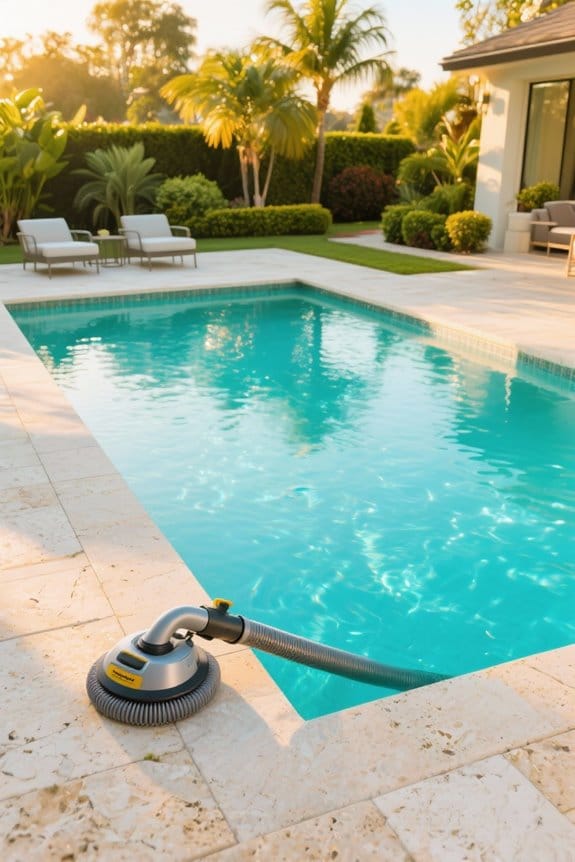
Dispel myths by combining vacuuming with weekly brushing using a nylon brush to remove algae and scale effectively. Do not rely solely on suction power; balance it to prevent filtration overload and improve maneuverability. Maintain vacuums regularly by inspecting hoses, clearing filters, and emptying debris canisters. Recognize that skimmers remove only surface debris, requiring vacuuming for floor cleaning. Match vacuum types to pool shape and debris for peak performance. Following these steps guarantees efficient cleaning—further insights clarify advanced maintenance techniques.
Key Takeaways
- Vacuuming alone cannot fully clean the pool; brushing is necessary to remove algae and scale effectively.
- Skimming removes surface debris but cannot replace vacuuming for cleaning the pool floor.
- Pool vacuums require regular maintenance, including checking hoses, brushes, and filters for optimal performance.
- Higher suction power does not always mean better cleaning; balance and design impact efficiency.
- Automatic vacuums may struggle with complex pool shapes and cannot fully replace manual brushing.
Vacuuming Alone Ensures a Clean Pool
You may be interested
Although vacuuming is indispensable for removing debris settled on the pool floor, do not rely on it exclusively. Maintain proper pool care by combining vacuuming with regular brushing, targeting walls and steps to dislodge algae growth and scale buildup. Brush all surfaces weekly using a nylon brush, adjusting pressure on delicate finishes. Vacuum thoroughly afterward to capture loosened particles, ensuring effective cleaning. Monitor chemical balance meticulously, testing at least once a week; vacuuming alone does not regulate water chemistry. Address imbalances promptly to prevent algae proliferation and surface damage. Incorporate skimming to remove floating debris, supplementing vacuuming efforts. For ideal pool maintenance, develop a cleaning schedule that includes vacuuming, brushing, skimming, and chemical testing. This holistic approach safeguards water clarity, supports sanitation, and extends pool longevity—key factors in successful pool care. Additionally, selecting a vacuum with a suitable filter bag capacity is essential to handle heavy debris efficiently during cleaning.
Skimming Removes All Debris Effectively
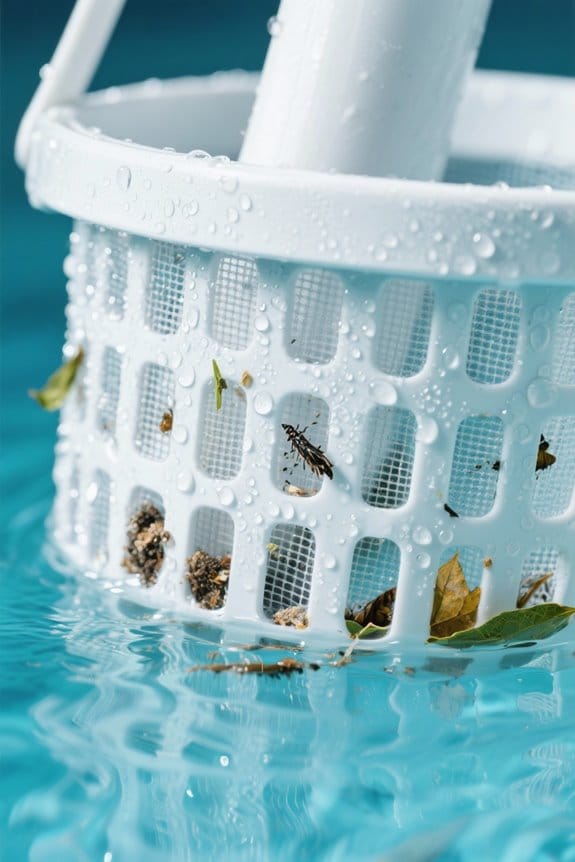
When maintaining a pool, rely on skimming primarily for removing floating debris like leaves and dust that accumulate on the water’s surface. Skimming efficiently and quickly clears about 70-80% of this debris but cannot reach the pool floor or corners where settled dirt and algae collect. Combine skimming and vacuuming for thorough pool maintenance, ensuring a clean and safe swimming environment. Instruct pool owners to perform skimming regularly to reduce the amount of debris sinking below, but remind them this won’t replace vacuuming. Address common myths about pool cleaning by emphasizing vacuuming’s role in removing fine particles that skimmers miss. Use powerful vacuums to maintain a clean and safe pool, tackling all debris layers for ideal water quality and overall pool health. Modern robotic pool cleaners use Smart Navigation technology to efficiently clean every corner and surface, enhancing overall pool maintenance.
Recommended Products
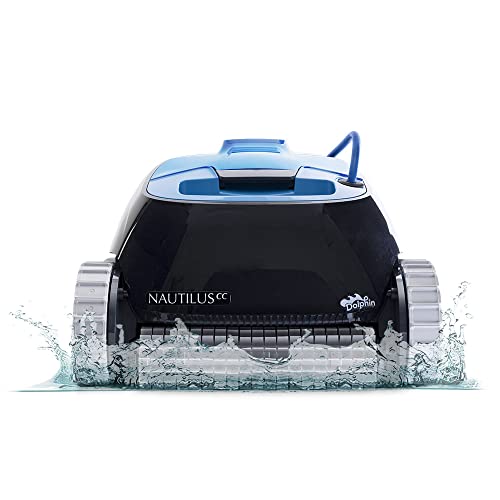
WALL-SCRUBBING POWER: Dolphin Nautilus CC climbs walls efficiently, ensuring thorough cleaning on any pool surface, no matter the shape or surface type.

Comprehensive Pool Cleaning: Designed specifically for inground pools, the wireless smart pool cleaning robot delivers comprehensive 4-in-1 coverage, clean the pool floor, walls, waterline, and steps. Powered by a triple-motor system, it boasts powerful climbing capabilities—effortlessly navigating slopes of up to 45°— smoothly maneuvers around obstacles

Multiple Cleaning Modes: the swimming pool vacuum cleaner with floor cleaning, wall cleaning and automatic cleaning mode; track structure, it can overcome obstacles, such as drain valves at the bottom of swimming pools, slopes, etc
Pool Vacuums Do Not Need Regular Maintenance
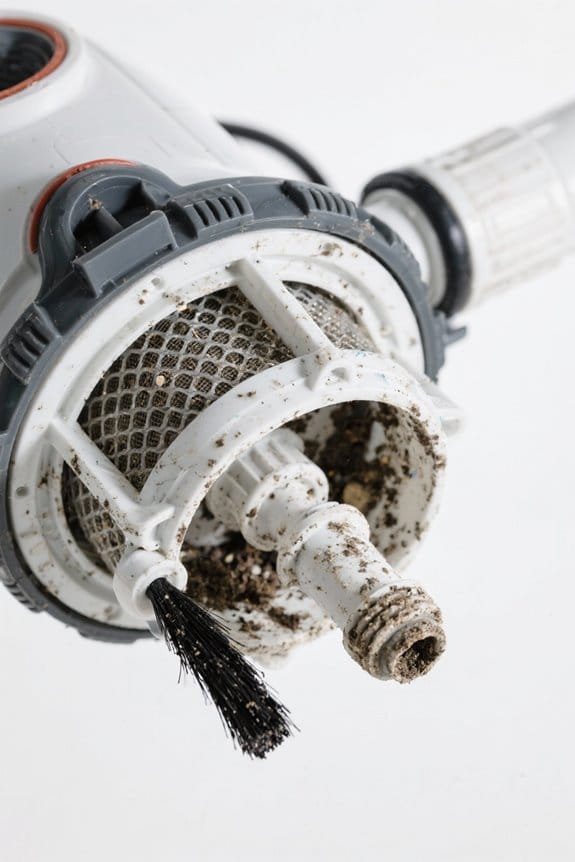
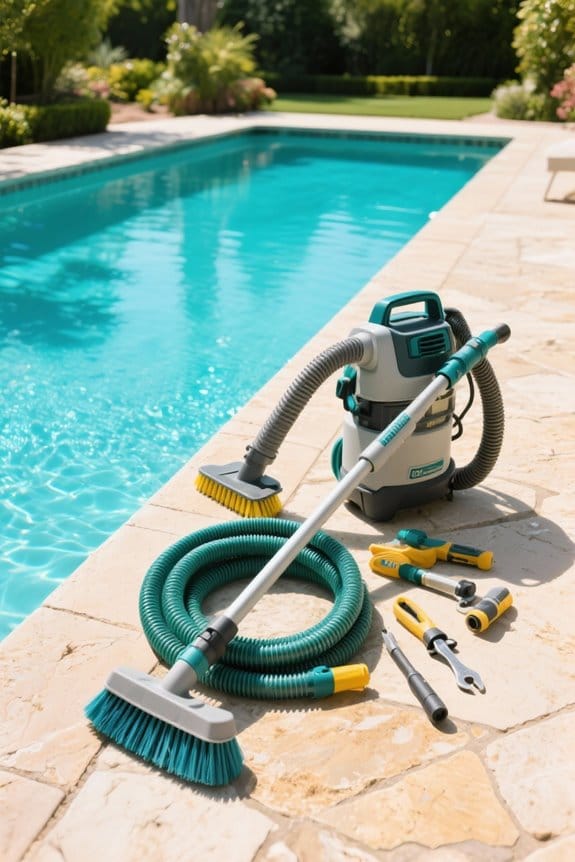
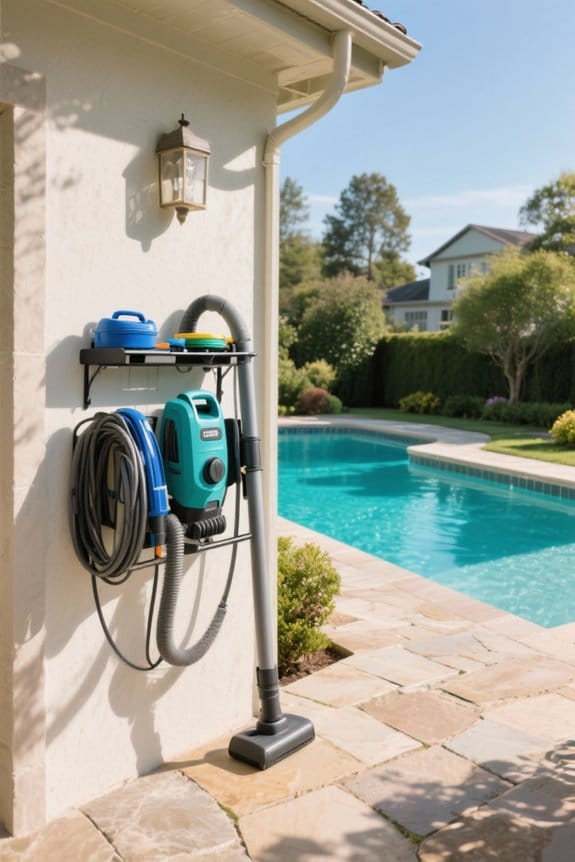
Skimming alone cannot replace vacuuming, and maintaining pool vacuums regularly keeps them operating efficiently. Perform routine pool maintenance by inspecting hoses, brushes, and wheels for wear. Clear debris from vacuum bags or canisters after each cleaning session to prevent clogs. Check filters often, clean them thoroughly, and replace worn parts promptly to sustain maximum performance. Neglecting these tasks reduces suction power, resulting in incomplete debris removal even if the water looks clear. Follow the manufacturer’s guidelines closely for specific schedules and parts replacement. Regular maintenance avoids costly repairs and extends your vacuum’s lifespan, ensuring every cleaning session is effective. Consistent upkeep guarantees pool vacuums operate at peak condition, removing both visible and hidden debris efficiently to maintain sparkling clean water. Additionally, paying attention to suction power specifications will help ensure your vacuum cleans concrete pool surfaces effectively.
Recommended Products


【Compatibility】ChangTa sp1106 skim vacuum plate adapter compatible with Hayward pool skimmer models SP1082, SP1084, SP1085, and SP1075 pool in-ground skim vac

2 Sturdy vacuum head replacement with butterfly V clips & locking pins. EZ clips
More Suction Power Always Means Better Cleaning
While higher suction power might seem like the best choice, evaluate how it impacts maneuverability and debris pickup in all pool areas. Excessive suction power can hinder navigation, reduce cleaning efficiency in tight corners, and overwhelm filtration systems, causing frequent clogs and increased maintenance. Prioritize vacuum and brush designs combined with effective cleaning algorithms to guarantee balanced suction and thorough debris capture. Implement pool technology compatible with your vacuum’s filtration capacity to avoid system strain. Opt for devices emphasizing efficient cleaning over raw suction power, targeting varied debris sizes and pool surfaces. Debunked misconceptions about suction power clarify that more force does not guarantee superior results. Instead, achieve peak cleaning by calibrating suction strength, integrating adaptive algorithms, and maintaining your filtration system regularly for sustained performance. For example, models with smart 3D navigation optimize cleaning routes for better coverage without relying solely on suction power.
Recommended Products

Compatibility: Our 12.6 V Automatic Pool Cleaner Replacement Parts Charger fits for Aiper Seagull 600 800 800B SE 1000 1500 P1111 HJ1103J for AIPURY1000 Cordless Automatic Robotic Pool Vacuum Cleaner power cord (Our charger is not compatible with all models of Aiper Seagull brand Pool Vacuums. It only fits for the models listed above. If your pool vacuum model is not listed, it is not compatible. Please verify your pool vacuum model before order)

Home Pool Helper: When you have cordless pool vacuum robot and you will Say goodbye to cord hassles. our pool cleaner use Sonar Navigation, intelligent path planning, comprehensive cleaning your pool; it Lasts up to 180 minutes and cleaning area reaches up to 2150 sq ft (200 m²)

Perfect Compatibility – Works with Aiper Seagull 600/800/800B/SE/1000/1500/P1111, HJ1103J, AIPURY 1000 and more cordless robotic pool vacuums. Please confirm your model before purchase
Pool Vacuums Can Replace Brushing Entirely
Avoid relying solely on pool vacuums for maintaining clean surfaces. Pool vacuums, including pool cleaning robots, excel at removing settled debris but cannot reach algae and scale buildup on the pool surface or in corners. Incorporate weekly brushing to dislodge algae and dirt, improving sanitizer action in the water. Use a nylon brush for concrete pools or a softer brush for vinyl liners, applying firm, consistent strokes on walls and steps. This process enhances water circulation, ensuring chemicals distribute evenly throughout the pool. Combine vacuuming after brushing to remove loosened debris effectively. Ignoring brushing leads to algae accumulation and uneven chemical balance, hindering pool maintenance efforts. Remember, brushing complements, not replaces, pool cleaning robots or vacuums, for a fully clean and healthy pool environment. Additionally, maintaining proper water chemistry is essential to prevent algae growth and support effective cleaning.
Recommended Products

SMALL DETAIL BRUSH FOR TARGETED CLEANING: Compact 5-inch head is designed for precision cleaning in corners, steps, tile lines, and tight areas; not intended as a full-size pool wall brush

20 Inch Larger Size: This upgraded pool brush is 20 inch long which provides a wider cleaning path, allowing for efficient and quick cleaning of your pool's surfaces. With its generous size, it enables you to cover a larger area with each stroke, reducing the time and effort required to clean your pool

The brush features a reinforced aluminum alloy metal structure that is not only sturdy and durable but also lightweight at only 0.8 pounds, making it effortless to use while withstanding rigorous scrubbing during pool cleaning
Automatic Pool Vacuums Work Perfectly in Every Pool Condition
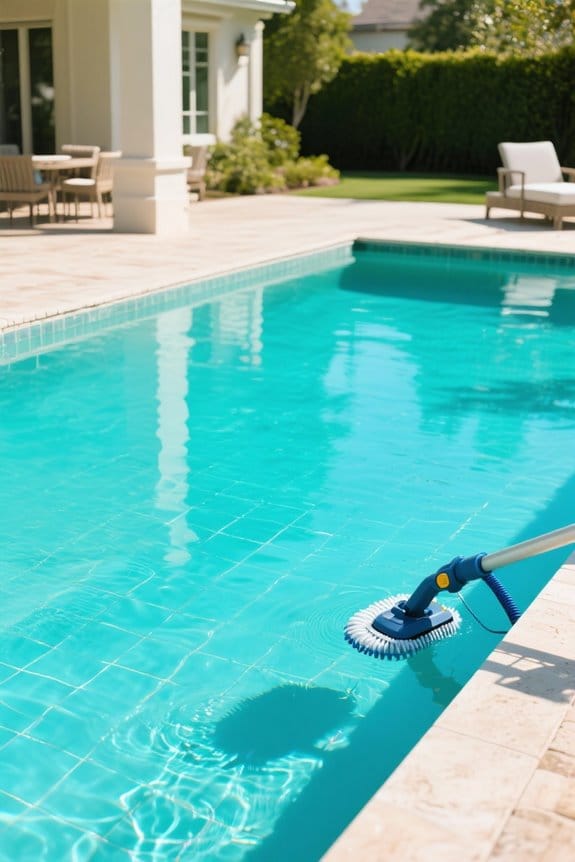
How effective are automatic pool vacuums across varying pool conditions? Evaluate your pool’s shape and unique features first, as many automatic pool cleaners struggle with irregular layouts due to limited navigation algorithms. Assess the predominant debris type; vacuums adjusted for fine particles may lack suction for heavy leaf accumulation, reducing cleaning efficiency. Match the cleaner to your pool surfaces, choosing models with enhanced brushes for textured or rough finishes to guarantee effective performance. Consider pool size and depth when selecting machines with sufficient coverage capabilities and longer cleaning cycles to avoid missed spots. Incorporate intelligent mapping vacuums if extensive coverage results are critical. For ideal pool maintenance, combine automatic cleaners with manual brushing to address any limitations and achieve a thorough, consistent clean across all conditions. Additionally, regular maintenance and inspection of the vacuum’s components are essential to ensure optimal performance and durability.
Recommended Products
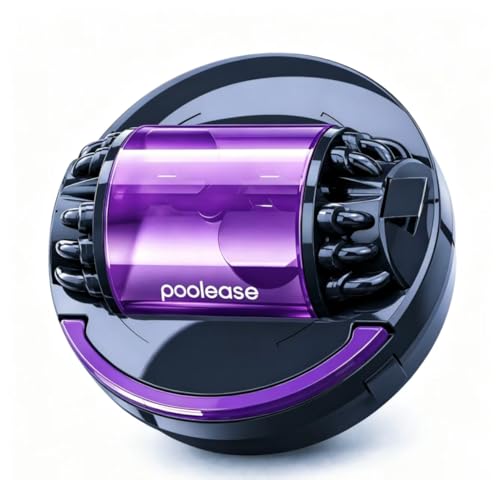
Strong Dual-Motor Suction System: The innovative dual-motor design, the Poolease robotic pool cleaner provides powerful suction while increasing the overall life by 60%. It can easily remove sands and leaves, keep the pool clean, and provide you with a healthier swimming experience.
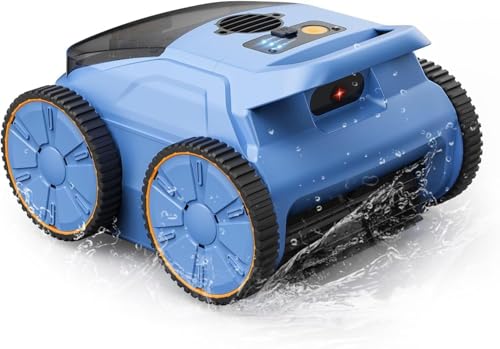
Cordless Robotic Pool Cleaner – Wireless & Intelligent Navigation Tired of wired hassle and manual pool cleaning? This robotic pool cleaner works perfectly for above ground pools, freeing your waist and shoulders from tedious labor. Equipped with premium track drive and sonar navigation, the automatic pool vacuum intelligently maps optimal cleaning routes for full-coverage, hands-free pool maintenance, delivering smart and effortless cleaning all year round.

[Powerful Dual-Suction System] The Zebary C1 Cordless Robotic Pool Cleaner features a high-speed motor and dual-suction ports for deep pool floor cleaning. Delivering powerful suction, this automatic pool vacuum removes leaves, sand, dirt, and fine debris from flat or slightly inclined surfaces (up to 15°). Ideal for above ground and inground pools, the battery-powered design ensures strong, consistent performance. Not intended for wall climbing.
Frequently Asked Questions
Do Pool Vacuums Really Work?
Pool vacuum efficiency varies with automatic versus manual models; the best vacuum types utilize smart navigation. Regular cleaning frequency, adherence to maintenance tips, and awareness of common issues optimize performance while managing energy consumption effectively.
Does a Magic Eraser in the Pool Pump Really Clean the Pool?
The magic eraser effectiveness for pool pump cleaning is a common cleaning misconception. Its product durability is poor in pumps, risking clogging. Pool care myths suggest DIY cleaning solutions, but proper pool maintenance tips recommend specialized methods for safety.
Why Doesn’t the Pool Vacuum Work?
Pool vacuum issues often stem from suction problems caused by filter clogs, hose tangles, or debris obstruction. Equipment malfunction may also contribute. Regular maintenance tips include cleaning filters, checking hoses, and ensuring proper pool water levels for peak performance.
What Are the 3 C’s of Pool Cleaning?
The 3 C’s of pool cleaning are circulation, chemistry, and cleaning. Effective pool cleaning methods involve selecting vacuum types based on debris types, applying proper cleaning techniques, maintaining pool chemistry, and adhering to recommended maintenance frequency and user tips.