As an Amazon Associate, we earn from qualifying purchases. Some links on this site are affiliate links at no extra cost to you. Our recommendations are based on thorough research and editorial judgment.

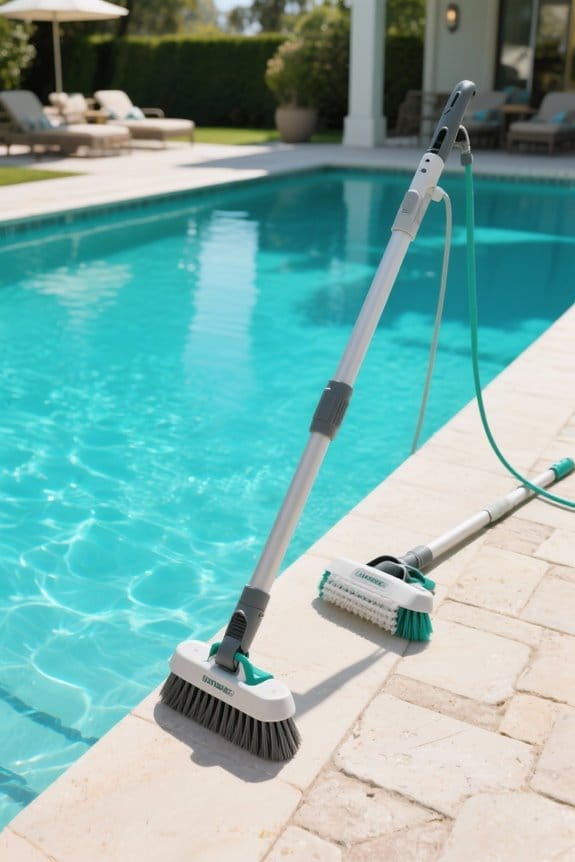
When to Replace Your Pool Cleaner Brushes

Inspect pool cleaner brushes every 12 to 18 months for residential pools, shortening intervals to 6 to 12 months if usage is heavy or chemical exposure is high. Replace brushes when bristles flatten or fall out, frames crack, handles loosen, or cleaning efficiency drops, especially in corners. For commercial pools, perform inspections every 3 to 6 months and opt for saltwater-compatible brushes in saline environments. Store brushes out of sunlight and clean them after use to prolong life. Keep following to understand detailed maintenance and replacement guidance.
Key Takeaways
- Replace pool cleaner brushes every 12–18 months for light residential pools, or every 6–12 months for heavily used pools.
- Inspect brushes every 3–6 months for commercial pools and replace immediately if bristles are flattened or missing.
- Replace brushes if the wear indicator line disappears or if the brush head is cracked or handle is loose.
- Saltwater pools require more frequent brush inspection and replacement with salt-compatible brushes to avoid premature damage.
- Store and maintain brushes properly by cleaning after use and avoiding direct sunlight to extend their lifespan.
Why Regular Replacement of Pool Cleaner Brushes Is Crucial
You may be interested
Although pool cleaner brushes may seem like minor components, replace them regularly to preserve cleaning efficiency and protect pool surfaces. Inspect pool brushes every 12–18 months in residential settings, shorten intervals for commercial or heavily used pools. Monitor bristle condition closely; bent or missing bristles reduce cleaning power and increase chemical demand. Examine frames for cracks or weakness, as damaged structures can scratch pool surfaces and harm equipment longevity. Act promptly once signs its time become apparent—waiting risks poor hygiene and costly repairs. To replace your pool brushes, detach the cleaner’s worn brushes carefully, match new brushes for size and bristle stiffness, then install securely to maintain ideal contact with pool surfaces. This routine safeguards water quality and extends the cleaner’s operational lifespan efficiently. For best results, consider selecting brushes with an ergonomic design to reduce strain during prolonged use.
Common Signs Indicating Brush Wear and Damage
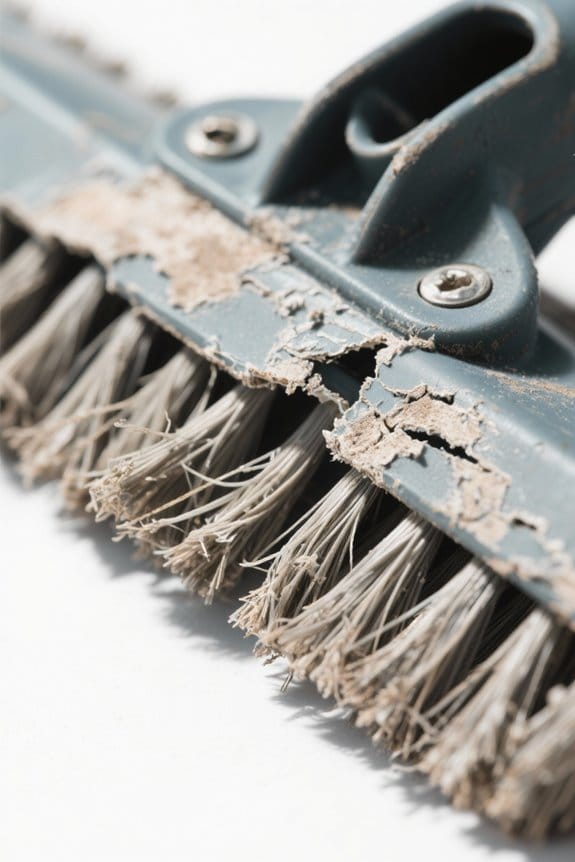
Pay close attention to visual and functional signs that indicate pool cleaner brushes require replacement. Inspect the pool brush for flattened, missing, or deteriorating bristles—these are clear signs of wear reducing cleaning efficiency. Check for cracks in the brush head or a loose handle connection; such damage means the brush needs to be replaced to avoid further failure. Observe if the wear indicator line disappears after spinning cleaner wheels—this signals the pool brush has reached its limit. Note increased difficulty cleaning pool corners or surfaces, which often reflects worn-out brushes needing replacement. Regularly conduct these inspections to maintain peak performance, and replace the brushes immediately if any signs of wear or structural damage are found, ensuring thorough debris and algae removal with less effort. Additionally, selecting a pool cleaner with advanced filtration system helps maintain clearer water while reducing strain on the brushes.
Recommended Products

【2024 Newest Deluxe Design Upgrade】High-end and Elegant appearance & Premium Texture ,Fine process makes it show a sense of modernity and more beautiful. Compared with the most pool brush, will give you a perfect and incredible experience.

Fit most pool leaf vacuum / eater / gulper including Poolmaster, Pentair, and other aftermartet brand

The hemispherical bristles allow you to easily clean the corners of your pool
How Frequent Pool Use and Chemicals Affect Brush Lifespan
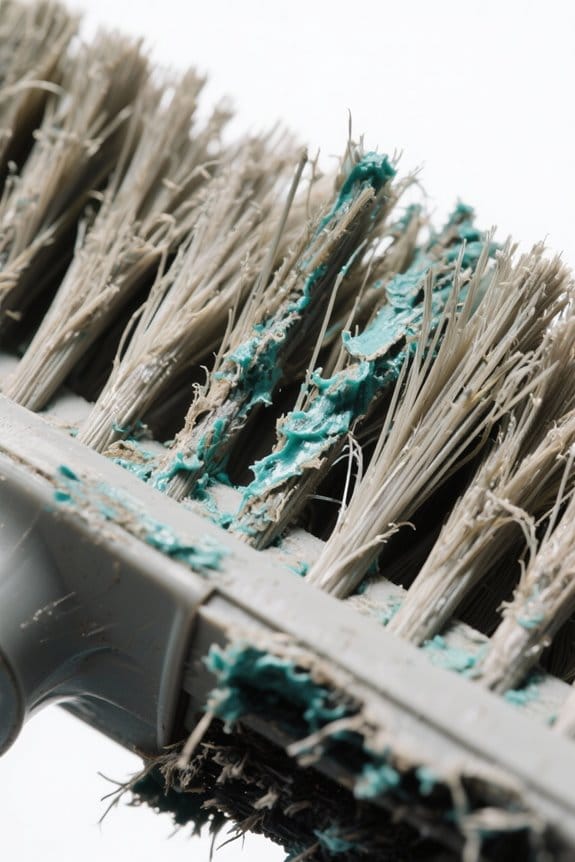
Consider the frequency of pool use as a primary factor in brush wear and replacement timing. For heavily used residential pools, replace the brush every 6 to 12 months; in commercial or condo pools, do so every 3 to 6 months. Monitor chemical exposure closely, as chlorine and other pool chemicals degrade brush materials and reduce cleaning effectiveness. Pool owners must inspect brushes regularly, especially in hot, humid climates like Miami-Dade, where chemical corrosion accelerates wear. Maintain proper chemical balance consistently, since unbalanced water not only damages brushes but also undermines water quality. Check for signs of bristle thinning or stiffness during inspections every 3 to 6 months. Replace brushes promptly when wear impairs cleaning to guarantee maintenance efficiency and prolong pool equipment life. Additionally, understanding the cleaning surface types compatible with your pool cleaner can help extend brush longevity and improve overall cleaning performance.
Recommended Replacement Intervals for Different Pool Types
Set replacement intervals based on pool type, usage frequency, and environmental conditions. For light residential pools, replace the brush head every 12 to 18 months to maintain effective cleaning. Increase frequency for heavily used residential pools, changing brushes every 6 to 12 months due to accelerated wear. Commercial pools and condo setups demand replacements every 3 to 6 months, given higher chemical exposure and debris loads. In saltwater pools, inspect brush heads more often, opting for salt-compatible variants to avoid premature failure. Schedule routine inspections every 3 to 6 months, especially in hot, humid climates, to determine if it’s time to replace worn brushes. Adhering to these intervals guarantees consistent pool care performance, prevents missed debris, and preserves cleaner efficiency, avoiding costly premature equipment replacements. Additionally, good maintenance practices, such as regularly checking for wear or clogging on vacuum components, help sustain optimal pool cleaning results.
Best Practices for Maintaining and Storing Pool Brushes
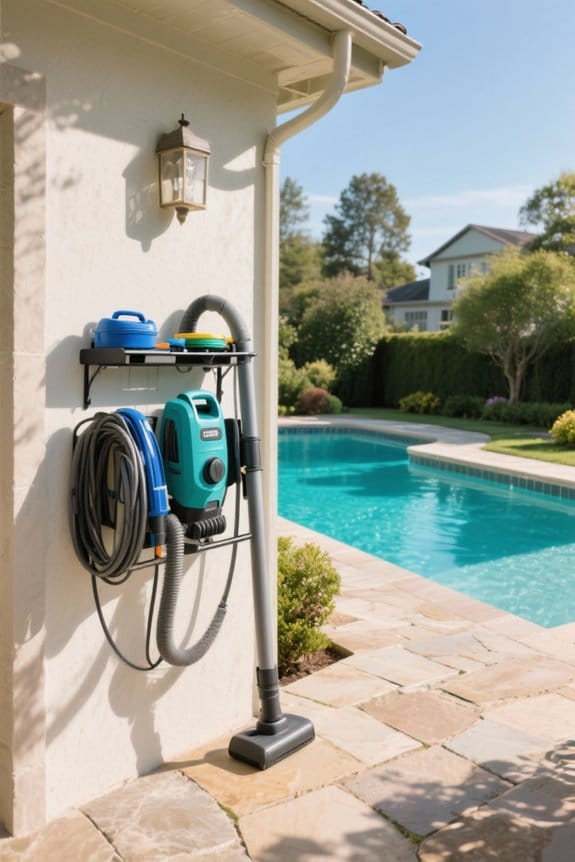
Extend the lifespan of pool brushes by storing them away from direct sunlight, preventing UV-induced bristle deterioration. Clean brushes thoroughly after each use to remove chlorine, algae, and debris, avoiding chemical damage over time. Hang brushes on hooks instead of placing them on hard surfaces, preserving bristle shape and frame stability. Inspect pool equipment regularly for bent or missing bristles that reduce cleaning efficiency and may scratch pool surfaces. Choose brushes compatible with your pool type, especially in saltwater environments, to minimize premature wear. Address accumulation of algae and debris promptly to avoid excessive scrubbing, which can wear bristles quickly. Follow these maintenance steps consistently, allocating time weekly or after heavy use, ensuring brushes remain effective and extend their service life while protecting pool surfaces. For optimal results, consider using a dual-layer filtration system in your pool vacuum to reduce debris buildup on brushes and prolong their use.
Expert Tips for Choosing and Replacing Your Pool Cleaner Brushes
Although pool cleaner brushes can often appear functional despite wear, regularly inspect bristle integrity by checking for bending, fraying, or missing sections. Replace brushes immediately if bristles lose firmness or if the wear indicator on your robotic pool cleaner disappears, signaling diminished efficiency. Choose replacement brushes compatible with your cleaner model; consult Polaris dealers for options tailored to your swimming environment and pool type. Account for seasonal factors like UV exposure or chemical treatments that accelerate wear, prompting more frequent replacement. Remove old brushes carefully, aligning new ones precisely to maintain ideal contact with pool surfaces. Follow the manufacturer’s torque specifications to avoid damaging brush mounts. Completing these steps guarantees effective debris removal and prolongs pool surface life, preserving your swimming environment’s cleanliness and hygiene without unnecessary downtime or costly repairs. Additionally, maintaining your robotic pool cleaner’s brushes and components regularly can contribute significantly to its overall energy efficiency.
Frequently Asked Questions
How Long Do Pool Brushes Last?
Pool brushes typically last 6 to 18 months depending on brush material types and usage. Cleaning efficiency comparison shows synthetic bristles outperform natural fibers. Maintenance tips include regular inspections and avoiding high UV exposure to extend lifespan.
How Do You Know When to Replace Brushes?
How does one measure wear and tear before cleaning effectiveness declines? When brush materials show bent bristles, missing parts, or structural weakness, replacement is necessary to maintain ideal pool cleanliness and prevent damage from ineffective scrubbing.
What Is the Life Expectancy of a Pool Cleaner?
The life expectancy of a pool cleaner generally ranges from 3 to 5 years. Pool maintenance tips, brush material types, and cleaner efficiency factors notably influence longevity, with proper care extending operational performance and reducing premature wear.
How Often Should You Replace Cleaning Brushes?
Pool cleaner brushes typically require replacement every 6-18 months, depending on brush material types and cleaning frequency guidelines. Adhering to pool maintenance tips, including regular inspections, guarantees efficient cleaning and prolongs brush lifespan effectively.