As an Amazon Associate, we earn from qualifying purchases. Some links on this site are affiliate links at no extra cost to you. Our recommendations are based on thorough research and editorial judgment.

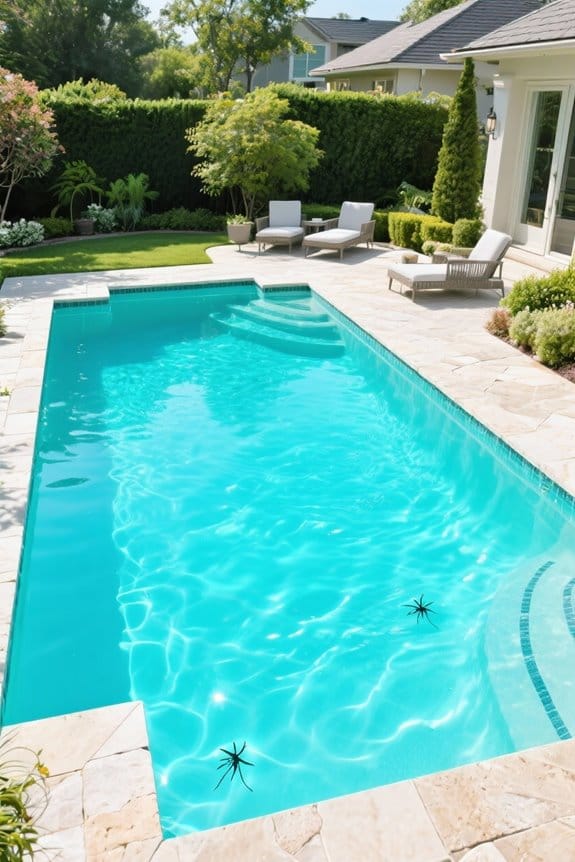
Why Pool Cleaning Reduces Mosquito Risk

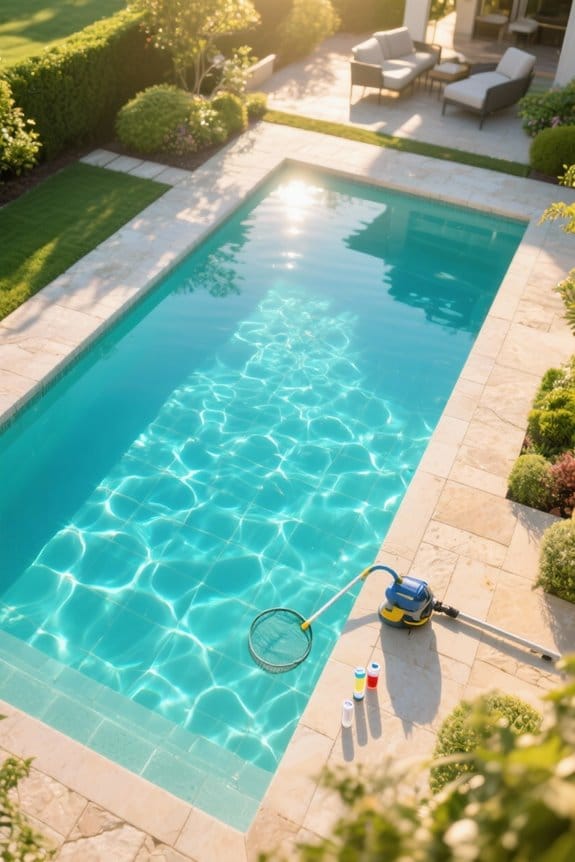
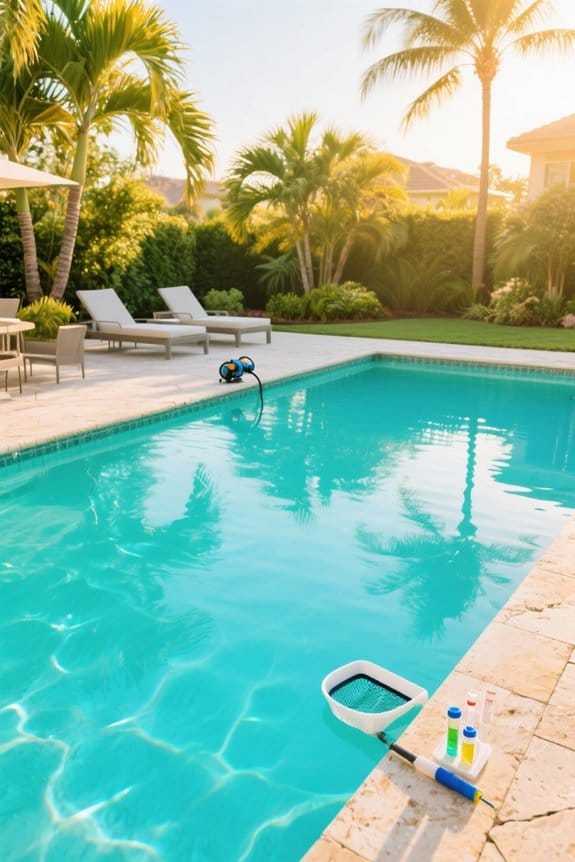
Clean pools regularly by brushing all surfaces and vacuuming debris to prevent stagnant water, a prime mosquito breeding site. Maintain chlorine levels at 1–3 ppm and pH between 7.2 and 7.8 to inhibit larvae growth, run pumps daily for 8–12 hours to guarantee water circulation, and promptly remove algae and organic matter to deny mosquito nutrients. Inspect and service filtration systems frequently to prevent blockages. Following these steps effectively disrupts mosquito breeding cycles; further guidance covers additional control measures.
Key Takeaways
- Regular pool cleaning prevents stagnant water, eliminating ideal mosquito breeding sites for egg laying.
- Maintaining proper chlorine and pH levels inhibits mosquito larvae development in pool water.
- Removing algae and organic debris deprives mosquito larvae of essential nutrients for growth.
- Operating pumps and filtration daily circulates water, reducing mosquito breeding potential.
- Cleaning skimmer baskets and pool surfaces prevents water stagnation and disrupts mosquito life cycles.
The Connection Between Poor Pool Maintenance and Mosquito Breeding
You may be interested
Since stagnant water in poorly maintained pools presents an ideal mosquito breeding environment, inspect the entire pool thoroughly for debris, algae buildup, and clogged filtration systems. Remove leaves and organic matter with a net skimmer, scrub pool walls using a nylon brush to detach algae, and vacuum accumulated sediment from the bottom. Check pumps and filters for proper function; clear blockages in skimmer baskets and backwash sand filters or clean cartridge filters as required. Test chemical levels, maintaining chlorine at 1–3 ppm and pH between 7.2 and 7.8 to inhibit mosquito larvae development. Empty or cover unused pools to prevent water accumulation. Regularly cleaning the pool prevents the stagnant conditions mosquitoes depend on, thereby reducing the risk of infestation and related health issues. Effective pool maintenance keeps the water clean, unfavorable to mosquito proliferation. Using a suitable pool vacuum specifically designed for above ground pools can significantly enhance debris removal and overall pool cleanliness.
How Stagnant Water Encourages Mosquito Egg Laying

Recognize stagnant water as the primary factor encouraging female mosquitoes to lay eggs. Inspect pools regularly, remove any water accumulation greater than one inch, and guarantee proper drainage. Female mosquitoes deposit eggs on the surface of still water, so eliminate any standing water inside pool covers, gutters, or filters. Monitor rainfall collection areas and clean these promptly to disrupt mosquito breeding cycles. Understand that a neglected pool can produce up to 3 million mosquitoes in a month, posing significant public health risk through disease transmission. Use pool skimmers and vacuums to remove debris, preventing stagnant conditions that favor larvae development. Maintain water circulation with pumps and filtration systems to deter egg laying. Implement these steps consistently to reduce mosquito populations effectively in residential pool environments. Using pool vacuums with corrosion-resistant materials designed for saltwater pools can help maintain consistent cleanliness and minimize mosquito habitats.
The Role of Algae and Organic Matter in Mosquito Development
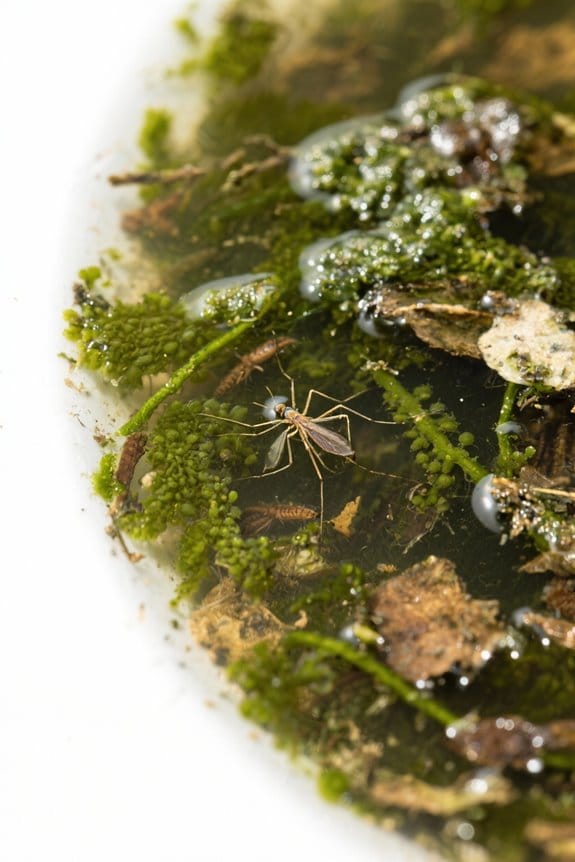
Why is controlling algae and organic matter essential for mosquito management in pools? Remove algae promptly, since it provides nutrients that sustain mosquito larvae, accelerating their growth. Clear organic matter, including leaves and debris, as it encourages female mosquitoes to deposit eggs, creating favorable conditions for larvae survival. Monitor pool water regularly, identify algae presence using a pool brush, and target affected areas with algaecide dosed per manufacturer instructions (typically 1–2 ppm). Extract accumulated organic matter using a leaf skimmer or vacuum, ensuring the entire pool surface and floor are addressed. Address stagnant spots where debris collects, since such conditions support up to 3 million mosquitoes monthly. Regularly inspect filtration systems and clean pool filters to prevent organic buildup, maintaining ideal circulation. These actions considerably disrupt mosquito breeding cycles, reducing public health risks. Additionally, maintaining proper pool equipment with effective sealing components helps prevent leaks and standing water that create mosquito breeding grounds.
Effective Pool Cleaning Techniques to Prevent Mosquito Habitats
Begin by brushing all pool surfaces with a stiff pool brush to dislodge algae and organic debris lodged along walls and the waterline. Next, vacuum the pool floor thoroughly, removing settled dirt that could become a mosquito breeding ground. Operate the filtration system daily for at least 8 hours to maintain water circulation and prevent stagnant zones. Inspect and clean skimmer baskets regularly, ensuring the system remains in a clean and functional state. Adhere to a regular chemical treatment schedule using EPA-approved sanitizers to inhibit larval growth without disrupting pool balance. Remove standing water from pool covers and surrounding areas promptly. Consistent application of these techniques minimizes mosquito habitats effectively, safeguarding pool environments efficiently and reducing the likelihood of infestations. Additionally, selecting the right pool vacuum can enhance cleaning ease and efficiency, helping to prevent debris accumulation where mosquitoes may breed.
Recommended Products

Unstoppable Suction Power with Dual Jet: With 6600 GPH suction and dual jets, Scuba X1 effortlessly cleans fine sand, pebbles, and algae. Its powerful suction beats single-jet competitors, ensuring faster, more efficient pool cleaning.

The HammerHead Remora XR1600 delivers the same suction performance as a standard 21-inch HammerHead vacuum in a lightweight, cordless system weighing only 18 lbs. Ideal for pool technicians, resorts, apartment complexes, and builders who need commercial-level cleaning power without heavy equipment or cords.

For In-ground Pools: Designed for all in-ground pools, the swimming pool vacuum robot adapts to any size, shape, and style, ensuring thorough cleaning of floors, walls, steps, and waterlines.
Chemical Treatments That Disrupt Mosquito Larvae Growth
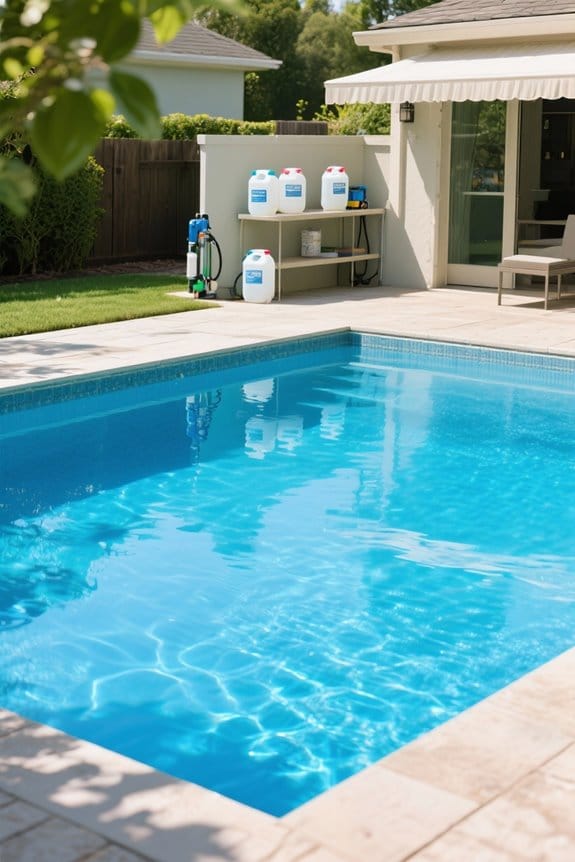
Apply EPA-registered larvicides directly to standing water in pool areas, following label instructions precisely for dosage and frequency. Measure chemicals carefully using a calibrated dosing syringe or cup, then distribute evenly across stagnant pool water surfaces. Combine routine chemical treatments like chlorine to maintain sanitization and enhance mosquito larvae control, ensuring an inhospitable environment for growth. Monitor chemical balances weekly with test strips or digital meters, adjusting treatments to avoid under- or overdosing. Repeat larvicide applications every 30 to 60 days during peak mosquito breeding seasons to inhibit egg development and reduce emerging adult populations. Store chemical agents in cool, dry locations, away from children and pets. Use durable and corrosion-resistant cleaning tools to maintain pool surfaces efficiently, which supports overall pool hygiene and mosquito control. By actively pursuing these chemical control practices, pool owners can greatly reduce mosquito larvae presence, thereby lowering overall mosquito risk around swimming areas.
Recommended Products

Efficiently inhibits algae growth

Helps control the growth of algae

Proudly American-Made: Powerful Algae Prevention by Doheny’s: Algaecide 60 delivers effective, long-lasting protection against all types of algae in any pool. Family-owned and trusted for over 50 years.
The Importance of Pump and Filtration Systems in Mosquito Control
How can a pump and filtration system dramatically reduce mosquito breeding in pools? First, verify the pump runs daily for at least 8–12 hours, maintaining constant water circulation to prevent stagnation where mosquito larvae thrive. Clean or replace the filtration system’s cartridge or sand regularly, removing organic debris that serves as mosquito food. Monitor the pump’s pressure gauge; if it reads above 10 psi, backwash or clean to optimize filtration. Check chemical levels to keep water chemistry balanced, deterring mosquito attraction. Inspect pump seals and valves monthly for leaks or blockages, repairing promptly to maintain flow. Neglecting the pump and filtration system allows pools to become breeding grounds, producing millions of mosquitoes quickly. Maintain these components rigorously, and mosquito risk will sharply decline around your pool area. Using pumps with Hydro Aeration technology can further enhance water circulation and improve pool hygiene, reducing mosquito habitats.
Recommended Products

COMPLETE SETUP - Includes everything you need to start swimming! Slide-lock resin A-frame ladder with barrier in taupe color, Widemouth Skimmer, 25 gauge overlap liner, 3 bags of “Rx Clear” Luster Filter Media and a 16” sand filter system w/ pump.

Kit comes complete with everything you need to build a beautiful ecosystem pond in your yard or landscape

Package Includes:
Risks of Neglected Pools for Public Health
Although pools may appear harmless when neglected, their stagnant water quickly becomes ideal mosquito breeding grounds, producing millions of larvae within weeks. Address neglected swimming pools immediately to prevent the rapid development of up to 3 million mosquitoes monthly, elevating public health risks. Identify defunct pools, drain any standing water within days, and apply larvicides if drainage is not feasible. Use reliable pump and filtration systems to maintain circulation, reducing mosquito-borne diseases like West Nile virus. Monitor pools regularly, inspect for hidden water pockets, and clear debris that impedes water flow. Coordinate with local regulations to guarantee compliance while minimizing community exposure to disease vectors. Neglect fosters mosquito proliferation and burdens health authorities with resource-intensive control efforts—act decisively to mitigate these preventable public health threats today. Maintaining pool cleanliness can be made easier with the use of efficient handheld pool vacuum devices that help remove debris and prevent water stagnation.
District Assistance Programs for Pool Maintenance and Mosquito Control
Contact the District promptly when restoring neglected pools to obtain short-term pesticide treatments lasting up to six months, contingent on ongoing progress toward permanent remediation. Maintain pools clean by removing debris and ensuring no standing water remains, which is essential for effective mosquito control. Utilize District resources to support empty and dry pool upkeep year-round, preventing mosquito breeding habitats. Submit photos or request scheduled inspections up to four times annually to verify compliance, facilitating continued assistance. The District actively monitors over 5,000 improperly maintained pools, reducing public health threats from mosquitoes. Communicate regularly with District officials to report status changes and troubleshoot remediation challenges. Follow recommended procedures strictly, employing appropriate pool covers, drainage, and cleaning equipment to sustain a safe environment and uphold community health standards. Using a hot tub vacuum cleaner regularly can help keep pools free of debris, thereby reducing potential mosquito breeding sites.
Recommended Products

TRANSFORMING OUTDOOR BAR CART: Sleek, modern design functions as a compact storage unit and easily extends into a full serving station, perfect for patios, decks, gardens, and poolside entertaining.

✔ Superior UPF50+ & All-Weather Protection – Crafted from high-density 160g PA-coated polyester fabric, this lean-to awning blocks harmful UV rays to keep your space cool. The water-repellent treatment resists light rain and dries quickly, ensuring your outdoor moments are never ruined by unexpected drizzles.

ENTERTAIN IN STYLE: The TRINITY 100 quart stainless steel beverage cooler is perfect for residential and commercial entertaining needs; Its large capacity, durable construction, and convenient features make it a great drink cooler with wheels
Methods for Confirming Clean Pool Status to the Vector Control District
Submit clear, well-lit photos showcasing the pool’s water condition, ensuring minimal algae and debris presence to avoid misidentification errors. Include the unique confirmation code provided by the Vector Control District in each submission to confirm authenticity accurately. Send up to four photo confirmations annually, especially during the rainy season, to demonstrate ongoing pool cleanliness. Respond within one week of receiving a confirmation request to maintain compliance and aid mosquito control efforts. Focus on capturing images that highlight clear water surfaces with no stagnant areas or visible pollution, which could harbor mosquito larvae. Use a digital camera or smartphone with high resolution, adjusting lighting and angles to avoid shadows or glare. Proper documentation expedites verification, helping reduce mosquitoes by proving the pool’s clean status reliably. Regular maintenance, such as cleaning the pool skimmer basket, is essential to ensure debris removal and maintain water clarity.
Consequences of Empty or Improperly Maintained Pools
Recognize that empty or improperly maintained pools create ideal environments for mosquito breeding, allowing populations to surge up to three million within thirty days. Inspect pools weekly, ensuring no stagnant water remains, as mosquitoes can lay thousands of eggs in days. Use pool skimmers and vacuums to remove debris, and maintain chemical balance to prevent algae growth. Report any leaking or broken equipment promptly. Understand that pools left unattended greatly elevate public health risks, fostering mosquito-borne diseases like West Nile virus and Zika. The District monitors over 5,000 such pools due to their capacity to amplify local mosquito populations. Prioritize routine cleaning and water circulation, avoiding conditions conducive to mosquito proliferation, thereby protecting communities from escalating public health nuisances linked to neglected pools. Employing efficient pool filtration systems with high filtration area can significantly reduce stagnant water and debris accumulation, further limiting mosquito breeding grounds.
Recommended Products

ECONOMICAL PERFORMANCE: The Hayward SwimClear 525 sq. ft. pool cartridge filter provides excellent filtration and hydraulic performance for reduced cost of operation

Clean & Clear Plus pool and spa cartridge filter

Reinforced thermoplastic filter tanks made from extra durable glass reinforced copolymer material to meet the demands of the toughest applications
Community Responsibility for Mosquito Prevention Through Pool Care
Although addressing mosquito prevention requires community-wide efforts, individual residents must maintain their pools diligently to disrupt mosquito breeding cycles. Inspect pool water weekly, guarantee filtration systems operate properly, and remove debris promptly to prevent stagnant conditions favorable to mosquito larvae. Apply larvicides such as methoprene if water cannot be fully drained. Report neglected or abandoned pools by neighbors to local authorities to support community health and shared responsibility initiatives. Understand that improperly maintained pools can produce millions of mosquitoes monthly, escalating public health risks. Engage in routine cleaning to minimize dependency on compliance inspections, which burden local resources. Use automated pool cleaners to enhance debris removal efficiency. Together, these actions form a unified strategy to prevent mosquito proliferation, demonstrating community commitment to sustained mosquito control and a healthier living environment.
Frequently Asked Questions
Can a Dirty Pool Cause Mosquitoes?
Yes, a dirty pool can cause mosquitoes by promoting mosquito breeding through water stagnation. Without proper pool maintenance, algae and debris accumulate, creating an ideal environment for larvae to thrive and greatly increase local mosquito populations.
Can Mosquitoes Lay Eggs in a Chlorinated Pool?
Mosquitoes can lay eggs in a chlorinated pool only if the chlorine effectiveness declines and water quality deteriorates. Proper chemical balance and circulation typically prevent mosquito breeding, making stagnant or poorly maintained pools vulnerable to infestation.
Does Pool Water Repel Mosquitoes?
Like a magnet repels iron, clean pool water does not actively repel mosquitoes; however, mosquito behavior is influenced by water conditions, making stagnant water attractive. Proper pest control relies more on eliminating breeding sites than repelling adults.
Why Do People Put Baking Soda in Their Swimming Pools?
People add baking soda to swimming pools because its benefits include raising and stabilizing pH balance, preventing water acidity, and improving water clarity. This guarantees healthier water conditions, reduces algae growth, and supports effective pool maintenance.