As an Amazon Associate, we earn from qualifying purchases. Some links on this site are affiliate links at no extra cost to you. Our recommendations are based on thorough research and editorial judgment.

Sustainable Pool Cleaning Practices

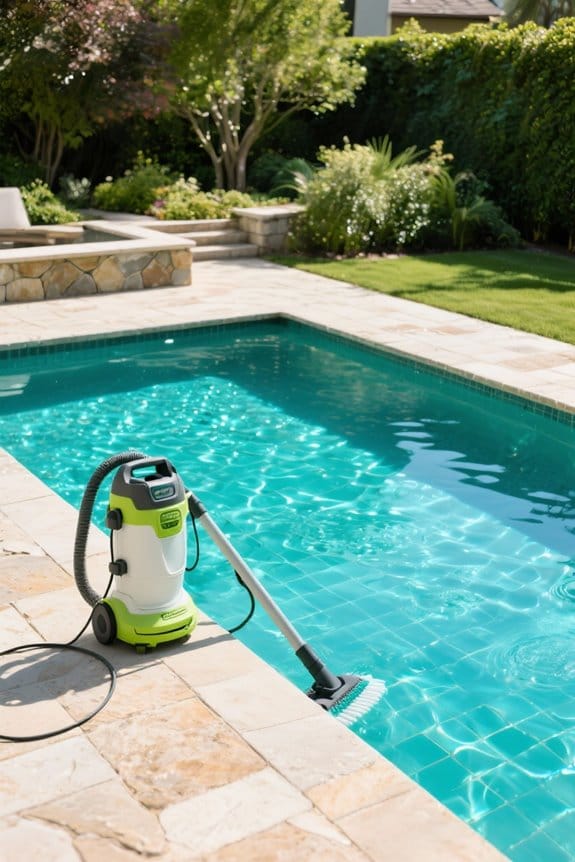
Adopt mineral-based purification using copper and silver ions to control bacteria, or switch to saltwater systems generating natural chlorine. Install variable-speed pumps for energy efficiency, and use durable pool covers to reduce evaporation by up to 95%. Opt for robotic cleaners with smart navigation to minimize energy use, and employ native, drought-tolerant landscaping to lower water demand. Regularly test pH, maintain adequate water levels, and perform equipment inspections to optimize sustainability. Explore these advanced methods to enhance pool maintenance practices.
Key Takeaways
- Use mineral-based or saltwater systems to reduce chemical sanitizers and maintain balanced pool water naturally.
- Install variable-speed pumps and solar heating to minimize energy consumption and carbon footprint.
- Cover pools with durable covers to cut evaporation by up to 95% and conserve water.
- Choose robotic cleaners and cartridge filters to lower water usage and enhance cleaning efficiency.
- Landscape with native, drought-tolerant plants and smart irrigation to decrease water waste and support ecosystem health.
Natural Alternatives to Chemicals
You may be interested
How can pool owners reduce chemical use while maintaining clear, safe water? Adopt natural alternatives like mineral-based purification systems, which deploy copper and silver ions to control bacteria and algae efficiently. Utilize saltwater systems that generate chlorine from salt, cutting down chemical sanitizers while maintaining hygiene. Apply baking soda regularly to stabilize pH levels naturally—start with 1.5 pounds per 10,000 gallons, adjusting as needed. Incorporate enzyme treatments weekly to break down organic matter, reducing chemical sanitizer dependence and improving water quality. Use white vinegar for tile cleaning and calcium buildup removal; dilute 1 part vinegar with 4 parts water for effective application. These steps form an integrated pool maintenance routine, ensuring sustainable sanitation while minimizing harsh chemical use and optimizing operational efficiency. Additionally, monitoring and adjusting calcium hardness levels is crucial to prevent corrosion and surface deterioration in pool water.
Recommended Products

EASILY WIPE AWAY SCALE: HydroFlow’s advanced technology electronically treats water to prevent minerals from binding to pipes, water heaters, faucets, etc. While it does not prevent the white stuff/scale, the HydroFlow unit prevents the minerals from binding to your pipes and faucets making clean up a simple wipe.

💧 Perfectly designed for 4-6 bathrooms homes, the Aquasure Signature Series is the professional grade Whole House Water system that delivers high quality filtered, ultra-softened water to every outlet throughout your entire home. No need for manual regeneration, backwash, draining, this system automatically regenerates and backwash, making it cost efficient and easy to maintain.

Gentle Sanitation – automatically converts salt into chlorine for softer pool water that won’t irritate eyes, skin, hair or fabrics like traditional chlorine pools
Energy-Saving Pool Equipment
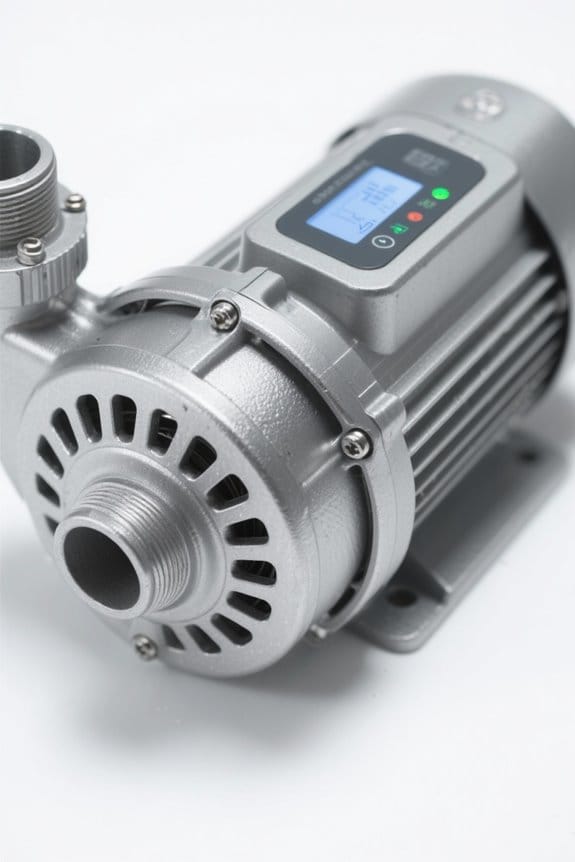
Why invest in energy-efficient pool equipment? Reduce energy use by installing variable-speed pumps, which adjust flow rates and use 30%-72% less power than single-speed models, yielding substantial cost savings. Opt for high-efficiency pumps to further decrease electricity demand and qualify for local rebates. Incorporate solar heating systems to warm water sustainably, reducing reliance on gas or electric heaters and lowering carbon emissions. Replace incandescent bulbs with LED lights, which consume up to 80% less energy and last longer, enhancing eco-friendly pool care. Prioritize these upgrades within sustainable practices, monitor energy consumption regularly, and maintain equipment for peak efficiency. These actions collectively support water conservation efforts indirectly by promoting responsible energy use and fostering cost-effective, environmentally mindful pool operation. Using dual-speed pumps with low-speed circulation significantly reduces energy costs while maintaining effective pool cleaning.
Recommended Products

Power Source Type: Electric

Responds to changing conditions - The IntelliFlo VSF Pump is the first to adjust to changes in flow to maintain its preprogrammed flow rate to run optimally throughout the entire filtration cycle. It's like having cruise control for your pump.

Mindful Water Management
Install a durable pool cover designed for your pool’s dimensions to reduce evaporation by up to 95%, conserving thousands of gallons annually. Use a pool cover to reduce evaporation, conserve water, and maintain chemical usage efficiency. Perform regular checking for leaks in plumbing and fittings to identify and repair unnoticed water loss quickly, minimizing water loss effectively. Maintain proper water levels consistently to prevent excess evaporation and support sustainable pool operation. Limit backwashing filters to necessary intervals only, cutting water waste during maintenance. Install rainwater harvesting systems to collect runoff, supplementing pool and irrigation needs, further conserving municipal water. Embrace mindful water management to integrate these eco-friendly pool practices precisely, ensuring efficient use of resources and extending pool equipment lifespan while supporting broader environmental goals. Additionally, selecting covers with cold and UV resistance ensures durability and prolonged water conservation benefits.
Eco-Friendly Cleaning Practices
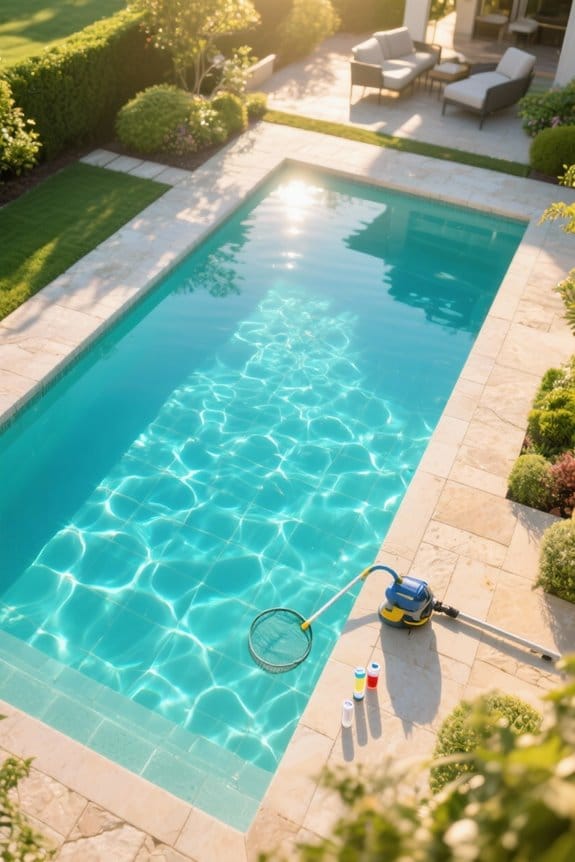
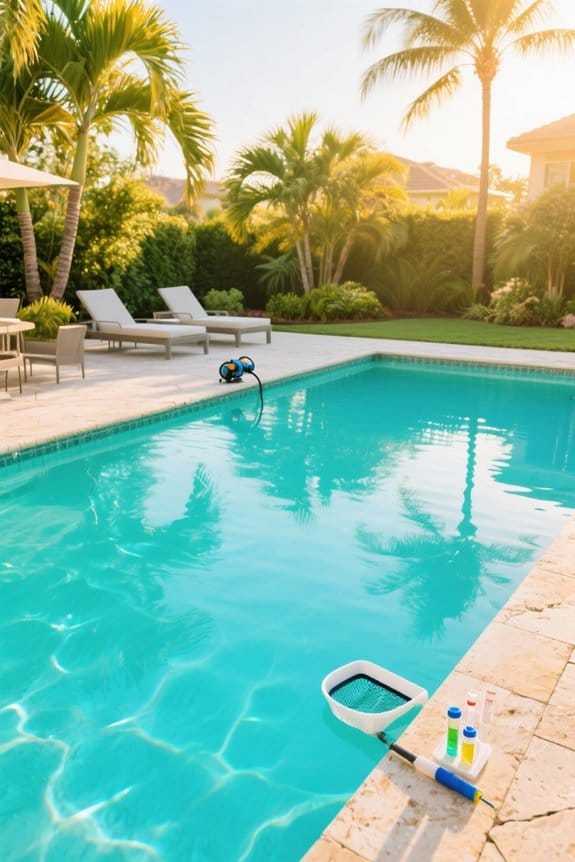
Where feasible, switch to robotic pool cleaners equipped with smart navigation to enhance energy efficiency and reduce manual labor. Employ cartridge filters to lower water consumption during cleaning cycles, and regularly wash and maintain washable filter media to prolong lifespan, reducing replacements. Use reusable skimmer nets to minimize plastic waste, consistent with eco-friendly pool maintenance practices. Integrate natural enzyme-based cleaners as effective ways to reduce chemical use, supporting a sustainable cleaning process. Schedule routine inspections of robotic pool cleaners, smart navigation systems, and filtration components to guarantee peak function. This proactive approach conserves resources, lowers environmental impact, and maintains water clarity without relying heavily on synthetic chemicals, fostering long-term sustainability in pool maintenance. Selecting pool cleaners with high-capacity lithium batteries ensures extended runtime and reliable eco-friendly performance.
Recommended Products

Large filter area for increased dirt capacity

The Tiger Shark QC offers a fast 90-minute Quick Clean cycle

【Auto Docking & Charging】Want to free yourself from the daily charging routine? The S2 Pro is your go-to choice. It features advanced underwater wireless charging, so when it’s low on battery, it automatically returns to its dock and powers up—keeping your pool in pristine condition with zero effort from you.
Sustainable Chemical Management
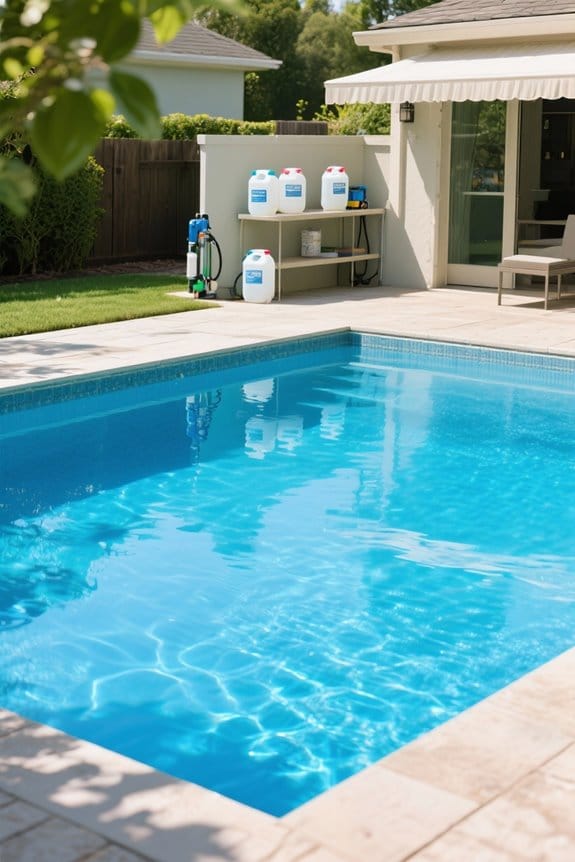
Although chemical management is essential for pool sanitation, prioritize sustainable methods that minimize harmful inputs. Reduce reliance on traditional chlorine by installing saltwater systems that generate chlorine naturally from salt, lowering chemical use and skin irritation. Employ mineral-based sanitizers containing copper and silver to prevent algae and maintain water clarity, while reducing chemical amounts. Regularly test water pH, alkalinity, and chlorine levels, adjusting precisely to avoid excess chemical additions. Integrate organic enzyme treatments to break down waste, decreasing harsh chemical needs and improving water quality. Opt for eco-friendly chemical alternatives derived from plant-based ingredients for safer management. Monitor dosage carefully, calibrate feeders routinely, and address cloudiness by evaluating chemical balance before increasing inputs. These steps lower chemical consumption, conserve water and energy, and promote sustainable pool chemical management practices. Additionally, maintaining proper cyanuric acid levels between 40-100 ppm helps reduce chlorine loss from UV rays, improving chlorine efficiency and minimizing chemical waste.
Upgrade to Energy-Efficient Pool Equipment
Enhance pool sustainability by upgrading to energy-efficient equipment, starting with variable-speed pumps that reduce energy use by 30% to 72%. Install energy-efficient pumps to improve energy use, lower electricity consumption, and secure financial benefits, including possible rebates. Incorporate solar-powered pool heaters to utilize renewable energy, decreasing reliance on fossil fuels and cutting heating costs. Replace outdated bulbs with LED pool lighting, achieving roughly 75% energy savings and longer functional lifespan, reducing maintenance demands. Employ smart technology products to automate and fine-tune pool operations, enhancing overall sustainability while minimizing waste. Prioritize equipment compatibility, ensuring pumps, heaters, and lighting integrate effectively for maximum performance. Monitor system functionality regularly to troubleshoot potential inefficiencies, preserving cost savings and promoting a greener pool environment year-round. Selecting pumps with Energy Star certification not only guarantees efficiency but also eligibility for utility rebates and improved performance monitoring.
Recommended Products

Cam and Ramp lid for easy inspection and cleaning

-Proprietary flow technology maintains the pool’s optimum flow.

Variable-speed pool pump designed for energy efficiency and quiet operation
Conserve Your Pool Water Usage
How can pool owners effectively reduce water waste and maintain ideal levels? Start by installing a pool cover, as a quality pool cover can reduce evaporation by up to 95%, conserving your pool water usage considerably. Conduct regular leak inspections to identify and repair unseen drips, preventing substantial water loss. Upgrade to high-quality pool filters, like cartridge filters, to minimize water waste through less frequent cleaning and backwashing. Backwash filters only when necessary, extending intervals to about two weeks to conserve water. Implement rainwater harvesting systems to collect runoff, which can top off the pool and reduce reliance on municipal water. Additionally, just as fire pits benefit from efficient airflow designs to optimize performance and reduce waste, ensuring proper ventilation in pool equipment areas can improve system efficiency and decrease water loss. These steps, combined with routine maintenance, promote sustainable pool care focused on reducing water loss and maintaining necessary water levels efficiently.
Incorporate Sustainable Landscaping Around Your Pool Area
Extend water conservation efforts by optimizing the landscaping around your pool. Select native plants to reduce irrigation needs and maintain biodiversity, ensuring long-term sustainability. Use drought-tolerant plants like succulents and ornamental grasses to minimize water consumption and cut maintenance time. Integrate eco-friendly landscaping materials such as permeable paving to reduce environmental impact by allowing rainwater absorption. Install smart irrigation systems programmed to water only when soil moisture is low, targeting specific zones efficiently. Incorporate trees and large shrubs to provide natural shade, which lowers water temperature and helps minimize water evaporation by up to 30%. Regularly inspect irrigation equipment for leaks or clogs to sustain performance. Integrating solar-powered systems can further enhance sustainability by reducing energy consumption in pool maintenance. These steps establish sustainable landscaping that balances aesthetic appeal with water conservation and ecosystem health around the pool area.
Using Saltwater Chlorination for Cleaner Pools
While shifting to saltwater chlorination, begin by selecting a compatible saltwater chlorinator system rated for the pool’s size, typically measured in gallons. Install the system following manufacturer guidelines, ensuring proper salt levels between 2,500 to 3,500 ppm. Monitor and adjust salt concentrations regularly to maintain stable water chemistry, reducing chemical fluctuations that complicate upkeep. Utilize saltwater chlorination to reduce chemical use by about 60%, lowering chemical exposure for swimmers and making the pool water more pleasant to swim in due to softer composition. Schedule routine checks on the chlorinator cell for scaling or degradation. Benefits include an eco-friendly pool environment, reduced need for additional sanitizers, and considerably lower maintenance costs, extending pool equipment lifespan. Follow these steps to achieve sustainable pool cleaning with minimal manual intervention. It is also important to use a chlorinator system with automatic titanium electrode cleaning to ensure efficient operation and longer cell life.
Recommended Products

For pools up to 40,000 gallons

CONSISTENT CHLORINE SANITIZATION: The Hayward salt system delivers steady chlorine distribution for pools up to 40,000 gallons, helping maintain water clarity and support routine pool maintenance

EXPERIENCE THE ULTRA DIFFERENCE: Uniquely designed frame combines high quality galvanized steel with precision engineered locking system, enhancing the overall quality, durability and stability of the pools; 2-year warranty included for peace of mind.
Frequently Asked Questions
How Often Should I Replace My Pool Filter for Sustainability?
The pool filter should typically be replaced every 1-3 years, depending on filter lifespan and material. Adhering to a maintenance schedule with energy-efficient filters and recycling options optimizes water conservation and minimizes environmental impact through advanced filtration technology.
Can Solar Pool Covers Save Energy Year-Round?
Solar pool covers enhance pool efficiency year-round by utilizing solar energy for heat retention, improving temperature regulation, reducing evaporation, lowering chemical usage, and maintenance costs. They offer eco-friendly alternatives with positive environmental impact and notable seasonal savings.
What Impact Does Pool Size Have on Sustainable Cleaning Practices?
Pool size affects water usage, cleaning frequency, and chemical levels; influences filtration efficiency, energy consumption, and maintenance costs; guides equipment selection, reduces waste generation, and minimizes environmental impact, ultimately shaping sustainable cleaning practices for ideal resource management and efficiency.
Are Biodegradable Pool Toys Better for Eco-Friendly Pools?
Biodegradable pool toys, made from sustainable sourcing and eco friendly alternatives, typically reduce environmental impact and waste. Their shorter lifespan and proper toy disposal methods demand consumer awareness, aligning with industry standards and green certifications for effective waste reduction.
How Do Local Climate Conditions Affect Sustainable Pool Maintenance?
Local climate effects like temperature fluctuations, rainfall patterns, humidity levels, and local fauna dictate sustainability strategies for pool maintenance. Water evaporation, chemical usage, energy consumption, and seasonal maintenance adjust accordingly to optimize ecological balance.