As an Amazon Associate, we earn from qualifying purchases. Some links on this site are affiliate links at no extra cost to you. Our recommendations are based on thorough research and editorial judgment.


How Leaves and Organic Matter Affect Water Quality

Monitor decomposing leaves closely, as their breakdown releases phosphorus and nitrogen, boosting stormwater nutrient levels by over 50%. Rake leaves from curbs and sidewalks multiple times weekly, avoiding storm drains to reduce turbidity and prevent algal blooms. Use cordless leaf vacuums for efficient collection, maintain equipment regularly, and consider composting to minimize runoff. Collaborate in community leaf programs to enhance water clarity and safeguard aquatic ecosystems. Explore seasonal strategies next to improve overall water quality management further.
Key Takeaways
- Decomposing leaves release phosphorus and nitrogen, significantly increasing nutrient levels in urban stormwater.
- Elevated phosphorus from leaf litter contributes to harmful algal blooms, lowering oxygen and stressing aquatic life.
- Organic matter buildup raises water turbidity, reducing clarity and hindering aquatic plant photosynthesis.
- Leaf-derived nutrients and debris can clog storm drains, disrupting natural water flow and water quality.
- Monitoring phosphorus and turbidity helps identify pollution sources and maintain healthy aquatic ecosystems.
The Role of Decomposing Leaves in Nutrient Release
You may be interested



Begin by understanding that decomposing leaves greatly impact nutrient levels in water systems, primarily through the release of phosphorus and nitrogen compounds. Collect leaf litter promptly to prevent excess organic matter from washing into stormwater drains during rainfall. Monitor phosphorus concentrations regularly, noting that leaves contribute about 56% of phosphorus in urban stormwater. Use leaf blowers or rakes to gather fallen leaves efficiently. Remove the leaf litter before precipitation events, as demonstrated in Madison, Wisconsin, where phosphorus levels decreased by over 80%. Dispose of collected leaves away from water systems to maintain water quality. Inspect storm drains frequently for accumulated organic matter, preventing nutrient overloads. Maintain records of nutrient monitoring to evaluate leaf management effectiveness, ensuring stormwater phosphorus remains within regulatory limits to protect aquatic environments. Additionally, employing chlorine tablets for sanitation can help maintain water clarity by controlling microbial growth fueled by organic nutrient buildup.
Recommended Products

Enhanced Cleaning Performance: The inclusion of two side brushes and a cleaning path of 36 inches allows this sweeper to effectively clean right up to corners and edges, providing a more comprehensive clean. This is ideal for cleaning areas up to 20,000 square feet

3-in-1 Robot Vacuum, Vacuums, Sweeps, and Mops in One Pass: Experience a new level of clean with 11500Pa of ultra-strong suction powerful enough to lift embedded pet hair, crumbs, and debris from both carpets and hard floors. The integrated 230ml water tank and 240ml dustbin work simultaneously to tackle dry and wet messes, ensuring a thorough clean across your entire home without switching modes

Keep Your Cleaning Station Sanitary While Tackling Stubborn Stains: The 100°C ThermoHub Self-Cleaning Mop system uses a PTC-heated washboard to clean mop pads with high-temperature washing for a more sanitary result. Heat helps break down greasy residue, reduces odor buildup, and supports mop hygiene after regular use—helping maintain a cleaner home and fresher floors with less hands-on cleaning.
Impact of Leaf-Derived Nutrients on Aquatic Ecosystems

How do leaf-derived nutrients affect aquatic ecosystems? Fallen leaves contribute up to 56% of the phosphorus load in urban stormwater, elevating nutrients in stormwater and promoting harmful algal blooms. These blooms reduce oxygen, stressing aquatic ecosystems and aquatic life. Regularly clear storm drains to prevent leaf buildup, reducing the amount of nutrients entering water bodies. Implement leaf removal programs, proven to lower phosphorus concentrations by over 80%, as demonstrated in Madison, Wisconsin. Use leaf blowers, rakes, and catch basin filters to manage leaf litter effectively. Monitor nutrient levels regularly to identify problem areas. Maintain equipment to avoid clogging and guarantee thorough cleaning. Incorporating robotic pool cleaners with advanced navigation can also help maintain water cleanliness by efficiently removing organic matter. By reducing the input of leaf-derived nutrients, protect aquatic ecosystems from hypoxic conditions and preserve water quality downstream. Prioritize ongoing maintenance for sustained benefits.
How Organic Matter Affects Water Clarity and Light Penetration

Control the accumulation of organic matter such as decomposing leaves in water bodies by regularly removing debris using fine mesh nets or suction dredges. Organic matter increases turbidity, reducing water clarity and blocking sunlight necessary for aquatic plants. Measure turbidity levels with a Secchi disk or turbidity meter before and after removal to track improvements. Note that murky water disrupts aquatic ecosystems, hindering photosynthesis and impairing plant growth and reproduction. Use a net mesh size of 0.5 mm to capture fine organic debris effectively. If suction dredges clog frequently, inspect hoses for obstructions and clear immediately. Maintain removal frequency every two to four weeks during peak leaf fall to prevent excessive buildup. These actions enhance light penetration, fostering healthier aquatic plants and stabilizing ecosystems. For optimal debris removal, consider using a pool skimmer net with a 28-mesh fine nylon mesh to capture even smaller particles and reduce cleaning time.
Recommended Products

Protects ponds and other water features from debris and predators

Professional Series Pond Nets -- Easily remove sludge, debris, leaves, and algae. Or switch net heads to catch fish. The Heavy-Duty Pond Net Combo is a must-have for pond maintenance, big or small.

24 Inch Diameter Koi Pan Net With Protective Padding. A pan net is a very shallow net that is used to corral the koi and guide it into a viewing bowl. Use slow and deliberate movements when approaching the desired koi with your net.
Strategies for Preventing Leaves From Entering Waterways
Although preventing leaves from entering waterways can be challenging during fall, adopt a consistent routine of raking leaves from curbs and sidewalks multiple times weekly, bag the collected leaves using breathable yard waste bags, and make certain they are set out for municipal pickup or added to personal compost bins. Perform thorough leaf removal before storms to reduce phosphorus load in urban stormwater, which directly lowers stormwater nutrient levels. Employ tools like leaf blowers or mulching mowers to expedite the process, but avoid pushing leaves into streets or storm drains. Environmental managers recommend maintaining storm drains clear and coordinating with municipal street sweeping programs. These proactive steps in preventing leaves curb pollution from decomposing organic matter, consequently enhancing water quality. Consistency in these strategies is essential for effective urban stormwater management. Using clarifiers can also help improve water clarity by aggregating fine particles suspended in the water.
Recommended Products
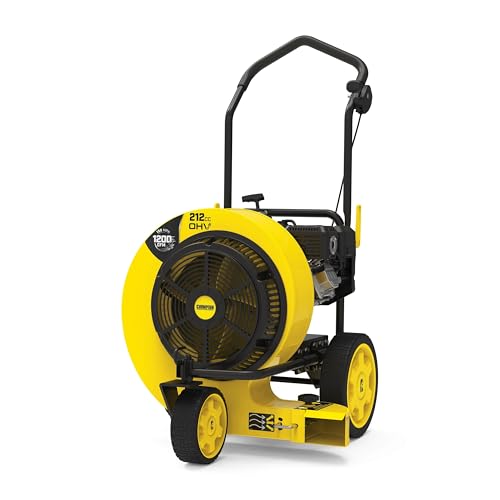
Change your clearing power according to the job at hand with the adjustable throttle control

SELECT CUT MULTI-BLADE CUTTING SYSTEM - Customize your cut with interchangeable lower blades; battery lawnmower includes mulching, high-lift bagging, and extended runtime lower blades, plus an upper blade

User Friendly Smart Control & One-Button Dumping
Community Actions to Improve Urban Water Quality
Participate in local storm drain adoption programs, regularly inspect drains for debris accumulation, and remove leaf litter using gloves and appropriate tools like grabbers or rakes. Report persistent blockages to municipal authorities promptly to prevent organic debris buildup. Coordinate with community groups to organize street sweeping events targeting leaf management, reducing phosphorus and nitrogen loads in urban stormwater. Monitor nearby local streams for clarity and signs of nutrient pollution as indicators of effective community actions. Educate neighbors on the impact of leaf litter on water quality and encourage routine storm drain maintenance. Document observed improvements or issues in storm drain conditions to support ongoing urban water quality efforts. Such coordinated activities effectively minimize nutrient influx, enhance aquatic ecosystem health, and lower risks of localized flooding caused by clogged storm drains. Additionally, implementing proper inspection and maintenance routines can significantly prolong the functional lifespan of drainage infrastructure.
Benefits of Proper Leaf Disposal and Composting
Many urban areas can reduce water pollution greatly by adopting proper leaf disposal and composting practices. Collect all leaf litter, avoid disposing of leaves directly into storm drains or waterways. Use adequate containers like compost bins or designated leaf piles to contain organic material. Manage moisture levels to facilitate decomposition, turning piles every two weeks to aerate and prevent odors. Properly composted leaves release nutrients gradually, improving soil quality while minimizing phosphorus runoff that exceeds 60% of urban water pollutants. Prevent excess organic matter in water that clouds surfaces and impairs photosynthesis. Employ mulching where feasible to reduce leaf volume and return nutrients. Urban programs often mitigate up to 80% of phosphorus loading through systematic leaf collection and composting, greatly enhancing downstream water quality in lakes and rivers. Regular maintenance and monitoring similar to maintenance and cleaning routines advised for pool equipment help ensure continued effectiveness and avoid unpleasant odors.
Recommended Products

Easier Composting: Separate bins and removable slats make harvesting finished compost easier

Large composter with base grid. Lid "locks" - two doors to remove compost.

INCLUDED FREE WITH PURCHASE: Organic Gardening Expert Mike McGrath’s 'Book of Garden Beds & Composting'
Seasonal Considerations in Leaf Management Practices
When should leaf management activities intensify to effectively reduce phosphorus runoff? Focus efforts during fall, especially from late September to mid-November, when organic detritus peaks, contributing about 56% of the annual phosphorus load in stormwater. Prioritize frequent leaf removal using blowers and vacuum street sweepers before storms, preventing nutrient-rich debris from entering drains. Monitor weather forecasts to schedule collections ahead of rain events, minimizing phosphorus wash-off that degrades water quality. Deploy community initiatives promoting neighborhood leaf collection events to enhance overall effectiveness. Maintain equipment, inspect drainage points for blockages caused by leaves, and promptly address issues to sustain ideal stormwater flow. Consistent fall leaf management markedly decreases phosphorus concentrations by over 80%, protecting aquatic ecosystems from algal blooms and low oxygen conditions. Make leaf management a seasonal priority to support healthy stormwater systems. Using efficient tools such as cordless pool leaf vacuums can enhance leaf removal efforts and improve overall debris management.
Recommended Products

Lockable switch for continuous operation

VERSATILE 3-IN-1 BLOWER, VACUUM & MULCHER - Quickly switches between blowing, vacuuming, and mulching to handle a wide range of yard cleanup tasks, making it easy to clear leaves and debris from lawns, patios, driveways, decks, and garden areas.

3-in-1 Vacuum, Mulcher, and Blower combines multiple functions into one tool with a 40L heavy-duty, easy-to-empty leaf collection bag included
Frequently Asked Questions
How Do Leaves Affect Water Quality?
Leaves affect water quality by undergoing leaf decay, which releases nutrients, influencing carbon cycling and microbial activity. These processes alter habitat complexity and aquatic ecosystems, with impacts varying due to seasonal changes and decomposition rates.
How Does Organic Matter Affect Water Quality?
Organic matter acts as nature’s slow-release capsule, where organic decomposition and microbial activity drive nutrient cycling. However, excessive accumulation causes oxygen depletion, sediment accumulation, and chemical runoff, ultimately harming aquatic organisms and disrupting water quality.
How Do Plants Influence Water Quality?
Plants influence water quality through nutrient cycling and plant absorption, stabilizing sediment via root structure, preventing erosion, supporting wildlife habitat, and maintaining ecosystem balance, thereby reducing pollutants and enhancing aquatic health.
How Does Organic Waste Cause Water Pollution?
Organic decomposition causes water pollution by increasing nutrient runoff, promoting algae blooms and bacterial growth, and leading to sediment accumulation. These changes elevate water temperature and disrupt ecosystem balance, adversely affecting aquatic life and water quality.