As an Amazon Associate, we earn from qualifying purchases. Some links on this site are affiliate links at no extra cost to you. Our recommendations are based on thorough research and editorial judgment.

Preventing Cloudy Water After Vacuuming

Prevent cloudy water after vacuuming by vacuuming slowly to reduce sediment disruption, cleaning or replacing cartridge filters as needed, and backwashing sand filters when pressure exceeds 30 psi. Regularly clear pump and skimmer baskets to maintain optimum flow and circulate water for at least eight hours post-cleaning. Test and adjust chlorine to 3–5 ppm, keep pH between 7.2 and 7.8, and monitor total alkalinity at 80–120 ppm. Address clogs promptly for clearer results, then explore advanced filtration techniques.
Key Takeaways
- Vacuum slowly and steadily to minimize sediment disturbance and reduce cloudiness after cleaning.
- Clean or backwash filters before vacuuming to enhance debris removal and prevent water clouding.
- Maintain proper chemical balance by testing chlorine, pH, and alkalinity immediately after vacuuming.
- Run the filtration system for at least eight hours post-vacuuming to ensure thorough debris filtration.
- Regularly inspect and clean pump and skimmer baskets to maintain optimal water circulation and clarity.
Understanding the Causes of Cloudy Water After Vacuuming
You may be interested
Several factors commonly contribute to cloudy water after vacuuming, primarily the disturbance of sediment and debris settled on the pool floor. Expect vacuuming to stir particles, temporarily reducing water clarity. Improve results by inspecting the filter for clogs or dirt, guaranteeing it removes suspended debris effectively. Check water flow rates; blocked pump or skimmer baskets restrict circulation, worsening cloudiness. Test and balance water chemistry regularly, focusing on maintaining appropriate chlorine levels and pH to prevent clarity issues. Remember, inefficient filtration combined with poor water chemistry prolongs cloudiness. Clean or replace the filter cartridge or backwash the sand filter as needed. Verify vacuum speed matches pump capacity, avoiding excessive agitation. Adhere strictly to these steps to control sediment and debris suspension, maintaining clearer pool water after vacuuming. Using test strips regularly helps monitor key parameters like chlorine, pH, and salt levels to ensure optimal water balance.
Recommended Products

ECONOMICAL PERFORMANCE: The Hayward SwimClear 525 sq. ft. pool cartridge filter provides excellent filtration and hydraulic performance for reduced cost of operation

Valve sold seperately

Clean & Clear Plus pool and spa cartridge filter
Importance of Proper Circulation and Filtration
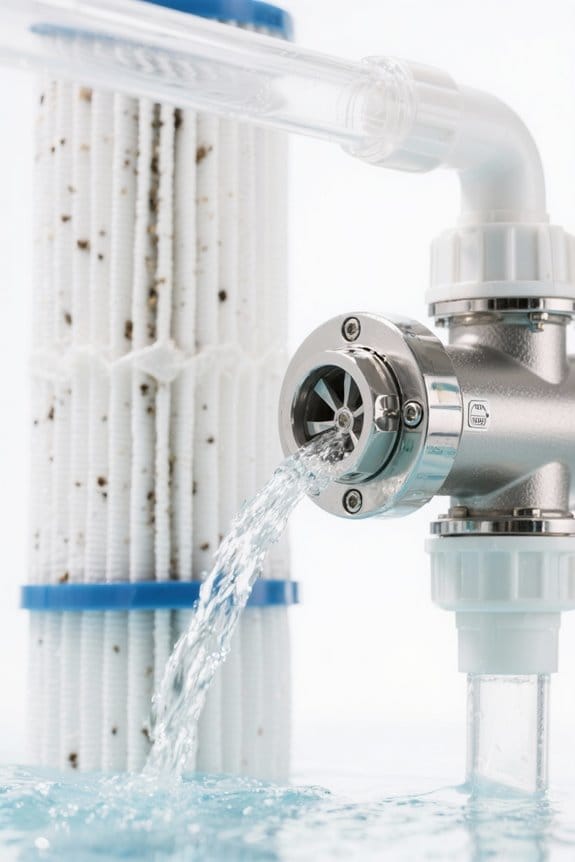
Although vacuuming disturbs settled particles, proper circulation and filtration are essential to restore water clarity quickly. Guarantee a minimum circulation time of eight hours daily, allowing all water to pass through the filtration system and remove debris effectively. Inspect pump baskets and cartridge filters frequently, cleaning or replacing them every few weeks to maintain peak flow. Monitor filter pressure closely; backwash sand or DE filters once pressure exceeds 30 psi to prevent reduced circulation. Clear any blockages in pump baskets promptly, as clogged traps hinder water flow and prolong cloudy water conditions. Prioritize routine maintenance of these components; neglecting filtration upkeep increases suspended particles, causing persistent cloudiness after vacuuming. Consistent attention to circulation and filtration is key in preventing cloudy water and maintaining a clear, healthy pool environment. Using durable materials and designs that prevent clogging can also improve filtration efficiency and water clarity.
Recommended Products

The Hayward TriStar VS Variable-Speed 1.85 HP Pool Pump is a variable speed pool pump designed for energy-efficient operation, helping reduce energy costs and potentially qualifying for local utility rebates

Build Your Dream Pond - 30' x 30' liner builds a shallow water garden up to 26 x 26 feet at 1.5 feet deep (7,600 gallons), or a koi pond up to 23 x 23 feet at 3' deep (11,900 gallons). Finished pond dimensions can be tailored to your specific requirements.

Reinforced thermoplastic filter tanks made from extra durable glass reinforced copolymer material to meet the demands of the toughest applications
Effective Vacuuming Techniques to Minimize Sediment Disturbance

A handful of key vacuuming techniques greatly reduce sediment disturbance and maintain water clarity. Use slow, steady vacuuming to avoid stirring debris excessively, causing cloudiness. Clean filters thoroughly before starting to guarantee effective capture of any stirred debris. Vacuum in sections, taking breaks to allow water settling, which reduces suspended particles. Continuously monitor return jets for white particles, signaling sediment disturbance and ineffective filtration. Adjust vacuuming speed or technique if these appear. After completing vacuuming, run the filtration system longer than usual to clear remaining cloudiness and maintain ideal water clarity. Consistently applying these vacuuming techniques minimizes sediment disturbance, supports clean filters and filtration system efficiency, and promotes clear water, making the maintenance process more manageable and effective. Using pool cleaning tools equipped with fine mesh skimmer nets can further prevent debris from resettling and maintain water clarity.
Recommended Products

LIFETIME REPLACEMENT "490 PROMISE" (EVEN FOR PROS) – We stand by our products with a no-questions-asked, unlimited replacement or total purchase price restoration policy. Commercial users enjoy unlimited part/tool replacements at half of retail. Residential users receive replacements at no cost. Your investment is protected for life.

Cover collar allowing 1 1/2-inch vertical adjustment

Cover collar allowing 1 1/2-inch vertical adjustment
Maintaining Chemical Balance for Clear Water
Maintain water clarity by testing and balancing pool chemistry immediately after vacuuming. Measure free chlorine levels, targeting 3–5 ppm for typical pools, or 12–16 ppm if cyanuric acid exceeds 70 ppm. Adjust total alkalinity to remain between 80–120 ppm, and keep pH levels within 7.2–7.8 to maximize chlorine efficiency. After vacuuming the pool, extend pump operation to at least eight hours to improve circulation, aiding in the removal of suspended particles. If cloudiness persists, apply a filter aid such as BioGuard Sparkle Up to help clump fine debris for better filtration. Consistently maintaining chemical balance prevents cloudiness, supports sanitizer performance, and promotes clearer pool water, ensuring effective cleanup and sustained water quality after vacuuming the pool. Additionally, regularly monitoring cyanuric acid levels helps maintain chlorine effectiveness and prevent algae growth.
Regular Filter Maintenance and Cleaning Procedures
Since filter performance directly affects water clarity, clean cartridge filters every 4 to 6 weeks by removing dirt and debris to prevent clogging. Perform regular filter maintenance by inspecting skimmer and pump baskets, clearing any blockages that reduce flow. After vacuuming, monitor filter pressure closely; an increase over 1 psi signals the need for cleaning or maintenance to sustain peak filtration system efficiency. Follow thorough cleaning procedures, rinsing cartridge filters with a hose to remove trapped debris particles. Consider applying a filter aid like BioGuard Sparkle Up to coagulate fine particles, enhancing pool clarity. Run the filtration system longer post-vacuuming, ideally 24 hours, to help clear suspended solids. Maintain this routine to guarantee consistent water clarity and maximize the filtration system’s effectiveness in removing contaminants. For deeper cleaning, you can use specialized pool filter cleaners that soak or spray to remove embedded grime and extend filter life.
Recommended Products

MAKE SUMMER SWIMMING MEMORIES: The Bestway Hydrium Steel Wall Above Ground Pool Set (16'5" x 12' x 48") is ideal for families looking for a more affordable, permanent option to incorporate a swimming pool into their yard! It's meant to last season after season, giving you and your family plenty of fun memories..pH value : 7.4 – 7.6, Cyanuric acid : 30 – 50 ppm, Calcium hardness : 200 – 400 ppm.
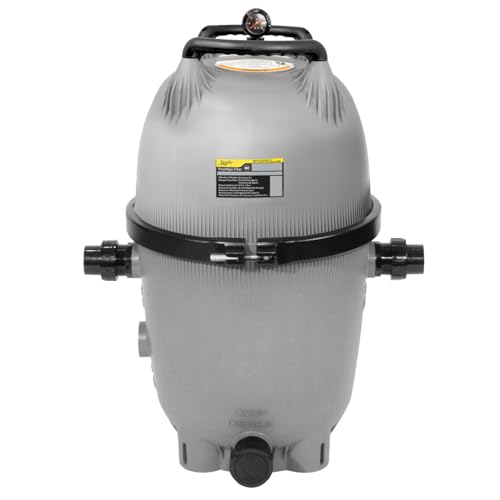
Massive Filtration Area (460 sq ft) — Handles large volumes of water for fewer cleanings and consistent clarity.

Hayward ProGrid 60 Square Foot High Capacity 120 Gallon Per Minute DE Filter for Large In Ground Swi
HIGH-CAPACITY HAYWARD POOL FILTER: The Hayward ProGrid 60 sq. ft. diatomaceous earth filter offers superior performance, efficiency and water clarity
Troubleshooting Common Filtration and Pump Issues
Continue monitoring equipment performance closely after routine filter maintenance to identify potential filtration or pump issues causing cloudy water. Check for insufficient circulation by ensuring the pump runs at least 8 hours daily to promote effective debris removal. Inspect and clean the filter regularly; backwash when pressure exceeds 30 psi to maintain peak performance and water flow. Monitor clogs in pump and skimmer baskets frequently, clearing obstructions that reduce circulation and impair filtration. Adjust vacuuming techniques to slow movements, minimizing disturbance of settled particles that cause temporary cloudiness. Consider applying a filter aid like BioGuard Sparkle Up to bind fine particles that slip through filters. Address pump issues promptly to sustain debris removal efficiency, restoring water clarity and preventing persistent cloudy water after vacuuming. Installing the pump on a level pad ensures optimal performance and helps prevent operational issues.
Recommended Products

The Cool Pool a full 54” deep with a beautiful color scheme. The pool is strong corrosion proof with resin uprights & top & bottom rails – so it works well in salt water as well as freshwater pools. For most steel walled pools going with saltwater will void the warranty. Not a Cool Pool, it is backed by a 30-YR full warranty – no prorations.

Multi-Layer Protection for Years of Reliable Use: The San Pedro steel-wall above ground pool features hot-dip galvanized steel with zinc-aluminum weather-resistant coating and protective enamel top coat, delivering triple-layer rust resistance
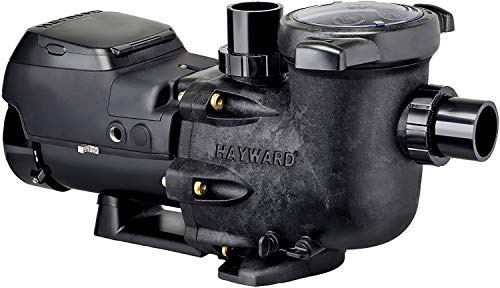
The Hayward TriStar VS Variable-Speed 2.7 HP is a variable speed pool pump that delivers the ultimate in energy efficiency, saving up to 90%, or $1,500 per year, on energy costs and may be eligible for local utility rebates
Frequently Asked Questions
Why Is My Pool Cloudy After Vacuuming?
Ah, the mysterious cloud! It appears due to poor vacuuming techniques, neglected filter efficiency, or lousy debris removal methods. Ignoring pool chemical adjustments, pH balance, water circulation, and maintenance schedules guarantees cloudiness despite pool maintenance tips and water clarity solutions.
What Setting Should Your Pool Pump Be on When Vacuuming?
The recommended pump setting during vacuuming techniques is “Filter” mode, optimizing suction power and water filtration. Proper equipment usage, debris removal, and regular cleaning frequency enhance pool maintenance, especially with varying vacuum models and filtration systems tailored to specific pool needs.
Do You Have to Backwash After Vacuuming?
Like a clogged artery threatening health, neglecting proper backwash after vacuuming impairs effective filtering, causing cloudy water. Proper backwash and filter cleaning prevent filtration issues, maintain water clarity, and support consistent pool maintenance, skimming habits, and vacuuming frequency.
How Long Does It Take for Water to Stop Being Cloudy?
Cloudy water typically clears within 8 to 24 hours, depending on filtration system efficiency and chemical balance importance. Effective vacuuming techniques and debris removal methods, combined with water circulation improvement, serve as key cloudy water solutions in swimming pool care.