As an Amazon Associate, we earn from qualifying purchases. Some links on this site are affiliate links at no extra cost to you. Our recommendations are based on thorough research and editorial judgment.

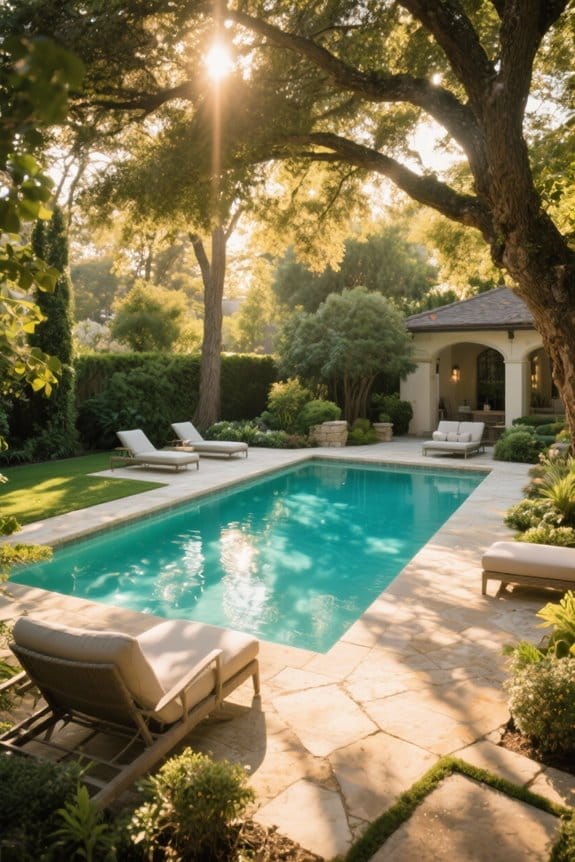
How Shaded Pools Affect Algae Growth

Control algae growth in shaded pools by maintaining chlorine between 1-3 ppm, running circulation pumps 8-12 hours daily, and cleaning shaded surfaces prone to mustard and black algae. Monitor water temperature, typically 60°F-75°F, and adjust chemical dosages accordingly. Use algaecides targeting low-light species and apply phosphate removers to limit nutrients. Regularly scrub with an 18-inch brush, focus on stagnant zones, and guarantee filtration systems operate efficiently to prevent persistent algae challenges common in shaded environments. Further strategies guarantee peak pool clarity.
Key Takeaways
- Shade reduces direct sunlight, lowering algae photosynthesis but still allowing UV-resistant algae to grow.
- Yellow (mustard) algae thrives in low-light shaded areas, requiring targeted cleaning and treatment.
- Cooler water temperatures (60°F-75°F) in shaded pools slow algae growth compared to sunnier pools.
- Stagnant water zones in shaded pools increase algae risk, emphasizing consistent circulation and filtration.
- Maintain chlorine levels (1-3 ppm) and use specific algaecides to control algae in shaded pool environments.
Understanding Algae in Pool Water
You may be interested
Although shaded pools receive less direct sunlight, algae can still develop under favorable conditions, so monitor water clarity and test chemical levels weekly using a digital pool test kit. Maintain chlorine between 1-3 ppm to prevent algae growth, adjusting doses based on test results. Clean pool surfaces regularly, focusing on shaded areas prone to yellow (mustard) algae, which thrive in low light. Inspect and service filtration systems weekly to guarantee ideal debris removal; backwash sand filters or clean cartridge filters as needed. Balance water chemistry by checking pH (7.2–7.6) and alkalinity (80–120 ppm) levels, as imbalances promote algae proliferation. Document maintenance activities and troubleshooting to detect recurring algae types. Consistent cleaning, chemical adjustments, and filtration upkeep effectively control algae in shaded pools, safeguarding water clarity and swimmer safety. Additionally, using durable pool equipment with built-in non-slip textured treads can enhance safety during regular pool maintenance.
Effects of Shade on Sunlight Exposure
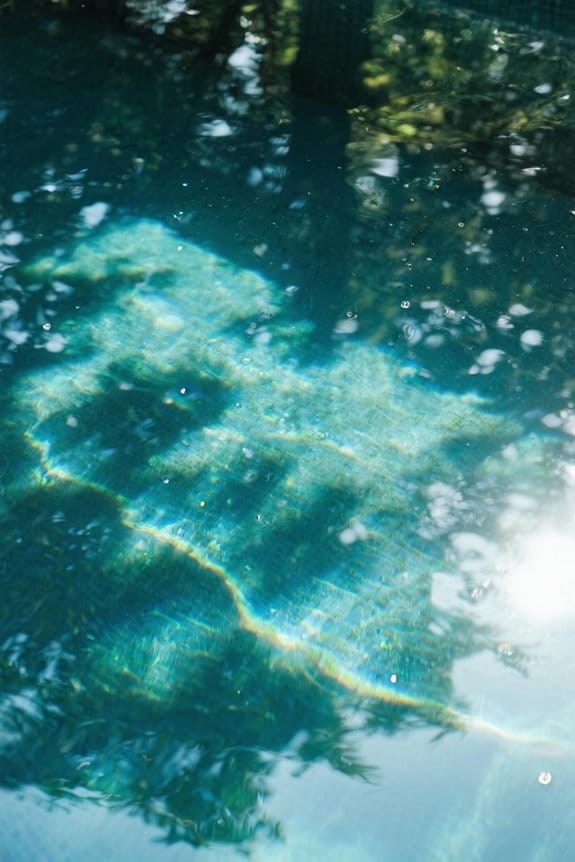
When managing shaded pools, recognize that reduced direct sunlight decreases algae photosynthesis rates but does not eliminate growth risk entirely. Assess how shade from trees or structures affects sunlight penetration, noting indirect sunlight still supports some UV-resistant algae types. Install pool covers with UV resistance to minimize indirect sunlight impact. Monitor water chemistry closely, adjust pH and chlorine levels following pool capacity guidelines, and guarantee circulation pumps run 8-12 hours daily to prevent stagnation. Implement filtration systems rated for your pool volume, cleaning filters biweekly to maintain efficacy. Inspect algae types periodically, identifying any resistant strains requiring targeted algaecides. Balance shade benefits with required maintenance; rely on filtration, circulation, and water chemistry control rather than shade alone. Manage shaded pools proactively to limit algae growth effectively under varied sunlight conditions. Using a pool maintenance kit that includes algaecides and clarifiers can enhance algae control in shaded environments.
Recommended Products

DELUXE ALL-SEASON SCREENS: This louvered pergola features versatile pull-down screen that surrounds it, providing weather resistance against wind, rain, and sunlight. The 6 screen panels are slightly transparent, allowing light to shine through, while also ensuring some privacy and protecting you from UV rays. Effortlessly lower the screen to your desired height using the integrated spring-loaded runners. When not in use, manually lift it upward for smooth retraction into its casing.

Inspired by bird's nest shape, the Erotr assembled cushioned lounge set for 8 person combines comfort, elegance and durability. Knitted-like ropes give a warm comfy looking. Curved scoop armrest, supportive backrest and deep cushioning offer an enveloping ultimate relaxation

THOUGHTFUL ENGINEERING THAT OFFERS YEAR ROUND PROTECTION FOR LARGE VEHICALS - Virtually unbreakable corrugated solar gray polycarbonate allows for 10% light transmission. Panels are high impact and shatter resistant while providing 100% UV protection. UV-protected panels will not discolor or brittle with time.
Water Temperature Variations in Shaded Pools
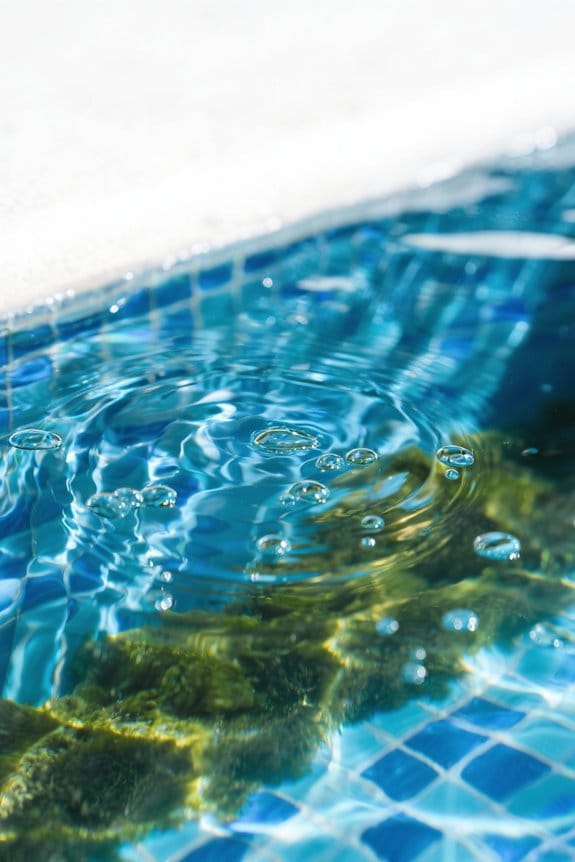
Account for water temperature differences when managing shaded pools, as these typically range between 60°F and 75°F, lower than the preferred 77°F to 88°F range that promotes rapid algae growth. Monitor water temperatures regularly using digital thermometers to detect fluctuations, especially during sunny days or seasonal changes that might reach ideal growth levels. Conduct thorough water testing to maintain chemical balance, adjusting chlorine or algaecides as needed. Control nutrient concentrations by managing organic debris and runoff to prevent algae proliferation despite cooler water temperatures. Guarantee proper circulation efficiency with functioning pumps and clean filters, as stagnant water combined with lower evaporation rates can still support minimal algae growth. Prioritize routine pool maintenance, combining temperature monitoring, chemical adjustments, and mechanical upkeep to minimize algae risks in shaded pools consistently. Selecting pumps with appropriate flow rate capacity ensures effective water circulation that can further reduce algae buildup in shaded areas.
Common Types of Algae in Shaded Pool Environments
Since shaded pools receive limited sunlight, expect predominance of yellow algae, also known as mustard algae, which thrives under low-light conditions. Identify this common type by its mustard-yellow color and powdery texture. Monitor water circulation closely; stagnant zones encourage algae growth, including green algae that can persist despite shade. Address black algae infestations promptly; these dark, stubborn patches adhere to tiles and steps, resisting chlorine levels typically effective elsewhere. Regularly test chlorine levels and pH, adjusting as needed to prevent algae blooms fueled by accumulating organic matter. Sweep pool surfaces to remove debris, targeting shaded corners where algae accumulate fastest. Follow strict pool maintenance routines to limit nutrient buildup, enhance water circulation, and control shade-driven algae growth effectively. Maintaining the appropriate free chlorine levels between 1.0 and 3.0 ppm is essential to keep algae under control in shaded pool environments.
Recommended Products

Automatic in-ground pool cleaner. SmartTrac Programmed Steering easily navigates around pool obstacles for uninterrupted cleaning. Adjustable to ensure the most effective cleaning

Proudly American-Made - Powerful Algae Prevention by Doheny’s: Algaecide 60 delivers effective, long-lasting protection against all types of algae in any pool. Family-owned and trusted for over 50 years.

Dual Action Sanitizer and Shock - Clorox Pool&Spa All-in-ONE Xtra Blue Chlorinating Granules can be used to sanitize and shock your pool water clean and clear. Cleans and clears water in one step.
Impact of Reduced UV on Algae Proliferation
Evaluate the UV exposure levels in shaded pool zones using a UV meter, targeting readings below 2 milliwatts per square centimeter as low. Monitor UV exposure carefully, as reduced UV limits photosynthesis, slowing algae growth in shaded pools. Recognize that indirect light diminishes algae proliferation by restricting energy needed for developing spores. Measure water chemistry routinely, checking pH levels and nutrient levels, since imbalances can still support algae despite low UV. Remove organic debris promptly, as it provides nutrients and surfaces for growth even in shaded conditions. Implement regular maintenance schedules to control algae by addressing all enabling factors. Understand that while shaded pools benefit from limited UV, neglecting water chemistry and debris management still risks algae outbreaks, demanding consistent attention to maintain pool clarity and sanitation. Incorporating regular algaecide treatments as part of maintenance can effectively prevent algae growth in shaded pools.
Importance of Water Circulation in Shaded Pools
Although shaded pools experience reduced UV exposure, maintain consistent water circulation to prevent algae growth effectively. Run pool pumps daily to achieve at least one complete water turnover, ensuring filtered water passes through the system regularly. Monitor water movement closely, avoid stagnant areas where nutrients accumulate and promote algae. Use circulation to facilitate even chemical distribution, improving water chemistry balance and disinfectant efficiency. Inspect pumps and return jets for blockages or malfunction, which can reduce flow and create dead zones. Adjust pump runtime if algae growth persists, verifying that all pool sections receive adequate circulation. Prioritize continuous water movement to capture algae spores in filters before they multiply. Proper water circulation, combined with vigilant equipment maintenance, is essential to prevent algae development in shaded pools. Additionally, selecting pool hose kits made from durable materials like chemical- and UV-resistant EVA or PE ensures reliable pump operation and helps maintain effective circulation.
Recommended Products
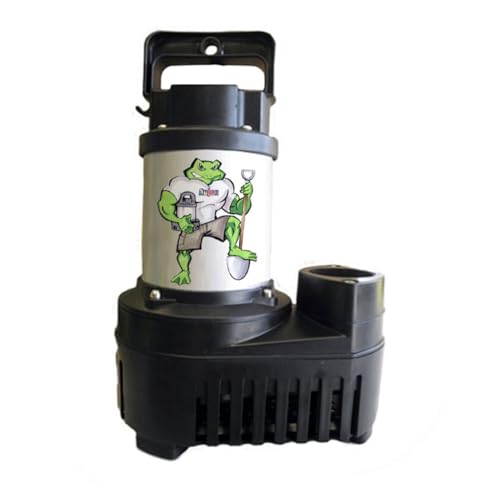
Upright design makes it ideal for installation in skimmer or waterfall well | Low suction point ideal for cleanouts and drainage | Submersible Asynchronous pump compatible with variable speed controller (not included)

Extremely energy-efficient magnetic drive technology that is designed for, inline and submersible, low-head applications to work with 90% of all water features.

Chemical Treatments for Algae Control in Low-Light Conditions
Several chemical treatments remain crucial for algae control in shaded pools despite reduced sunlight. Apply algaecides specifically formulated for low-light conditions to target yellow and black algae, which thrive in shade. Maintain chlorine levels around 30 ppm during regular shocking to prevent blooms, monitoring with a reliable test kit. Use phosphate removers consistently to limit nutrient availability, reducing algae growth potential even when sunlight is minimal. Exercise caution with copper-based algaecides to avoid surface staining; follow manufacturer guidelines precisely. Adjust chemical dosages based on pool volume and algae severity, and guarantee thorough water circulation during and after treatment for maximum distribution. Prioritize water clarity and safety, keeping chemical balances stable. Regularly check treatment effectiveness and repeat as necessary, adapting to the unique challenges shaded pools present in algae control. Additionally, maintaining consistent free chlorine levels is essential to ensure ongoing sanitation and prevent algae proliferation in shaded environments.
Recommended Products

Fast-Dissolving Granular Chlorine Sanitizer – This sodium dichlor pool shock delivers 55.5% available chlorine to quickly sanitize swimming pool and spa water. The quick dissolve formula distributes evenly without clouding, helping maintain clear, balanced water in above ground and inground pools and hot tubs.

Heat Retention & Solar Warming: Harnesses the power of the sun to naturally warm your pool water while helping retain heat overnight, extending your swimming season without increasing energy costs.

Best Practices for Maintaining Healthy Shaded Pools
Maintain a strict schedule of daily skimming and weekly scrubbing to remove organic debris and biofilm accumulations from shaded pool surfaces. Conduct regular water testing to monitor chlorine levels and pH, addressing imbalances promptly to prevent algae growth fueled by organic material buildup. Employ UV-resistant pool covers when the pool is idle, drastically limiting light exposure that encourages algae bloom even in shaded pools. Integrate shock treatments biweekly, coupled with algaecide applications during warmer periods above 60°F, to uphold water clarity and inhibit algae proliferation. Prioritize consistent regular maintenance routines, adjusting chemical dosages based on testing results, and remove leaves or dirt promptly. Using an 18-inch pool brush with durable bristles can significantly ease the scrubbing process and enhance algae removal efficiency. These combined actions form the best practices to maintain healthy shaded pools, ensuring effective algae control despite low direct sunlight.
Recommended Products

All-Weather Durability: Pro-Tect tested and proven to withstand up to 9,800 pounds or up to 30 inches of snow load, and winds up to 100 mph*

Spacious and Versatile Gazebo: This domi outdoor gazebo measures 24' L X 14' W x 10.5' H and provides 336 square feet. It is a perfect choice for outdoor party or daily life with your family and friends.The heavy duty gazebo design allows it to accommodate gatherings of at least 15 people.

90% UV AND VISIBILITY BLOCKING: Protect your privacy while also providing some welcome shade for your kids, plants or pets! Our versatile fence screen readily replaces and surpasses regular mesh tarp or chicken wire and is ideal for outdoor use: backyard, greenhouse or kennel.
Frequently Asked Questions
Will Algae Grow in the Shade?
Algae growth can occur in shaded areas despite reduced sunlight exposure, as chlorophyll production continues at lower levels. Effective pool maintenance, balanced pool chemistry, managing water temperatures, removing organic matter, and utilizing algae prevention methods counteract algae growth under shade structures.
Will Algae Grow in a Covered Pool?
Algae can grow in a covered pool despite limited sunlight exposure impact. Effective covered pool maintenance, algae prevention tips, pool water chemistry balance, filtration system efficiency, pool cleaning techniques, algae resistant products, and environmental factors consideration are essential for swimming pool health.
At What Temperature Do Algae Stop Growing in a Swimming Pool?
Like a candle extinguished by cold wind, algae growth stops below a temperature threshold of 60°F in swimming pools. Ideal conditions—nutrient availability, sunlight exposure, pH levels, and chlorine effectiveness—also influence seasonal changes and environmental factors.
What Causes a Pool to Grow Algae?
Algae growth in pools results from poor pool chemistry, low chlorine levels, inadequate filtration systems, insufficient water circulation, imbalanced pH balance, excess nutrient levels, organic material accumulation, temperature variations, and sunlight exposure, all worsened by neglecting regular pool maintenance.