As an Amazon Associate, we earn from qualifying purchases. Some links on this site are affiliate links at no extra cost to you. Our recommendations are based on thorough research and editorial judgment.

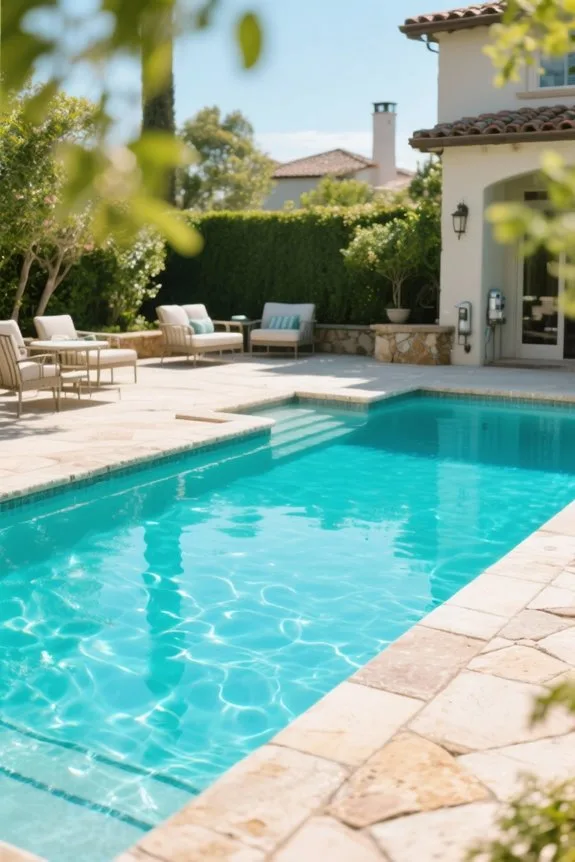
The Role of Calcium in Pool Maintenance

Maintain calcium hardness between 200 and 400 ppm using a reliable, calibrated test kit, sampling water from various pool points for accuracy. Adjust levels gradually with calcium chloride or dilution to prevent plaster etching or scaling deposits on surfaces and filters. Monitor after refills or rainfall, logging results consistently. Keep pH between 7.2 and 7.6 to reduce scaling risks, clean equipment regularly, and use pumice stones for deposits. Follow these practices to guarantee balanced calcium levels and pool longevity—explore further for detailed maintenance strategies.
Key Takeaways
- Calcium hardness between 200-400 ppm protects pool surfaces from etching and scaling damage.
- Low calcium causes corrosion and pitting on plaster, vinyl, and metal fixtures.
- High calcium leads to scaling, cloudy water, and filter blockage, reducing pool efficiency.
- Regular testing ensures balanced calcium levels for optimal pool structure longevity and swimmer comfort.
- Gradual adjustment with calcium chloride or dilution prevents sudden water chemistry shocks.
Understanding Calcium Hardness in Pool Water
You may be interested
Begin by measuring the calcium hardness level in pool water using a reliable test kit calibrated for 200-400 ppm accuracy. Test water samples from various pool areas to detect uneven distribution. Record readings, ensuring calcium hardness levels remain within the ideal 200-400 ppm range. Address low calcium levels promptly, as they cause aggressive water that etches plaster and corrodes metal fixtures. Conversely, high calcium hardness levels result in scaling deposits that clog filters and irritate skin. Monitor calcium regularly, especially after refilling or heavy rain, since these can skew concentrations. Use liquid calcium chloride to raise calcium hardness levels safely, or dilute with fresh water to reduce excess calcium. Consistent testing combined with methodical adjustments prevents damage and maintains balanced water. Keep detailed logs to track trends and anticipate corrective actions efficiently. Additionally, maintaining proper cyanuric acid levels complements calcium hardness management by protecting chlorine from degradation due to sunlight exposure.
Why Calcium Is Essential for Pool Health
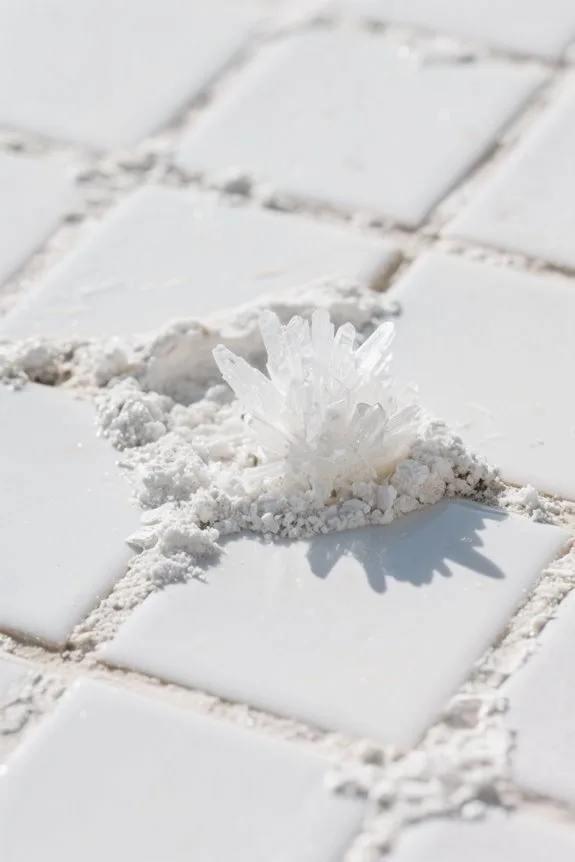
Although monitoring other chemical levels is important, prioritize maintaining calcium hardness between 200 and 400 ppm to protect pool surfaces and equipment. Regularly test calcium hardness in pool water, using a reliable test kit or professional service, to guarantee pool water balance stays within this range. Low calcium causes etching and pitting on plaster, vinyl liners, and metal parts, damaging the pool’s structural integrity. High calcium leads to scaling deposits that clog filters, reduce water flow, and impair circulation. Adjust calcium levels gradually, adding calcium chloride for deficiencies or diluting with fresh water for excess. Address adverse effects promptly to prevent corrosion or scaling. Maintaining proper calcium hardness promotes longevity of pool materials, optimizes filtration efficiency, and guarantees a safer, clearer swimming environment for users. Additionally, using high-quality filter cartridges can further enhance water clarity and help manage mineral deposits effectively.
Ideal Calcium Hardness Levels for Different Pool Types
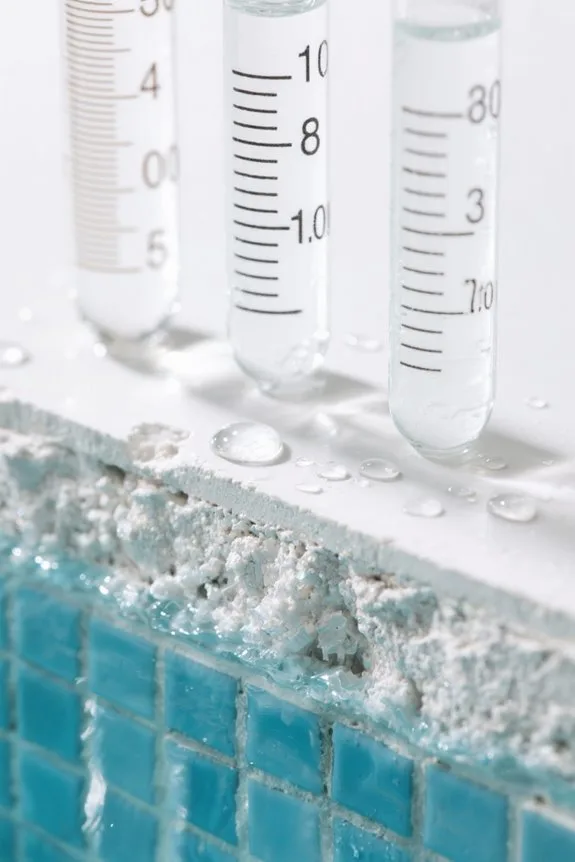
Understanding the ideal calcium hardness levels for various pool types is crucial for effective maintenance. Maintain calcium hardness within the ideal range to protect surfaces and equipment. For plaster and vinyl-lined pools, target 200 to 400 ppm, preventing etching and liner damage. Adjust fiberglass pools to 200 to 300 ppm to avoid gel coat corrosion and scaling. Saltwater pools require 300 to 400 ppm to safeguard the salt cell and maintain water balance. Test calcium hardness regularly using a reliable test kit or digital analyzer. If levels fall outside the ideal range, adjust by adding calcium chloride or diluting water as needed. Consider environmental factors and pool use frequency to schedule tests and interventions. Follow these guidelines strictly to guarantee longevity and avoid costly repairs. Using high-quality filtration systems like Type C cartridges can also help maintain overall water clarity by efficiently removing impurities.
How Low Calcium Levels Affect Your Pool
When calcium levels drop below 200 ppm, treat the water as aggressively corrosive, capable of dissolving minerals from plaster, vinyl, and metal pool components. Monitor hardness in pool water routinely, using a reliable test kit, and adjust calcium levels promptly to avoid damage. Inspect plaster surfaces for pitting and etching signs, as low calcium hardness accelerates deterioration. Check vinyl liners for reduced elasticity, tears, or leaks, replacing if necessary. Evaluate metal fixtures regularly since low calcium combined with low pH levels heightens corrosion risk on ladders, rails, and plumbing. Correct pH levels simultaneously to stabilize water chemistry. Maintain calcium hardness between 200-400 ppm to preserve pool integrity, reduce repair expenses, and extend equipment lifespan through consistent management and precise chemical balancing. Additionally, ensuring effective pool cleaning with kink-free hoses with swivel cuffs helps maintain overall water quality and pool surface condition.
Problems Caused by Excessive Calcium Hardness
If calcium hardness rises above 400 ppm, begin by testing water using a reliable hardness test kit, then evaluate surfaces and equipment for scale buildup. Address visible calcium deposits on pool walls, steps, and plumbing fixtures promptly to prevent worsening damage. Monitor water clarity closely, as high levels of calcium hardness often cause cloudiness that irritates swimmers’ skin and eyes. Inspect filters and pipes for blockages caused by precipitated calcium deposits, and clean or replace affected components to maintain ideal water flow. Recognize that excessive calcium hardness reduces sanitizer effectiveness, enabling bacteria and algae growth, so adjust chemical treatments accordingly. Regularly document calcium hardness measurements, and employ targeted treatments or partial water replacement to lower levels, preventing costly scale buildup and minimizing the risk of surface deterioration and equipment failure. Regular maintenance of pool cleaning equipment, including vacuum heads, helps to prevent the accumulation of scale and debris caused by high calcium levels.
Common Sources of Calcium Buildup in Pools
Frequently, calcium buildup in pools results from multiple interacting factors that demand careful monitoring. Start by checking the hardness level; sources with calcium concentrations between 400-800 ppm indicate hard water and necessitate corrective treatment. Avoid indiscriminate addition of calcium-containing chemicals, as these elevate calcium hardness and promote scaling. Monitor seasonal evaporation, especially during summer, since water loss concentrates calcium ions, requiring timely water replacement. Maintain proper pH levels, because higher pH values favor calcium precipitation on pool surfaces. Be vigilant during stagnant periods in winter; reduced circulation encourages calcium crystallization and deposit formation. Regulate water chemistry systematically, balancing hardness and pH carefully. Employ routine inspections of surfaces for scaling signs, then adjust chemical dosing accordingly. Success in controlling calcium buildup relies on methodical, consistent management of these principal sources. Using a calibrated test kit regularly ensures precise monitoring and adjustment of calcium hardness for optimal pool water balance.
Testing Methods for Measuring Calcium Hardness
Although measuring calcium hardness might seem straightforward, achieving accurate results requires using appropriate testing methods and performing regular assessments. Utilize testing kits or digital meters calibrated properly before each use to guarantee precision. Collect pool water samples following manufacturer instructions, then add reagents carefully to avoid errors. Read calcium hardness in parts per million (ppm), aiming for the ideal range of 200-400 ppm to maintain pool maintenance standards. Increase testing frequency during high-usage periods like summer, as changes in water source and climate affect calcium levels. Use digital meters offering instant results for efficiency. Record every measurement, noting deviations promptly, to prevent scaling or corrosion issues. Repeat assessments weekly, and recalibrate equipment regularly to maintain accuracy in pool maintenance routines. Additionally, maintaining clean equipment and using proper maintenance recommendations improves the reliability of calcium hardness testing results.
Effective Techniques for Removing Calcium Deposits
Begin by conducting a thorough water test to determine calcium hardness, adjusting imbalances before any cleaning. Address calcium deposits using pumice stones or stain erasers; keep both tools and surface wet to prevent scratches. Apply stain erasers alongside a cleaning solution for gentler calcium removal on delicate surfaces. For heavy calcium buildup, use a heavy calcium releaser as directed, ensuring proper dilution and contact time. If calcium levels remain elevated, consider draining and partially refilling the pool to reduce hardness. Maintain balanced calcium and pH levels regularly to prevent recurrence of deposits. During pool cleaning, avoid aggressive scrubbing that risks surface damage and recheck calcium levels post-cleaning to confirm effective removal and proper water chemistry. Follow these steps methodically for ideal calcium deposit management. Using a reliable floating pool thermometer can help monitor water temperature, which can affect calcium solubility and deposit formation.
Tools and Materials for Calcium Stain Removal
Select appropriate tools and materials based on calcium buildup severity and pool surface type. For minor calcium stains, use stain erasers combined with a suitable cleaning solution, applying gentle scrubbing to avoid surface damage. When removal requires more effort, deploy pumice stones carefully, limiting pressure to prevent scratches, especially on hard surfaces. For heavy calcium deposits, apply heavy calcium releasers, ensuring water hardness and pH levels are tested and balanced beforehand to maximize effectiveness. Maintain water testing regularly to evaluate hardness, as this influences cleaning results. Combine mechanical tools with chemical treatments for best outcomes, alternating between pumice scraping and chemical applications. Use soft brushes after treatment to eliminate residue. Gather gloves, goggles, and appropriate measuring devices for accuracy and safety. Follow all manufacturer directions for chemical use to avoid unintended pool surface harm. Additionally, proper maintenance and regular cleaning routines help prevent the formation of persistent calcium stains.
Strategies to Prevent Calcium Buildup in Pools
Three key preventive measures guard against calcium buildup in pools: regular monitoring of calcium hardness and pH levels, controlling water evaporation, and leveraging advanced water treatment options. Test calcium levels weekly, maintaining hardness between 200 and 400 ppm, and keep pH on the lower end of the ideal 7.2–7.6 range to reduce scaling risks. Avoid high pH conditions, since they promote calcium precipitation. Use appropriate pool chemicals to balance pH and calcium hardness consistently. Install an automatic pool cover to minimize evaporation, preventing calcium concentration from rising. Consider reverse osmosis treatments to remove excess calcium efficiently, reducing the need for constant chemical adjustments. Conduct thorough weekly maintenance, including cleaning pool surfaces and checking chemical balances, to guarantee long-term prevention of calcium buildup and maintain peak water quality. Utilizing a pool vacuum regularly can also help prevent buildup on pool surfaces by removing debris and particles that contribute to scaling.
Eco-Friendly Solutions for Maintaining Calcium Balance
Although traditional chemical treatments remain common, prioritize eco-friendly pool maintenance tools to manage calcium balance effectively while reducing environmental impact. Employ Clearwater Pool Systems’ NASA-backed technology, decreasing chemical reliance by up to 95%, and integrate reverse osmosis water treatment for enhanced calcium removal. Schedule weekly pool maintenance, applying environmentally-safe water treatments to stabilize calcium levels and prevent scaling or corrosion. Regularly measure calcium hardness, aiming for 200–400 ppm, adjusting treatments accordingly. Address minor fluctuations promptly to avoid aggressive chemical use later. Monitor for calcium buildup signs during routine inspections, and use eco-friendly solutions consistently to maintain a sustainable pool environment. Adhering to these guidelines guarantees a balanced, long-lasting pool, reduces hazardous runoff, and supports responsible pool maintenance practices.
When to Seek Professional Help for Calcium Issues
When should professional intervention be considered for calcium-related pool issues? Seek professional pool assistance when calcium levels consistently fall below 200 ppm to prevent corrosive damage to surfaces and equipment. If calcium levels exceed 400 ppm, enlist a technician to safely remove scaling without harming pool materials. Address noticeable calcium buildup promptly by consulting experts who can recommend effective, eco-friendly treatments tailored to your pool’s conditions. When uncertain about balancing calcium hardness or encountering frequent water chemistry imbalances, request professional testing and adjustments. Schedule regular professional monitoring to identify early signs of calcium problems, avoiding costly repairs and maintaining a healthy swimming pool. Trust trained specialists to apply precise diagnostics and treatments, ensuring long-term calcium level stability and preserving pool infrastructure integrity.
Frequently Asked Questions
How Do I Know if My Pool Needs Calcium?
To determine if a pool needs calcium, one should test calcium levels regularly using calcium testing kits. Observing signs like surface corrosion indicates imbalance. Following calcium balance tips guarantees proper maintenance and prevents damage.
What Happens When Calcium Is Low in a Pool?
What occurs when pool calcium levels drop dangerously low? Low calcium symptoms include plaster etching and metal corrosion, while water clarity issues arise. Contrary to calcium scaling effects, insufficient calcium causes aggressive water, damaging surfaces and equipment prematurely.
What Happens if You Put Too Much Calcium in Your Pool?
Excess calcium disrupts the perfect balance, causing calcium scaling on pool surfaces and equipment. This leads to reduced water clarity, cloudy water, clogged filters, and potential irritation, ultimately diminishing the pool’s aesthetic appeal and sanitation efficiency.
Can I Add Calcium and Shock at the Same Time?
Adding calcium and shock treatments simultaneously is not advised, as it disrupts pool chemistry. Calcium benefits diminish, and shock effectiveness reduces. Proper timing guarantees balanced calcium levels and peak chlorine performance, maintaining water clarity and safety.